That Little Light in Your Fridge Is Telling You Something
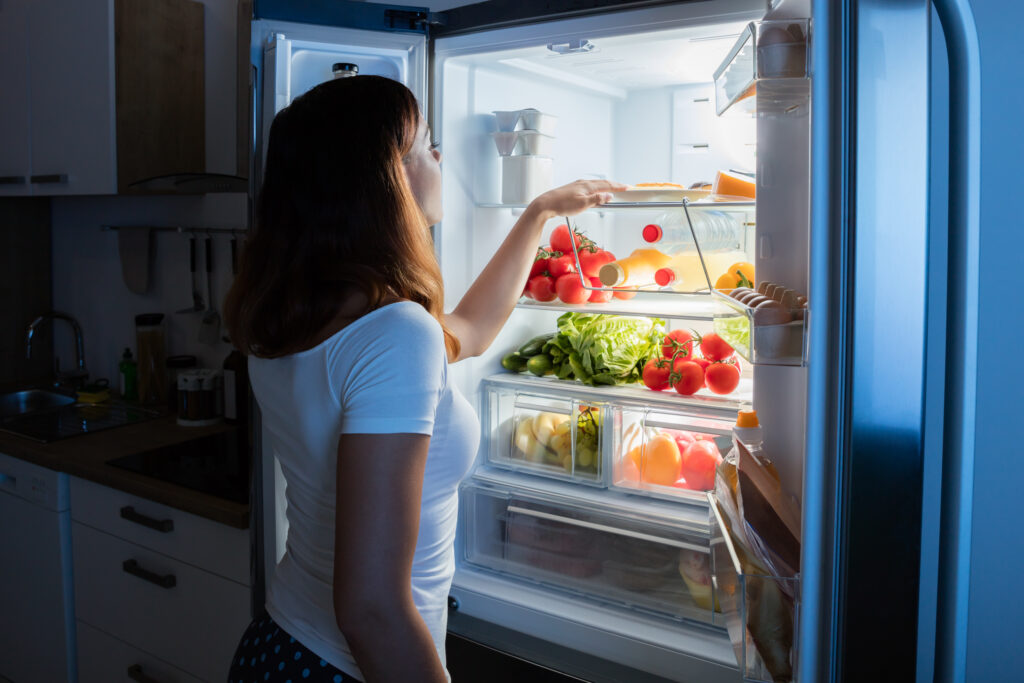
You open the refrigerator door, grab what you need, close it, and move on. It happens dozens of times a day without a second thought. But somewhere in the middle of all that routine, there is a small light bulb quietly doing its job — and most homeowners never think about it until it stops working. Refrigerator light bulbs are one of those overlooked components that seem trivial until they fail, and suddenly you are squinting into a dark appliance trying to locate the leftover pasta. Understanding what that bulb does, how it works, and what happens when it does not can actually save you time, money, and a surprising amount of frustration.
What Is a Refrigerator Light Bulb and Why Does It Matter
A refrigerator light bulb is a small, appliance-rated bulb installed inside your refrigerator — and sometimes your freezer compartment — designed to illuminate the interior whenever the door is opened. It is connected to a door switch, which is a small mechanism that detects whether the door is open or closed. When the door opens, the circuit completes and the light turns on. When the door closes, the switch breaks the circuit and the light goes off. Simple in concept, surprisingly important in practice. Without proper lighting, you cannot accurately see food expiration dates, spot spills, or organize your shelves efficiently. It is a small detail that has a genuine impact on how you interact with one of the most-used appliances in your home.
How Refrigerator Light Bulbs Actually Work
The mechanics are straightforward but worth understanding. Most refrigerators use one of three bulb types: incandescent, LED, or appliance-specific compact fluorescent. Older models tend to use incandescent bulbs, which generate heat as a byproduct of producing light. That heat is not ideal in a cold environment, which is part of why the appliance industry has been moving toward LED alternatives. LED bulbs run cooler, consume significantly less energy, and last considerably longer than their incandescent counterparts. The door switch — sometimes called a plunger switch — sits along the door frame and physically depresses when the door closes. If that switch sticks, breaks, or corrodes, your light may stay on constantly, draining energy and potentially generating enough warmth inside the unit to affect food storage temperatures.
The Advantages of LED Refrigerator Lighting
If your refrigerator is a newer model or you have recently replaced a failed bulb, there is a good chance it already uses LED technology. The advantages are worth knowing about because they go beyond just brightness. Here is what LED refrigerator lighting brings to the table:
- Significantly lower energy consumption compared to incandescent bulbs, which matters over years of daily use
- A much longer operational lifespan — LED bulbs can last tens of thousands of hours before needing replacement
- Minimal heat output, which reduces the thermal load on your refrigerator’s cooling system
- Cleaner, more consistent light distribution that makes it easier to see food items clearly
- Better performance in cold temperatures, unlike some fluorescent options that can dim or flicker in the cold
These are not small upgrades. Over the lifetime of an appliance, the shift from incandescent to LED lighting can translate into measurable energy savings and fewer replacement bulb purchases.
Common Problems Homeowners Encounter With Refrigerator Lights
The most common issue is straightforward — the bulb burns out and needs replacing. But a dead bulb is not always the full story. If you replace the bulb and the light still does not work, the issue may lie with the door switch, the wiring, or in some cases the control board on more sophisticated refrigerator models. Another frequent problem is a light that stays on even when the door is closed. This is typically a door switch failure, and it is more serious than it sounds. A constantly illuminated bulb generates heat inside the refrigerator compartment and forces the compressor to work harder to maintain the correct temperature. Over time, that added strain can shorten the life of the compressor — which is one of the most expensive components in any refrigerator.
Replacing a Refrigerator Light Bulb the Right Way
Replacing the bulb itself is typically a DIY-friendly task, but there are a few things to keep in mind before you start. Always unplug the refrigerator or switch off its circuit breaker before touching any internal components. Check your owner’s manual or the label near the bulb socket for the correct wattage and base type — using the wrong bulb can cause problems with fit, heat output, or electrical compatibility. Most refrigerator bulbs use an A15 base, but some models have proprietary LED assemblies that cannot be swapped out with a standard hardware store bulb. If your refrigerator uses integrated LED panels rather than individual replaceable bulbs, the repair becomes more involved and typically requires a technician.
When the Light Problem Points to Something Bigger
Here is where homeowners sometimes underestimate what they are dealing with. A refrigerator light that behaves erratically — flickering, staying on constantly, or failing intermittently — can be an early indicator of broader electrical issues within the appliance. Door switches wear out over time, especially in households where the refrigerator door is opened frequently. Wiring harnesses can fray. Control boards can develop faults that affect multiple systems at once, including the lighting circuit. These are not catastrophic failures in isolation, but they can signal that your appliance is heading into a higher-maintenance phase of its lifecycle. Paying attention to those early signals and addressing them promptly can prevent smaller repair costs from compounding into larger ones.

How Home Warranties Relate to Refrigerator Repairs
This is a question that comes up often and genuinely deserves a clear answer. Home warranties are service contracts that cover the repair or replacement of major home systems and appliances when they break down due to normal wear and tear. Refrigerators are commonly included in appliance coverage plans, and that coverage often extends to the internal components of the appliance — including electrical elements like wiring and switches. The light bulb itself is typically considered a consumable item and may not be covered, but the door switch, wiring harness, or control board that governs the lighting circuit usually falls within the scope of covered repairs. Understanding what your plan covers before something breaks is far better than discovering its limits in the middle of a breakdown.
Tips for Maintaining Your Refrigerator Light and Door Switch
Maintenance here is minimal but worthwhile. Periodically check that your door switch is functioning correctly by pressing it manually — it should click cleanly and release smoothly. Clean around the switch area to prevent debris or moisture buildup that can cause it to stick. If you notice the light is staying on when the door is closed, place your hand along the interior wall nearest the switch to feel for unusual warmth. That warmth is a reliable indicator that the light is running continuously. Addressing that issue promptly protects your compressor and your food. On the bulb side, always use the manufacturer-recommended replacement to avoid compatibility issues, and consider upgrading to LED if your model still uses incandescent bulbs.
Why Armadillo Is the Smart Choice for Refrigerator and Appliance Coverage
When an appliance like your refrigerator starts showing signs of wear — whether it is a faulty door switch, an intermittent lighting issue, or a compressor beginning to struggle — the last thing you want is to face unexpected repair bills without a plan in place. That is exactly where Armadillo home warranty coverage for kitchen appliances and refrigerators makes a meaningful difference. Armadillo offers straightforward, homeowner-friendly plans designed to take the guesswork out of appliance repair costs. There are no complicated exclusions buried in fine print and no runaround when something breaks down. The process is built for real homeowners dealing with real problems — like a refrigerator that stops working on a Wednesday night. If you are ready to protect your home’s appliances with a plan that actually delivers, you can get a free home warranty quote for appliance protection in minutes and find out what coverage looks like for your specific home. Peace of mind costs less than most people expect, and it is worth having before the next repair bill arrives.

Frequently Asked Questions About Refrigerator Light Bulbs and Appliance Coverage
What type of bulb does my refrigerator use?
Most refrigerators use either an A15 incandescent appliance bulb or an integrated LED assembly. Check your owner’s manual or the label near the bulb socket to confirm the correct type and wattage for your specific model before purchasing a replacement.
Can I use a regular household light bulb in my refrigerator?
It is not recommended. Standard household bulbs are not rated for the cold temperatures and moisture levels inside a refrigerator. Always use a bulb specifically labeled as an appliance bulb to avoid premature failure or safety issues.
Why is my refrigerator light staying on when the door is closed?
This is almost always caused by a faulty door switch. The switch may be stuck, worn out, or damaged. A continuously running bulb generates heat inside the refrigerator and forces the compressor to work harder, so this issue should be addressed promptly.
Is a refrigerator light bulb covered under a home warranty?
The bulb itself is generally considered a consumable item and is typically not covered. However, the door switch, wiring, and control board components that affect the lighting system are often included in appliance coverage plans depending on your specific contract terms.
How do I know if my refrigerator door switch is broken?
Press the switch manually with the door open. It should click firmly and release cleanly. If it feels stuck, does not click, or the light behaves erratically, the switch is likely faulty and should be inspected or replaced.
How long do refrigerator light bulbs last?
Incandescent appliance bulbs typically last around 1,000 hours of use. LED refrigerator lighting can last significantly longer — often 15,000 to 25,000 hours — making LED the more cost-effective and convenient option over the life of the appliance.
What happens if I ignore a refrigerator light that stays on?
Leaving a constantly illuminated bulb unaddressed can raise the internal temperature of your refrigerator, cause food to spoil faster, and put additional strain on the compressor. Over time, this can shorten the operational life of the entire appliance.
Can a refrigerator light issue indicate a problem with the control board?
Yes. In modern refrigerators with electronic control boards, a malfunctioning board can affect the lighting circuit along with other systems. If replacing the bulb and switch does not resolve the issue, a technician should inspect the control board.
Should I upgrade my refrigerator to LED lighting if it still uses incandescent bulbs?
If your refrigerator supports an LED-compatible replacement, upgrading is generally a smart move. LED bulbs run cooler, use less energy, and last significantly longer, which benefits both your appliance’s efficiency and your household energy costs.
Does a home warranty cover the refrigerator compressor if it fails due to a door switch problem?
Coverage depends on the specific terms of your home warranty plan. Most plans cover compressor failure resulting from normal wear and tear. If a faulty door switch contributed to overworking the compressor, the outcome may depend on how the failure is diagnosed by the technician. Reviewing your plan details before a breakdown occurs is always the best approach.