What Is Rekeying a Lock and Why Does It Matter for Homeowners?
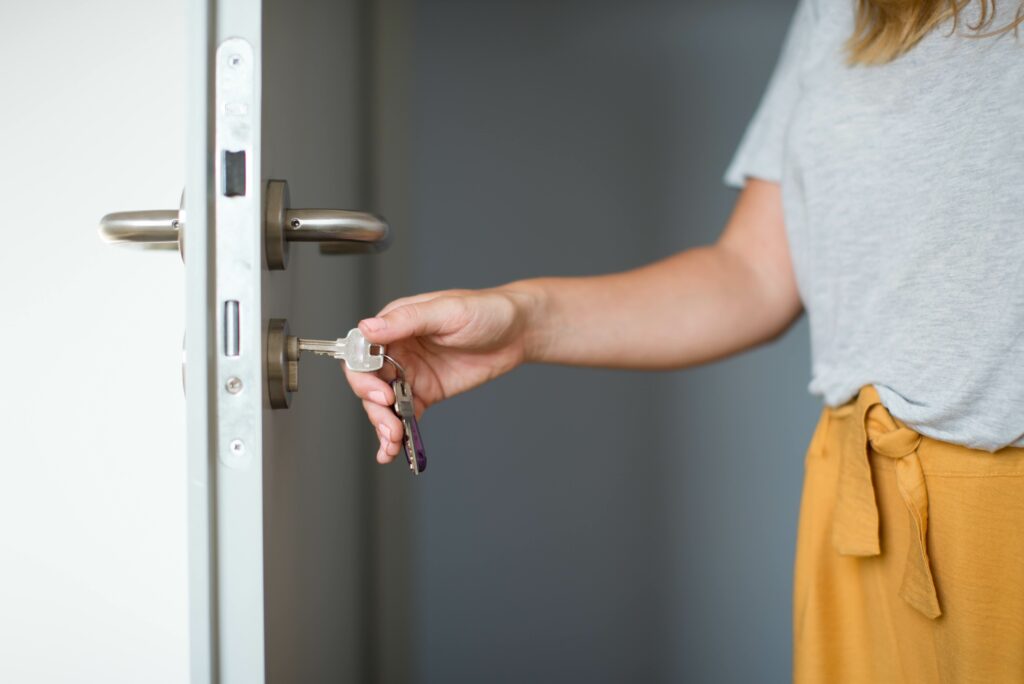
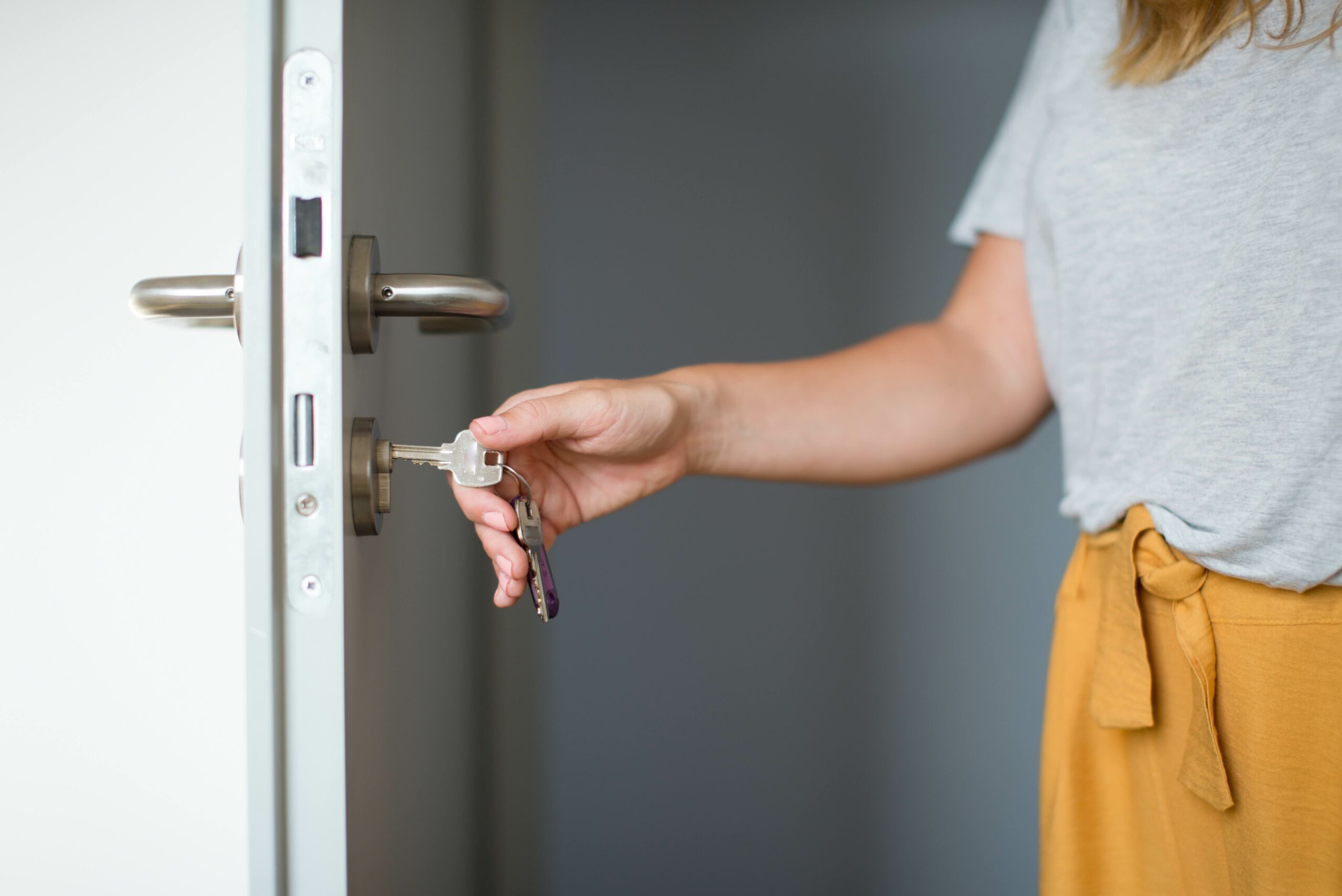
If you have ever moved into a new home, gone through a roommate change, lost a set of keys, or simply started wondering who still has access to your front door, rekeying a lock is probably the smartest thing you can do next. It is a security upgrade that gets overlooked constantly, and honestly, that is a little surprising once you understand how straightforward and affordable it actually is. Rekeying a lock means a locksmith adjusts the internal pins inside the lock cylinder so that your old keys no longer work and a new key is cut to replace them. The lock hardware stays exactly where it is. Nothing gets ripped out of the door. The whole process just resets who has access.
How Does Rekeying a Lock Actually Work?
Inside every standard pin tumbler lock, there is a cylinder that contains a series of spring-loaded pins. These pins are sized to align perfectly with the cuts on your specific key, and when everything lines up, the cylinder rotates and the lock opens. When a locksmith rekeys a lock, they remove the cylinder, replace those internal pins with a new set of different sizes, and then cut a new key to match the updated configuration. The whole job typically takes somewhere between 15 and 30 minutes per lock, depending on the lock brand and how accessible the hardware is. It is a clean, low-disruption process that most licensed locksmiths handle as a routine service call.
How Much Does It Cost to Rekey a Lock?
Here is where things get genuinely useful. Rekeying a lock is significantly cheaper than replacing one. Most homeowners pay somewhere between $15 and $40 per lock for the rekeying service itself, but there is usually a locksmith service call or trip fee layered on top of that, which commonly runs between $50 and $100. When you factor everything together, rekeying a single lock typically lands somewhere in the range of $50 to $130 total. If you are rekeying multiple locks to the same key, which is a smart and common approach, the cost per lock drops noticeably since the locksmith is already on site and the labor scales efficiently. Replacing a lock entirely, by comparison, can run $100 to $300 or more per lock depending on the hardware grade you choose, so the cost difference is real and substantial.

Key Advantages of Rekeying Your Locks
The appeal of rekeying extends well beyond the price point. There are several practical advantages that make it a preferred option for homeowners who are thinking clearly about home security and budget management at the same time.
- It is dramatically more affordable than full lock replacement while delivering the same core security benefit of invalidating old keys.
- The process preserves your existing lock hardware, which is useful if you have invested in high-quality deadbolts or matching finish hardware throughout the home.
- Multiple locks can often be rekeyed to operate on a single master key, which simplifies daily life considerably.
- It provides immediate peace of mind when you cannot account for all copies of your current keys.
- The turnaround time is fast, meaning you are not waiting on parts, orders, or contractors to complete a multi-day project.
When Should You Rekey Instead of Replace?
Rekeying makes the most sense when your existing locks are in solid working condition and the goal is simply to update who has authorized access. Moving into a previously owned home is one of the clearest cases. You have no way of knowing how many copies of the original keys are floating around from prior owners, real estate agents, contractors, or neighbors. Rekeying immediately after closing is a genuinely responsible habit. The same logic applies after ending a relationship with a tenant, a housekeeper, a contractor, or anyone else who had a key and no longer should. If a key goes missing and you cannot locate it, rekeying is a fast and proportionate response. Lock replacement becomes the better choice when the hardware is damaged, worn out, outdated in terms of security rating, or when you want to upgrade to a smart lock system entirely.
Common Drawbacks Worth Knowing
Rekeying is not a universal fix for every lock-related concern, and being honest about its limitations is important. If your lock cylinder is worn or the hardware itself is aging, rekeying addresses access control but does nothing for the physical integrity of the lock. A compromised deadbolt strike plate or a loose door frame still leaves vulnerability in place regardless of how recently the pins were changed. Additionally, rekeying does require a professional locksmith in most cases, which means scheduling a service visit and covering that trip fee. Some high-security or specialty lock systems, particularly electronic or smart locks, may not be rekeyed in the traditional sense and instead require a digital reset or credential update. Always confirm compatibility with your locksmith before assuming rekeying is an option for every lock type in your home.
Rekeying and Home Warranty Coverage: What You Need to Know
Home warranties are built around protecting the systems and appliances inside your home, and lock rekeying tends to sit in a coverage gray area. Most standard home warranty plans do not include rekeying as a covered service because it is generally treated as a security measure or elective maintenance rather than a mechanical failure. However, some enhanced home warranty plans or optional add-ons may include locksmith services under specific circumstances, such as a lock malfunction or key-in-lock scenario. If lock-related services matter to you, reviewing the terms of any warranty plan carefully before purchasing is essential. Knowing what is and is not included prevents surprises when you actually need to file a claim.
Practical Tips for Homeowners Planning to Rekey
A few simple steps can make the rekeying process smoother and more effective from start to finish.
- Inventory all the exterior and interior locks you want rekeyed before calling a locksmith so you can get an accurate quote upfront.
- Ask whether the locksmith can key all locks to a single key during the same visit, since this consolidates access and reduces the number of keys you need to manage.
- Verify that the locksmith is licensed, insured, and has verifiable reviews before scheduling a visit.
- Keep a small number of spare keys cut after rekeying and store them somewhere intentional rather than distributing them freely.
- Consider rekeying on a schedule, not just reactively, especially if you regularly have contractors or service workers accessing your home.
Is Rekeying Enough to Secure Your Home?
Rekeying handles the key control side of home security effectively, but it is one piece of a broader picture. Physical lock quality, door frame reinforcement, security lighting, and alarm systems all contribute to a more complete approach. If your deadbolts are a lower grade, rekeying them still leaves you with a lower-grade lock. Security professionals often recommend auditing the overall condition and rating of your locks alongside any rekeying project so you understand the full state of your home’s physical entry points. Rekeying is a smart, efficient, and cost-effective measure, and when it is paired with quality hardware and other security layers, it becomes part of a genuinely well-rounded home protection strategy.
Why Armadillo Is the Smart Choice for Protecting What Rekeying Cannot Cover
Rekeying your locks is a sensible step toward controlling who enters your home, but protecting what happens inside your home once those doors are closed requires a different kind of coverage entirely. That is where a dependable home warranty becomes part of the conversation. When your HVAC system stops working in the middle of summer or your water heater decides it has had enough, the cost of repair or replacement can land fast and hard. Armadillo is designed for homeowners who want straightforward, honest protection without the fine print runaround. As a trusted home warranty provider for modern homeowners, Armadillo offers coverage that is transparent, affordable, and built around the way people actually live in their homes today. If you are ready to stop crossing your fingers every time an appliance makes a strange noise, now is a good time to get a personalized home warranty quote for your systems and appliances and see what a plan actually looks like for your specific home. The process takes minutes, and the peace of mind is worth more than most people expect.

Frequently Asked Questions About Rekeying Locks
Here are answers to the most common questions homeowners have about rekeying locks, costs, and when it makes sense to take action.
How much does it cost to rekey a lock?
The cost to rekey a lock typically ranges from $15 to $40 per lock, plus a locksmith service call fee that usually runs between $50 and $100. The total cost for a single lock commonly falls between $50 and $130, with the per-lock cost decreasing when multiple locks are rekeyed during the same visit.
Is rekeying a lock the same as changing a lock?
No. Rekeying adjusts the internal pins inside the existing lock so that old keys no longer work and a new key is issued. Changing a lock means removing the existing hardware entirely and installing a new lock in its place. Rekeying is faster and significantly less expensive when the hardware itself is still in good condition.
How long does it take to rekey a lock?
A trained locksmith can typically rekey a standard lock in 15 to 30 minutes. When multiple locks are being rekeyed during the same appointment, the total time increases but the per-lock time often improves due to workflow efficiency.
Can I rekey a lock myself without a locksmith?
Rekeying kits are available for some common lock brands and can be done without a professional if you have the right tools and experience. However, most homeowners find the process more technical than expected and prefer to use a licensed locksmith to ensure the job is done correctly and the new keys function reliably.
When should I rekey my locks?
You should rekey your locks when moving into a new or previously owned home, after losing a key, following a change in tenants or household members, after ending access for a contractor or service worker, or any time you cannot fully account for all existing copies of your keys.
Does rekeying improve home security?
Rekeying improves key control and access management, which is a meaningful security improvement. However, it does not improve the physical strength or rating of the lock itself. For comprehensive security, rekeying should be paired with quality lock hardware and other protective measures.
Does a home warranty cover rekeying locks?
Most standard home warranty plans do not cover rekeying because it is considered an elective security service rather than a mechanical failure. Some plans with enhanced coverage or optional add-ons may include certain locksmith services. Reviewing the specific terms of any warranty plan before purchasing is the best way to confirm what is included.
Can all locks be rekeyed to use the same key?
Yes, in most cases a locksmith can rekey multiple locks to operate on a single key during the same service visit. This is called keying alike or master keying, and it is a popular option for homeowners who want to simplify access without managing multiple keys for different entry points.
How often should I rekey my locks?
There is no universal schedule, but many security professionals recommend evaluating your lock access control at least every few years or whenever a significant change in household access occurs. Homes with frequent contractor or service worker access may benefit from more regular rekeying intervals.
What is the difference between rekeying and installing a smart lock?
Rekeying updates the physical pins in a traditional lock cylinder and issues a new physical key. Installing a smart lock replaces the hardware entirely with a digital access system that uses codes, apps, or key fobs instead of traditional keys. Smart locks offer more flexible access management but come at a higher cost and may not be rekeyed in the traditional sense.