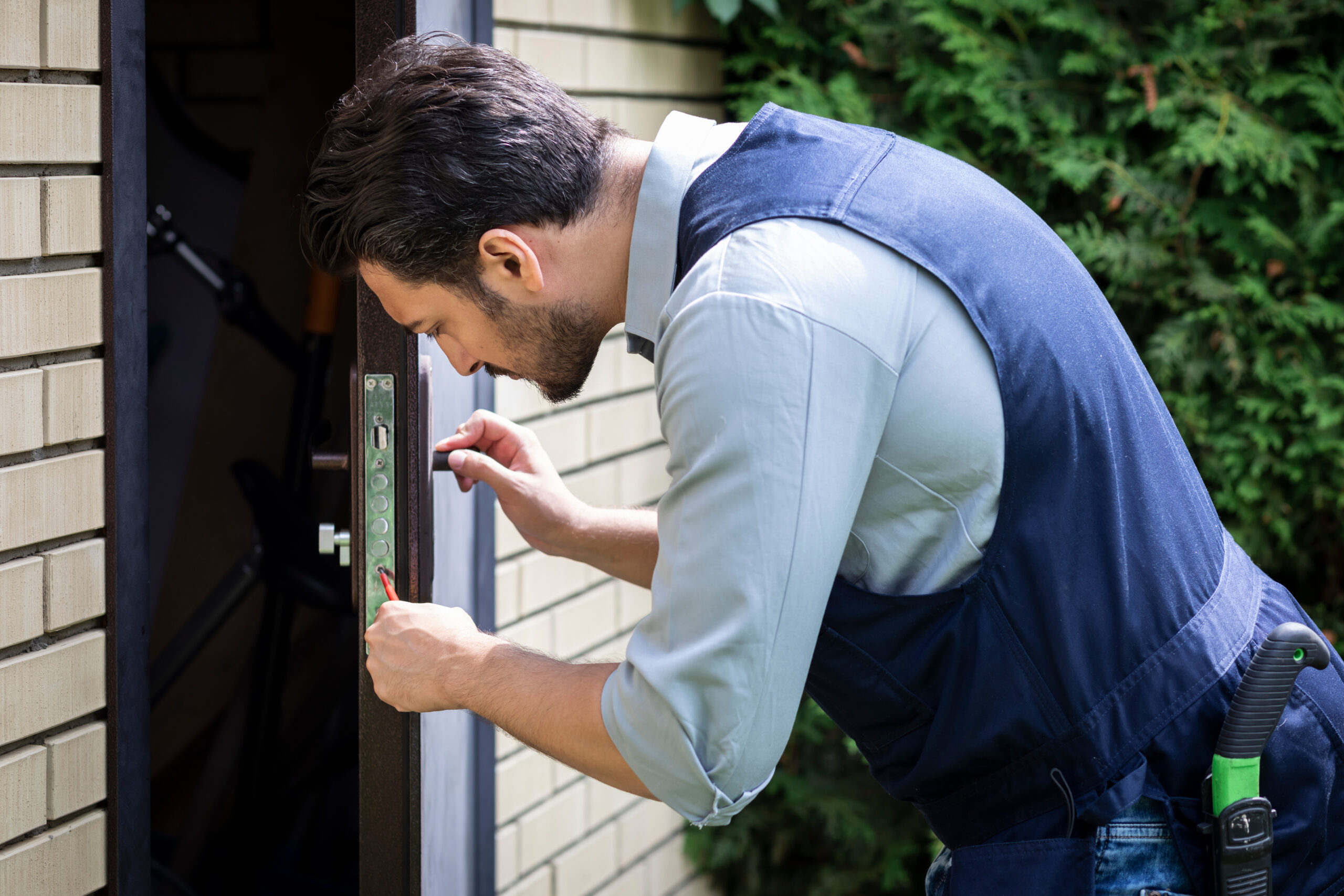
Rekey or Replace Locks: What Every Homeowner Needs to Know
Moving into a new home is exciting, and there is a lot to think about all at once. But one thing that tends to fall through the cracks — and honestly should not — is your door locks. Whether you just bought a place, went through a breakup, or had a contractor hold your keys for a few weeks, the question of whether to rekey or replace your locks is worth a real conversation. This is one of those home security decisions that sounds small but carries a lot of weight. So here is a clear breakdown of what each option actually means, how they differ, and what makes sense for your specific situation.
What Does It Mean to Rekey a Lock
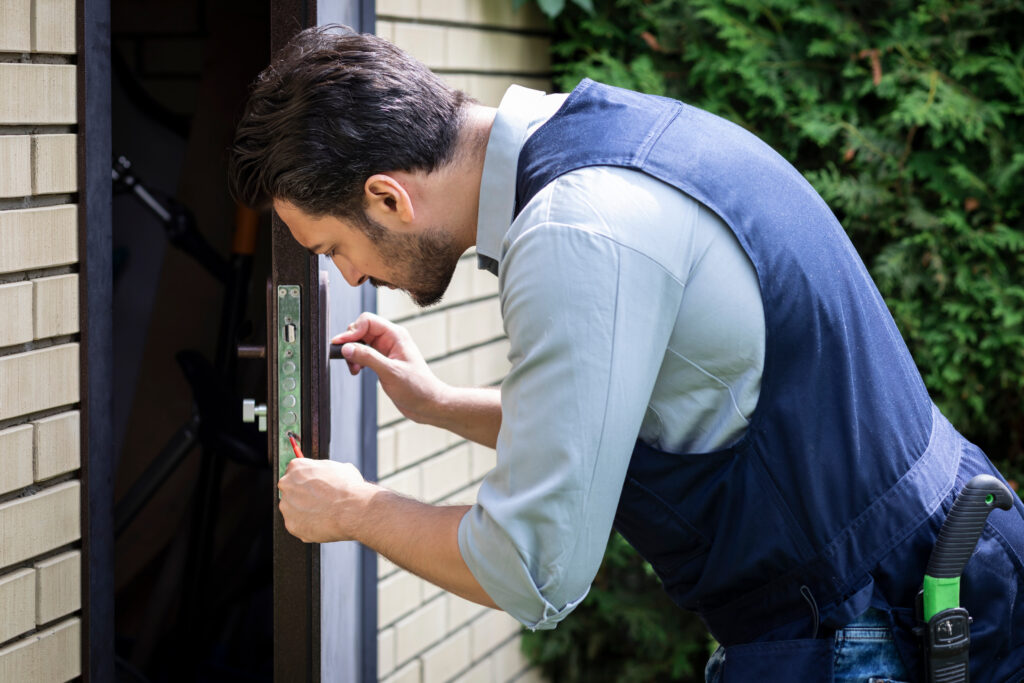
Rekeying a lock does not involve swapping out the hardware on your door. What it does involve is changing the internal mechanism — specifically, the pins inside the lock cylinder — so that the old key no longer works and a new one does. A locksmith removes the cylinder, rearranges the pin configuration, and hands you a fresh key. That is pretty much it. The lock on your door stays exactly where it is. Only the internal workings change. This is a particularly useful option when the existing locks are in good condition but you want to eliminate access for anyone who previously held a copy of the key. Think former tenants, previous owners, old roommates — you get the idea.
What Does It Mean to Replace a Lock
Replacing a lock is the more comprehensive option. This means removing the entire existing lock assembly and installing a completely new one. New hardware, new mechanism, new keys. This is the right path when the current lock is worn, outdated, damaged, or simply no longer meeting your security needs. Homeowners who want to upgrade to a smart lock, a deadbolt with higher security ratings, or a different style that matches new door hardware will almost always need a full replacement. It is a bigger job and a larger upfront investment, but it also gives you a completely fresh start with your home’s entry points.

The Key Advantages of Rekeying Your Locks
Rekeying tends to be the more affordable and faster solution for most homeowners. Here is where it really shines:
- Cost-effective: Rekeying typically costs significantly less than purchasing new lock hardware and paying for installation.
- Speed: A locksmith can rekey multiple locks in under an hour in most cases.
- Key consolidation: Many locksmiths can rekey all your locks to work on a single key, which is a nice convenience upgrade.
- No cosmetic disruption: Your existing hardware stays intact, which matters if you have doors with matching finishes or older hardware that is hard to replicate.
- Solid security reset: As long as the existing lock is in good working order, rekeying provides a legitimate security refresh without the extra cost.
The Key Advantages of Replacing Your Locks
There are situations where rekeying simply does not go far enough. Lock replacement gives you total control over your home’s security infrastructure and comes with benefits that rekeying cannot match. If your locks are old and showing wear, replacement means you are not gambling on hardware that could fail at an inconvenient time. You also get to choose a new product with better security ratings, more advanced features, or a design that fits modern aesthetics. Smart locks, keypad entry systems, and deadbolts with anti-pick or anti-drill features are all only accessible through a full replacement. For homeowners who want to future-proof their security, replacement is often the better long-term investment even when the upfront cost is higher.
Common Drawbacks to Be Aware Of
Neither option is without its limitations, and being honest about the tradeoffs will help you make the right call. Rekeying, while affordable, does nothing to address worn or failing hardware. If a lock is already difficult to turn or shows signs of internal wear, rekeying it is not going to fix any of that. You are working with the same mechanical foundation, just with different pins. On the replacement side, cost is the obvious hurdle. Quality lock hardware for exterior doors is not cheap, and if you have multiple entry points, the bill adds up quickly. Installation also takes more time, and if you are hiring a locksmith or handyman, labor costs increase accordingly. There is also the question of compatibility — new hardware may not always match existing door prep or strike plate placement perfectly.
When to Rekey Versus When to Replace
The decision usually comes down to a few clear factors. Rekeying makes sense when the existing lock hardware is in solid condition, the primary concern is eliminating old key access, and budget is a consideration. Moving into a previously owned home is one of the most common reasons to rekey. Lock replacement is the smarter move when the existing hardware is compromised, you want to upgrade to a higher-security or smart lock system, or the aesthetic no longer matches your door or home exterior. In some cases, homeowners do both — replacing the most critical entry lock while rekeying secondary doors to save money.
Practical Tips for Homeowners Navigating This Decision
A few things worth keeping in mind as you work through this choice:
- Always address locks immediately when moving into a previously owned or rented home. You have no way of knowing how many copies of the key exist.
- Check the grade rating on your existing locks. Grade 1 deadbolts offer the highest residential security and may be worth keeping if they are in good condition.
- If you are rekeying, ask the locksmith to key all exterior locks to the same key — it simplifies daily life considerably.
- If replacing, look for locks that are ANSI Grade 1 certified and pick-resistant for exterior doors.
- Consider smart locks for exterior doors if you frequently have service professionals, dog walkers, or guests who need temporary access.
How Home Warranties Factor Into Lock and Security Decisions
This is where things get interesting for homeowners who already have or are considering a home warranty. Traditional home warranty plans typically do not cover locks or rekeying services, since these are categorized as security measures rather than mechanical system failures. However, understanding what your plan does and does not cover is critical to budgeting appropriately for home maintenance overall. A solid home warranty covers the systems and appliances that keep your home running — HVAC, plumbing, electrical, kitchen appliances — so that when something major breaks down unexpectedly, you are not absorbing the full cost out of pocket. That financial protection frees up budget for other priorities, like investing in better door hardware or a full lock replacement when the time comes.
Why Armadillo Is the Right Partner for Whole-Home Protection
When you are thinking seriously about your home’s security and long-term maintenance costs, it pays to work with a warranty provider that actually makes coverage simple and transparent. Armadillo home warranty plans for homeowners who want reliable, no-nonsense coverage are built around exactly that philosophy — no confusing fine print, no runaround when something breaks. Whether you are budgeting for a lock upgrade or bracing for an HVAC repair, Armadillo helps you plan smarter. If you are ready to stop wondering what your next repair is going to cost you, get a free home warranty quote for your property today and see how straightforward real coverage can be. Home protection should work as hard as you do — Armadillo makes that happen.

Frequently Asked Questions About Rekeying and Replacing Locks
Is rekeying a lock as secure as replacing it?
Yes, rekeying provides a legitimate security reset as long as the existing lock hardware is in good working condition. The internal pin configuration changes completely, rendering all previous keys useless. If the hardware itself is compromised or low-grade, replacement becomes the more secure choice.
How much does it cost to rekey a lock?
Rekeying a single lock typically costs between $15 and $40 for the service itself, not including a locksmith’s service call fee, which can range from $50 to $100. Rekeying multiple locks in one visit is usually more cost-effective per lock.
How much does it cost to replace a lock?
Lock replacement costs vary depending on the hardware chosen and labor involved. Basic deadbolt replacement may run $100 to $200 installed, while high-security or smart lock installations can range from $200 to $500 or more depending on the product and complexity.
Can I rekey a lock myself without a locksmith?
Rekeying kits are available for purchase and can work for confident DIYers, but the process requires removing the cylinder and manipulating small internal components. Mistakes can damage the lock. For most homeowners, hiring a licensed locksmith is the more reliable and efficient option.
Should I rekey my locks when I move into a new home?
Yes, absolutely. There is no way to know how many copies of the previous keys exist or who holds them. Rekeying all exterior locks immediately upon moving in is a basic and affordable security measure every new homeowner should take.
Do home warranties cover rekeying or lock replacement?
Standard home warranty plans do not typically cover lock rekeying or replacement, as these fall under security services rather than mechanical system failures. Home warranties generally cover systems like HVAC, plumbing, and electrical, as well as major appliances.
How long does it take to rekey a lock?
A professional locksmith can rekey a standard lock in as little as 10 to 15 minutes. Rekeying multiple locks in a single visit typically takes under an hour, making it a quick and minimally disruptive process.
What is the difference between a master key and rekeying?
Rekeying changes the lock so only a new key works. A master key system is a configuration where one key can open multiple locks that also have their own individual keys. These are different services, and not all locksmiths offer master key systems for residential properties.
When should I replace a lock instead of rekeying it?
Replace your lock when the existing hardware is worn, damaged, or rated below security standards, when you want to upgrade to a smart or high-security lock, or when the lock style no longer matches your door hardware. Rekeying is not a fix for failing or inferior hardware.
Can all lock types be rekeyed?
Most standard pin tumbler locks, which are the most common residential lock type, can be rekeyed. Some specialty locks, smart locks, or older lock styles may not be rekeyable or may require brand-specific kits. A locksmith can assess your specific hardware and advise accordingly.