
How to Remove Smoke Odors from a House: A Homeowner’s Guide to Clean Indoor Air
When smoke infiltrates a home—whether from a cooking mishap, a fireplace, or a more serious event like a fire—it leaves behind more than just a scent. It clings to fabrics, seeps into walls, and lingers in HVAC systems. Removing smoke odor from a home isn’t just about making it smell pleasant again; it’s a vital step in protecting indoor air quality, a core component of home wellness. For homeowners, understanding how to effectively remove smoke odors is essential—not only to restore comfort but also to maintain the integrity of home systems and appliances. This guide offers a grounded, comprehensive approach rooted in homeowner education, with insights particularly relevant to those considering or maintaining a home warranty.
Understanding the Source of Smoke Odor
Smoke odor doesn’t exist in a vacuum—it’s caused by microscopic particles and chemical compounds that cling to walls, ceilings, fabrics, and even home systems. When smoke is generated, it produces volatile organic compounds (VOCs) and carbon-based residue. These elements embed themselves in porous materials such as drywall, carpets, upholstery, and ductwork. Depending on the source—whether wood, tobacco, or synthetic materials—smoke residue can vary in intensity and chemical makeup, and some residues are more stubborn than others. The most challenging part is that you may not always visually detect where the odors are lingering, but your HVAC system will certainly distribute them throughout the house if untreated.
How Smoke Interacts with Major Home Systems
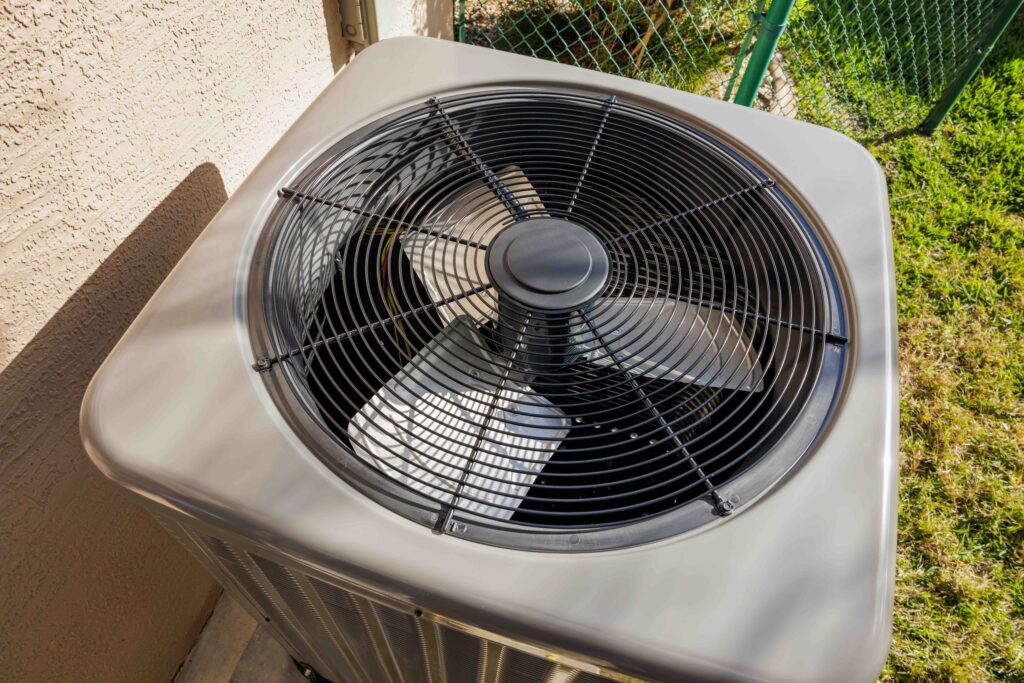
One of the most overlooked areas smoke infiltrates is the central HVAC system. When smoke particles enter the ductwork and air filters, they circulate repeatedly, reintroducing odors into the air long after the source is gone. Air handlers, filters, and even insulation around ducting can absorb these particles. Additionally, volatile compounds in smoke can interact with mechanical and electronic components, potentially accelerating wear in systems over time. If your home warranty covers HVAC systems, it’s worth reviewing whether smoke-related issues could lead to denied claims if routine maintenance or odor remediation wasn’t performed. Understanding this interaction helps position homeowners to make informed decisions—not just about removing odor but also about protecting the longevity of their home systems.
Effective DIY Methods to Eliminate Smoke Odors
The first actionable step is to properly ventilate the space—open windows, doors, and use fans to increase air circulation. But ventilation alone is rarely sufficient. Next, replace all HVAC air filters and consider having ductwork professionally cleaned. For odor removal on surfaces, baking soda, vinegar, and active charcoal are natural materials that help neutralize smells. For example, vinegar in open bowls absorbs smell particles over time, while baking soda sprinkled on carpets can be vacuumed up after absorbing embedded odors. Steam cleaning is particularly effective for upholstery and rugs. These DIY methods can make a significant difference, though they may fall short when dealing with pervasive, old, or extreme smoke conditions—especially if the HVAC system has already been affected.
Professional Solutions for Smoke Odor Removal
When standard cleaning isn’t enough, restoration professionals utilize advanced techniques like ozone treatment, thermal fogging, and hydroxyl generators. These specialized methods target and neutralize smoke particles on a molecular level. Ozone treatment floods a space with ozone gas that chemically reacts with smoke molecules to neutralize odor. It’s highly effective but requires proper handling and vacating the home during treatment. Thermal fogging recreates the behavior of smoke using a deodorizing fog, which penetrates the same materials as original smoke to neutralize odor roots. Hydroxyl generators are safer for occupied homes and use UV light and moisture in the air to break down odor-causing molecules. These services do come with a cost, but depending on the depth of the smoke intrusion, this investment may protect home systems and potentially minimize future warranty claim complications.
Preventing Smoke Odor in the Future
Prevention is equally as important as remediation. Regular cleaning, prompt attention to minor smoke events, and smoke alarms in every zone of the home are the foundation. For homes with fireplaces or wood-burning stoves, ensuring chimney flues are cleaned annually reduces both smoke risk and long-term system damage. If smoking occurs indoors, using designated air purifiers and smoking near windows can help mitigate buildup. Importantly, schedule routine maintenance on HVAC systems to keep them filtering properly and not spreading odors already present. Prevention not only improves indoor air quality but also supports the long-term life of appliances and home systems, reducing the likelihood of facing complex warranty scenarios later on.
Smoke Odor and Its Role in Home Warranty Coverage
From a home warranty perspective, persistent smoke odor can have implications beyond discomfort. Odor presence can flag underlying damage to systems like HVAC, coil corrosion, or filtration issues that go unchecked. If damage from smoke wasn’t addressed promptly, it may fall outside coverage parameters due to preventable maintenance clauses in the contract. That’s why many providers will look closely at service records and inspection history. Proactively removing smoke and servicing affected systems early isn’t just better for air quality, it’s part of smart ownership. Knowing this helps homeowners make confident choices about when to self-treat and when to call in professionals. The link between indoor air quality and home systems is more deeply intertwined than many realize—rethinking how we approach smoke odor is a good first step.
Simple Improvements That Enhance Long-Term Air Quality
After removing smoke, homeowners should consider permanent improvements that maintain and even enhance air quality going forward. Start with high-efficiency particulate air (HEPA) filters in HVAC systems. These advanced filters trap smoke particles more effectively than standard filters. Air purifiers with activated carbon or ionizing technology add another layer of protection for specific rooms or zones. If circumstances allow, upgrading insulation or replacing carpet with hard surfaces removes long-term odor-holding materials from the home entirely. Finally, routine HVAC cleaning and filter changes—not just in seasons of heavy use—ensures your system isn’t harboring old odors or circulating forgotten particles. These simple but effective steps represent good home stewardship—and make your house more comfortable, efficient, and warranty-ready.
Why Armadillo Helps You Breathe Easier
Removing smoke odor from your home does more than improve how your home smells—it protects the air your family breathes, the systems that keep your home running, and the appliances you rely on every day. Armadillo understands the connection between clean air and strong home systems. With a modern home warranty tailored to real homeowner needs, Armadillo helps protect your investment with smart, responsive coverage. Homeownership comes with unexpected challenges—odor issues included—and Armadillo is built to help you handle those calmly and efficiently. Discover today how Armadillo can help protect your systems, your appliances, and your peace of mind by visiting our homepage at www.armadillo.one, or get started with a personalized plan at our plan builder.