What Is a Repair Gasket and Why Does It Matter in Your Home?
If you have ever dealt with a leaking pipe, a dripping appliance connection, or a faucet that just would not stop seeping no matter how many times you tightened it, there is a good chance a repair gasket was either missing, worn out, or simply the wrong fit. Repair gaskets are one of those components most homeowners never think about until something goes wrong. They are small, they are inexpensive, and yet the work they do quietly behind the scenes is genuinely significant. Understanding what a repair gasket is, how it functions, and when it needs attention can save you from water damage, inflated utility bills, and frustrating service calls.
The Basic Definition: What Exactly Is a Repair Gasket?
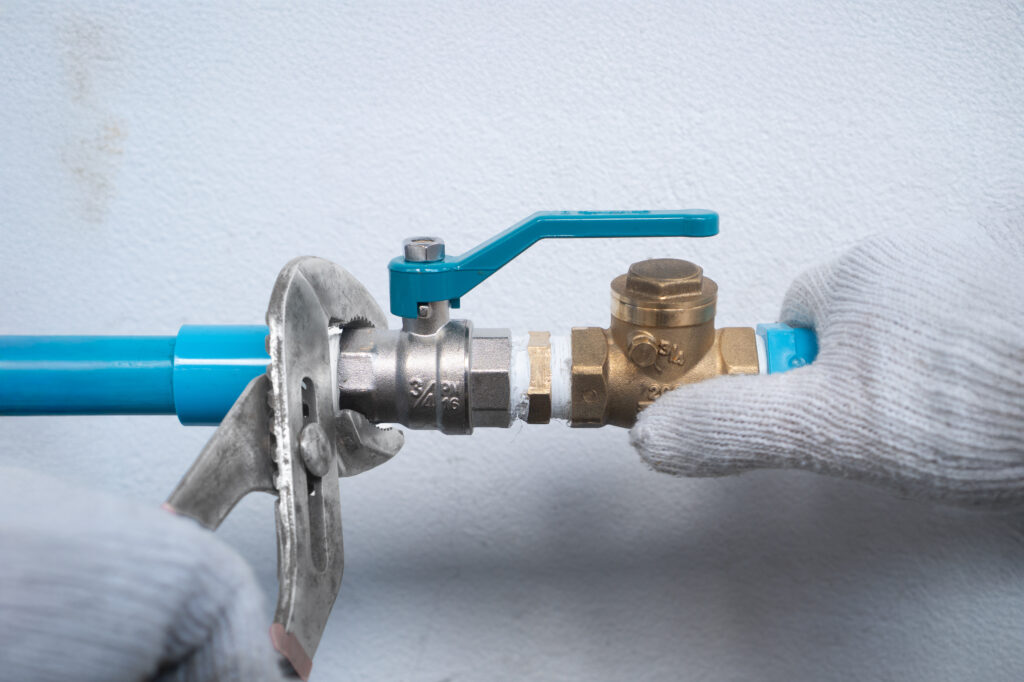
A repair gasket is a mechanical seal used to fill the space between two mating surfaces, preventing leaks of liquids or gases under compression. Think of it as a very precise buffer. When two components are bolted or threaded together, there are almost always microscopic gaps between them. A gasket fills those gaps and creates a reliable, pressure-resistant seal. In the residential context, repair gaskets appear in plumbing systems, HVAC equipment, water heaters, dishwashers, washing machines, refrigerators, and even certain gas appliances. They are typically made from rubber, silicone, cork, neoprene, or composite materials depending on the application and the medium being sealed.
How a Repair Gasket Works Inside Your Home Systems
The function is straightforward once you visualize it. Two surfaces meet. A gasket sits between them. When fasteners compress the joint, the gasket deforms slightly to conform to both surfaces, closing off any pathway for fluid or gas to escape. The material choice matters enormously here. A rubber gasket works well for cold water supply lines because it stays pliable and maintains compression over time. Silicone gaskets handle high heat better, which is why you find them in dishwashers and near heating elements. Neoprene gaskets resist oils and certain chemicals, making them appropriate for some HVAC and mechanical applications. When a gasket fails, it is usually because the material has hardened, cracked, or been compressed beyond recovery, and that is when leaks begin.

Where Repair Gaskets Show Up in Common Home Appliances and Systems
You interact with gaskets more than you realize. Here is where they tend to live in a typical home:
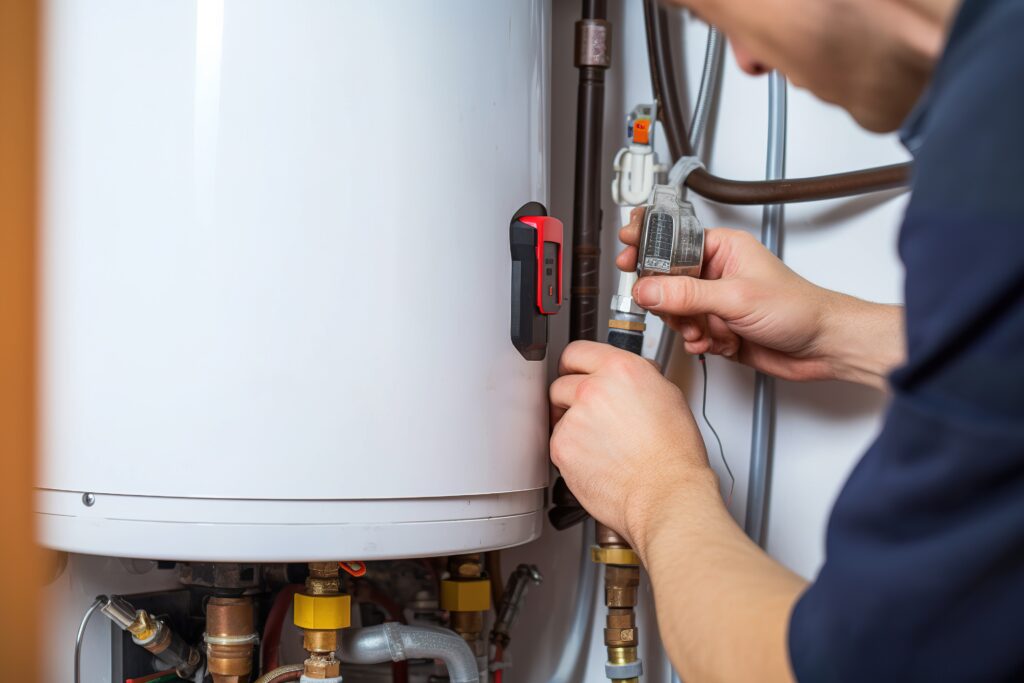
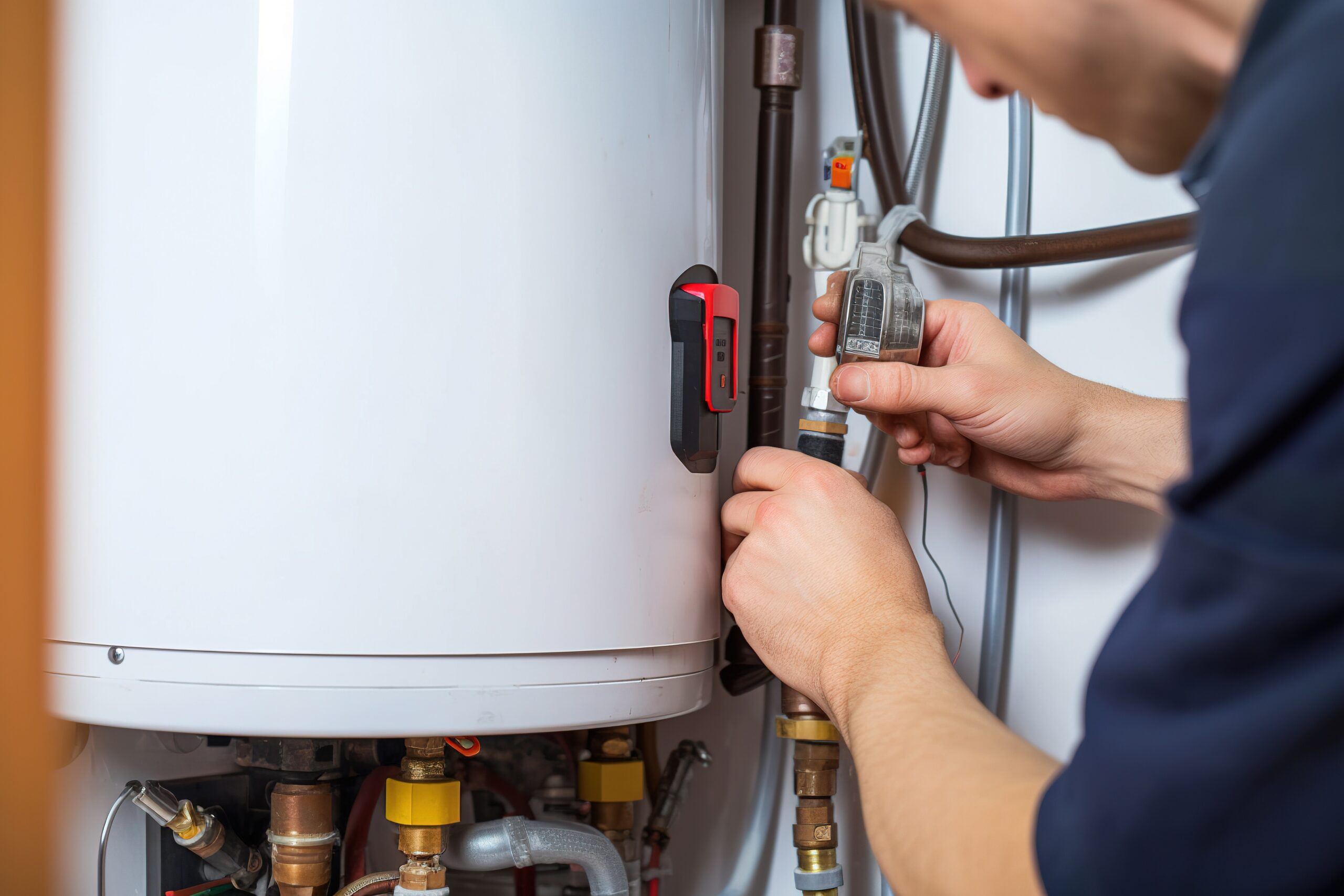
- Water heater inlet and outlet connections, where supply lines meet the tank
- Dishwasher door seals and pump housing connections
- Washing machine water supply hose fittings
- Refrigerator water line connections for ice makers and dispensers
- Faucet and valve bodies beneath sinks and behind toilets
- HVAC ductwork flanges and air handler access panels
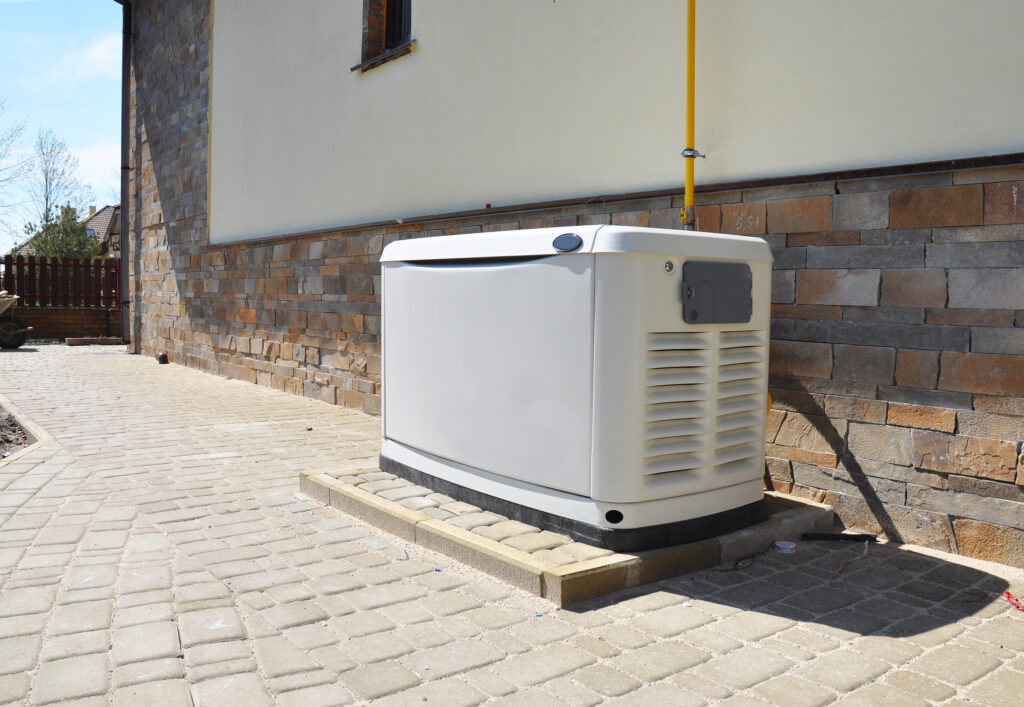
- Gas appliance connections, including furnaces and ranges
Each of these locations has a specific gasket type sized and rated for the job. A gasket designed for a cold water supply line is not interchangeable with one rated for a gas connection, and using the wrong material is genuinely dangerous. Always match the replacement gasket to the manufacturer specification or consult a licensed technician when in doubt.
The Advantages of Properly Functioning Repair Gaskets
When gaskets are doing their job correctly, the benefits are felt in ways that are easy to overlook because everything simply works. Plumbing connections stay dry. Appliances operate at rated efficiency because no water or air is escaping where it should not be. Utility costs stay in check because leaking hot water connections mean your water heater works harder. There is also a significant safety dimension, particularly in gas-fired appliances. A properly seated gasket on a furnace or range connection ensures combustion gases travel where they are designed to go and do not seep into living spaces. From a maintenance perspective, gaskets that are inspected and replaced proactively extend the operational life of the appliances and systems they serve, reducing the frequency and cost of larger repairs.
Common Drawbacks and Failure Points to Watch For
Gaskets are not permanent. Every material has a service life, and several factors accelerate deterioration. High heat cycles degrade rubber and cork faster than low-temperature environments. Chlorinated municipal water slowly breaks down certain elastomers over years of contact. Overtightening a connection is one of the most common causes of premature gasket failure because excess compression destroys the material’s ability to spring back and maintain the seal. On the other end, undertightening means the gasket never achieves full contact and leaks from day one. Age alone is a factor. In a home that is ten or fifteen years old, the original gaskets in water supply connections may have never been replaced, and they are well past the point of reliable service. Checking these periodically during routine maintenance is a habit that pays off.
How to Tell When a Repair Gasket Needs Replacing
The signs are usually visible if you know what to look for. Mineral deposits or white calcium buildup around a pipe fitting indicate water has been escaping through a failing seal. Wet spots, soft staining, or efflorescence on walls near plumbing suggest a slow leak behind the surface. Appliances that show signs of moisture around their connection points, such as a water heater with a damp mineral ring at the inlet nipple or a dishwasher with dried water stains around the door seal, are telling you something. A periodic visual inspection of all accessible water connections, at least once or twice a year, can catch these early. Early detection of a failing gasket is a ten-minute fix. Ignoring it until it becomes a leak behind drywall is a much more expensive conversation.
DIY Replacement Versus Calling a Professional
For straightforward applications like a garden hose fitting, a toilet supply line, or a washing machine hose connection, replacing a gasket is genuinely accessible for most homeowners. The supply line gets shut off, the fitting unscrewed, the old gasket pulled out, a new one seated properly, and the connection reassembled. It costs a couple of dollars and takes about ten minutes. However, gas appliance connections, high-pressure water heater fittings, and anything inside a sealed mechanical system should be handled by a licensed professional. The risk of improper reassembly in those contexts is real, and the consequences, whether a gas leak or a catastrophic water failure, are not worth the savings. Know the boundaries of the task before you begin, and do not hesitate to call a qualified technician when the application warrants it.
Why a Home Warranty Plan Is Worth Considering for Appliance and System Protection
Here is the reality of homeownership: gaskets fail, appliances age, and systems break down at the least convenient moments. A single appliance repair can cost several hundred dollars. A water heater replacement runs well into the thousands. That is where a home warranty plan shifts from an optional extra to a genuinely smart layer of financial protection. Armadillo home warranty plans for appliance and plumbing system coverage are built specifically for homeowners who want predictable costs and reliable service when things go wrong. Whether the issue starts with a failing gasket in your dishwasher or turns into a full appliance replacement, coverage means you are not absorbing that expense alone. If you are ready to stop guessing what a repair might cost you this year, get a free home warranty quote and protect your home’s systems and appliances today. Armadillo makes the process straightforward, the coverage honest, and the experience far less stressful than going it alone.

Frequently Asked Questions About Repair Gaskets in the Home
These are some of the most common questions homeowners have when it comes to understanding, maintaining, and replacing repair gaskets across household systems and appliances.
What is the difference between a gasket and an O-ring?
A gasket is typically a flat seal placed between two mating surfaces, while an O-ring is a circular, loop-shaped seal designed to fit into a groove and compress radially. Both prevent leaks, but they are used in different mechanical configurations and are not interchangeable.
How often should repair gaskets be replaced in a home?
There is no universal schedule, but a good practice is to inspect accessible water connections every one to two years and replace gaskets that show cracking, hardening, or deformation. High-heat or high-pressure applications may require more frequent checks.
Can a bad gasket cause water damage in a home?
Yes. A failing gasket allows water to escape under pressure. Even a slow drip over time can saturate surrounding materials, cause mold growth, and result in structural damage to walls, floors, and cabinetry.
Are all gasket materials safe for use with drinking water?
Not all materials are rated for potable water contact. Look for NSF 61 certified gaskets when working with drinking water supply lines to ensure the material does not leach harmful compounds into your water supply.
Is it safe to replace a gasket on a gas appliance myself?
Gas appliance connections should be serviced by a licensed technician. An improperly sealed gas connection creates a risk of gas leakage, which is a serious safety hazard. Do not attempt this repair without professional guidance.
What causes a gasket to fail prematurely?
Overtightening, exposure to incompatible chemicals, prolonged high heat cycles, age-related material degradation, and using the wrong gasket material for the application are the most common causes of early failure.
How do I know what size gasket to buy for a replacement?
Remove the old gasket and measure the inner diameter, outer diameter, and thickness. Match these measurements to the replacement part. When possible, bring the old gasket to the hardware store or reference the appliance manufacturer’s specifications.
Can a home warranty plan cover damage caused by a failed gasket?
Coverage depends on the specific plan terms. Many home warranty plans cover mechanical failures of covered appliances and systems, which may include repairs necessitated by internal seal or gasket failures. Always review your coverage details carefully.
Does a leaking gasket always show visible water?
Not immediately. A micro-leak may only produce mineral deposits or faint staining at first. By the time visible pooling occurs, the gasket has often been failing for some time. Periodic visual inspections help catch issues before they escalate.
Are silicone gaskets better than rubber gaskets for home use?
Silicone gaskets offer superior heat resistance and a longer service life in high-temperature applications, such as dishwashers or near water heaters. Rubber gaskets are well suited for standard cold and warm water supply connections. The best material depends entirely on the specific application and environment.