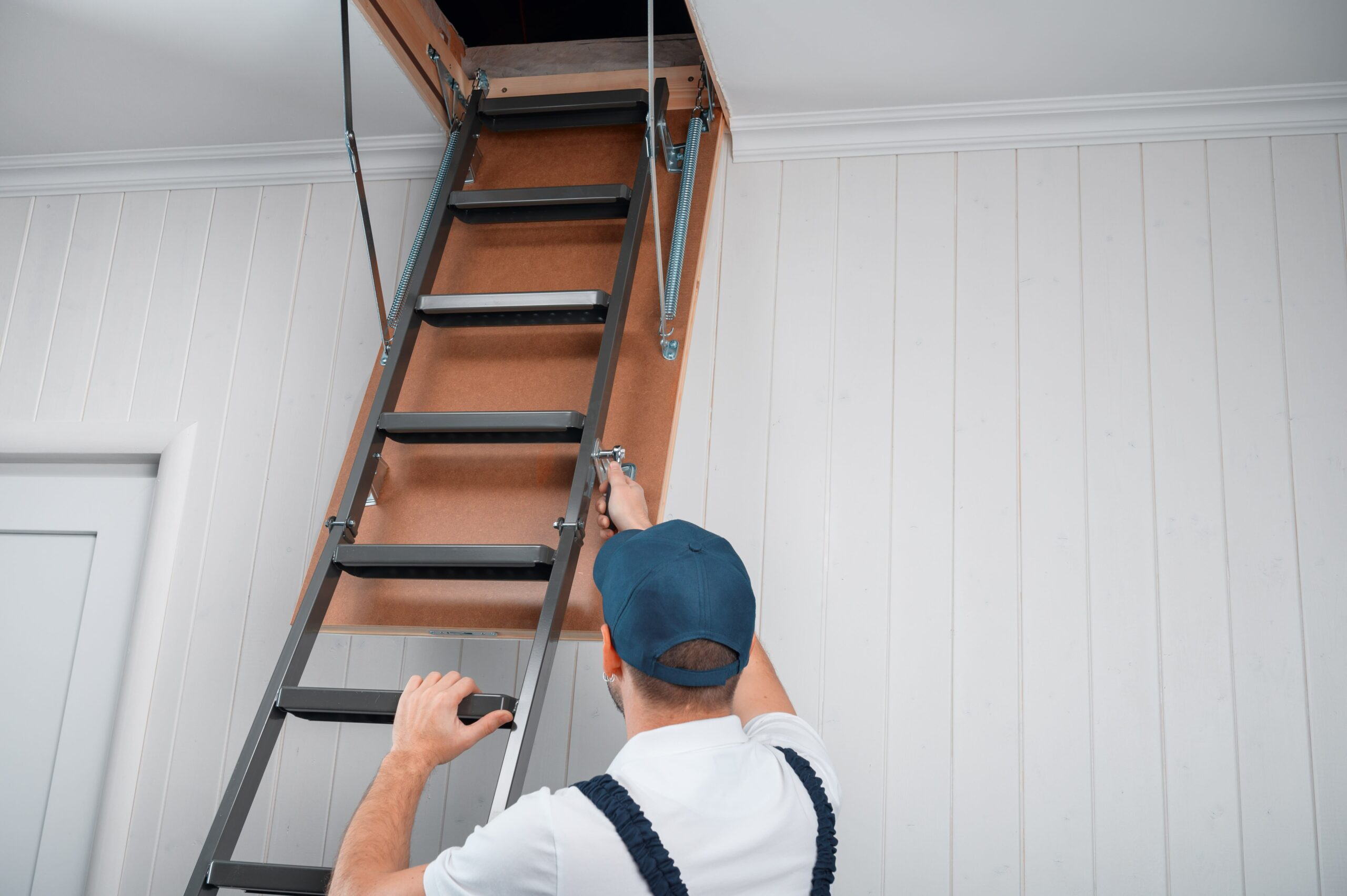
How to Replace Attic Ladder Hinge Arms and What Homeowners Should Know
Attic access ladders are one of those quietly indispensable elements in a home—used occasionally but relied upon heavily when it matters. Over time, components like the hinge arms that allow the ladder to fold and unfold smoothly can wear down due to repeated use, changing temperatures, or even subtle alignment issues. If your attic ladder has stiff movement, pops under pressure, or shows visible bending in the hinge arms, it’s time for a replacement. And if you’re like many homeowners, the logical question follows: Is this something I can handle myself? Will this kind of repair be covered under a home warranty plan? The short answer—maybe. But the long answer is worth digging into because, as it turns out, this small issue has a big impact on convenience, safety, and long-term property condition.
Understanding the Attic Ladder System
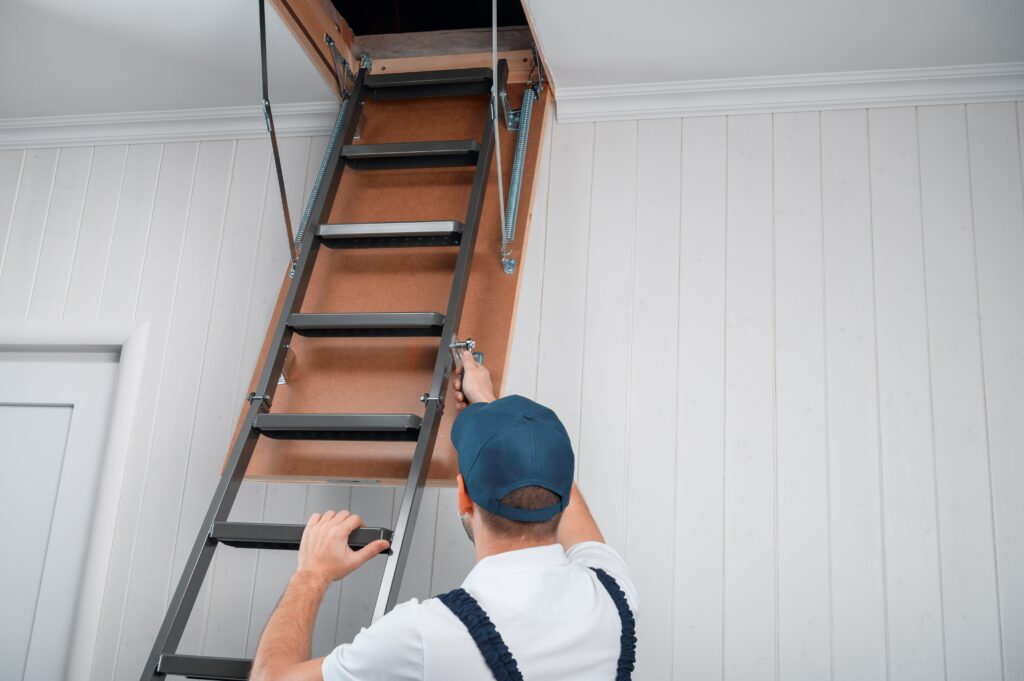
An attic ladder, also known as a pull-down ladder or attic stairway, is typically used to access storage or mechanical systems located in the attic space of a home. These foldable units are installed into the ceiling, allowing the homeowner to extend the ladder downward when needed. They’re generally made of wood or aluminum, both favored for their light weight and strength. But the critical functionality lies in the hinge arms. These arms manage the ladder’s controlled movement and maintain its structural safety while in use. The hinge arms are spring-loaded and link the folding sections of the ladder, helping to bear the load and guide the ladder into its stowed or extended position.
What Causes Hinge Arms to Fail?
Like most mechanical parts integral to your home’s infrastructure, attic ladder hinge arms wear out gradually. The most common causes of hinge arm deterioration are metal fatigue, improper use, or manufacturing flaws. Overloading the ladder or using it too quickly can strain the joints. Seasonal shifts in attic temperature or humidity may also erode the metal over time. In other cases, original installation misalignments may accelerate the wear on one side of the hinge, causing uneven movement or loud creaking. Hinge damage tends to be progressive, starting with subtle issues—a wobble when opening, difficulty folding, slight resistance in the spring—and eventually becoming a situation that demands immediate attention to avoid a collapse.
Why Replacing Hinge Arms is Essential
Failing to replace worn-out hinge arms is more than inconvenient—it can pose a serious safety hazard. A malfunctioning attic ladder may collapse under weight, cause pinched fingers, or fall unexpectedly during use. Homeowners with older homes should be particularly alert. Many attic ladders installed a decade or more ago used simpler mechanical designs and are likely beyond their intended lifecycle. Replacing a hinge arm restores not only the ladder’s function but also your home’s safety standards—especially if anyone in the household uses the attic for storage or utility maintenance. It’s a foundational repair with implications for long-term home safety and value.
The Replacement Process: What to Expect
Replacing attic ladder hinge arms may sound intricate, but it’s a fairly linear project. However, it does require precision and a fundamental understanding of how weight-bearing joints operate. Most hinge arms are secured with a combination of bolts and tension springs. Homeowners taking the DIY route should first consult their attic ladder brand’s specifications, as designs and dimensions can vary. The ladder must be supported and stabilized during work, as removal of the hinge arm without proper bracing can result in collapse or injury. Once the damaged hinge is removed, the new arm installs using existing mounting points, typically with new fasteners included in the replacement kit. It’s a job that might take a couple of hours but demands steady attention and an extra set of hands. If DIY isn’t your preference, this is squarely in the domain of a qualified handyman or carpenter. Either route, the ladder’s frame, springs, and alignment should be thoroughly inspected before closing the job.
Advantages of Addressing Hinge Arm Issues Quickly
There are real payoffs to replacing hinge arms early. First, of course, is safety. A properly functioning attic ladder ensures stable footing, smooth deployment, and predictable folding—all non-negotiables for occasional users and those who store items in the attic regularly. Second, early intervention prevents cascading damage. A warped hinge can overstress adjacent structural elements, including the ladder’s steps, frame, and ceiling mount. Third, and not to be overlooked, is the psychological return of knowing one more piece of the home’s infrastructure has been responsibly maintained. Preventative repairs like this often cost less than full replacements and add another tick to your home’s resale-readiness checklist.
Common Drawbacks to Watch For
As with many home maintenance projects, hinge arm replacement is not without pitfalls. First, the availability of parts can be a barrier—particularly for older ladder models, many of which are no longer in production. Second, improper alignment during installation can render the ladder unusable or unstable, creating the very hazard the repair was meant to eliminate. Third, DIY efforts often overlook tension spring positioning, leading to prematurely worn arms or inconsistent folding. And then there’s the question of coverage. While a quality homeowner’s insurance policy supports issues stemming from accidents or major damage, routine wear and tear—like that of failing hinge arms—isn’t typically covered. This is precisely the sort of gray zone where a home warranty plan can be beneficial.
Attic Ladders and the Home Warranty Equation
Many homeowners wonder if their attic ladder, or any of its individual parts, falls under coverage by a home warranty provider. The answer varies. While attic ladders themselves are not commonly listed as major systems or appliances in standard plans, associated mechanical components—especially if tied to attic utility access—might be eligible for related coverage. For instance, if your attic ladder leads to an HVAC system or if ladder access is critical for reaching covered electrical or plumbing elements, a malfunctioning hinge arm could indirectly disrupt access to a covered component. In that case, accessing the component could be protected, even if the ladder itself isn’t. A modern home warranty provider like Armadillo can help clarify what’s covered, outline upgrade options, and provide fast service options—all scenarios where traditional homeowners insurance falls short.
Why Armadillo is a Smart Choice for Confident Homeowners
Your home deserves a protection plan that keeps pace with its evolving needs. Whether you’re managing a major remodel or simply making practical upgrades—like replacing attic ladder hinge arms—a home warranty with flexible coverage matters. Armadillo offers customizable plans that consider the real-world systems homeowners rely on every day, even the under-the-radar ones like attic access ladders that affect larger home functions. With easy-to-navigate tools, no-pressure support, and lightning-fast service response, Armadillo makes it easier to protect your home’s quiet but essential mechanical elements. Explore more at armadillo.one or begin building your personalized home protection plan at our plan builder tool. Because sometimes, the smallest repair leads to the biggest peace of mind.