What Is a Roofing Leak and Why Should Every Homeowner Pay Attention
A roofing leak is exactly what it sounds like — water finding its way through your roof and into your home when it has absolutely no business being there. But the mechanics behind it are a little more nuanced than a simple hole in the shingles. Roofing leaks develop when the protective layers of your roof — shingles, underlayment, flashing, and sealants — break down, shift, or fail to work together the way they should. Water is opportunistic. It will find the smallest gap, the tiniest crack, the slightly lifted shingle edge, and it will work its way in slowly, quietly, and often without any obvious sign until the damage is already done. That is what makes roof leaks one of the most misunderstood and underestimated problems a homeowner can face.
How a Roof Actually Works to Keep Water Out
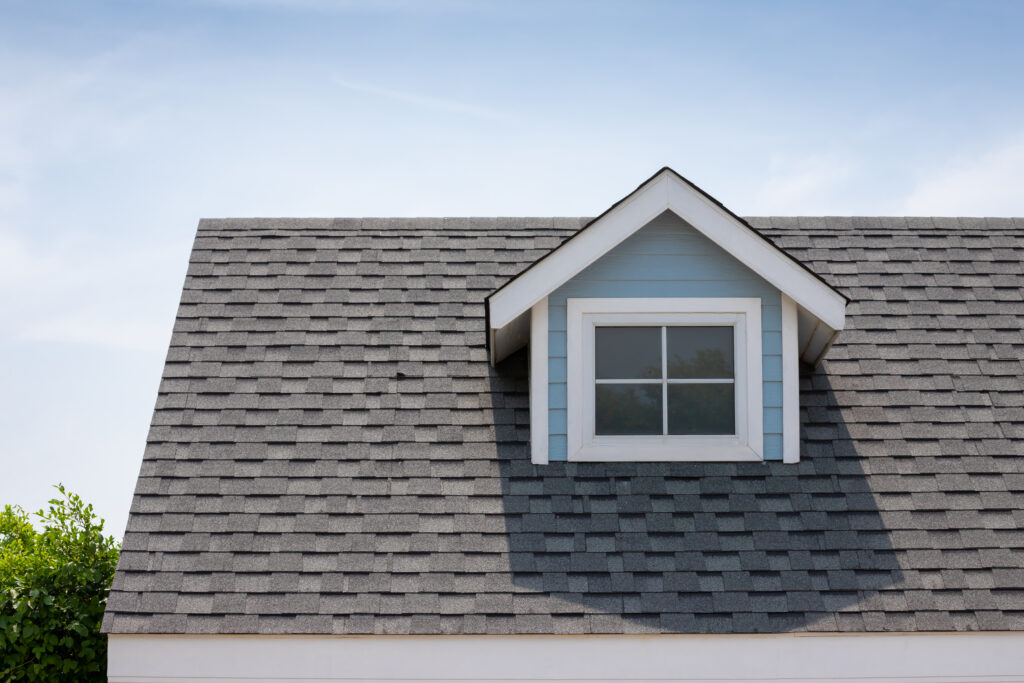
Most people think of a roof as just shingles. That is understandable — shingles are what you see. But your roof is actually a layered system working in coordination. Starting from the top, you have the outer layer of shingles or roofing material, which deflects the majority of rain and debris. Beneath that sits the underlayment, a water-resistant barrier that acts as a secondary line of defense. Below that is the roof deck, typically made of plywood or oriented strand board. Then there is the flashing — metal strips installed around chimneys, vents, skylights, and roof edges to redirect water away from vulnerable seams. When all of these components are intact and properly installed, water moves predictably down and off your roof. When any single element is compromised, the entire system is vulnerable.
The Most Common Causes of Roofing Leaks
Understanding what causes roof leaks puts you in a much better position to catch them early. Here are the most frequently reported culprits:
- Damaged, curled, or missing shingles caused by age, wind, or hail impact
- Failed or improperly installed flashing around chimneys, skylights, and vents
- Clogged gutters that allow water to back up under the roofline
- Ice dams forming along the eaves in colder climates, forcing water underneath shingles
- Deteriorated pipe boot seals around plumbing vents
- Cracked or aging skylights with failing gaskets or improper sealing
- Poor attic ventilation leading to condensation buildup that mimics a leak from inside
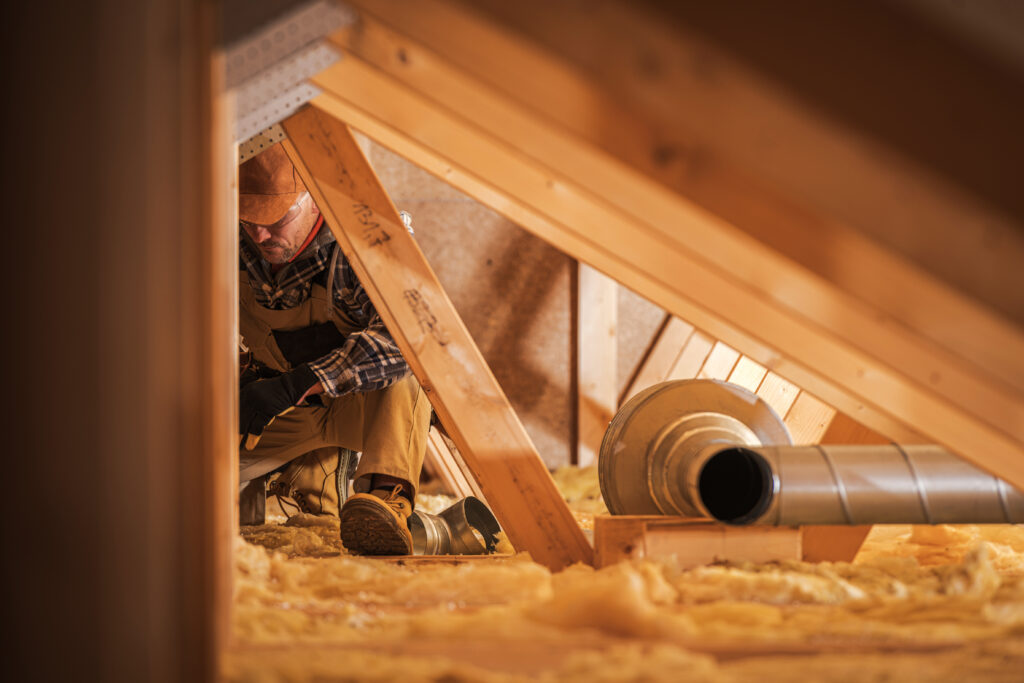
The tricky part is that some of these causes look like completely different problems once water starts showing up inside. A stain on your ceiling is often not directly below the actual point of entry. Water travels along rafters, insulation, and beams before it finally drips somewhere visible, which is why pinpointing the source of a roof leak requires patience and a methodical approach.
Signs You May Have a Roofing Leak Right Now
Roof leaks rarely announce themselves loudly. More often, they whisper. Water stains on ceilings or walls — particularly those yellowish-brown rings that seem to grow over time — are among the most common early indicators. Bubbling or peeling paint on interior walls or ceilings can also suggest moisture intrusion. In the attic, look for dark spots on the wood, damp insulation, or any daylight visible through the roof boards. Outside, granule loss in gutters, sagging roof sections, or visibly displaced shingles are red flags worth investigating immediately. A musty smell in upper rooms or the attic, even without visible staining, often means moisture has been present long enough to begin encouraging mold growth. At that point, the repair scope grows considerably.

The Real Cost of Ignoring a Roof Leak
This is where the conversation gets serious. A minor roof leak left unaddressed does not stay minor for long. Water damage compounds quickly. What begins as a small stain can escalate into rotted roof decking, damaged ceiling joists, ruined insulation, and widespread mold growth — all within a single wet season. According to industry estimates, roof-related water damage consistently ranks among the most expensive home repair categories, with costs that can range from a few hundred dollars for a minor patch to tens of thousands of dollars for full roof replacement combined with structural remediation. There is also the secondary damage to consider: ruined drywall, damaged personal property, electrical hazards from water near wiring, and potential health implications from prolonged mold exposure. Addressing a leak early is not just smart — it is significantly more affordable.
Key Advantages of Proactive Roof Maintenance
Staying ahead of roofing issues rather than reacting to them carries a long list of tangible benefits. A well-maintained roof extends the overall lifespan of the roofing system, which for asphalt shingles averages between 20 and 30 years under proper care. Regular inspections — ideally twice a year in spring and fall, and after any significant storm event — allow you to catch minor issues before they escalate. Keeping gutters clean and free of debris prevents the water backup that causes so many preventable leaks. Ensuring proper attic ventilation reduces heat and moisture buildup that accelerates shingle degradation from the inside out. These proactive steps are relatively low cost and can defer major roofing expenses by years. Think of it as paying a little attention now to avoid paying a lot of money later.
Common Drawbacks and Limitations Homeowners Face
Roof maintenance sounds straightforward in theory, but in practice there are real barriers that homeowners encounter. Roof inspections can be dangerous for untrained individuals, and many homeowners are rightfully hesitant to climb up and evaluate conditions themselves. Professional roofing inspections cost money and are not always covered by standard homeowner’s insurance unless damage is present. Insurance policies are also frequently misunderstood in this context — most standard homeowner’s insurance covers sudden and accidental damage, such as a storm tearing off shingles, but it generally does not cover gradual deterioration, poor maintenance, or wear and tear over time. That distinction leaves a significant financial gap for many homeowners who assume they are covered when they are not. This is precisely where additional protection products become relevant to the conversation.
What Home Warranties Do and Do Not Cover for Roofing
Home warranties and homeowner’s insurance serve different but complementary purposes. A standard home warranty plan typically focuses on the mechanical systems and appliances inside your home — HVAC, plumbing, electrical, kitchen appliances, and so forth. Roof leak coverage, when offered, is often available as an add-on or specialty component rather than a standard inclusion. It is important to read the terms carefully. Coverage for roof leaks under a home warranty context generally applies to leaks resulting from normal wear and tear on a maintained roof, rather than sudden storm damage, which falls under the homeowner’s insurance domain. Understanding this boundary helps you build a protection strategy that actually covers you where gaps exist, rather than doubling up on some areas while leaving others completely exposed.
Practical Tips for Homeowners to Reduce Roofing Leak Risk
- Schedule a professional roof inspection at least once a year, especially before winter months
- Clean gutters and downspouts every spring and fall to prevent water backup
- Trim overhanging tree branches that can deposit debris or cause physical damage during storms
- Check attic insulation and ventilation annually to prevent moisture buildup and ice dam formation
- Inspect visible flashing around chimneys, vents, and skylights after any major weather event
- Address minor repairs — loose shingles, cracked caulk, small gaps in flashing — before they become larger problems
Why Armadillo Is the Right Partner When Roof Leaks Happen
When you are dealing with the stress of a roofing leak, the last thing you want is to navigate complex claims processes or wonder whether your protection plan actually applies to your situation. That is where Armadillo’s transparent home warranty coverage for roof leaks and home systems stands apart from the crowded field of warranty providers. Armadillo was built with the homeowner experience at the center — clear terms, honest communication, and coverage that makes sense without requiring a legal degree to interpret. Whether you are managing the aftermath of water intrusion or simply trying to protect yourself against the unexpected costs that come with owning a home, you deserve a plan that works when you need it most. Take a few minutes to get a customized home warranty quote that includes roof leak protection options and see exactly what coverage looks like for your specific home. Preparation is not pessimism — it is just good homeownership.

Frequently Asked Questions About Roofing Leaks
Answers to the most common questions homeowners have about roof leaks, coverage, and next steps.
How do I find where a roof leak is coming from?
Start in the attic during or after rainfall and look for active dripping, water trails on rafters, or damp insulation. Because water travels before it drips, trace any moisture back toward the peak of the roof to locate the true entry point rather than assuming the leak originates directly above the interior stain.
Can a roof leak cause mold?
Yes. Mold can begin developing within 24 to 48 hours of sustained moisture exposure. Roof leaks that go undetected for even a short period can introduce enough moisture into insulation, wood framing, and drywall to create ideal mold growth conditions, which then requires both remediation and structural repair.
Does homeowner’s insurance cover roof leaks?
Standard homeowner’s insurance typically covers sudden and accidental roof damage — such as that caused by a storm, falling tree, or fire. It generally does not cover damage resulting from gradual wear, age-related deterioration, or lack of maintenance. Always review your specific policy terms for clarity.
Does a home warranty cover roof leaks?
It depends on the provider and plan. Some home warranty companies offer roof leak coverage as an add-on or optional component, typically covering leaks due to normal wear and tear on a maintained roof. It is distinct from homeowner’s insurance and designed to fill gaps that standard policies leave open.
How much does it cost to repair a roof leak?
Minor repairs such as replacing a few shingles or resealing flashing can cost anywhere from $150 to $500. More extensive repairs involving decking replacement or widespread water damage can range from $1,000 to $3,000 or more. Full roof replacement due to advanced deterioration or systemic failure can exceed $10,000 depending on roof size and materials.
How often should I have my roof inspected?
Most roofing professionals recommend a formal inspection at least once per year, with an additional check following any major storm event. Fall and spring are the most practical times due to weather patterns and the opportunity to prepare before or recover after winter conditions.
What is roof flashing and why does it leak?
Flashing is thin metal sheeting installed at roof joints and transitions — around chimneys, vents, skylights, and roof valleys — to direct water away from vulnerable seams. It leaks when it becomes corroded, pulls away from the surface due to temperature expansion and contraction, or was improperly installed in the first place.
Can I repair a roof leak myself?
Simple tasks like applying roofing sealant to a small flashing gap or replacing a single visible shingle may be within reach for a capable DIYer. However, working on a roof carries significant safety risks, and improper repairs can worsen the problem or void roofing warranties. For anything beyond surface-level fixes, professional assessment is strongly recommended.
How long can a roof leak go undetected?
A slow leak can go undetected for months or even years, particularly if it occurs in an area with minimal attic traffic. The damage accumulates silently during that time, which is one reason annual inspections are so valuable — they surface problems that would otherwise only become visible once significant harm has already occurred.
What type of roof is least prone to leaking?
Metal roofing systems are generally considered among the most leak-resistant options due to their interlocking panels, minimal seams, and resistance to cracking. Slate and tile roofs also perform well in this regard when properly installed and maintained. Asphalt shingles, while the most common and cost-effective option, require more regular maintenance to remain watertight over their lifespan.