Gas Cookers, Connections, and Grounding: A Homeowner’s Guide to Safe and Efficient Use
For many homeowners, the kitchen is the heart of the home—and the gas cooker, a key appliance at the center of it. While gas cookers offer consistent heat, cost savings, and quick response time, they also require specific safety considerations to operate correctly. One of the most important yet often overlooked areas involves how your gas cooker is connected, and whether it’s properly grounded. Understanding the technical—and legal—requirements around gas connections and grounding could protect you from fires, carbon monoxide leaks, and other serious hazards. This article serves as a comprehensive, homeowner-friendly guide to how gas cookers work, what a proper installation entails, the advantages of using gas, and how home warranty coverage can mitigate risks and save money in the long run.
What is a Gas Cooker and How Does It Work?
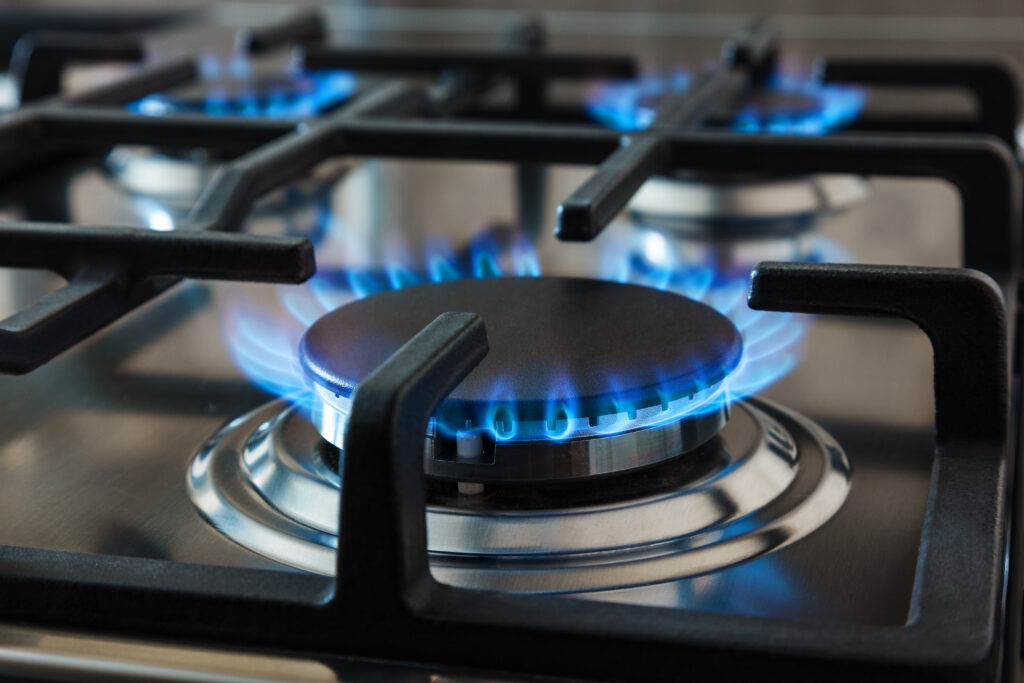
A gas cooker, often referred to as a gas stove or gas range, is a common household appliance that uses natural gas or liquefied petroleum gas (LPG) to generate an open flame for cooking. These systems use a combination of gas burners and thermostatically controlled ovens to heat pots, pans, and baking trays. When activated, the valve releases gas to the burner, which is then ignited, either manually or electrically. The flow of gas can be increased or decreased, allowing for precise temperature control. Proper connection to a gas line, along with correctly calibrated pressure from a regulator, ensures optimal performance and safety when the unit is in use.
The Importance of Proper Gas Connections
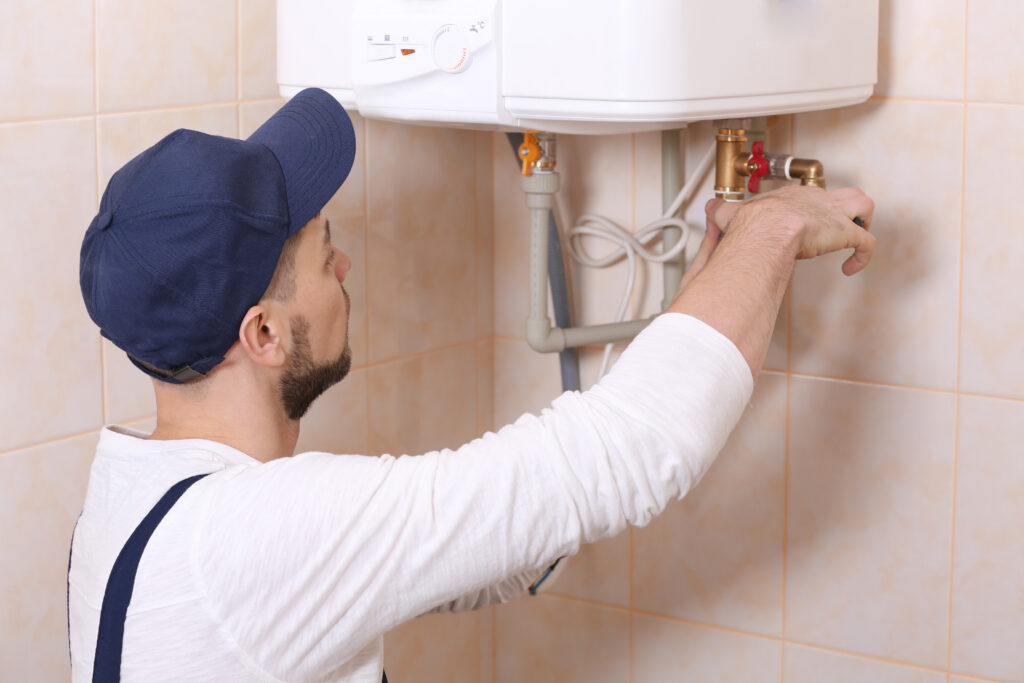
Ensuring that your gas cooker is correctly connected to your home’s gas supply is fundamental to both its performance and your safety. A poor or makeshift connection can result in gas leaks, which pose a serious risk of fire or carbon monoxide poisoning. A qualified technician should always install or inspect the gas line using compliant materials—typically flexible stainless steel or approved copper tubing— that meet local building codes. The shut-off valve should be accessible and located behind or beside the cooker, not hidden behind cabinetry. Additionally, connections must be tested under pressure to ensure there are no leaks. Make sure to request a gas-tightness test as proof that the system is sealed and compliant. Skipping these protocols may save time on installation, but it can result in extremely costly outcomes down the line.
Why Grounding Matters with Gas Appliances
Though gas appliances don’t rely primarily on electricity, modern gas cookers often feature electric ignition systems, clocks, and timers. This is where grounding enters the equation. A grounded circuit provides a clear path to dissipate excess electrical energy in case of a fault, keeping both the appliance and user safe. A gas cooker with faults in its electrical components can potentially lead to electrical shock or spark-related fires if not grounded properly. Grounding also reduces the chance of static discharge igniting residual gas near the connection point. It’s imperative that the circuit feeding your gas stove includes a functioning ground, and this should be verified at the time of installation or during your next home inspection.
Advantages of Using a Gas Cooker
There are several reasons homeowners continue to prefer gas cookers over their electric counterparts. Firstly, gas cookers offer instantaneous heat, giving users full control over temperature adjustments. This level of responsiveness is invaluable when searing, sautéing, or simmering. From an efficiency standpoint, gas tends to be less expensive than electricity, particularly in areas where natural gas infrastructure is already in place. Another major advantage is operational reliability—gas appliances can function during power outages, making them particularly useful in emergency scenarios. Lastly, professional chefs and home cooking enthusiasts appreciate the even heat distribution that gas burners provide, which results in more consistent culinary outcomes.
Common Installation and Maintenance Challenges
Despite the numerous advantages, installing and maintaining a gas cooker does come with its challenges. Finding qualified technicians who understand both local codes and manufacturer specifications is essential. Improperly secured connections may loosen over time due to thermal expansion and vibration, making regular inspection crucial. Ventilation is another key consideration. While gas cookers themselves do not require ducted external exhausts by code, good airflow helps prevent the build-up of combustion gases like carbon monoxide. Inline detectors and alarms offer additional peace of mind. Furthermore, wear and tear on ignition switches or burner valves may affect performance and safety if not addressed proactively. Homeowners should also verify that zoning permits and municipal codes have been respected when any kitchen remodel or new appliance install is underway.
Home Warranty Considerations for Gas Appliances
Gas cookers, like any household appliance, are subject to mechanical failure. Whether it’s a faulty ignition switch, gas valve problem, or thermostat issue, these breakdowns are often costly. This is where a quality home warranty can make a significant impact. A home warranty that covers gas cookers, connections, and even associated components like regulators and igniters can ensure fast, professional repairs when you need them most. Rather than desperately hunting for a technician mid-crisis or facing full replacement costs, an active warranty can streamline the process and reduce out-of-pocket expenses. Importantly, coverage levels vary between providers, so it’s essential to read the fine print. Armadillo, for example, offers customizable home warranty plans that include coverage for kitchen appliances and their key connection points. When comparing plans, ensure grounding components and electrical systems tied to the appliance are part of the coverage scope.
Why Armadillo is the Right Partner for Home Warranty Protection
When it comes to protecting your gas cooker—and your home’s safety—Armadillo is the expert partner you want in your corner. With deep knowledge of essential home systems, Armadillo understands the technical nuances of gas lines, grounding, and compliant installation practices. Their customizable home warranty plans empower homeowners to choose coverage that actually matches the systems in their homes, including gas appliances and kitchen essentials. With fast claim handling, vetted technicians, and 24/7 support, Armadillo makes maintaining your home as stress-free as cooking your favorite meal on a properly grounded gas range. Protect your investment and simplify home ownership by visiting Armadillo’s homepage to learn more. Ready to get started? Begin customizing your home warranty today with the Armadillo Plan Builder.