What Is Shower Tile Sealing Grout and Why Does It Matter?
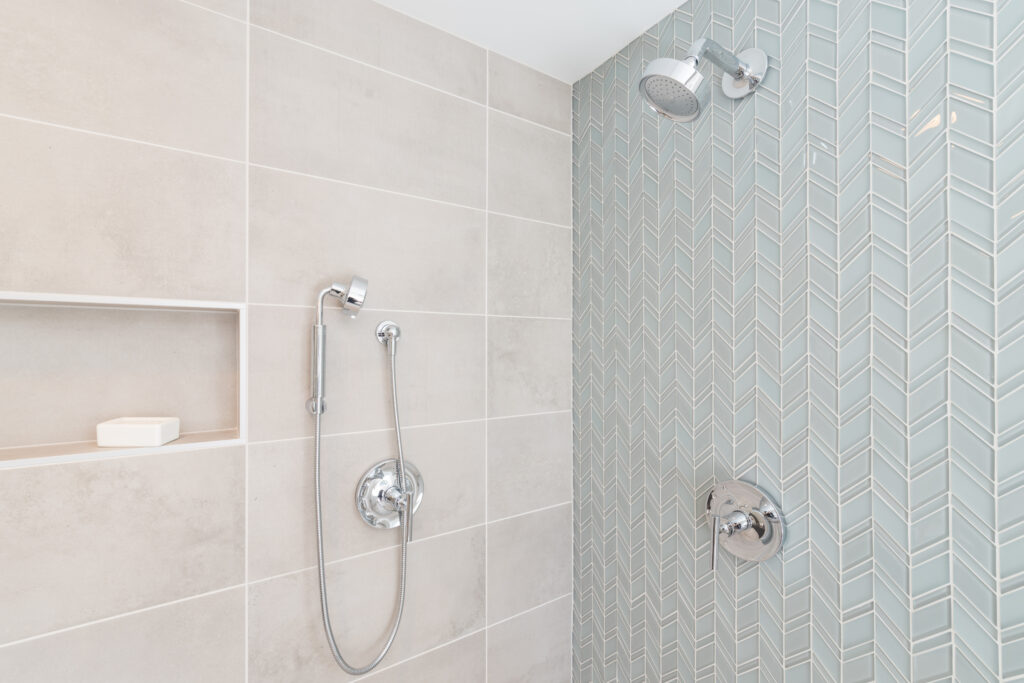
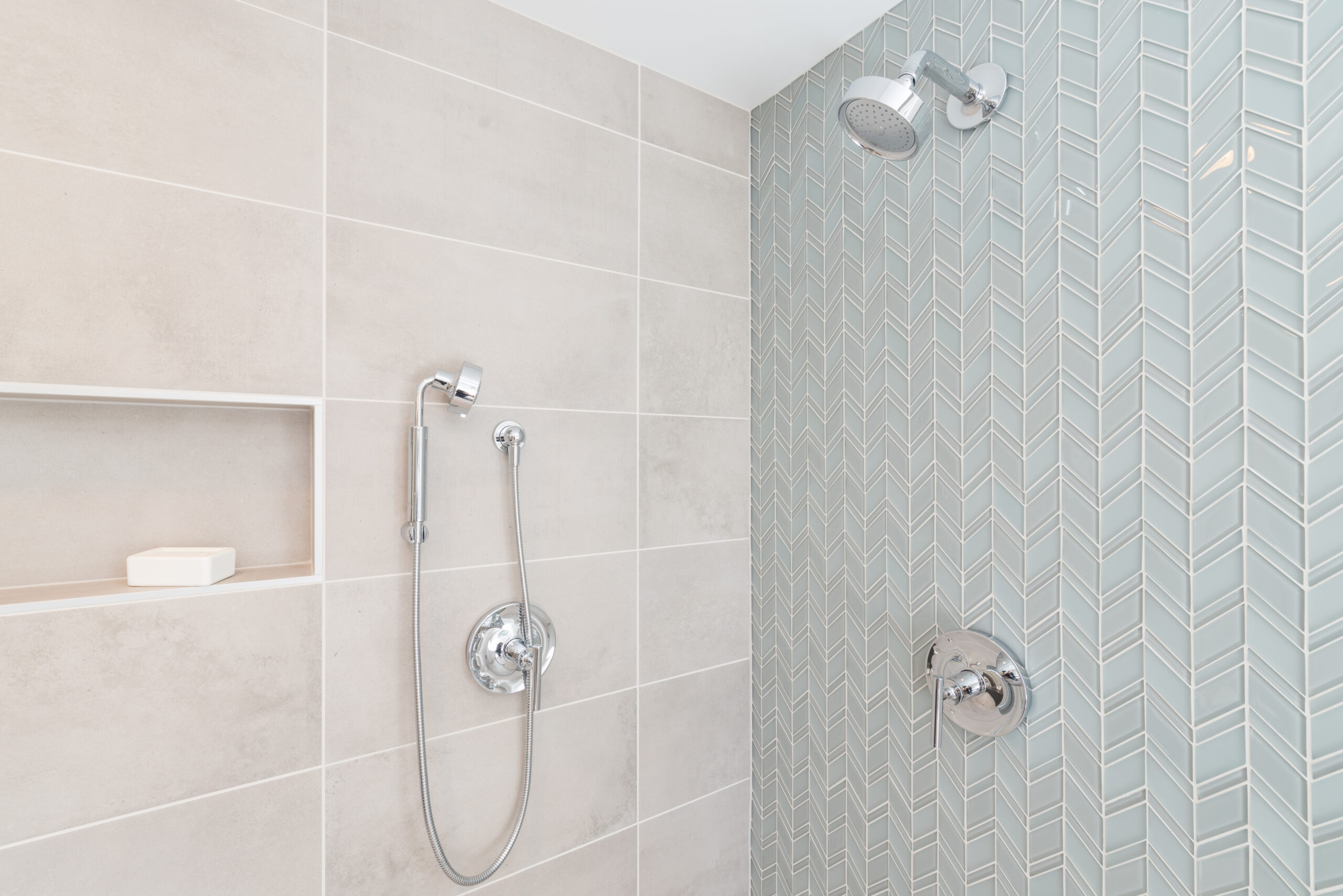
Shower tile grout is one of those things most homeowners never think about until something goes wrong. And by the time something goes wrong, the damage has usually already been done behind the wall. Sealing grout in a shower is the process of applying a protective barrier over the porous grout lines between your tiles, preventing water, soap residue, mold, and mildew from penetrating into the surface beneath. It sounds simple, and honestly it mostly is, but getting it right makes a significant difference in the long-term health of your bathroom. Think of grout sealer the way you think of a good raincoat. The tile itself is fairly water-resistant, but grout is essentially a cement-based compound that absorbs moisture like a sponge without protection. Left unsealed, that moisture finds its way into the substrate behind your tiles, and that is where the real problems start.
How Shower Grout Sealing Actually Works
Grout sealers work by filling the microscopic pores within the grout material, either sitting on the surface or penetrating into the grout itself. There are two primary categories worth understanding here. Penetrating sealers, sometimes called impregnating sealers, soak into the grout and form an invisible barrier from within. These tend to be more durable and are generally preferred for shower environments because they do not alter the appearance of the grout and hold up well against repeated water exposure. Surface sealers, on the other hand, form a topcoat layer that sits above the grout line. These can offer a glossy or enhanced appearance, but they are more vulnerable to wear over time and may require more frequent reapplication. The application process itself involves cleaning the grout thoroughly, allowing it to dry completely, and then applying the sealer with a brush, applicator bottle, or foam pad. After a curing period, usually a few hours, excess sealer is wiped away from the tile surface.
The Key Advantages of Sealing Your Shower Grout
The benefits here are real and they compound over time. A properly sealed shower is significantly easier to clean. Soap scum, hard water deposits, and grime have a much harder time adhering to sealed grout, which means your weekly scrubbing actually accomplishes something. Beyond cleaning convenience, sealed grout also resists staining, which matters in households with hard water or strong mineral content. Color integrity holds up better, and you are not left looking at a grout line that has gone from bright white to a murky gray after six months. The most critical advantage, though, is moisture protection. Water infiltration through unsealed grout can lead to damaged backer board, mold growth inside the wall cavity, and eventually structural issues that are far more expensive to address than a tube of sealer. From a home warranty perspective, this is an important distinction because water damage stemming from maintenance neglect is a category that most warranty plans do not cover.

Common Drawbacks and Limitations to Know Before You Start
Sealing grout is not a fix-all solution, and it comes with a few honest limitations. For one, sealer does not repair damaged or cracked grout. If your grout has already developed cracks, gaps, or crumbling sections, those need to be addressed before sealing. Applying sealer over damaged grout is like painting over rust. It temporarily conceals the problem while the underlying issue continues to worsen. Additionally, sealers are not permanent. Depending on the product and the amount of shower use, most sealers need to be reapplied every one to three years. That is maintenance homeowners sometimes forget to schedule. There is also the question of application errors. Over-application or failing to wipe excess sealer off the tile surface can leave a cloudy or sticky film that is difficult to remove. The process is forgiving, but it does require some care and patience.
Signs Your Shower Grout Needs to Be Resealed
There is an easy test for this. Sprinkle a few drops of water directly onto the grout line and watch what happens. If the water beads up and sits on the surface, the sealer is still doing its job. If the water absorbs into the grout and darkens the color within a few seconds, the sealer has worn down and it is time to reapply. Beyond the water test, there are a few visual and practical cues to watch for:
- Grout color has shifted from its original tone, often appearing darker or stained in patches
- Visible mold or mildew growth along grout lines that returns quickly after cleaning
- A musty odor in the bathroom that does not dissipate with regular ventilation
- Grout surface that feels rough or chalky rather than smooth
- Water taking on a slight discoloration near grout lines during or after showering
How to Seal Shower Grout the Right Way
Getting the application right is mostly about preparation. The grout needs to be clean and completely dry before any sealer is applied. That means a thorough scrubbing with a grout-safe cleaner, followed by at least 24 to 48 hours of drying time, longer in humid climates or bathrooms without good ventilation. New grout installs should cure for a minimum of 48 to 72 hours, sometimes longer depending on the manufacturer instructions, before sealer is applied. When applying, work in small sections and take your time along each grout line. A narrow applicator bottle gives you better control than a wide brush, especially in a tiled shower where precision matters. After applying, let the sealer penetrate for the time specified on the product label, then buff away any residue with a clean dry cloth. Do not run water in the shower for at least 24 hours after sealing.
Grout Sealing in the Context of Home Maintenance and Warranties
Here is something that catches a lot of homeowners off guard. Most home warranty plans are structured around system and appliance failures, not maintenance-related deterioration. Water damage that results from neglected grout, including damage to subflooring, wall framing, or adjacent cabinetry, often falls outside standard warranty coverage precisely because it is a preventable maintenance issue. This is why grout sealing belongs on your regular home maintenance checklist alongside HVAC filter changes and gutter cleaning. It is the kind of small, low-cost task that prevents large, expensive outcomes. Understanding what your home warranty does and does not cover helps you build smarter habits around routine upkeep. Sealant costs a fraction of what a tile reinstallation or mold remediation project runs, and the math on that comparison is not close.
Choosing the Right Grout Sealer for Your Shower
Not all sealers are created equal and the product you select matters quite a bit. For shower applications, a penetrating or impregnating sealer with water and oil repellency is typically the best choice. Look for products that are specifically labeled for wet environments or showers, since bathroom-rated sealers are formulated to handle the sustained moisture exposure that a shower generates. Silicone-based and fluoropolymer-based sealers tend to offer strong durability. Solvent-based products often penetrate more deeply than water-based options, though water-based formulas have improved considerably and are generally easier to work with indoors due to lower fume output. Avoid using a sealer intended for floor or countertop applications in a vertical shower environment, as those products may not be rated for the kind of continuous water exposure your shower walls see every day.
Why Armadillo Is the Right Partner for Protecting Your Home Beyond the Grout
Sealing your shower grout is exactly the kind of proactive thinking that defines a responsible homeowner. But even the most diligent maintenance routine cannot prevent every unexpected failure in your home. Plumbing systems leak, water heaters give out, and appliances stop working on their own timeline, not yours. That is where having the right home warranty plan changes the equation. Armadillo home protection plans built for homeowners who take their maintenance seriously offer coverage that complements a proactive approach to home care, picking up where routine maintenance leaves off. When the unexpected happens with the systems that keep your home running, you want straightforward coverage and a team that actually makes the process easy. If you are ready to protect more of your home, get a home warranty quote that covers plumbing, appliances, and more and see exactly what your home qualifies for. Because smart homeowners seal the grout and make sure everything else is covered too.

Frequently Asked Questions About Sealing Shower Tile Grout
These are the questions homeowners ask most often about grout sealing, answered directly and without the jargon.
How often should I seal the grout in my shower?
Most shower grout should be resealed every one to three years, depending on how frequently the shower is used and what type of sealer was applied. High-use showers typically need resealing closer to the one-year mark.
Can I seal grout myself or do I need a professional?
Sealing grout is a manageable DIY project for most homeowners. The process requires basic preparation, the correct product for shower environments, and attention to application detail. Professional help is typically only needed if the grout itself requires repair before sealing.
Does grout sealer prevent mold from growing in the shower?
Sealer significantly reduces the moisture that mold and mildew thrive on, making grout less hospitable to growth. It does not eliminate the possibility of mold entirely, especially in poorly ventilated bathrooms, but it is one of the most effective preventive steps available.
How do I know if my grout has ever been sealed?
Perform the water bead test. Place a few drops of water on the grout line. If the water beads up on the surface, sealer is present. If it absorbs quickly and darkens the grout, the surface is unsealed or the sealer has worn away.
Can I apply grout sealer over old or discolored grout?
You can apply sealer to old grout, but it should be thoroughly cleaned first. Sealer will not restore color or repair structural damage. If the grout is cracked, crumbling, or heavily stained, it should be repaired or replaced before sealing is applied.
How long do I need to wait after regrouting before I can seal?
New grout should cure for at least 48 to 72 hours before a sealer is applied, though some manufacturers recommend waiting up to a week. Always follow the grout manufacturer’s specific curing guidelines before proceeding.
Is grout sealing covered under a home warranty?
Grout sealing is a routine maintenance task and is not covered under standard home warranty plans. Home warranties typically cover the failure of systems and appliances, not preventive maintenance or cosmetic upkeep. Keeping grout sealed is part of your maintenance responsibility as a homeowner.
What happens if I do not seal my shower grout?
Unsealed grout absorbs water continuously, which can lead to staining, mold growth, and eventually water infiltration behind the tile. Over time, this moisture can damage the wall substrate, create structural issues, and require expensive remediation work that goes well beyond simple tile repair.
Will sealing my grout make the tile slippery on the shower floor?
Penetrating sealers, which are the recommended type for wet shower environments, do not typically alter the texture or slip resistance of floor tiles. Surface sealers can occasionally create a slicker finish, so it is important to choose the appropriate product for floor versus wall applications.
Can water damage from unsealed shower grout affect my home warranty coverage?
Water damage resulting from maintenance neglect, including deteriorated or unsealed grout, is generally excluded from home warranty coverage. Warranties are designed to address sudden, unexpected failures in systems and appliances rather than damage that develops over time due to deferred maintenance.