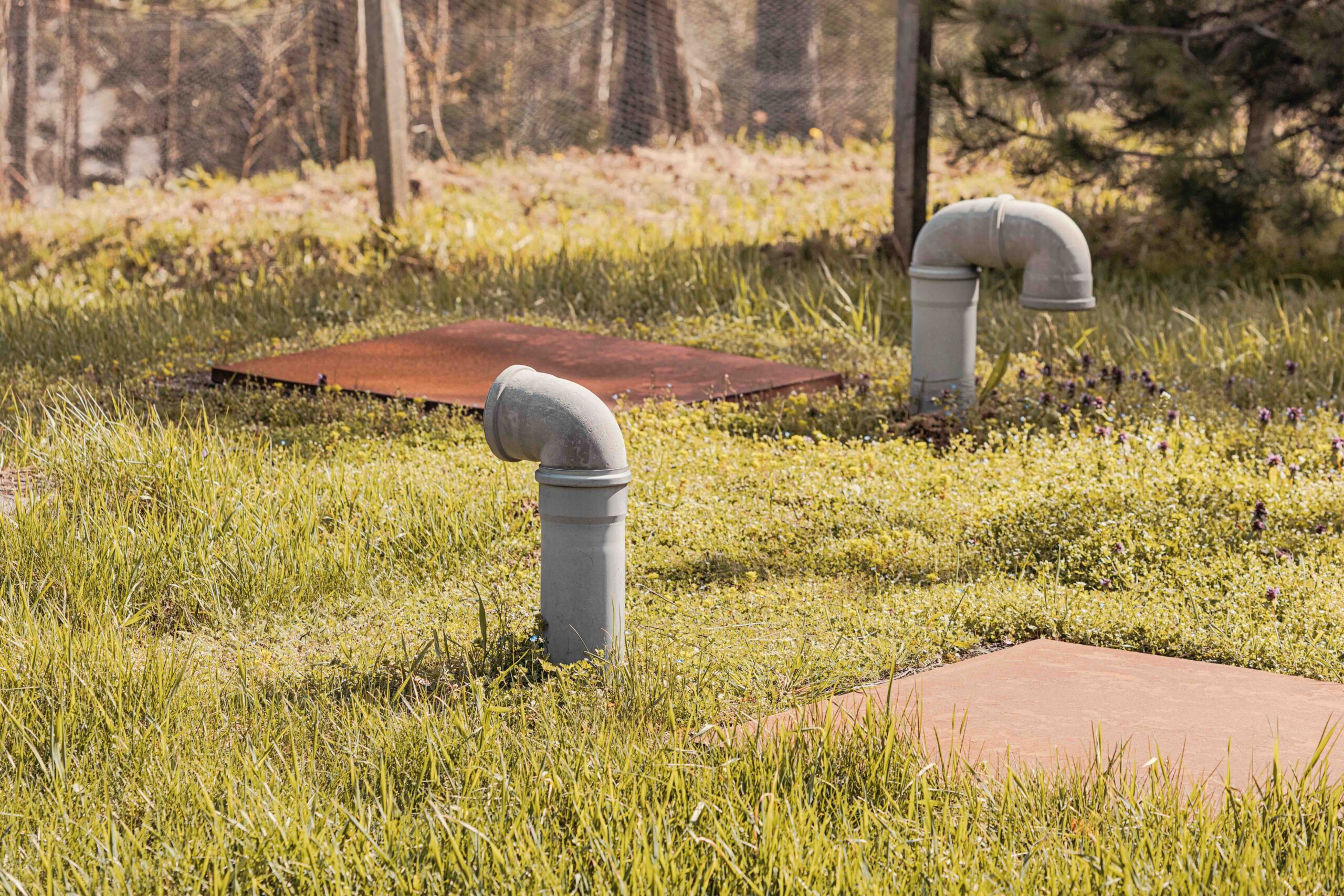
What Is a Septic Tank Air Vent and Why Does Your Home Have One?
If you have ever noticed a pipe sticking up from your roof or yard that seems to serve no obvious purpose, there is a reasonable chance it is connected to your septic system. The septic tank air vent — sometimes called a plumbing vent, soil stack vent, or drain-waste-vent pipe — is a critical but frequently overlooked component of any home that relies on a septic system for wastewater management. It does not flush anything, it does not pump anything, and it does not make any noise. But without it, your entire septic system would struggle to function properly. Understanding what this vent does and how it works is the kind of homeowner knowledge that quietly saves you from expensive headaches down the road.
How a Septic Tank Air Vent Actually Works
The basic principle is rooted in pressure. When wastewater drains from sinks, toilets, showers, and appliances, it moves through your home’s drain pipes toward the septic tank. That movement of water creates negative pressure — essentially a vacuum — that, if left unchecked, would siphon the water right out of your drain traps. Those traps are the curved pipe sections beneath sinks and fixtures that hold a small amount of water to block sewer gases from entering the home. The air vent solves this by introducing outside air into the drain system, equalizing the pressure and allowing wastewater to flow freely and consistently. On the other end of the function, it also provides an escape route for gases produced inside the septic tank — hydrogen sulfide, methane, carbon dioxide — venting them safely into the open air rather than back through your drains and into your living space.
The Two Main Types of Septic Vents Homeowners Should Know
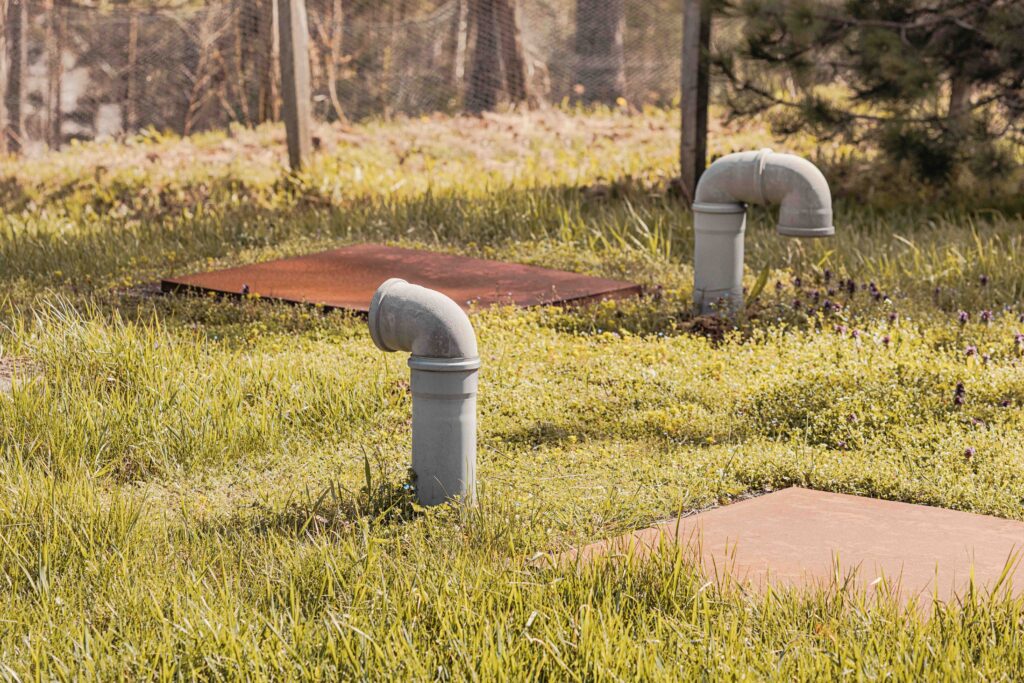
There are two primary vent configurations you are likely to encounter in residential septic systems. The first is the roof vent stack, which runs through the interior of the home and exits through the roof. This is the most common setup and the one most homeowners never think about because it is largely out of sight. The second type is a ground-level vent, sometimes called a septic tank riser vent or an in-ground vent, which is installed directly on or near the septic tank itself. These are more visible and serve the additional purpose of releasing gases that build up inside the tank. Some properties have both. Each type plays a slightly different role, but both contribute to maintaining healthy pressure balance and preventing toxic gas accumulation in the system.

Key Advantages of a Properly Functioning Septic Air Vent
A well-maintained septic air vent delivers several meaningful benefits that go well beyond simply keeping odors out of the bathroom. When this component is functioning correctly, the entire septic system operates more efficiently. Wastewater flows at the right rate, bacterial activity inside the tank stays balanced, and there is no unnecessary strain on connecting pipes or the drain field. Here are the core advantages worth understanding:
- Prevents sewer gas — including potentially dangerous methane and hydrogen sulfide — from backing up into the home
- Maintains proper atmospheric pressure throughout the drain-waste system so fixtures drain efficiently
- Protects drain trap seals, which are the first defense against odor and gas intrusion at every fixture
- Reduces the risk of gurgling drains, slow-draining fixtures, and pressure-related pipe stress
- Supports healthier bacterial decomposition inside the septic tank by allowing gas byproducts to escape naturally
Common Problems That Develop With Septic Air Vents
Like any passive home system component, the septic air vent is not immune to problems. Because it is often installed in hard-to-see locations — the roof, behind landscaping, near the tank access — issues can develop quietly before a homeowner notices anything is wrong. Blockages are among the most frequent issues. Debris, bird nests, insect activity, or ice accumulation during winter months can all restrict or fully obstruct airflow through a roof vent. When that happens, the pressure imbalance returns, and fixtures begin gurgling or draining slowly. In-ground vents near the tank can become buried by soil settling or obscured during landscaping work. The vent pipe itself can also crack, corrode, or separate from its connections over time, especially in older homes.
Warning Signs That Your Septic Air Vent May Be Compromised
Catching a vent problem early can mean the difference between a simple fix and a costly repair. Homeowners should take note if any of the following patterns emerge in their home:
- Gurgling or bubbling sounds coming from drains, toilets, or sink pipes
- Slow drainage across multiple fixtures simultaneously — not just a single clogged drain
- Persistent sewage or rotten egg odor inside the home or near the septic tank area outdoors
- Toilet water levels that seem to fluctuate without explanation
- Visible damage to roof vent caps, including cracked or missing covers
Practical Maintenance Tips for Homeowners
The good news is that routine maintenance for septic air vents is relatively straightforward. Roof vent stacks should be visually inspected at least once a year — ideally during a gutter cleaning or general roof inspection — to confirm the cap is intact and there is no visible debris or nesting activity blocking the opening. In colder climates, ice can form inside the vent pipe during extended freezes and temporarily seal the opening. Installing a wider pipe or adding pipe insulation can reduce this risk. For in-ground vents near the tank, make sure landscaping does not grow over or compress the vent, and confirm that the vent cap remains properly seated. If you suspect a blockage you cannot resolve visually, a licensed plumber or septic professional should inspect the system before the issue escalates.
Where Home Warranties Fit Into the Septic Vent Picture
Septic system components are sometimes misunderstood within the home warranty landscape, and that misunderstanding can cost homeowners real money. Some home warranty plans include coverage for septic system components, which may extend to piping, the tank itself, and related infrastructure. However, coverage specifics vary significantly between providers and plan tiers. The air vent, while a passive component, is still part of the broader septic system and can be subject to coverage questions when something fails. Homeowners with septic systems should carefully review what their plan covers and confirm whether plumbing vent-related failures — particularly those tied to septic system functionality — are included. This is not a detail to leave to assumption.
Why Armadillo Belongs in Your Home Protection Plan
Owning a home with a septic system introduces a distinct category of risk that general homeowners insurance simply does not address. When a septic air vent fails and triggers a cascade of plumbing issues, the repair costs can add up quickly — and the disruption to daily life is real. That is precisely the kind of unexpected expense that a well-structured home warranty is designed to absorb. Armadillo home warranty coverage for septic and plumbing systems is built with real homeowners in mind — not fine print designed to create coverage gaps at the worst possible moment. The team at Armadillo understands that your home’s systems are interconnected, and a failure in one area can expose vulnerabilities in others. If you are ready to take the guesswork out of home protection, get a free home warranty quote for septic system coverage and see exactly what your home qualifies for without any pressure or obligation.

Frequently Asked Questions About Septic Tank Air Vents
Answers to the questions homeowners ask most often about septic air vents, how they work, and when to take action.
What does a septic tank air vent actually do?
It equalizes pressure within the drain-waste-vent system and allows gases produced by bacterial activity inside the septic tank to safely escape to the outside rather than backing up into the home through drains and fixtures.
Where is the septic air vent located on my property?
Most homes have a roof vent stack that exits through the roof and a possible in-ground vent located near or on top of the septic tank itself. The location depends on the age of the home and how the system was originally designed and installed.
Is a sewer vent the same as a septic vent?
They serve the same function — pressure equalization and gas release — but a sewer vent typically refers to a system connected to a municipal sewer line, while a septic vent is part of a private on-site septic system. The mechanics are nearly identical.
Can a blocked septic vent make my house smell bad?
Yes. When the vent is obstructed, sewer gases including hydrogen sulfide — which produces a rotten egg odor — can be forced back through drain traps and into the home. A persistent sewage smell indoors is a strong indicator of a vent blockage or failure.
How do I know if my septic air vent is blocked?
Common indicators include slow drains across multiple fixtures, gurgling sounds from toilets or sinks, fluctuating toilet water levels, and sewage odors inside the home. A professional inspection can confirm whether the vent is the source of these symptoms.
Does a septic tank need a vent to function?
Yes. Without proper venting, gases produced during waste decomposition have no safe exit path, pressure imbalances disrupt drainage throughout the home, and the risk of gas intrusion into living spaces increases significantly. Venting is not optional — it is a code requirement in most jurisdictions.
Can I inspect or clean my septic air vent myself?
Basic visual inspections of roof vent caps are manageable for most homeowners during routine roof maintenance. However, if there is a suspected interior blockage or pipe damage, a licensed plumber or septic technician should handle the inspection and any cleaning or repair work.
Does a home warranty cover septic air vent repairs?
Coverage depends on the specific home warranty plan and provider. Some plans include septic system components, which may extend to vent-related failures. Homeowners should review their plan documents carefully and ask their provider directly about what septic-related items are covered under their agreement.
How often should a septic air vent be inspected?
An annual visual inspection is a reasonable baseline for most homeowners. In climates with heavy snow, ice, or significant debris activity, twice-yearly checks are advisable. Any time multiple drains exhibit unusual behavior simultaneously, an immediate inspection is warranted.
What happens if a septic vent pipe cracks or corrodes?
A cracked or corroded vent pipe can allow sewer gases to escape inside wall cavities or attic spaces rather than venting safely outside. This creates both health concerns and structural risks over time. Damaged vent pipes should be repaired or replaced promptly by a qualified plumbing professional.