What Is a Sewage Drain and Why Does It Matter in Your Home?
Your home’s sewage drain system is one of those things you never really think about until something goes wrong. And when it does go wrong, it goes wrong in the worst possible way. The sewage drain is the network of pipes responsible for carrying wastewater away from your sinks, toilets, showers, and appliances to either your municipal sewer line or a private septic system. It operates mostly by gravity, though some systems use pumps to assist flow. Every drain in your home connects to a larger main line, and that main line is the backbone of your entire plumbing waste system. Understanding how this works gives you a real advantage when problems come up.
How a Sewage Drain System Actually Works
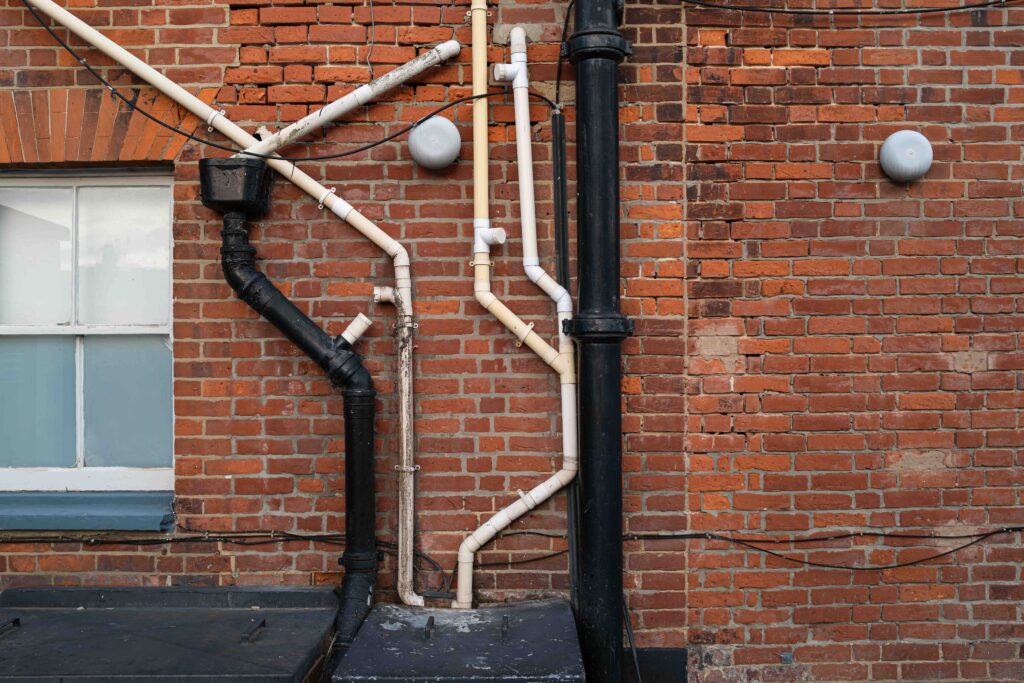
The system starts at each fixture. When you flush a toilet or rinse a dish, that water enters a branch drain line, which slopes slightly downward to encourage flow. Those branch lines merge into progressively larger pipes until they reach the main sewer line, which exits your home through the foundation or crawlspace. Along the way, there are vent pipes that extend up through your roof. These vents do something important: they allow air into the system, which prevents a vacuum from forming and keeps wastewater flowing smoothly. Without proper venting, you would hear that familiar gurgling sound from your drains. The whole system is elegantly simple in design but surprisingly unforgiving when one component fails.
Common Causes of Sewage Drain Clogs
Clogs happen more often than most homeowners expect, and they almost always come from everyday habits. The most common culprits include grease and cooking fats that solidify inside pipes over time, hair buildup in bathroom drains, accumulated soap scum, flushed wipes or paper products that are not designed to break down, and foreign objects that should never have entered the drain in the first place. Tree roots are another major cause, particularly in older homes where clay or cast iron pipes have developed small cracks. Roots grow toward moisture and can infiltrate even a hairline fracture, eventually filling the pipe entirely. Understanding what causes clogs helps you prevent them before they escalate into something much more expensive.

What It Means When a Drain Is Grounded
The term “grounded” in the context of home warranty coverage refers to when a sewage drain system is completely blocked or otherwise non-functional, meaning no wastewater can exit the home through the affected line. A grounded drain is not just a slow drain or a minor inconvenience. It is a system failure. This is distinct from a partial clog, which slows things down but does not fully stop drainage. When a drain is fully grounded, fixtures back up, sewage can overflow, and the living conditions in the home become genuinely uninhabitable fast. Most home warranty providers treat grounded sewage drains differently than standard clogs, which is worth knowing before you need to file a claim.
Signs Your Sewage Drain System Is Failing
Most drain problems do not appear overnight. There are usually warning signs for weeks or even months before a full failure occurs. Knowing what to look for can save you thousands of dollars in damage and repairs. Watch for the following indicators that your sewage drain system may be headed for trouble:
- Multiple fixtures draining slowly at the same time, which suggests a main line issue rather than an isolated clog
- Gurgling sounds coming from toilets or floor drains when other fixtures are used
- Sewage odors inside the home, especially near floor drains or in the basement
- Water backing up in unexpected places, such as the bathtub filling when the toilet is flushed
- Wet patches or unusually lush grass over your sewer line in the yard
- Frequent clogs that keep returning despite clearing them
Key Advantages of Maintaining a Healthy Sewage Drain System
Keeping your sewage drain system in good working order delivers benefits that go beyond just avoiding a plumbing emergency. A well-maintained system protects your home’s structural integrity, because water damage from sewage backups can compromise flooring, drywall, and foundation materials. It also protects your household’s health, as sewage contains bacteria and pathogens that create serious hazards when they enter living spaces. Routine maintenance also extends the lifespan of your pipes significantly, deferring the cost of major replacements. And from a financial perspective, a functioning sewage system supports your home’s resale value. Buyers and inspectors take plumbing infrastructure seriously, and evidence of chronic drain issues can complicate a sale or reduce your negotiating position.
Common Drawbacks and Challenges Homeowners Face
Even with good maintenance habits, sewage drain systems come with inherent challenges that are worth being realistic about. Older homes built before the 1970s often have pipes made from cast iron or clay, materials that corrode and crack over decades of use. These pipes are costly to replace, particularly when they are buried under concrete slabs or in hard-to-reach areas. Drain cleaning chemicals, while marketed as easy solutions, can actually damage older pipes and create more problems than they solve with repeated use. Another challenge is that most homeowners cannot see or inspect their drain lines without professional equipment, meaning a problem can grow substantially before it becomes visible. The hidden nature of the system is genuinely one of its biggest drawbacks from a homeownership standpoint.
Practical Tips to Prevent Sewage Drain Clogs
Prevention is always more affordable than repair, and there are concrete steps you can take right now to protect your sewage drain system. Building a few good habits into your routine makes a measurable difference over time. Consider implementing these practices at home:
- Never pour cooking grease, oils, or fats down any drain
- Install hair catchers in all shower and tub drains and clean them weekly
- Only flush toilet paper, never wipes, feminine products, or cotton swabs
- Run hot water down kitchen drains after washing dishes to help flush residual grease
- Schedule a professional drain inspection and hydro-jetting service every two to three years
- Have a plumber inspect your sewer line with a camera if you live in a home older than 30 years
How Home Warranty Coverage Applies to Sewage Drains
This is where things get practical from a financial planning perspective. Home warranty plans vary significantly in how they handle sewage drain coverage. Many standard plans cover drain line stoppages that are accessible and within the home’s foundation. However, grounded drains, particularly those involving the main sewer line or requiring excavation, can fall into gray areas depending on the plan’s language. Some warranties explicitly cover stoppages up to a certain depth or distance from the home’s cleanout. Others cover repairs but not replacements of deteriorated pipe material. Reading your plan carefully and understanding exactly what is and is not included before a problem occurs is genuinely critical. Coverage that kicks in during a sewage emergency can mean the difference between a manageable repair bill and a financially devastating one.

Why Armadillo Is the Right Partner When Your Sewage Drain Fails
When a sewage drain is clogged and grounded, the last thing you need is to navigate complicated claim processes or argue over fine print with a warranty provider that is not in your corner. Armadillo was built differently. The coverage is transparent, the claims process is straightforward, and the focus has always been on making homeowners feel protected rather than managed. If you are looking for a home warranty plan that covers sewage drain stoppages and plumbing failures without layers of confusing exclusions, Armadillo is worth a serious look. Whether you are a first-time buyer or a long-time homeowner, the financial exposure from a grounded sewage line is real and significant. You can get a free home warranty quote for sewage drain and plumbing coverage in just a few minutes and know exactly what you are covered for before something goes wrong. That kind of clarity matters, especially for a system as critical and unpredictable as your home’s sewage drain.
Frequently Asked Questions About Sewage Drains and Home Warranty Coverage
These are some of the most common questions homeowners have when it comes to understanding sewage drain systems and what home warranty plans typically cover.
What is the difference between a clogged drain and a grounded sewage drain?
A clogged drain refers to a partial or full obstruction in a single fixture drain line, while a grounded sewage drain means the main line is completely blocked and no wastewater can exit the home. Grounded drains typically require professional intervention and are considered a more serious system failure.
Does a standard home warranty cover sewage drain clogs?
Many home warranty plans do cover sewage drain stoppages, but coverage details vary. Some plans cover only accessible drain lines within the home’s foundation, while others extend to the main sewer line. Always review your specific plan terms before assuming a clog is covered.
What causes a main sewer line to become completely blocked?
Main sewer lines are most commonly blocked by accumulated grease and debris, tree root intrusion, collapsed or deteriorated pipe sections, or a buildup of non-flushable materials over time. Older clay or cast iron pipes are especially vulnerable to these issues.
How do I know if my main sewer line is blocked versus a single drain?
If only one fixture is draining slowly, the issue is likely isolated to that branch line. However, if multiple fixtures across the home are backing up simultaneously, or if water comes back up through floor drains, the main sewer line is the likely culprit.
Can I use chemical drain cleaners to clear a sewage backup?
Chemical drain cleaners are not recommended for sewage backups or main line blockages. They are ineffective against serious clogs and can corrode older pipes, potentially worsening the problem. A licensed plumber with professional-grade equipment is the appropriate solution for significant blockages.
How often should I have my sewer line professionally inspected?
For most homes, a professional sewer line camera inspection every two to three years is a reasonable maintenance schedule. Homes older than 30 years, or those with mature trees near the sewer line, benefit from more frequent inspections.
What does it cost to repair or replace a blocked sewer line?
Costs vary widely depending on the nature and location of the blockage. A standard drain cleaning service can range from $150 to $500, while hydro-jetting runs $300 to $600. If excavation and pipe replacement are required, costs can climb into the thousands, which is precisely why home warranty coverage is so valuable for this type of repair.
Are sewage backups covered by homeowners insurance?
Standard homeowners insurance policies typically do not cover sewage backups unless you have purchased a specific sewer backup rider or endorsement. Home warranty coverage addresses the mechanical failure or blockage itself, while insurance may address resulting property damage under certain circumstances.
What is hydro-jetting and when is it used for sewage drain issues?
Hydro-jetting is a professional drain cleaning method that uses high-pressure water to scour the interior walls of pipes, removing grease, scale, roots, and debris. It is typically used when standard snaking fails to clear a persistent or severe blockage and is highly effective for restoring full flow to a grounded drain line.
Can tree roots be removed from a sewer line without replacing the pipe?
In many cases, yes. If the pipe itself is structurally intact, tree roots can be removed using mechanical cutting tools or hydro-jetting. However, if the roots have caused cracks or collapse in the pipe, partial or full replacement may be necessary. A camera inspection helps determine the extent of the damage before any work begins.