Understanding Your Sewer Roof Vent: Function, Maintenance, and Why It Matters
Hidden on top of nearly every home, above eye level and often forgotten, lives a critical part of your home’s plumbing system: the sewer roof vent. Also referred to as a plumbing vent stack or vent pipe, this relatively unglamorous feature plays a vital role in the health, safety, and function of your home. Without it, drains slow down, odors creep in, and pipes become prone to damage. While most homeowners rarely think about it, the sewer vent is a silent workhorse—and understanding it could be the key to avoiding inconvenient home repairs later on.
What Is a Sewer Roof Vent?
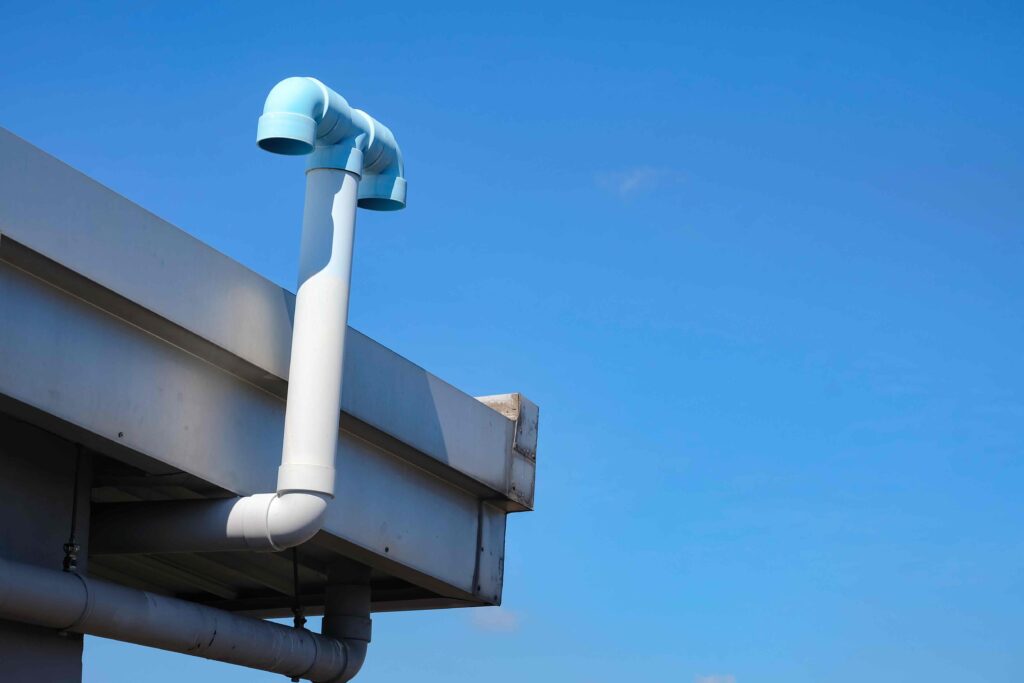
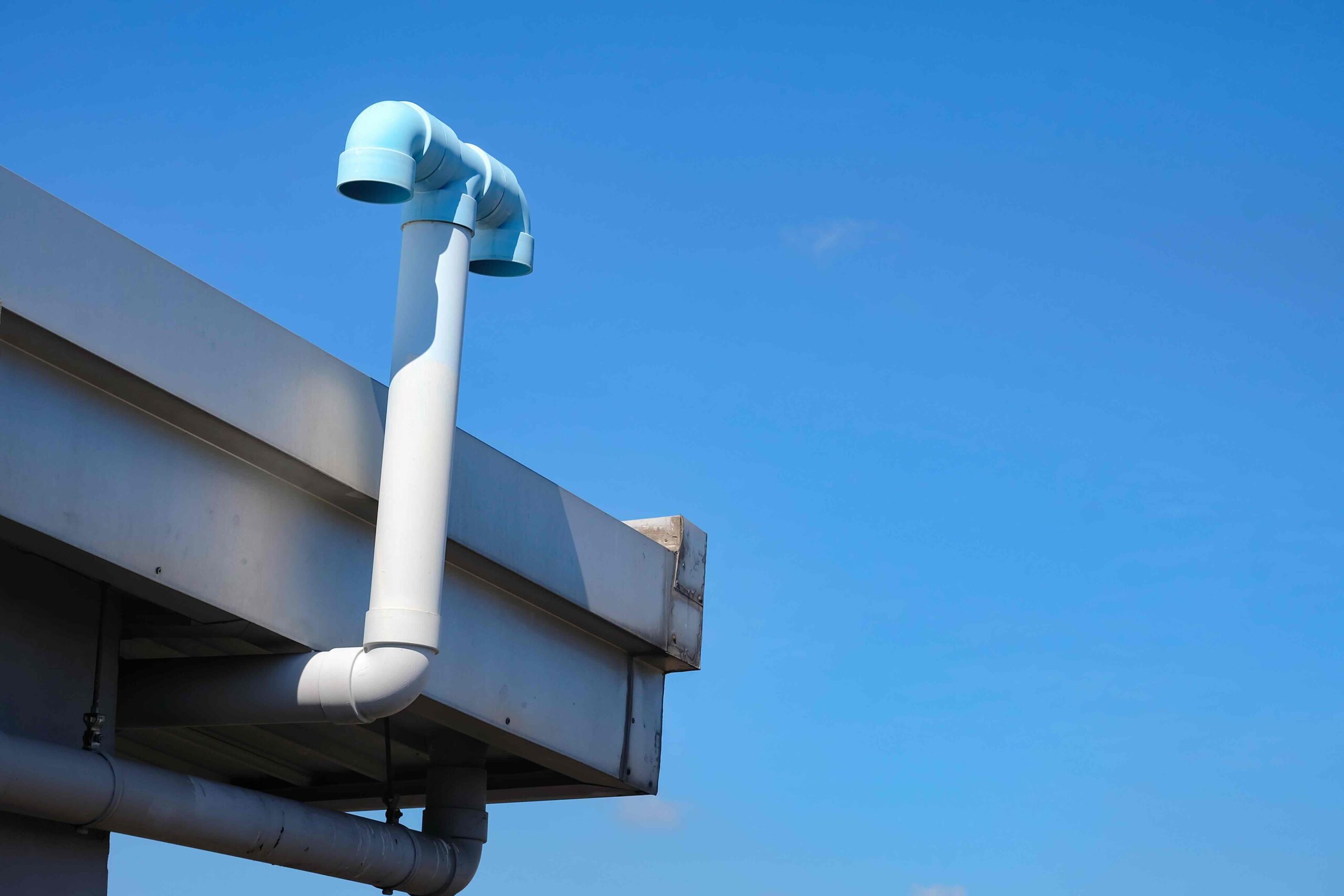
The sewer roof vent is a vertical pipe that extends from your home’s drain-waste-vent system upward through the roof. Its main function is to equalize the air pressure inside your plumbing system, allowing wastewater and sewage to flow efficiently out of the house. It doesn’t carry water; instead, it carries air, pushing sewer gases up and out while drawing in fresh air to balance atmospheric pressure inside the pipes.
This simple air-exchange process enables gravity to do its job more effectively when you flush a toilet, run a washing machine, or drain a sink. It also ensures that traps—the curved sections of pipe beneath fixtures designed to hold water and block sewer gases—stay sealed and functional. Without a properly operating vent, negative pressure can pull water out of these traps, letting foul odors into your living space.
How the Sewer Roof Vent Works
When wastewater travels down a drainpipe, it pushes air in front of it and creates a vacuum behind. Without a vent to regulate pressure, that vacuum can disrupt the flow of water and create gurgling sounds, slow drainage, or even backflow in extreme cases. Venting solves this by giving air a place to escape and re-enter the plumbing system.
The vent pipe extends through the attic and exits through the roof, usually protruding a foot or two above the shingles. It opens to the outside air, allowing fresh airflow into the entire plumbing system. In essence, it acts like the lungs of your home’s pipes—letting the system breathe in and out freely, ensuring everything else runs smoothly.
Why Your Sewer Roof Vent Matters
The vent may seem like a less critical feature compared to more visible home components, but its failure can ripple through your home and daily routines in troubling ways. Common issues such as slow drains or persistent toilet clogs are often misattributed to blockages in pipes or problems with fixtures when, in fact, the root cause may be poor venting.
When a sewer vent becomes blocked—by leaves, debris, snow, or even nesting animals—the entire drainage process suffers. Water in traps may be siphoned out, bringing sewer smells into bathrooms or kitchens. Drainage may slow to a crawl. Even unexplainable moisture stains or bathroom mold can sometimes be traced back to unbalanced air flow in the plumbing system.
Key Benefits of a Functional Sewer Roof Vent
The main advantage of a healthy sewer vent is straightforward: it helps your plumbing system operate smoothly and safely. When pressure is regulated properly, water flows freely, trapped water stays in place, and unpleasant gases are kept outside where they belong. This stability also improves fixture lifespan, reducing strain on connections and materials due to inefficient pressure.
There’s also a secondary but equally important benefit: health and safety. Sewer gases can include methane, ammonia, hydrogen sulfide, and other potentially hazardous compounds. A functioning vent directs these out of your home and away from living areas, ensuring the indoor air stays safe and breathable.
Common Issues with Sewer Vents
Though the system is relatively straightforward, it’s not immune to issues. Clogs are the most frequent problem, and they often go unnoticed until symptoms arise—slow draining, gurgling noises, or odor. A blockage might be caused by animal nesting, ice buildup in colder climates, rust or corrosion in older metal pipes, or clumps of leaves that work their way inside.
Vent pipes may also develop cracks or leaks, especially if roof repairs or other work has interfered with the stack. Improper sealing around the base of the vent where it passes through the roof can lead to slow water intrusion, gradually damaging attic framing or insulation. In some rare situations, incorrect design—such as insufficient vent height or poor slope—can limit air movement and introduce backpressure into the system.
Best Practices for Maintenance
While most homeowners won’t be crawling onto their roof to check the vent, it is wise to include the system in regular home maintenance schedules. If your plumbing shows signs of drainage or odor problems, have a professional inspect the vent as part of a full plumbing assessment. During annual gutter or roof inspections, technicians can usually confirm that the vent pipe is clear and unobstructed.
In colder climates, ask your contractor about adding vent insulation or checking for signs of ice damming. Some homeowners opt for mesh covers to protect against leaves or nesting birds—although these must be cleaned regularly to remain effective. Always ensure that roofers or HVAC professionals are aware of your vent’s location to avoid accidental damage during unrelated repairs.
How Home Warranty Coverage Protects You
Most home warranties do not cover the sewer vent pipe directly; however, many plans offer coverage for the plumbing system, which includes blockages caused by failure elsewhere in the system. If a malfunctioning vent leads to pipe backup or damages critical plumbing functions, warranty coverage may offer necessary repair or replacement safeguards. This is particularly helpful in older homes where plumbing materials may already be aging or improperly installed.
Understanding what is and isn’t covered in your plan is key. Choose coverage that includes thorough attention to the central plumbing lines so you’re not left exposed if your system gets disrupted by a faulty or obstructed vent. Comprehensive plans often help offset the high cost of labor-intensive repairs, which might otherwise require rooftop access and specialized equipment.
Smart Protection Starts with Armadillo
When essential but overlooked elements like your sewer roof vent take center stage in home maintenance, a dependable home warranty becomes a smart investment. At Armadillo, we believe your coverage should be comprehensive, adaptive, and always focused on keeping your home systems running—the way they’re designed to. That includes those often-forgotten details like proper plumbing functionality and balanced airflow. Take the guesswork out of the equation and protect your home proactively. Start building your personalized protection plan today at https://www.armadillo.one or begin the sign-up process directly at https://app.armadillo.one/plan-builder?current=zip. Your home deserves it—and frankly, so do you.