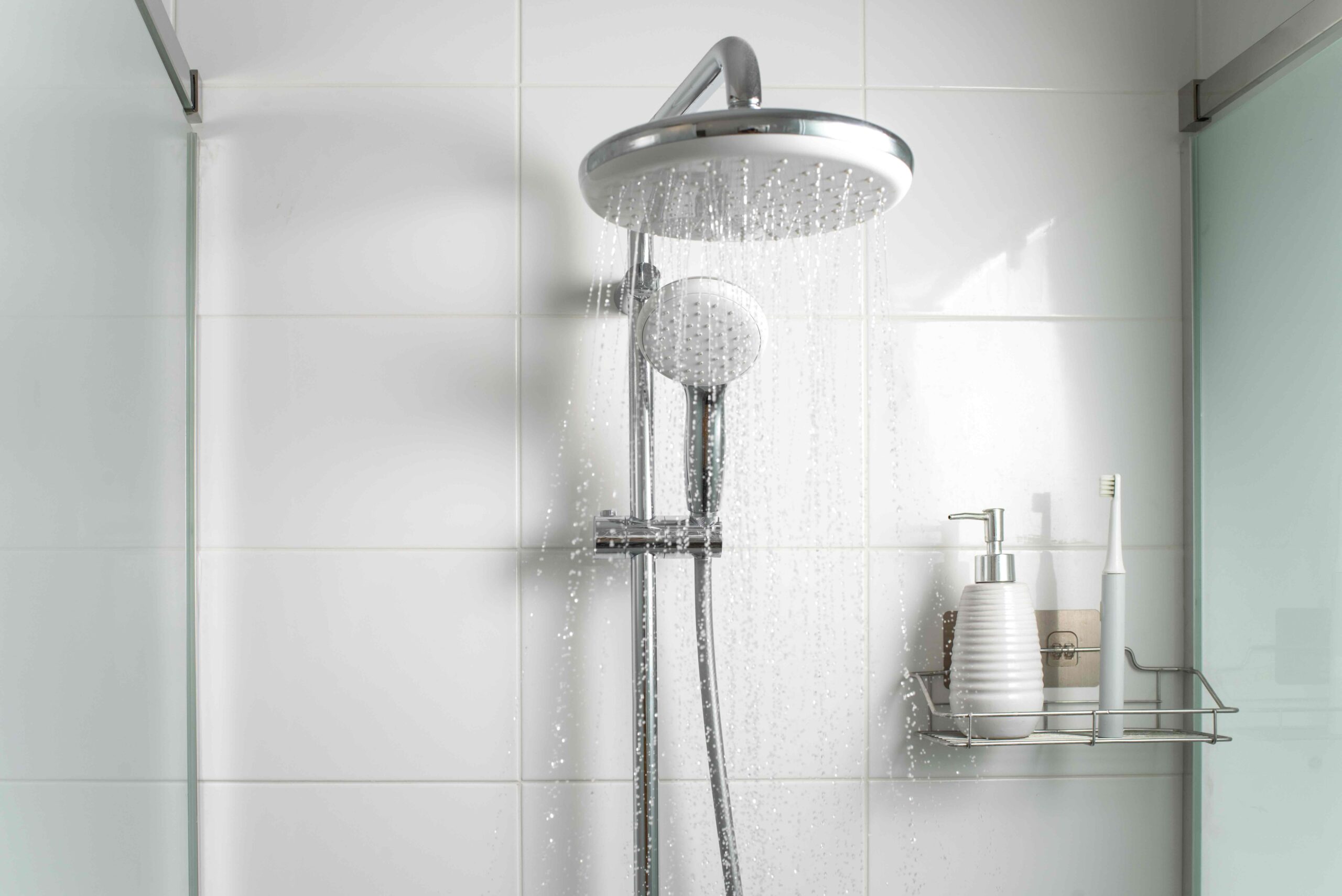
What Is Shower Leak Detection and Why Should Every Homeowner Pay Attention
A shower leak is one of those home problems that rarely announces itself loudly. It tends to work quietly — behind walls, beneath tiles, under the subfloor — until one day you notice a soft spot underfoot, a bubbling paint patch near the baseboard, or a water stain on the ceiling below the bathroom. By that point, what started as a minor drip has often turned into something far more disruptive. Shower leak detection is the practice of identifying those leaks early, before they graduate from a minor nuisance to a significant structural or mold-related problem. And for homeowners who want to stay ahead of costly repairs, understanding how this process works is genuinely worth the time.
How Shower Leaks Form in the First Place
Showers are high-moisture environments, which sounds obvious, but the implications go deeper than most people consider. Every shower system is a combination of plumbing connections, grout lines, caulking, drain seals, and tile surfaces — all of which experience wear over time. When any one of these components degrades, water finds a path it was never supposed to travel. Grout cracks are one of the most common culprits. As grout ages or shifts slightly with the natural movement of a home, it develops hairline fractures that allow water to seep behind the tile. Failed caulking around the base of the shower or along corners is another frequent entry point. Then there are the plumbing connections themselves — supply line fittings, valve connections behind the wall, and drain assemblies that can all develop slow leaks that go completely unnoticed for months.
The Most Common Signs of a Shower Leak
Catching a leak early depends largely on knowing what to look for. Some signs are visible in the bathroom itself, while others appear in adjacent rooms or on lower floors. Homeowners should periodically scan for the following:
- Soft, spongy, or warped flooring near the base of the shower or in adjacent areas
- Discoloration, staining, or bubbling on walls or ceilings near or below the bathroom
- Persistent musty or mildew odors that do not clear after cleaning or ventilation
- Visible mold growth, particularly at grout lines or caulking seams
- Loose or shifting tiles that were previously secure
- An unexplained increase in household water usage or water bills
Not every one of these signs guarantees a leak, but any combination of them deserves a closer look. The earlier a homeowner investigates, the better the outcome tends to be.
How Shower Leak Detection Actually Works
There are several methods used to detect shower leaks, ranging from simple visual inspections to more advanced diagnostic tools. The most straightforward is a flood test, where the shower drain is plugged and the pan is filled with water to a specific level, then monitored over 24 hours to see if the water level drops. A drop indicates that water is escaping somewhere it should not be. Beyond the flood test, professionals use moisture meters to measure moisture content within walls and subflooring without requiring demolition. Thermal imaging cameras are another option, detecting temperature differences that reveal hidden water movement. Some specialists use dye testing, introducing a colored tracer into the water supply to identify exactly where leaks are exiting the system. Each method has its strengths depending on the suspected location and severity of the issue.

Key Advantages of Early Shower Leak Detection
The primary benefit of catching a shower leak early is straightforward — it costs significantly less to fix a small problem than a large one. A failed caulk seal repaired promptly might cost a homeowner a modest amount in materials or a brief service call. That same leak left unaddressed for a year can mean damaged subfloor decking, compromised joists, mold remediation, tile replacement, and potentially ceiling repairs in the room below. Early detection also protects indoor air quality. Mold thrives in wet, enclosed spaces and can begin developing within 24 to 48 hours of water exposure. Identifying a leak before mold establishes itself preserves both the structure and the health of everyone living in the home. From a home value standpoint, documented plumbing maintenance and a history of prompt repairs also reflect favorably when it comes time to sell.
Common Drawbacks and Limitations to Be Aware Of
Shower leak detection is not without its complications. One of the most significant challenges is accessibility — many leaks occur inside wall cavities or beneath tile work, making visual confirmation impossible without invasive inspection. Even moisture meters and thermal cameras identify the presence of moisture, not necessarily the precise source. This can lead to situations where a repair is performed based on reasonable professional judgment, only for another leak point to reveal itself later. There is also the issue of cost when professional detection services are involved. Thermal imaging and advanced moisture testing carried out by specialists can add up, particularly if the source of the leak turns out to be difficult to isolate. Homeowners should also understand that detection and repair are two separate services — identifying a leak does not automatically include fixing it.
DIY Detection vs. Calling a Professional
Many homeowners can perform a basic visual inspection and a simple flood test on their own. These require no special tools and can reveal obvious grout failures, caulking gaps, or drain seal issues. For surface-level problems, a DIY approach is entirely reasonable. However, if the suspected leak is behind a wall, beneath a mortar bed, or connected to supply line plumbing, professional involvement becomes the more practical path. Attempting to open walls without a confident sense of where the issue lies can lead to unnecessary damage and added repair costs. A licensed plumber or waterproofing specialist brings diagnostic tools and experience that are worth the investment when the source of a leak is unclear. Knowing when to hand the problem off is itself a form of smart homeownership.
Preventive Measures That Reduce the Risk of Shower Leaks
Prevention is always the more economical strategy. Homeowners who stay on top of regular shower maintenance can significantly reduce the likelihood of leaks developing in the first place. Recaulking the base and corners of a shower every two to three years — or sooner if cracking or separation is visible — is one of the most effective preventive steps available. Regrouting as needed keeps tile barriers intact. Installing a quality shower liner or pan liner during any bathroom renovation adds a critical secondary layer of waterproofing beneath the tile surface. Ensuring proper bathroom ventilation reduces ambient moisture levels and slows the degradation of grout and caulk over time. These are not complex or expensive steps, but they do require consistency to be effective.
What Shower Leaks Can Mean for Your Home Warranty Coverage
This is where things get particularly relevant for homeowners with a home warranty. Home warranty plans typically cover the repair or replacement of specific systems and appliances when they fail due to normal wear and tear. Plumbing systems are commonly included in these plans, but coverage specifics vary considerably between providers. A leak originating from a supply line connection or a faulty shower valve may fall under plumbing system coverage. Damage caused by a slow, undetected leak — such as subfloor rot or structural damage — is typically not covered under a standard home warranty and may fall under homeowners insurance instead. Understanding the distinction matters. Prompt leak detection not only limits repair scope, it also keeps situations within the boundaries of what a home warranty is designed to address, rather than allowing them to escalate into excluded damage categories.

Why Armadillo Is Worth Considering for Plumbing and Shower System Protection
When a shower leak points back to a plumbing system failure, having a reliable home warranty in place makes a meaningful difference in what comes next. Armadillo is built for homeowners who want straightforward, honest coverage without the fine print frustrations that make filing a claim feel like a second job. If you are looking for a home warranty plan that covers plumbing systems and helps protect against unexpected repair costs, Armadillo offers a transparent approach that actually delivers when something goes wrong. Whether the issue is a leaking shower valve, a failing supply line, or another covered plumbing component, having the right plan in place means you are not absorbing the full cost of a repair on your own. Take a few minutes to get a free home warranty quote for shower and plumbing system coverage and see exactly what protection looks like for your specific home. It is a small step that can make a substantial difference when an unexpected plumbing issue surfaces.
Frequently Asked Questions About Shower Leak Detection
How do I know if my shower is leaking behind the wall?
Signs of a behind-the-wall leak include soft or discolored drywall near the shower, a persistent musty smell, mold growth along baseboards, or peeling paint on adjacent walls. A professional using a moisture meter or thermal imaging camera can confirm the presence of hidden moisture without opening the wall unnecessarily.
Can a slow shower leak cause mold?
Yes. Mold can begin developing within 24 to 48 hours of water exposure in a dark, enclosed space. A slow shower leak that goes undetected for weeks or months creates ideal conditions for mold growth inside walls and under flooring, which can affect both structural integrity and indoor air quality.
What is a shower pan leak test?
A shower pan leak test involves plugging the drain, filling the shower floor area with water to a measured level, and observing whether the water level drops over a 24-hour period. A drop indicates that water is escaping through the pan, drain seal, or surrounding structure.
How much does professional shower leak detection cost?
Costs vary depending on the method used and the professional hired. Basic inspection and flood testing may be relatively affordable, while thermal imaging or advanced moisture analysis can run higher. The investment is typically far less than the cost of repairing damage caused by a leak that goes undetected.
Is shower leak damage covered by a home warranty?
Home warranties typically cover plumbing system failures that result in leaks — such as a faulty valve or supply line connection. However, secondary damage caused by a leak, such as subfloor rot or mold remediation, is generally not covered under a home warranty and may fall under homeowners insurance instead.
How often should shower caulking be replaced?
Shower caulking should be inspected annually and replaced every two to three years under normal conditions, or sooner if cracking, separation, or discoloration is visible. Keeping caulk lines intact is one of the most effective and affordable ways to prevent water intrusion.
Can I detect a shower leak myself?
Homeowners can perform a visual inspection and a basic flood test on their own to identify surface-level issues like failed caulk or grout. However, leaks originating behind walls, beneath tile, or within plumbing connections typically require professional diagnostic tools for accurate identification.
What causes grout to crack in a shower?
Grout can crack due to natural settling of the home, minor structural movement, improper installation, the use of grout in areas that require flexible caulk, or simple age-related wear. Cracked grout is one of the most common entry points for water infiltration in a shower.
How long can a shower leak go undetected?
A slow shower leak can go undetected for months or even years, particularly if it is occurring within a wall cavity or beneath a mortar bed. By the time visible symptoms appear, the underlying damage is often already significant, which is why periodic inspection and preventive maintenance are important.
Does a shower leak always mean I need to retile?
Not necessarily. The scope of repair depends entirely on where the leak is located and how much damage has occurred. Some leaks can be resolved by recaulking, resealing a drain, or repairing a plumbing connection without disturbing the tile at all. More extensive leaks that have compromised the waterproofing layer or substrate beneath the tile may require partial or full retiling.