Understanding Side-by-Side Refrigerator Repair: What Homeowners Need to Know
Appliances are the silent workhorses of any home, and when they malfunction, the impact is immediate. Among the most essential is the refrigerator—central to both routines and budgets. Specifically, the side-by-side refrigerator, with its sleek form and intuitive layout, has become a staple in modern households. However, when problems occur, frustration quickly follows. That’s why understanding how side-by-side refrigerators work, the typical issues they face, and how a home warranty can offset repair costs is essential for today’s homeowners. This article walks you through exactly that.
What Is a Side-by-Side Refrigerator and How Does It Work?
At its core, a side-by-side refrigerator is a two-compartment appliance with the freezer on one side and the refrigerator on the other, vertically aligned. This design contrasts with top freezer or French door models. Inside, an internal cooling system circulates refrigerant to absorb heat and move it outside the unit, keeping internal temperatures low and consistent. Fans direct cool air where needed, while a thermostat gauges temperature and ensures optimal preservation conditions.
Most models come equipped with advanced features—ice makers, digital temperature controls, and water dispensers—that elevate convenience but add complexity to the appliance’s internal workings. Understanding how each component interacts with the rest of the system helps homeowners identify issues early and act before they snowball into expensive repairs.
Advantages That Make Side-by-Side Fridges Popular
The popularity of side-by-side refrigerators is anchored in their design flexibility and usability. Homeowners appreciate the balance of frozen and fresh storage space, with many units offering adjustable shelves and dedicated bins tailored for specific items. The narrow doors require less clearance than other models, making them a practical fit in tighter kitchens. Accessibility is also improved; since items are stored vertically, users can access commonly used products at eye level without excessive bending or crouching.
Additionally, most side-by-side refrigerators come with external water and ice dispensers, a feature that contributes significantly to everyday convenience. This saves time and reduces the need for extra countertop appliances. These design choices all converge in a product made for ease, albeit at the price of additional components that may need maintenance down the line.
Common Repair Issues and Causes
Like any appliance with a complex range of functions, side-by-side refrigerators are susceptible to specific issues. One of the most common is temperature inconsistency, especially when airflow between compartments is restricted or the evaporator fan has failed. This could lead to spoiled food and wasted groceries. Ice makers and water dispensers are frequently prone to malfunctioning, often caused by clogged water lines or issues with the inlet valve. Leaks near the front base of the fridge aren’t uncommon, usually caused by a blocked defrost drain.
Other symptoms might include noisy operation, which can result from a worn-out fan motor or compressor. If left unchecked, such symptoms often escalate, resulting in complete system shutdown or irreversible damage. In these scenarios, repairs are no longer optional—they’re urgent. That’s why routine maintenance, timely part replacement, and a preemptive understanding of the warranty landscape are more than just suggestions; they’re necessary measures for the modern homeowner.
What to Expect During a Repair Visit
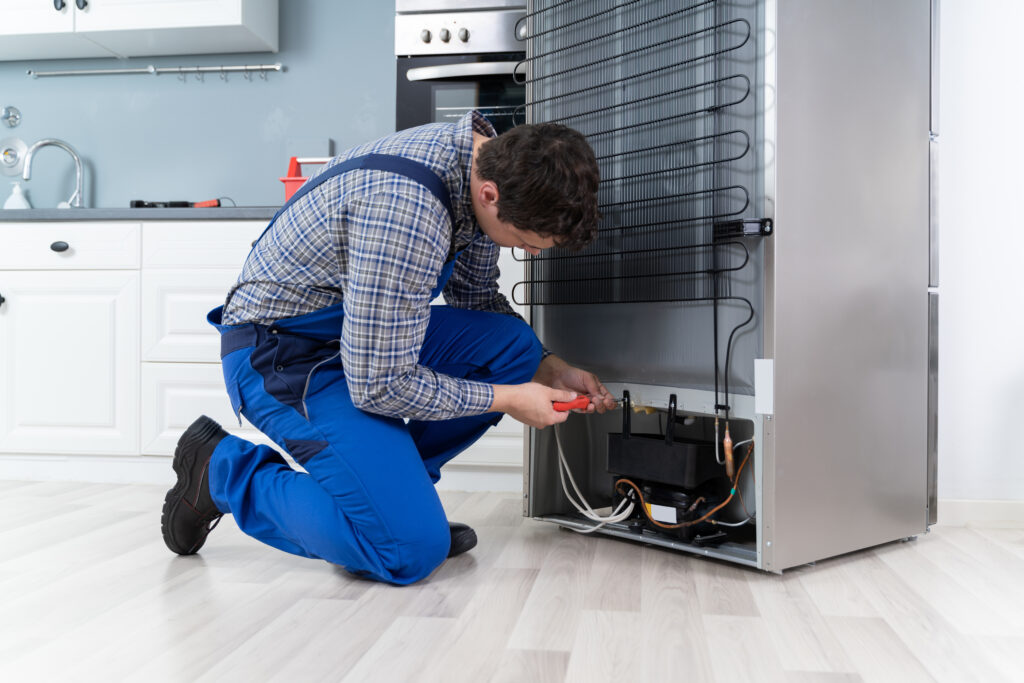
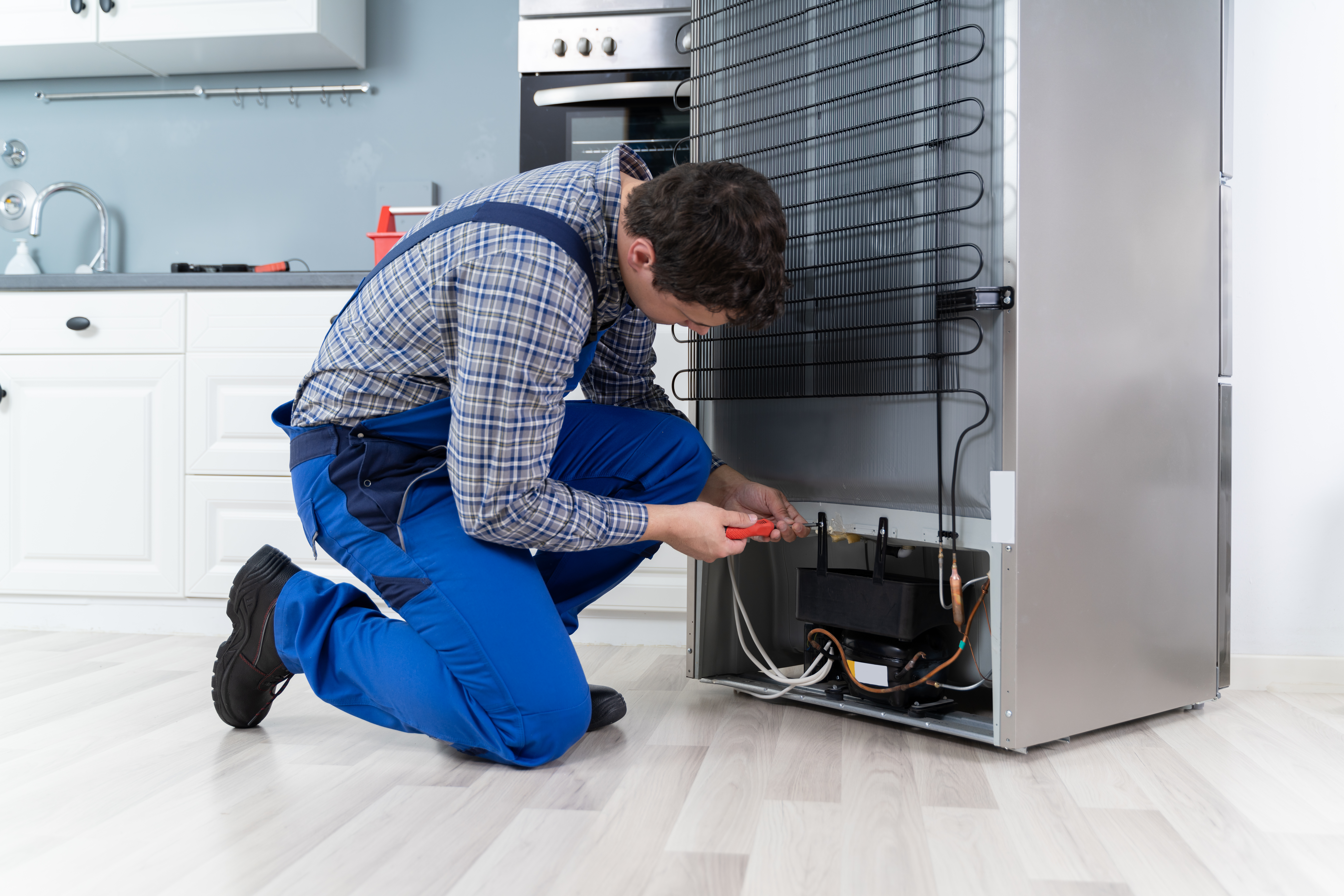
When a repair becomes necessary, homeowners can expect a technician to start with diagnostics. This typically includes a review of the unit’s history, a physical inspection, and voltage or temperature testing using specialized tools. For example, a digital multimeter may be used to assess continuity in electrical components. If replacement parts are required—whether it’s a thermostat, control board, or fan motor—they’re either stocked on the technician’s truck or ordered with a follow-up appointment scheduled.
Depending on the age and brand of the appliance, some parts may be difficult to source. This can impact both cost and turnaround time. Pricing varies widely depending on the problem; a simple defrost timer replacement may cost significantly less than a compressor failure. For homeowners without strong appliance knowledge, these scenarios can become overwhelming. This is where a comprehensive home warranty becomes a critical support system—simplifying logistics, minimizing out-of-pocket repair costs, and connecting you directly with qualified professionals.
The Role of Home Warranty Coverage in Refrigerator Repairs
A home warranty acts as a long-term cushion against sudden and expensive appliance breakdowns. In the case of side-by-side refrigerators, a warranty can cover essential mechanical components including compressors, thermostats, evaporator coils, and even ice makers, assuming they are explicitly listed in the coverage agreement. When something goes wrong, a claim is filed, and a qualified technician is dispatched to diagnose and resolve the issue—usually for a predetermined service fee rather than the full cost of repair or replacement.
Of course, coverage can vary. Wear-and-tear exclusions, pre-existing condition clauses, or specific model limitations might restrict eligibility. Reading the fine print of any home warranty plan is key. Yet for most homeowners, the peace of mind and cost consistency a warranty offers clearly outweigh occasional limitations. If your side-by-side refrigerator is more than a few years old or has experienced minor performance hiccups, investing in a home warranty may be a forward-thinking solution to an inevitable problem.
Maintenance Tips to Extend the Life of Your Appliance
While breakdowns can’t always be avoided, regular care significantly reduces the risk. Start by cleaning condenser coils twice a year to ensure proper heat dissipation. Keep the door seals intact by inspecting them regularly for wear and cleaning with mild soap to preserve elasticity. Ensure the vents within both compartments remain unobstructed, allowing air to flow freely between the fridge and freezer. Try not to overload either compartment; an efficient refrigerator operates best when airflow isn’t restricted by too many items densely packed together.
Additionally, replace water filters as recommended in your manufacturer’s guide—usually every six months. A clogged filter doesn’t just limit water flow, it puts strain on the dispenser system. Taking the time to address these small details goes a long way in extending your appliance’s lifespan and avoiding disruptive repair scenarios altogether.
Protect Your Refrigerator—and Peace of Mind—with Armadillo
Your side-by-side refrigerator likely runs nonstop, safeguarding your groceries and enabling your daily habits without noticeable appreciation. But just because you don’t see a problem doesn’t mean one isn’t brewing behind the paneling. That’s why smart homeowners turn to an equally smart solution—Armadillo. Backed by a streamlined digital experience, nationwide service network, and customizable plans, Armadillo covers the appliances and systems you rely on most, including side-by-side refrigerators.
Let your kitchen keep humming, uninterrupted by unexpected costs. See how Armadillo can protect your home by visiting armadillo.one. Ready to get started right now? Build your perfect plan at this link and take a confident step toward dependable home coverage today.