What Is a Side-by-Side Refrigerator and Why Do So Many Homeowners Choose One?
A side-by-side refrigerator is exactly what it sounds like. The freezer and the refrigerator compartments sit next to each other, divided vertically, each with its own door. It is one of the most popular refrigerator configurations on the market, and once you understand how it works, it is pretty easy to see why. You get eye-level access to both your frozen and fresh food, a layout that feels organized almost by default, and a footprint that works well in kitchens where you cannot afford a wide door swing. That said, like every appliance category, it comes with trade-offs worth knowing before you commit to one.
How a Side-by-Side Refrigerator Actually Works
At the core of any refrigerator is a refrigeration cycle, and a side-by-side unit runs on the same fundamental principles as any other configuration. A compressor pushes refrigerant through a closed loop. The refrigerant absorbs heat from inside the unit, then releases that heat outside. The freezer section typically runs colder, somewhere around zero degrees Fahrenheit, while the refrigerator side maintains temperatures between 35 and 38 degrees. Most modern side-by-side models use a single evaporator or dual evaporators to manage airflow between both compartments. The dual-evaporator design, which is more premium, keeps moisture and odors from transferring between the two sides. The control board coordinates everything, the fans distribute the cold air, and the defrost system prevents ice buildup from interfering with airflow. It sounds complicated, but the daily operation is completely invisible to you as a homeowner.
The Key Advantages of Owning a Side-by-Side Refrigerator
There are several reasons this refrigerator style has maintained such strong popularity over the decades. If you are evaluating whether a side-by-side makes sense for your home, these advantages deserve real consideration.
- Both compartments are accessible at eye level, which makes finding food faster and reduces time spent with the doors open.
- The narrow door swing on each side is ideal for kitchens with islands or limited clearance in front of the appliance.
- Most models include built-in ice makers and water dispensers in the freezer door, which is a convenience feature that is hard to give up once you have it.
- The vertical split keeps organization intuitive, with the freezer on the left and fresh food on the right in most configurations.
- Energy-efficient models in this category have improved significantly, making them more cost-effective to run than older units.
Common Drawbacks You Should Know Before Buying
No appliance is perfect, and the side-by-side refrigerator is no exception. The vertical compartment design, while convenient for access, means each side is narrower than what you would find in a comparable top-freezer or bottom-freezer model. Wide items like pizza boxes, large sheet pans, or party platters can be difficult to fit. The freezer compartment in particular tends to feel cramped for households that stock up on frozen goods. Additionally, side-by-side models are often more expensive to repair than simpler configurations because of the additional components involved, including ice makers, water lines, and dual fans. That complexity is also what makes them more susceptible to certain failure points over time.
Most Common Side-by-Side Refrigerator Problems Homeowners Face
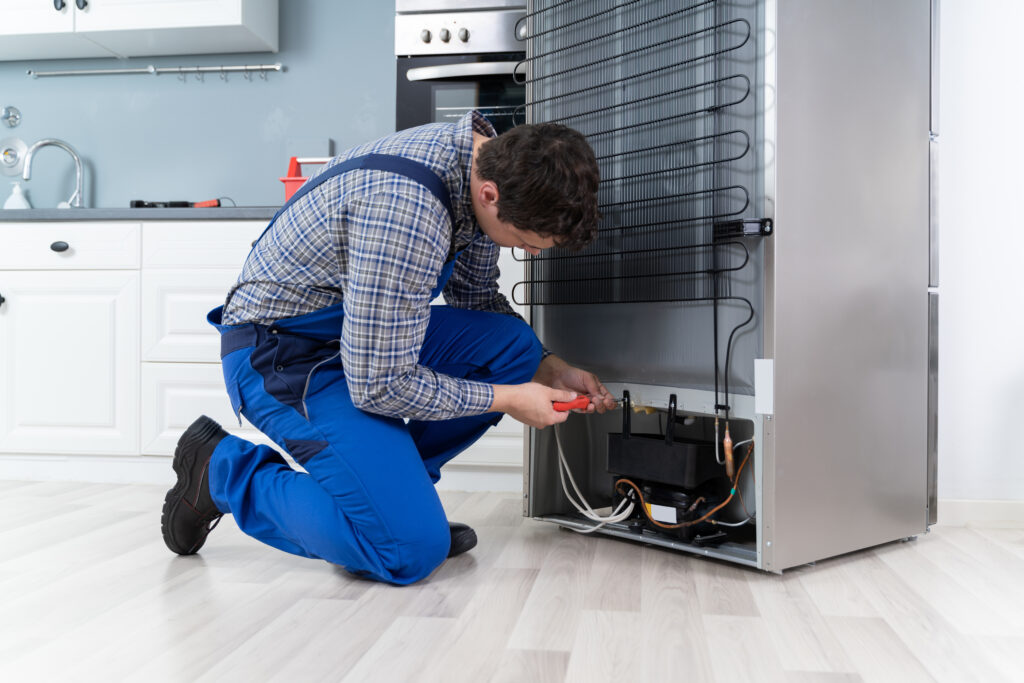
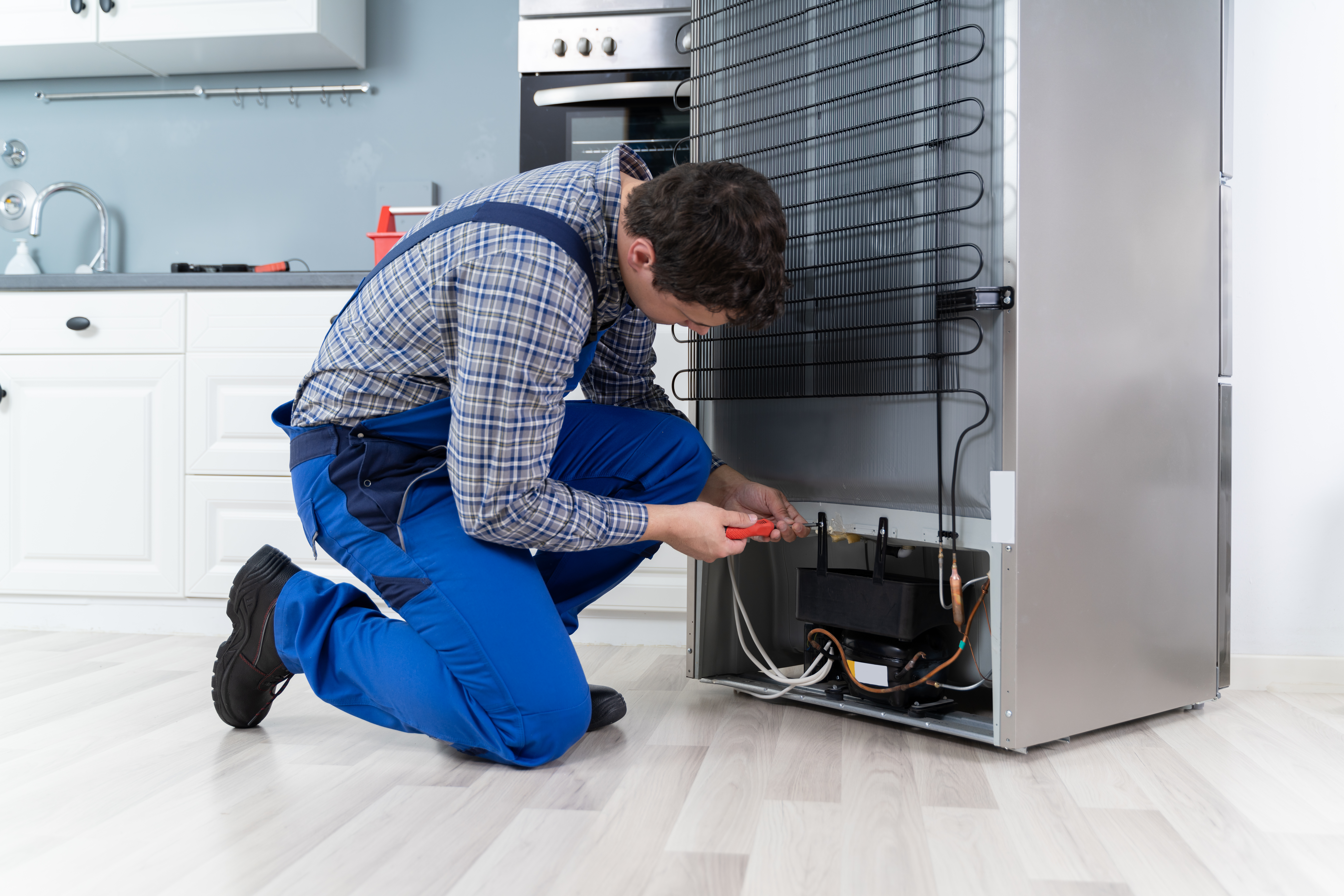
Understanding what tends to go wrong with a side-by-side refrigerator can help you catch issues early and avoid expensive repairs. Some of the most frequently reported problems include ice maker malfunctions, water dispenser failures, inconsistent cooling on either side, and frost buildup caused by a failing defrost heater or thermostat. The condenser coils, which are typically located at the back or underneath the unit, can accumulate dust and reduce efficiency if they are not cleaned periodically. Door gaskets wear out over time and allow warm air to seep in, forcing the compressor to work harder. Control boards can also fail, and when they do, the refrigerator may behave erratically or stop cooling altogether. These repairs vary widely in cost, and that unpredictability is something every homeowner should plan for.

How Long Should a Side-by-Side Refrigerator Last?
The average side-by-side refrigerator is built to last somewhere between 14 and 17 years, though real-world lifespan depends heavily on usage, maintenance habits, and the quality of the original unit. Higher-end models with premium components often push past that range, while heavily used units in busy households may start showing serious wear earlier. The compressor is generally the most critical component when it comes to longevity. A failing compressor is one of the more expensive repairs and, depending on the age of the appliance, can make replacement the more financially sound decision. Staying current on basic maintenance, such as cleaning coils, replacing water filters, and checking door seals, extends the useful life of the appliance considerably.
Side-by-Side Refrigerator Maintenance Tips That Actually Make a Difference
Refrigerator maintenance is one of those things most homeowners put off until something goes wrong. But a few consistent habits make a measurable difference in both performance and lifespan. Clean the condenser coils at least once a year, more frequently if you have pets that shed. Check the door gaskets regularly for cracks or tears that might allow warm air to enter. Replace the water filter every six months to maintain clean water and protect the internal filtration system. Keep the refrigerator from being overpacked, since adequate airflow inside both compartments is essential for consistent cooling. If you have a water and ice dispenser, inspect the water line periodically for any signs of moisture or slow leaks. These are not complicated tasks, but skipping them consistently adds up.
Is a Side-by-Side Refrigerator the Right Choice for Your Kitchen?
Choosing a refrigerator is more of a lifestyle decision than most people realize. A side-by-side works exceptionally well for households that prioritize organization, need a narrow door swing due to kitchen layout constraints, and want convenient access to both freezer and fresh food without bending down. It is less ideal for families that freeze large quantities of food or need to store wide items regularly. Budget is also a factor. Side-by-side models range significantly in price, and the repair costs associated with their added features, particularly ice makers and water dispensers, can be higher than simpler designs. Knowing your cooking and storage habits ahead of time makes this decision much more straightforward.
Why a Home Warranty Makes Sense When You Own a Side-by-Side Refrigerator
A side-by-side refrigerator is one of the hardest-working appliances in your home, running continuously, day and night, every single day of the year. When something goes wrong, the repair bills can arrive fast and without warning. A compressor replacement alone can cost several hundred dollars before labor is factored in. Ice maker repairs, control board replacements, and evaporator fan issues are not inexpensive either. That is exactly the kind of financial unpredictability that a home warranty is designed to address. At Armadillo home warranty coverage for major kitchen appliances, the focus is on giving homeowners straightforward, no-surprise protection for the systems and appliances they rely on most. If your side-by-side refrigerator runs into trouble, you should not have to choose between a repair and another financial priority. You can get a free home warranty quote for refrigerator repair protection in seconds and find out exactly what coverage makes sense for your home and budget.

Frequently Asked Questions About Side-by-Side Refrigerators
Here are answers to the questions homeowners ask most often about side-by-side refrigerators, how they work, how to maintain them, and when repairs are worth it.
What temperature should each side of a side-by-side refrigerator be set to?
The refrigerator compartment should be set between 35 and 38 degrees Fahrenheit, and the freezer compartment should be set at or near zero degrees Fahrenheit for safe food storage.
Why is my side-by-side refrigerator not cooling on one side?
Uneven cooling is often caused by a blocked air vent, a failing evaporator fan, frost buildup on the evaporator coils, or a malfunctioning defrost system. A technician should inspect the unit to identify the specific cause.
How often should I clean the condenser coils on my side-by-side refrigerator?
Condenser coils should be cleaned at least once per year. In homes with pets or high dust levels, cleaning every six months is a better practice to maintain efficiency.
Does a side-by-side refrigerator use more electricity than other types?
Side-by-side refrigerators can consume slightly more energy than top-freezer models due to their size and additional features, but modern Energy Star-rated models have significantly reduced the gap in energy consumption.
How long does a side-by-side refrigerator ice maker typically last?
Ice makers in side-by-side refrigerators typically last between 3 and 10 years depending on usage and water quality. Hard water can accelerate wear on the internal components.
Is it worth repairing a side-by-side refrigerator that is more than 10 years old?
It depends on the repair cost relative to the age and value of the unit. A general guideline is to avoid repairs that cost more than 50 percent of the replacement cost of the appliance, especially on units older than 10 years.
Why does my side-by-side refrigerator make a loud noise?
Unusual noises are commonly caused by a faulty evaporator fan, a worn condenser fan motor, ice buildup interfering with a fan blade, or a compressor that is beginning to fail.
Can a home warranty cover side-by-side refrigerator repairs?
Yes, many home warranty plans include coverage for refrigerators, including mechanical and electrical component failures. Coverage details vary by provider and plan, so reviewing the specific terms before purchasing is recommended.
What is the average cost to repair a side-by-side refrigerator?
Repair costs vary widely based on the component involved. Minor repairs like thermostat or fan replacements may run between 100 and 300 dollars, while compressor replacement can cost 400 to 700 dollars or more including labor.
How do I know if my side-by-side refrigerator door seal needs to be replaced?
A simple test is to close the door on a piece of paper and try to pull it out. If it slides out easily, the gasket is no longer creating a proper seal and should be replaced to prevent energy loss and cooling issues.