Why Your Sink Keeps Clogging and What You Can Actually Do About It
There are few household annoyances quite as persistent as a slow or fully clogged sink drain. It happens gradually, usually over weeks or months, and then one morning you are standing in an inch of murky water wondering what went wrong. The good news is that most sink clogs are entirely manageable with the right approach and a little patience. Understanding why drains clog, how to clear them safely using DIY methods, and when to call in backup can save you time, money, and a fair amount of frustration.
What Causes a Sink to Clog in the First Place
Sink drains are not mysterious systems, but they do accumulate a lot over time. In kitchen sinks, the primary culprits are grease, food particles, and soap residue that coat the interior walls of drain pipes. Over time, these layers build up and narrow the passage until water can barely move through. In bathroom sinks, the story is mostly about hair, toothpaste, and soap scum forming a stubborn blockage near the drain stopper or further down the P-trap. The P-trap is that curved pipe section directly beneath the sink, and it is one of the most common spots where debris collects. Knowing what you are dealing with before you reach for any tools makes the whole process a lot more efficient.
The Tools You Will Want on Hand Before You Start
Before diving into any drain-clearing method, having the right items within reach makes a real difference. You do not need a full plumber’s toolkit, but a few essentials help a lot. Here is a solid starting list to keep under your sink or in a basic home maintenance kit:
- A standard cup plunger or a flat-bottomed sink plunger
- Baking soda and white vinegar for a natural flush method
- A drain snake or hand auger for deeper blockages
- A pipe wrench or slip-joint pliers for P-trap access
- A bucket and old towels for catching water during disassembly
- Rubber gloves, because this job is not glamorous
DIY Sink Declogger Methods That Actually Work
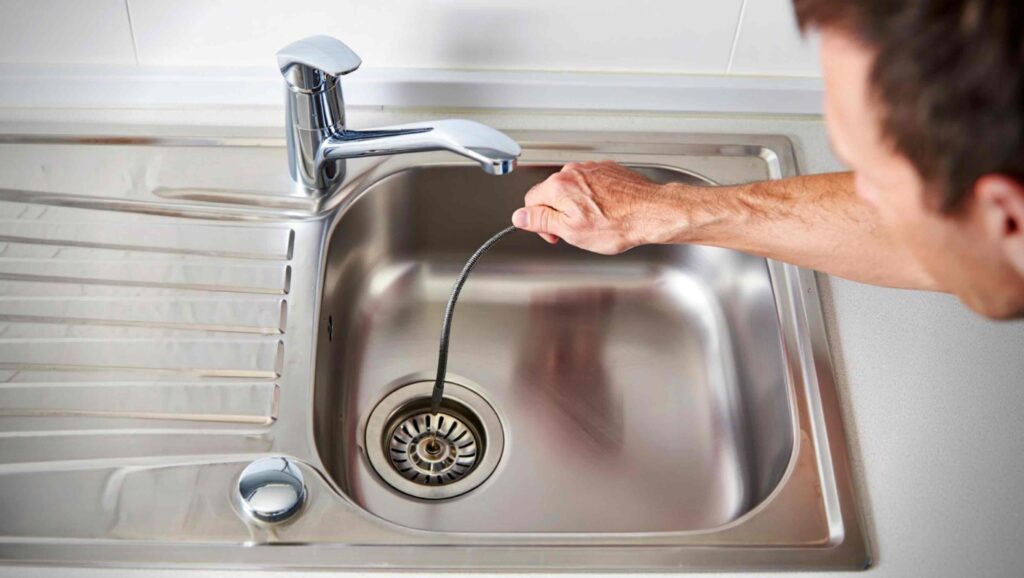
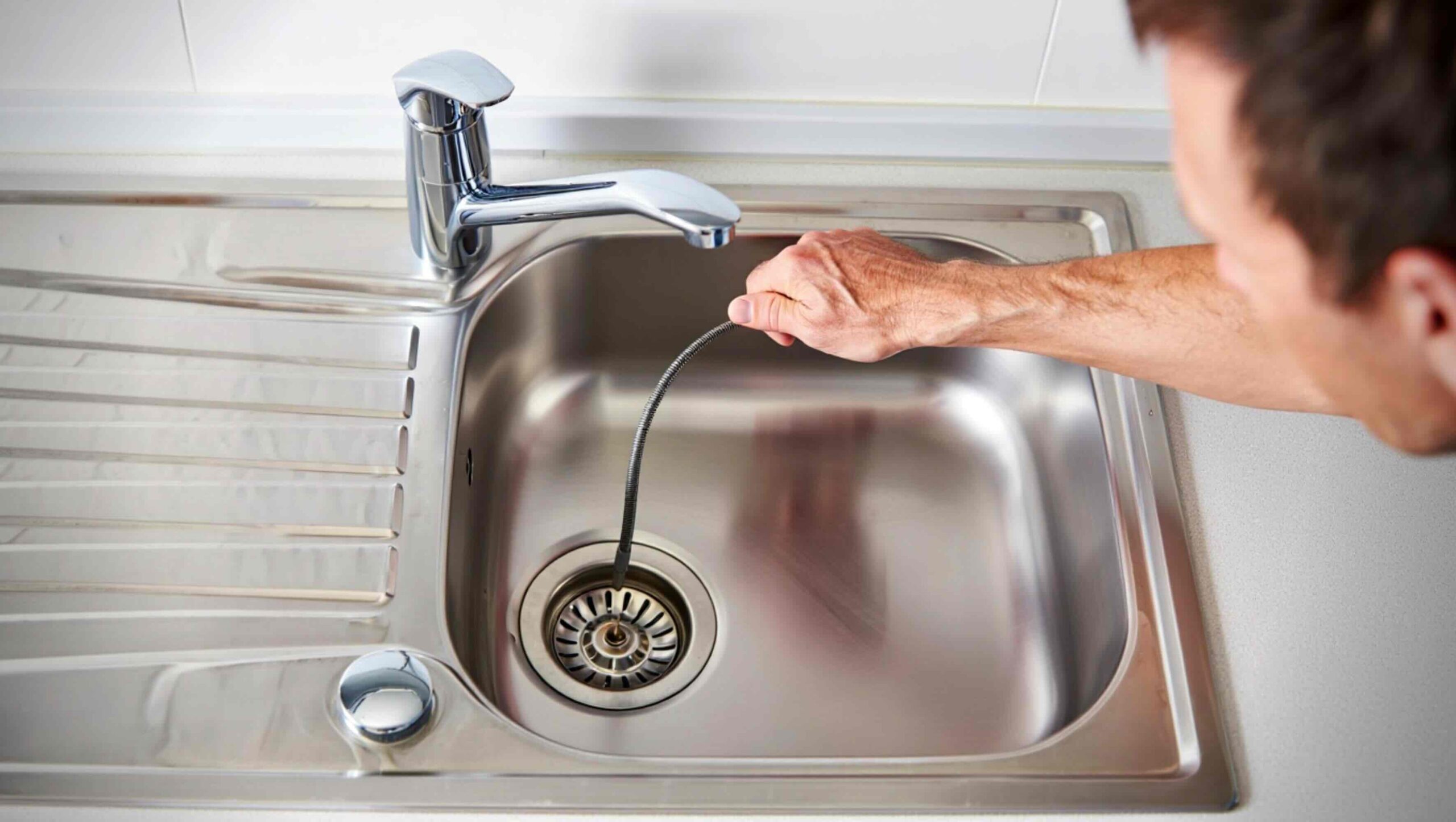
Starting with the least invasive option is always the smart play. The boiling water method works surprisingly well on grease-based kitchen clogs. Simply boil a full kettle and pour it slowly down the drain in two or three stages, pausing between each pour to let the hot water work through the buildup. For bathroom sinks, the baking soda and vinegar combination is a popular and genuinely effective approach. Pour about half a cup of baking soda directly into the drain, follow it immediately with half a cup of white vinegar, and then cover the drain opening for about fifteen minutes. Finish with a flush of hot water. The fizzing reaction helps dislodge soft blockages and neutralize odors at the same time. For more stubborn clogs, a plunger creates the necessary pressure to break up and push through whatever is sitting in the drain. Fill the sink with just enough water to cover the plunger cup, press firmly over the drain, and use quick, forceful up-and-down motions. If that still does not resolve the issue, a drain snake is your next move. Insert the cable into the drain opening and feed it down slowly until you feel resistance. Rotate and push to break up the clog, then withdraw the cable carefully.

When to Take Apart the P-Trap
If the methods above have not done the job, it is worth going directly to the source. The P-trap holds water intentionally to block sewer gases, but it also happens to catch debris. Clearing it manually is straightforward. First, put a bucket underneath the curved pipe to catch standing water. Use slip-joint pliers or simply unscrew the slip nuts by hand if they are not over-tightened. Remove the P-trap, empty its contents into the bucket, and use a small brush or your fingers to clear any buildup inside. Rinse it thoroughly, then reassemble. Test the drain with running water before declaring victory. This step alone resolves a significant number of persistent household clogs.
Chemical Drain Cleaners and Why to Use Them Cautiously
Chemical drain cleaners are widely available and heavily marketed, but they come with real trade-offs worth understanding. These products use caustic agents like sodium hydroxide or sulfuric acid to dissolve organic material in pipes. They can be effective on soft blockages, but repeated use corrodes older metal pipes and can damage PVC if used excessively or left sitting too long. They are also hazardous to handle and harmful if they contact skin or eyes. If you choose to use a chemical cleaner, follow product instructions precisely, ensure the space is well ventilated, and avoid mixing it with any other cleaning product. Enzymatic drain cleaners are a gentler alternative that use bacteria to break down organic matter over time. They work more slowly but are far safer for your pipes and your household.
Common Mistakes Homeowners Make When Unclogging Drains
A few missteps tend to make clogged drain situations worse rather than better. Pouring excessive boiling water into PVC pipes repeatedly can soften and warp the material over time. Using a wire coat hanger as an improvised snake can scratch pipe interiors and push debris further down rather than extracting it. Ignoring a slow drain and assuming it will clear itself usually results in a complete blockage down the line. And using chemical cleaners when you plan to plunge immediately after is genuinely dangerous because the splashback can cause serious harm. Taking a methodical, step-by-step approach is always safer and more effective than reaching for the most aggressive solution first.
How to Prevent Sink Clogs from Coming Back
Prevention is straightforward and takes almost no time once it becomes a habit. In the kitchen, avoid pouring grease or cooking oil down the drain under any circumstances. Run hot water for thirty seconds after every use to help flush residue through the pipes. Use a mesh drain strainer to catch food particles before they reach the drain. In the bathroom, clean the drain stopper weekly to remove accumulated hair and soap buildup. Every month or so, run a baking soda and hot water flush even when the drain seems fine. These small, consistent habits keep your drain system functioning well without requiring any tools or products beyond what you likely already have at home.
When a Clog Signals a Bigger Plumbing Problem
Not every clog is a simple fix. If multiple drains in your home are slow or backing up simultaneously, that points to a blockage in the main sewer line rather than an individual drain. Gurgling sounds coming from other fixtures when you run the sink, or water backing up into a nearby tub when you drain the sink, are also warning signs. Tree root intrusion, pipe collapse, and severe buildup in main lines are issues that require professional intervention and potentially significant repair. These are not situations where a DIY approach will resolve the problem. Recognizing the difference between a localized clog and a systemic plumbing issue protects you from making a manageable situation into a costly one.
How a Home Warranty Protects You When Plumbing Issues Go Beyond the Drain
Handling a simple sink clog yourself is empowering, and most homeowners can manage it without any professional help. But plumbing systems are complex, and not every issue stays contained to one drain. When problems escalate beyond DIY territory, repair costs can climb quickly, especially if main line blockages, pipe damage, or water leaks are involved. That is where having reliable home warranty coverage becomes genuinely valuable. Armadillo home warranty protection for plumbing and home systems is built around giving homeowners straightforward coverage without the fine-print frustration that tends to define this industry. When a covered plumbing failure happens, you are not left scrambling for a contractor or worried about what the repair bill will look like. If you want to understand exactly what your home systems coverage could look like, you can get a personalized home warranty quote for plumbing coverage in seconds and see what fits your home and your budget. The goal is simple: handle the small stuff yourself, and have a real safety net for everything else.

Frequently Asked Questions About DIY Sink Decloggers and Home Drain Maintenance
These are some of the most common questions homeowners ask when dealing with a clogged sink or trying to maintain their drain system over time.
What is the most effective DIY method for unclogging a sink drain?
The baking soda and vinegar method works well for mild to moderate clogs, especially in bathroom sinks. For kitchen grease clogs, combining hot water flushes with a plunger is often the most effective first approach. For deeper blockages, a hand-operated drain snake is the most reliable non-chemical tool available to homeowners.
Is it safe to use chemical drain cleaners regularly?
No, regular use of chemical drain cleaners is not recommended. These products can corrode metal pipes over time and damage PVC if used too frequently. They should be reserved for occasional use when other methods have failed, and always used strictly according to the product label instructions.
How do I know if my clog is in the P-trap or further down the pipe?
If water drains slowly but not completely, the clog is often in or just past the P-trap. If the drain is completely stopped and plunging does not help at all, the blockage may be further down the drain line and may require a snake or professional service to address.
Can I use boiling water on PVC pipes?
Repeatedly pouring boiling water into PVC pipes is not advisable because extreme heat can soften the material over time. Very hot tap water, just below boiling, is safer for PVC and still effective at loosening grease-based clogs.
How often should I clean my sink drains to prevent clogs?
A monthly maintenance flush using baking soda and hot water is sufficient for most households. Bathroom drains benefit from weekly removal of hair and soap buildup from the drain stopper, which is the most common source of bathroom sink clogs.
What does it mean when multiple drains are slow at the same time?
When several drains throughout the home slow down or back up simultaneously, it typically indicates a blockage in the main sewer line rather than individual drain pipes. This is a situation that requires professional plumbing service, as DIY methods are not effective for main line issues.
Will a home warranty cover clogged or damaged drain pipes?
Home warranty coverage for plumbing varies by provider and plan. Many plans cover plumbing system failures, including pipe leaks and stoppages within the home’s plumbing system. It is important to review your specific policy terms to understand what is and is not included before a problem arises.
Are enzymatic drain cleaners as effective as chemical ones?
Enzymatic drain cleaners work more slowly than chemical cleaners but are gentler on pipes, safer to handle, and more environmentally responsible. They are most effective as a preventive maintenance tool rather than for clearing a fully blocked drain.
Can tree roots cause a kitchen or bathroom sink to clog?
Tree root intrusion typically affects the main sewer line rather than individual fixture drain pipes, but the resulting blockage in the main line can cause backup symptoms that appear in sinks, tubs, and toilets throughout the home. A plumber with a camera inspection tool can diagnose root intrusion accurately.
What should I do if I reassemble the P-trap and it still leaks?
If the P-trap leaks after reassembly, check that the slip nuts are tightened securely and that the rubber washers inside the fittings are properly seated and not worn out. Replacement washers are inexpensive and available at any hardware store. If the pipe itself is cracked or damaged, the section will need to be replaced entirely.