What Is Sink Drain Venting and Why Does It Matter?
If you have ever noticed water draining slowly from your kitchen or bathroom sink, or heard a gurgling sound right after the water goes down, there is a good chance the drain venting system is involved. Sink drain venting is one of those behind-the-scenes components of your plumbing that most homeowners never think about until something goes wrong. And honestly, that is completely understandable. It is not exactly a glamorous topic. But it is an important one, and understanding how it works can save you from headaches, repair bills, and some genuinely unpleasant odors.
How Sink Drain Venting Actually Works
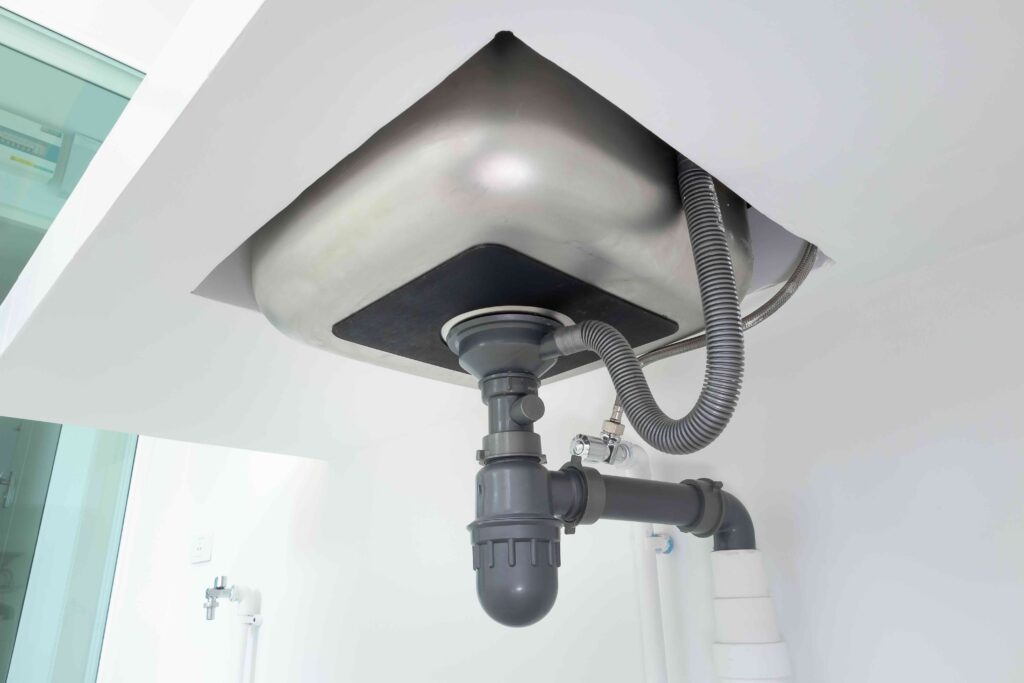
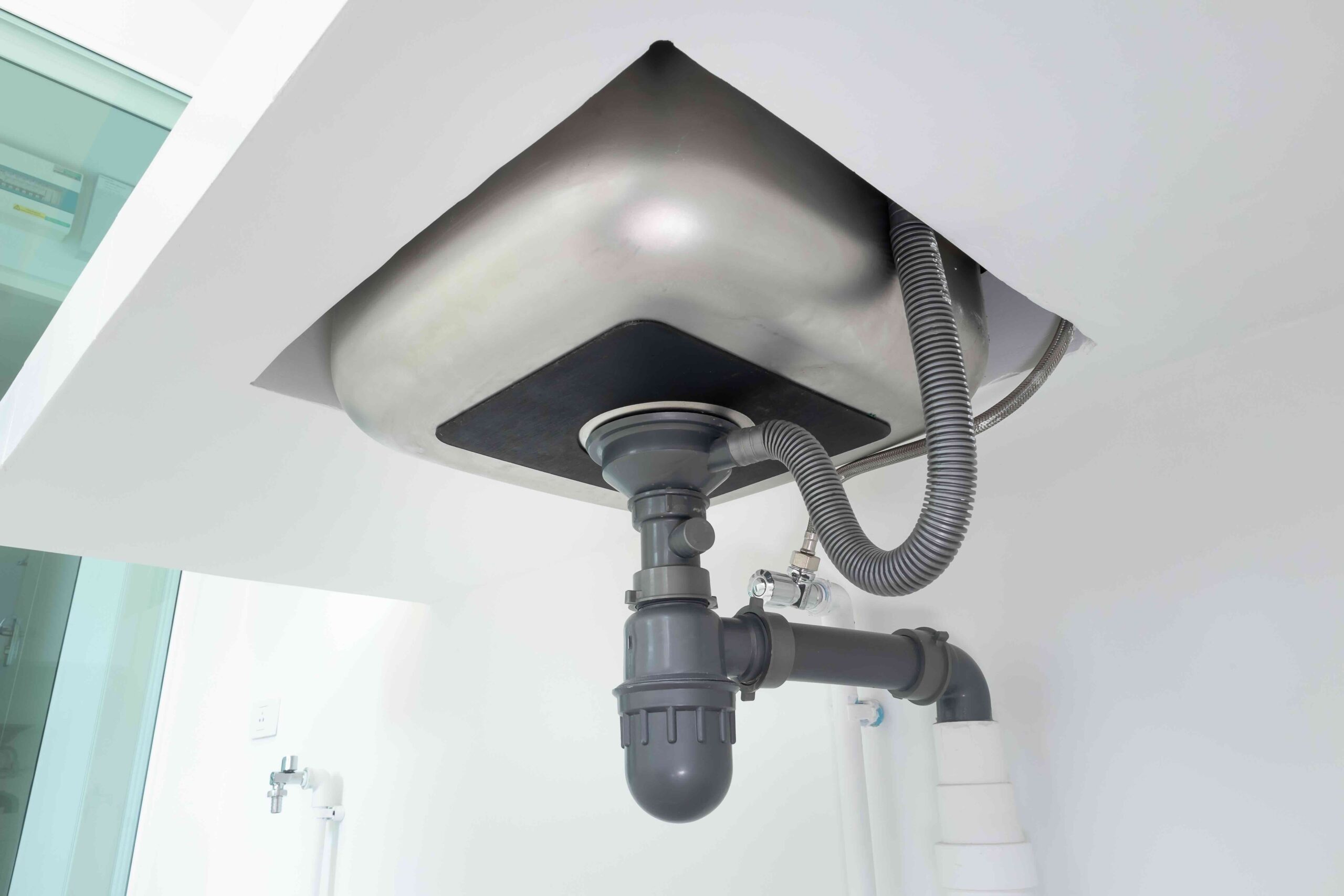
Here is the basic idea. Every drain in your home needs two things to function properly: a way for wastewater to flow out, and a way for air to flow in. Without air, the water in your drain pipes creates a vacuum effect as it moves, which disrupts the flow and can pull the water right out of your P-trap. The P-trap is that curved pipe section under your sink. It holds a small amount of water at all times, and that water acts as a seal that blocks sewer gases from entering your home. When the vent system fails or is absent, that trap gets siphoned dry, and suddenly your bathroom smells like a sewer. The vent pipe allows air to enter the drain system, balancing the pressure so water flows smoothly and the trap seal stays intact. Most vent pipes connect to the drain line and run up through the wall and out through the roof of the home.
Types of Sink Drain Venting Options
Not all homes are vented the same way, and not every sink has easy access to a traditional vent stack. Over the years, several venting methods have been developed to address different situations and layouts.
- True vent: The standard method, running a pipe vertically through the wall and out the roof. Reliable and code-compliant in virtually every jurisdiction.
- Air admittance valve (AAV): A mechanical one-way valve installed under the sink or in the wall cavity. It opens to let air in when the drain is in use and closes to prevent sewer gases from escaping. Useful in islands or remodels where running a full vent pipe is not practical.
- Wet vent: A single pipe that serves as both a drain pipe and a vent for multiple fixtures. Common in bathrooms where space is limited.
- Loop vent: Used in island sinks where connecting to a wall vent is not possible. The vent loops up under the countertop before connecting back to the drain.
Each method has its place depending on the layout of the home, local building codes, and the location of the sink being vented. A licensed plumber can help determine which option is appropriate for a specific situation.

The Key Advantages of a Properly Vented Sink Drain
When a sink drain is vented correctly, the benefits are practical and immediate. Water drains at the right speed without gurgling or bubbling. The P-trap holds its water seal, which means sewer gases stay where they belong. You also reduce the risk of slow drains becoming chronic problems that turn into bigger plumbing repairs down the road. Beyond the comfort factor, proper venting is a code requirement in most areas. When homes are inspected during a sale or renovation, improper or missing venting can be flagged as a deficiency that needs to be corrected before closing. That is a situation nobody wants to deal with mid-transaction.
Common Problems That Signal a Venting Issue
Venting problems tend to announce themselves in a few specific ways. The trouble is, homeowners often misread the signs and assume it is a clog when the real issue is air pressure. Knowing the difference can save time and money on unnecessary drain cleaning services.
- Gurgling sounds coming from the drain after water goes down
- Slow draining that persists even after the drain has been cleared
- Sewer odors in the bathroom or kitchen, especially near the sink
- Water backing up into nearby fixtures when the sink drains
- The P-trap drying out repeatedly, even in a regularly used sink
If any of these sound familiar, a plumbing inspection focused on the vent system is worth scheduling. A plumber can use a camera or pressure test to confirm whether venting is the culprit.
The Drawbacks and Limitations of Certain Venting Methods
As useful as air admittance valves are, they come with some caveats worth knowing. First, not every municipality accepts them as a substitute for traditional venting. Local code always takes precedence, so checking before installation matters. Second, AAVs are mechanical components, which means they can fail over time. The valve mechanism can wear out or get stuck, either letting sewer gases through or failing to open properly during drain use. Traditional vent pipes, while more involved to install, have no moving parts and can last as long as the home itself. The trade-off is installation complexity versus long-term reliability. Neither approach is universally superior. It depends on the specific situation.
What Homeowners Can Realistically DIY vs. When to Call a Plumber
Some parts of sink drain venting fall within the reach of a motivated homeowner. Replacing an air admittance valve under a sink, for example, is a relatively straightforward task if the existing AAV is accessible and the replacement is compatible. Clearing a blocked vent stack from the roof is another job that some homeowners tackle themselves, though it does require comfort with roof access and basic tools. However, running new vent pipe through walls, connecting to an existing vent stack, or troubleshooting a complex multi-fixture venting arrangement should be left to a licensed plumber. Improper venting is not just an inconvenience. It can lead to sewer gas exposure, which is a genuine health risk, and it can create permit issues if work is done without proper authorization.
How Sink Drain Venting Connects to Your Home Warranty
This is where things get practically useful for homeowners who carry a home warranty. Plumbing coverage under most home warranty plans typically includes the drain and vent lines within the home. If a vent pipe becomes blocked, damaged, or fails in a way that causes drain issues, that kind of repair may be covered depending on your plan terms. The important distinction is usually between failures caused by normal wear and those caused by pre-existing conditions or improper installation. Understanding what your plan covers before a problem surfaces is the kind of proactive thinking that makes home warranty coverage genuinely useful rather than a frustrating surprise.
Practical Maintenance Tips to Keep Your Drain Venting in Good Shape
Vent systems are generally low-maintenance, but there are a few things homeowners can do to avoid common issues. Roof vent openings can become blocked by leaves, bird nests, or debris over time, particularly in areas with heavy tree cover. An annual check of the roof vent during gutter cleaning season is a simple habit that can prevent bigger problems. Inside the home, avoid pouring grease or food waste down drains, as buildup in the drain pipe can eventually affect airflow near the vent connection. If you have an AAV under a sink, check it periodically for any sign of sewer odor near the cabinet, which can indicate the valve is no longer sealing properly and needs replacement.
Why Armadillo Is the Right Partner for Plumbing Peace of Mind
Plumbing problems have a way of showing up at the worst possible times, and vent-related issues are no exception. The slow drain that turns into a full diagnostic call, the gurgling that finally gets addressed after months of ignoring it, or the sewer smell that sends everyone out of the kitchen. These are the moments when having a home warranty makes a real difference. Armadillo home warranty plans built for modern homeowners are designed to cover the systems and appliances that matter most, including plumbing lines and drain components that keep your home functioning the way it should. If you are tired of guessing what a plumbing repair might cost or scrambling to find a vetted contractor on short notice, now is a good time to see what coverage looks like for your specific home. You can get a personalized home warranty quote that covers your plumbing and drain system in just a few minutes, with no pressure and no complicated fine print. Armadillo keeps it straightforward so homeowners can focus on what actually matters.

Frequently Asked Questions About Sink Drain Venting
These are the questions homeowners most commonly ask when they start looking into sink drain venting for the first time.
What happens if a sink drain is not vented?
Without proper venting, the drain creates a vacuum effect that disrupts water flow, causes gurgling, and can siphon the water out of the P-trap. Once the trap is dry, sewer gases can enter the home through the drain opening.
Can I add a vent to an existing sink drain?
Yes, in most cases. The method depends on the sink location and what access exists behind walls or in crawl spaces. An air admittance valve is often the simplest retrofit solution, but a licensed plumber should evaluate the setup before any work begins.
Are air admittance valves allowed by code everywhere?
No. While AAVs are accepted in many jurisdictions, some local codes still require traditional vent pipes. Always verify with your local building department before installing an AAV as a substitute for a conventional vent.
How do I know if my vent pipe is blocked?
Common signs include slow draining, gurgling sounds from the drain, and sewer odors near the sink. A plumber can confirm a blocked vent using a roof inspection, pressure test, or drain camera.
How long does a sink vent pipe typically last?
Traditional vent pipes made from PVC or ABS plastic can last several decades with no maintenance required. Cast iron vent pipes found in older homes can also last a long time but may corrode over many years and eventually need replacement.
Does a home warranty cover vent pipe repairs?
Many home warranty plans include coverage for interior plumbing lines, which can encompass vent pipes depending on the plan terms. It is important to review what your specific plan covers and whether pre-existing conditions or improper installation are excluded.
What is the difference between a wet vent and a dry vent?
A dry vent carries only air and is dedicated solely to venting the drain system. A wet vent carries both wastewater and air within the same pipe, serving a dual function. Wet venting is commonly used in compact bathrooms to reduce the number of pipes required.
Can a blocked vent cause a sink to overflow?
In severe cases, a blocked vent can restrict drain flow enough to cause water to back up, particularly if multiple fixtures are draining simultaneously. However, most vent blockages result in slow draining rather than overflow.
How much does it cost to vent a sink drain?
Cost varies depending on the method and the complexity of the installation. Installing an air admittance valve can be relatively inexpensive, while running a new vent pipe through walls and the roof is a more involved project that carries a higher labor cost. Getting multiple quotes from licensed plumbers is always a good idea.
Is a gurgling sink always a venting problem?
Not always. A partial clog in the drain line can also produce gurgling sounds. However, if clearing the drain does not resolve the gurgling, a venting issue is a likely next suspect worth investigating with a plumber.