What Is a Sink Faucet and Why Does It Matter More Than You Think
A sink faucet is one of those things that blends into the background of daily life until it stops working. You turn the handle, water comes out — simple enough. But there is actually quite a bit happening beneath that polished chrome surface. Faucets are precision-engineered fixtures that control water flow and temperature through a series of internal components, and the type you choose has real implications for your water bill, your plumbing system, and yes, your sanity when something goes wrong at 11 p.m. on a Tuesday. Understanding how sink faucets work, what makes one better than another, and how to protect yourself when repairs become necessary — that is what this article is here to help with.
How a Sink Faucet Actually Works
At its core, a faucet controls the flow of water from your supply lines to your sink basin. Cold and hot water enter through separate supply lines connected beneath the sink, and the faucet’s internal valve mechanism determines how much of each reaches the spout. There are a few different valve types that make this happen. Ball faucets use a rotating ball with chambers and springs to mix hot and cold water. Cartridge faucets rely on a sliding cartridge to control flow and temperature. Ceramic disc faucets use a cylinder containing two ceramic discs that rotate against each other. Compression faucets, the oldest design, use a rubber washer that compresses against a seat to stop water flow. Each design has its own quirks, lifespan, and repair profile — which matters a lot when something wears out.
The Different Types of Sink Faucets for Your Home
Faucets are also categorized by how they mount and how many handles they use. A single-hole faucet requires one mounting hole and typically uses one handle to control both temperature and flow. A three-hole faucet uses a center spout with separate hot and cold handles. Widespread faucets spread the handles and spout across three separate holes spaced further apart, giving a more custom, high-end look. There are also wall-mounted faucets, which attach directly to the wall above the sink rather than through the deck — those require more involved installation and are more common in vessel sink setups. For most homeowners replacing an existing faucet, matching the hole configuration of the current sink is the simplest path forward.

Key Advantages of Upgrading Your Sink Faucet
Replacing an older faucet can do more than improve the way your sink looks. Modern faucets come with a range of functional benefits that older models simply cannot match. Here are some of the most notable advantages worth considering:
- Water efficiency: WaterSense-certified faucets use 1.5 gallons per minute or less, compared to older faucets that may use 2.2 gallons per minute or more, leading to meaningful savings on your water bill over time.
- Improved temperature control: Ceramic disc valves in newer models offer more precise, reliable temperature management and are less prone to dripping or leaking.
- Touchless and smart options: Motion-activated and smart faucets reduce cross-contamination and offer programmable flow settings, which is genuinely useful in busy households.
- Longer lifespan: Quality faucets from reputable manufacturers can last 15 to 20 years with basic maintenance, far outlasting budget options that may fail within a few years.
- Better aesthetics: Modern finishes like matte black, brushed gold, and oil-rubbed bronze elevate the look of a bathroom or kitchen without a full renovation.
Common Drawbacks and Challenges to Be Aware Of
Faucet upgrades are not without their complications. One of the more frustrating realities is that installation, while seemingly straightforward, can quickly become a bigger job than expected. Access beneath a sink is often tight and awkward, supply line connections can corrode over time, and older plumbing connections may not be compatible with newer faucet designs. Water pressure inconsistencies can also affect faucet performance — a faucet rated for a specific flow range may underperform in homes with low water pressure. Additionally, touchless and smart faucets come with a higher upfront cost and introduce electronic components that can fail independently of the faucet’s mechanical parts. Understanding these limitations before purchasing helps avoid surprises during installation or early in the product’s lifespan.
What to Look for When Choosing a Sink Faucet
Choosing the right faucet requires more than picking a finish that matches your cabinet hardware. Material quality is a significant factor — solid brass construction is generally the most durable and corrosion-resistant, while zinc alloy and plastic components tend to degrade faster under daily use. Check for the ADA compliance label if accessibility matters in your household. Review the manufacturer’s warranty terms carefully, as some only cover finish defects while others extend to internal mechanical components. Flow rate and aerator quality should also be on your checklist, especially if water conservation is a priority. When in doubt, mid-range faucets from established brands often offer the best balance of quality, availability of replacement parts, and warranty support.
Sink Faucet Installation: What Homeowners Should Know
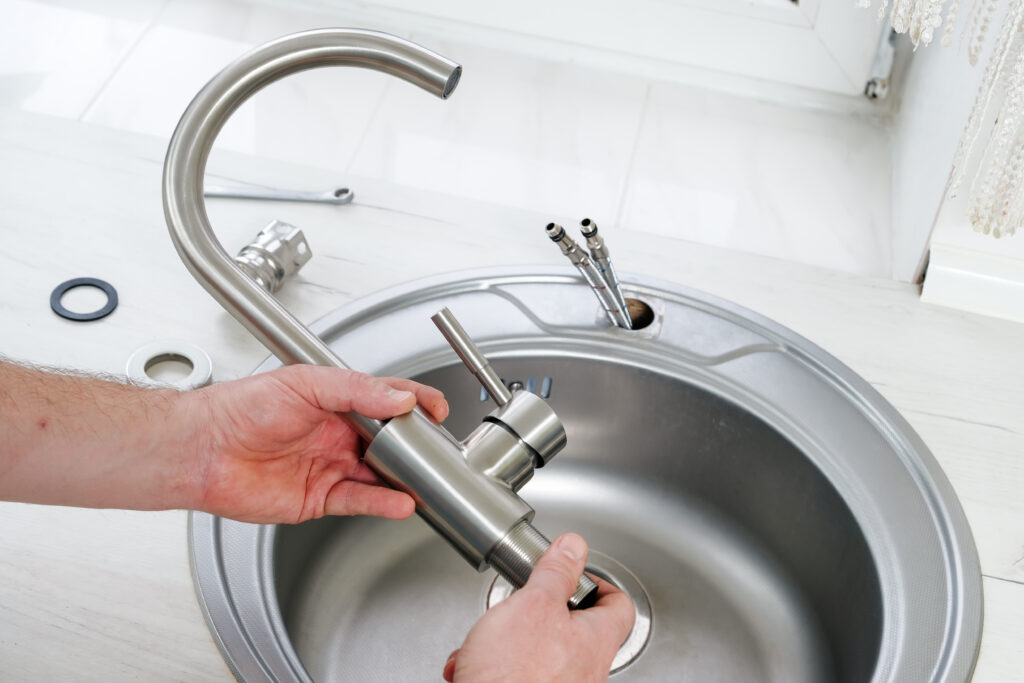
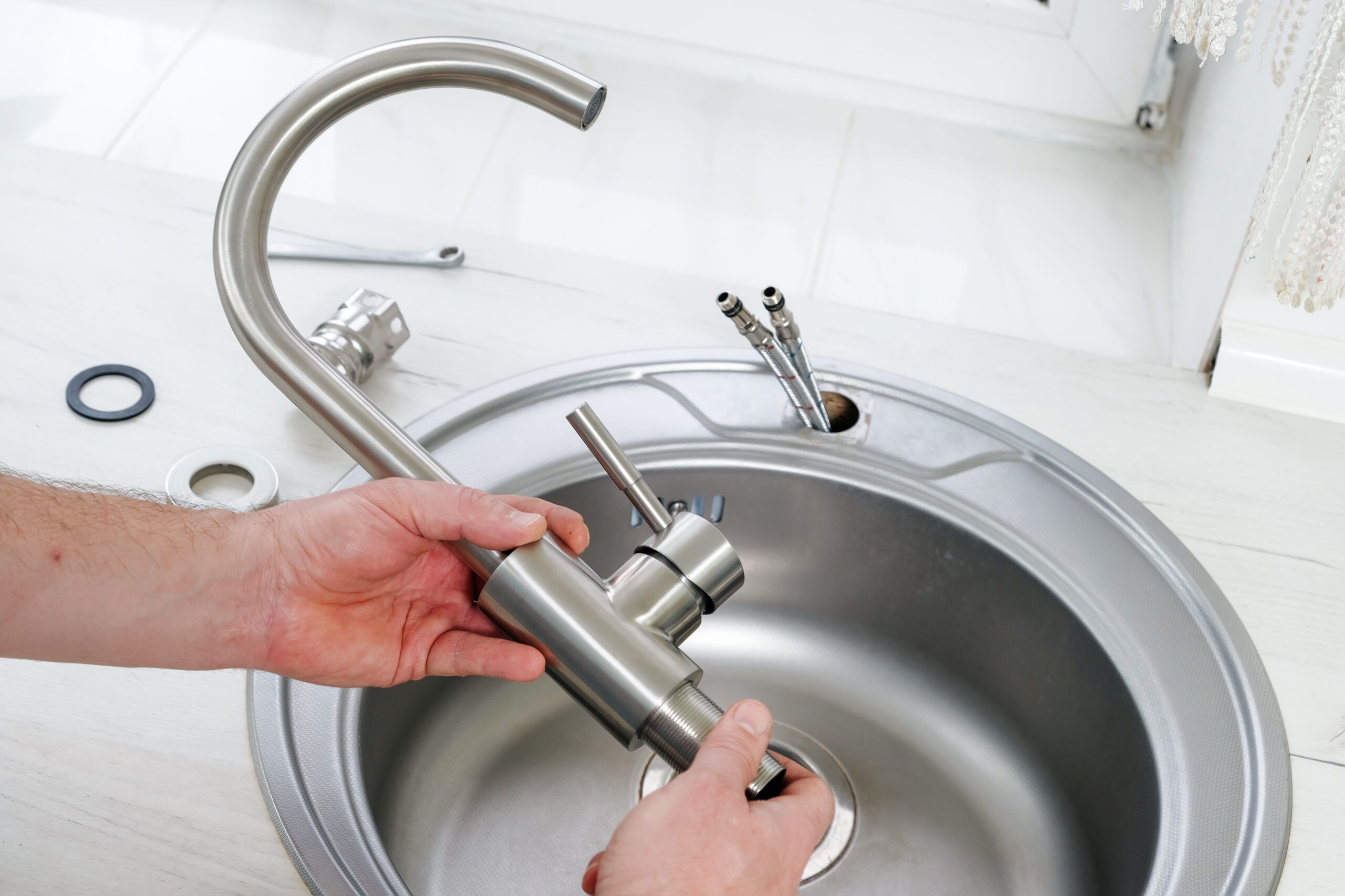
Many homeowners choose to install faucets themselves, and for a straightforward single-hole replacement, that is often a reasonable approach. The basic process involves shutting off the water supply valves beneath the sink, disconnecting the supply lines, removing the old faucet, and mounting the new one according to the manufacturer’s instructions. Where things get complicated is when supply lines are corroded, when the sink’s drain assembly needs adjustment, or when the new faucet requires different hole spacing than what currently exists. If any of those conditions apply, calling a licensed plumber is the smarter move. Improper installation can lead to leaks, water damage, and in some cases, voided manufacturer warranties — so the cost of professional installation is often well worth it.
How Often Should You Replace a Sink Faucet
There is no universal replacement schedule for sink faucets, but there are signs that it is time to act. Persistent dripping after replacing washers or cartridges, visible corrosion on the body or handles, a handle that wobbles or turns without full resistance, and a drop in water pressure at that specific fixture are all reliable indicators. Mineral buildup from hard water can also compromise faucet performance over time, particularly in regions where water treatment is limited. Routine cleaning of the aerator — the small screen at the tip of the spout — can extend faucet life noticeably. If a faucet is more than 15 years old and starting to show any of the above symptoms, replacement is usually more cost-effective than continued repairs.
Why Sink Faucet Problems Are Worth Including in Your Home Protection Plan
When a faucet fails, the immediate cost of parts and labor might seem manageable. But faucet problems rarely exist in isolation. A slow drip from a damaged internal valve can go unnoticed for weeks, quietly raising your water bill and contributing to moisture accumulation under the sink. That moisture creates conditions for mold growth, wood rot in cabinet bases, and corrosion on supply lines. What started as a minor faucet issue can evolve into a much more expensive repair involving cabinetry, flooring, or even structural subfloor damage. This is exactly why having a home warranty that covers plumbing systems matters. When your faucet or the supply components connected to it fail due to normal wear and tear, you want that repair covered — not coming out of pocket at the worst possible time.
That is where Armadillo home warranty plans for plumbing systems and fixtures come in. Armadillo was built for homeowners who want straightforward protection without the runaround — no confusing fine print, no arbitrary exclusions designed to leave you holding the bill. If you are tired of wondering whether your next repair is going to hit your emergency fund, now is a good time to get a free home warranty quote that covers sink faucets and plumbing repairs. It takes about two minutes and could save you a significant amount the next time something goes wrong under the sink.

Frequently Asked Questions About Sink Faucets
Here are answers to the questions homeowners ask most often about sink faucet installation, maintenance, and home warranty coverage.
How long does a sink faucet typically last?
Most quality sink faucets last between 15 and 20 years with regular maintenance. Budget faucets using plastic or zinc alloy components may fail significantly sooner, sometimes within five to seven years of installation.
Can I install a sink faucet myself or do I need a plumber?
A basic single-hole faucet replacement is a manageable DIY project for most homeowners. However, corroded supply lines, incompatible hole spacing, or low water pressure issues are signs that a licensed plumber should handle the job to avoid leaks or further damage.
What causes a faucet to drip after being turned off?
A dripping faucet is almost always caused by a worn internal component — a damaged washer in compression faucets, a worn cartridge in cartridge faucets, or deteriorated O-rings and springs in ball faucets. Replacing the faulty component usually resolves the drip.
Does a home warranty cover sink faucet repairs?
Many home warranty plans cover plumbing systems, which can include faucet repairs resulting from normal wear and tear. Coverage details vary by provider, so reviewing what is specifically included in your plan before a failure occurs is important.
What is a WaterSense-certified faucet and is it worth it?
WaterSense is a certification program backed by the EPA that identifies faucets using 1.5 gallons per minute or less without sacrificing performance. For most homeowners, the water savings over the lifespan of the faucet make the modest price difference worthwhile.
Why has my faucet’s water pressure dropped suddenly?
A sudden drop in pressure at a single faucet is usually caused by a clogged aerator or a partially closed supply valve. If cleaning the aerator does not resolve it, the issue may be with the cartridge or valve seat, or it could point to a broader plumbing pressure problem in the home.
What is the difference between a cartridge faucet and a ball faucet?
A cartridge faucet controls flow and temperature through a sliding cartridge mechanism and is generally easier to repair. A ball faucet uses a rotating ball with ports and springs and tends to develop leaks more frequently due to the higher number of internal components.
How do I know if my sink faucet is compatible with my existing plumbing?
Compatibility depends primarily on the number and spacing of mounting holes in your sink, the type of supply line connections, and your home’s water pressure range. Most faucet packaging lists the required mounting configuration and pressure specifications to help homeowners verify fit before purchasing.
Can hard water damage a sink faucet?
Yes. Hard water contains dissolved minerals that accumulate inside faucet components and on external surfaces over time. This buildup can restrict water flow, degrade internal valve components, and permanently damage finishes. Regular aerator cleaning and occasional descaling can significantly extend faucet life in hard water areas.
What finish is the most durable for a sink faucet?
Brushed nickel and oil-rubbed bronze are generally considered among the most durable and scratch-resistant finishes. Polished chrome is classic and easy to clean but shows water spots more readily. Matte black is popular and modern but can be more susceptible to fading depending on the quality of the coating.