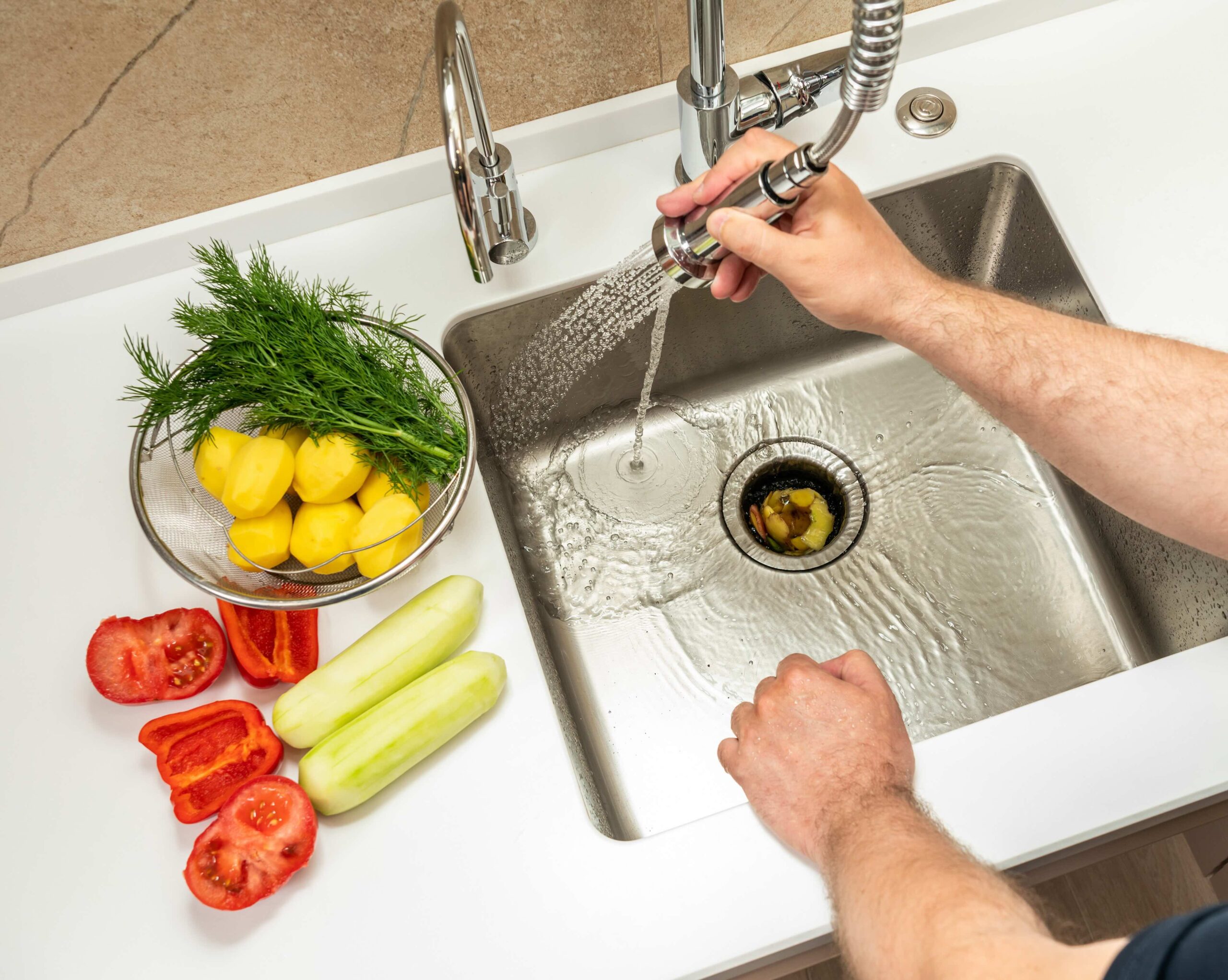
What Is a Sink Food Dispenser and Why Do Homeowners Love It?
If you have ever stood at your kitchen sink after a meal and wished there was a faster, cleaner way to handle food scraps, you have probably already considered a sink food dispenser, more commonly called a garbage disposal. These built-in kitchen appliances sit beneath the sink and connect directly to the drain, grinding up food waste so it can pass safely through your home’s plumbing system. They are one of those additions that, once you have one, feel almost impossible to live without. And yet, a lot of homeowners are still on the fence about whether they are worth the investment, the upkeep, and the occasional repair bill that might come with them.
How a Sink Food Dispenser Actually Works
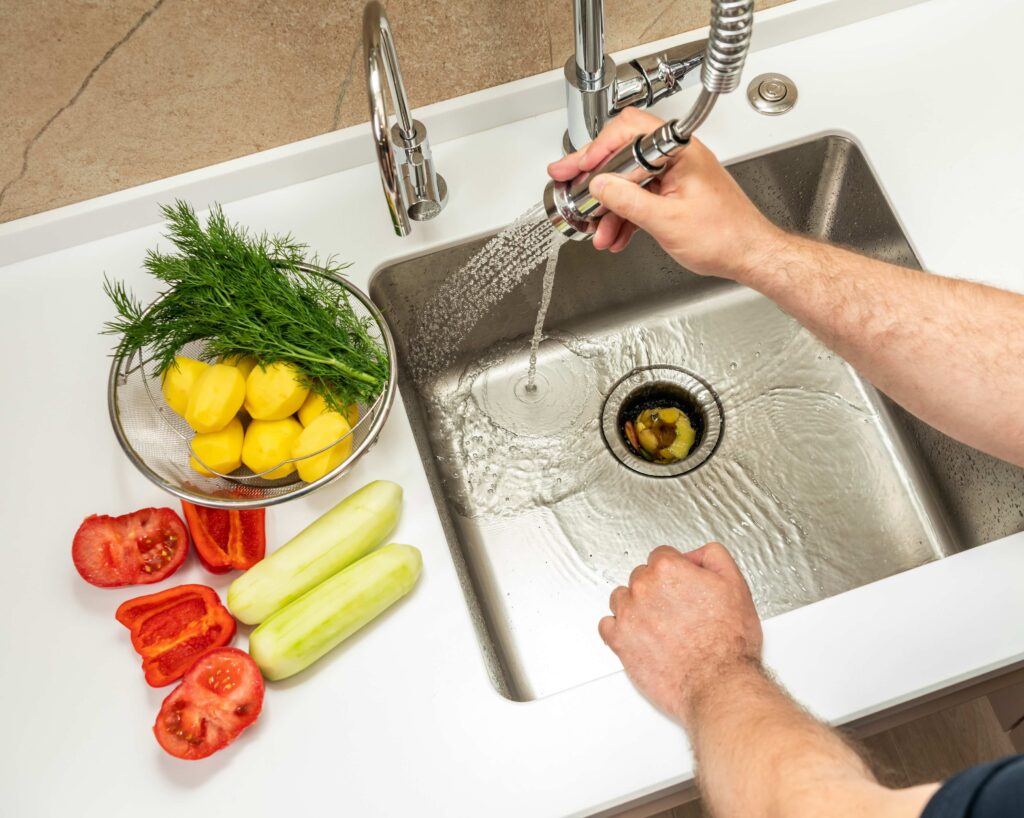
The mechanics here are not as complicated as you might think. A sink food dispenser mounts directly under the kitchen sink drain opening and connects to the drain pipe that leads to your home’s sewer or septic system. Inside the unit is a grinding chamber equipped with a spinning plate called an impeller. When you run water and activate the unit, food scraps fall into the chamber, and the impeller spins at high speed, forcing the waste against a stationary grind ring. The friction between the two surfaces breaks the food down into very small particles that can safely pass through your pipes and into the municipal water treatment system. Most units run on a standard 120-volt outlet. Some are hardwired directly, while others plug into a standard outlet beneath the sink. Activation can happen via a wall switch, a sink-mounted button, or even a motion sensor on newer models.
The Main Types of Sink Food Dispensers Available
Not all garbage disposals are created equally, and understanding the differences helps you make a smarter purchase decision. There are two primary categories worth knowing.
- Continuous feed disposals: These are the most common type. You flip a switch and the unit runs continuously while you feed waste into it. They tend to be more affordable and easier to install.
- Batch feed disposals: These require a special cover to activate. You load the waste, place the stopper, and then the unit runs. They are considered safer, particularly in homes with young children, but they cost more and operate more slowly.
Beyond these two categories, disposals also vary by motor size, typically ranging from one-third horsepower for light use to one and a half horsepower for heavy-duty performance. If your household regularly processes fibrous vegetables, fruit rinds, or larger quantities of food waste, a higher horsepower model is worth the added cost.
Key Advantages of Having a Sink Food Dispenser
There is a reason these appliances appear in the majority of American kitchens. The convenience factor alone makes a compelling case. Food scraps go directly down the drain rather than sitting in a trash can, which reduces odors, discourages pests, and cuts down on how often you need to take out the garbage. For busy households, that is a meaningful quality-of-life improvement. Beyond convenience, there is an environmental angle worth considering. When food waste goes into a landfill, it produces methane as it decomposes, which is a potent greenhouse gas. Routing it through a municipal water treatment system, where it can potentially be converted into biogas or fertilizer, is often a better environmental outcome. Finally, kitchen cleanup becomes noticeably faster. Rinsing plates, prepping vegetables, and clearing the counter after cooking all feel less like chores when you are not managing every scrap individually.

Common Drawbacks and Limitations to Consider
No appliance is without its trade-offs, and a sink food dispenser is no exception. Plumbers and home experts consistently point out that disposals can contribute to clogged pipes if misused. Certain foods, including fibrous greens like celery, starchy items like potato peels, and expandable foods like pasta or rice, can cause significant drainage problems. Grease and fats should never go into a disposal, regardless of what the marketing materials might suggest. There is also the question of noise. Standard models can be quite loud during operation, which some households find disruptive. Quieter models do exist but come at a higher price point. And while disposals are not terribly expensive to purchase, installation costs, and eventual repair or replacement costs, can add up over time. A unit that fails mid-use or starts leaking can quickly become an inconvenient and costly problem.
What Foods Should and Should Not Go Into a Disposal
Knowing what your disposal can handle will extend its lifespan significantly. Most soft food scraps process without issue, including cooked meats, soft fruits, small bones from fish or chicken, and most cooked vegetables. However, there is a fairly clear list of items that should always go into the trash instead.
- Grease, oils, and fats: These solidify in pipes and cause serious blockages over time.
- Fibrous vegetables: Celery, artichokes, and asparagus can tangle around the impeller.
- Starchy foods: Potato peels and pasta expand with water and create thick paste-like clogs.
- Coffee grounds: They appear harmless but accumulate quickly and block drain lines.
- Eggshells: A debated topic, but the membrane inside can wrap around components and cause issues.
Installation Basics and When to Call a Professional
Installing a sink food dispenser is within the skill range of many DIY-oriented homeowners, particularly when replacing an existing unit. Most disposals come with a mounting system and wiring that connects to the existing setup under the sink. However, if you are installing one for the first time, the project often involves running a dedicated electrical circuit and adjusting drain plumbing. That combination of electrical and plumbing work is where mistakes can become expensive. A licensed plumber or electrician can handle the installation efficiently, and the added cost is typically worth it for the peace of mind. On average, professional installation runs between one hundred fifty and four hundred dollars depending on your region and the complexity of the job.
Maintenance Tips to Keep Your Disposal Running Smoothly
Routine maintenance goes a long way with these appliances. Running cold water before, during, and after use helps flush debris fully through the drain. Grinding ice cubes periodically helps clean the grinding components without chemicals. A mixture of baking soda and white vinegar poured down the drain once a month controls odors naturally. If the unit stops working, check for a reset button on the bottom of the unit before assuming it needs repair. Many disposals also come with a small hex wrench slot at the base that allows you to manually clear a jam. Keeping these simple habits in place can extend the life of your unit by years.
How Home Warranty Coverage Applies to Sink Food Dispensers
Here is where homeowners often get caught off guard. A sink food dispenser is a covered appliance under many home warranty plans, but the specifics vary widely depending on the provider and plan tier. Some plans cover mechanical failures due to normal wear and tear, meaning if the motor burns out or internal components fail, you are covered. What most plans will not cover is damage caused by misuse, such as jamming the unit with prohibited food items, or pre-existing conditions discovered at the time of a service call. It is worth reading your warranty agreement carefully to understand exactly what qualifies as a covered failure versus a maintenance issue or user error. Understanding that distinction upfront prevents frustration when it matters most.
Why Armadillo Is the Smart Choice for Homeowners Who Take Kitchen Appliances Seriously
A garbage disposal seems like a small thing until it stops working on a Sunday evening with a sink full of dishes and no easy fix in sight. That is exactly the kind of moment a reliable home warranty plan was designed for. home warranty coverage built around protecting your kitchen appliances and plumbing systems should not feel complicated or full of fine print surprises. Armadillo approaches home protection differently. Plans are straightforward, service is responsive, and the focus is always on making homeownership feel less stressful. Whether you are protecting a newly installed disposal or trying to get ahead of aging appliances throughout the home, get a free home warranty quote for garbage disposal and kitchen appliance protection and see exactly what kind of coverage fits your situation. You might be surprised how affordable real peace of mind can be.

Frequently Asked Questions About Sink Food Dispensers
Below are answers to the most common questions homeowners ask about sink food dispensers, from installation to home warranty eligibility.
What is the average lifespan of a sink food dispenser?
Most garbage disposals last between eight and fifteen years with proper maintenance and responsible use. Higher-quality units with larger motors tend to outlast budget models.
Can a garbage disposal damage my home’s plumbing?
When used correctly, a disposal poses minimal risk to your plumbing. Problems arise when prohibited items like grease, starchy foods, or fibrous vegetables are processed regularly over time.
Is a sink food dispenser covered under a home warranty?
Many home warranty plans do include garbage disposal coverage, typically for mechanical failures resulting from normal wear. Misuse or improper installation is generally excluded from coverage.
How much does it cost to replace a garbage disposal?
The unit itself typically ranges from seventy-five to five hundred dollars depending on the motor size and features. Professional installation adds between one hundred fifty and four hundred dollars in labor costs.
Can I install a sink food dispenser myself?
Replacing an existing unit is manageable for experienced DIYers. First-time installations that require new plumbing or electrical connections are better handled by a licensed professional.
What should I do if my garbage disposal stops working?
Start by pressing the reset button located on the bottom of the unit. If that does not resolve the issue, use the hex wrench slot to manually clear a potential jam. If neither works, contact a repair technician.
Are there garbage disposals that work with septic systems?
Yes. There are disposal models specifically designed for septic-compatible use. These units inject enzymes into the waste to help break it down before it reaches the septic tank, reducing strain on the system.
How do I reduce odors from my garbage disposal?
Running cold water during and after each use helps clear debris. Monthly cleaning with baking soda and white vinegar, along with occasional ice cube grinding, controls buildup and eliminates most odor issues.
What horsepower do I need in a garbage disposal?
A half-horsepower model works for light use in smaller households. Families that cook frequently or process larger amounts of food waste should consider a three-quarter to one horsepower unit for reliable performance.
Does a sink food dispenser require a dedicated electrical circuit?
Most disposals operate on a standard 120-volt outlet. Some local electrical codes require a dedicated circuit, particularly for higher horsepower models. Checking with a licensed electrician before installation is always a good idea.