When Your Sink Won’t Drain But There’s No Clog in Sight
You pour water down the sink and stand there watching it go absolutely nowhere. You check for a clog — nothing obvious. No backed-up food debris, no hair nest, nothing you can pull out. And yet, the water just sits there, slowly creeping down like it has somewhere better to be. This is a surprisingly common situation for homeowners, and the answer is almost never as simple as grabbing the plunger. A sink that drains slowly or refuses to drain at all without a visible clog usually points to something deeper going on inside your plumbing system — and knowing what to look for can save you time, money, and a lot of frustration.
What “No Clog” Actually Means for Your Drain
Here is the thing about clogs — not all of them are surface level. When most people check for a clog, they look at the strainer or just inside the drain opening. But a clog can form several feet down the pipe, well beyond where you can see or reach without tools. Soap scum, grease, mineral buildup from hard water, and even toothpaste residue accumulate on pipe walls over time and gradually narrow the channel water flows through. Eventually, the flow slows to a near stop. The drain looks clear at the surface, but the restriction is hiding further down the line. This is sometimes called a partial blockage or a buildup restriction, and it behaves differently than a full-on clog because water does move — just painfully slow.
Common Reasons a Sink Drains Slowly Without an Obvious Blockage
There are several reasons your sink might be draining slowly even when you cannot find anything blocking it. Understanding these causes helps you troubleshoot more effectively before calling a plumber.
- Soap scum and grease coating the interior walls of the drainpipe, especially in kitchen and bathroom sinks
- Hard water mineral deposits that have narrowed the pipe diameter over years of use
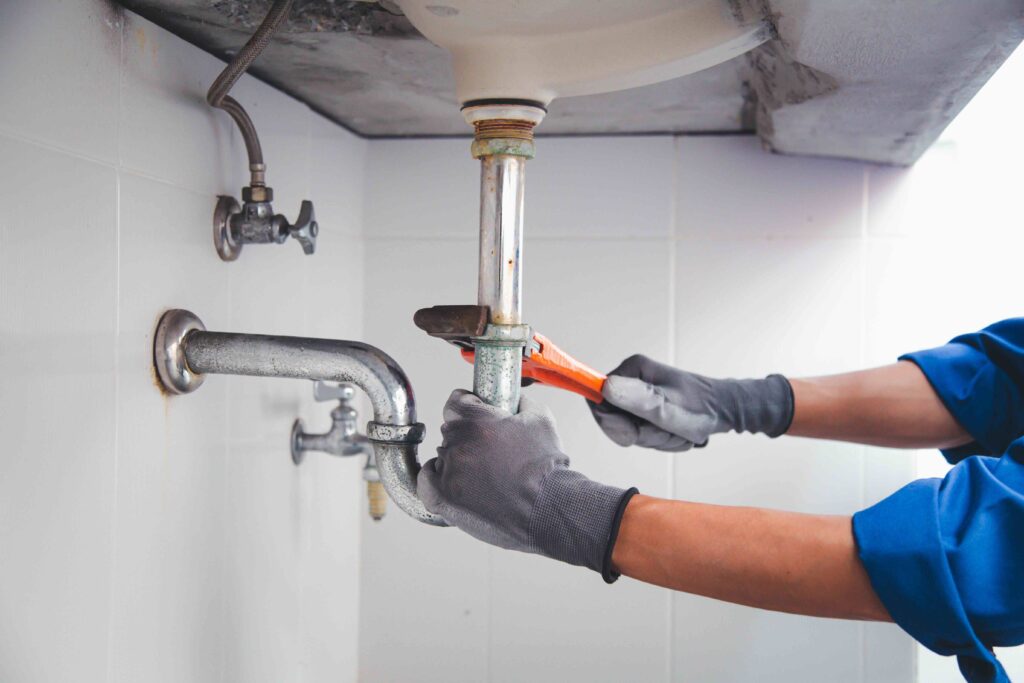
- A partially closed or malfunctioning P-trap that is not allowing proper flow
- Venting problems in the plumbing system that prevent air from releasing properly and create a vacuum effect
- Tree root intrusion in main sewer lines, which affects multiple drains throughout the home
- Pipe slope issues where the drain line was not installed at the correct angle to promote gravity-fed drainage
Each of these causes requires a different approach, which is why guessing your way through the fix can sometimes create more problems than it solves.
The Role of Plumbing Vents in Drain Performance
This one catches a lot of homeowners off guard. Your home’s plumbing system relies on a network of vent pipes that run through the walls and exit through the roof. These vents allow air to enter the system so water can drain freely. When a vent becomes blocked — usually by debris, bird nests, or leaves — it creates negative pressure inside the pipes. The result is slow drainage, gurgling sounds at the drain, or that unsettling glug-glug noise after water finally disappears. If multiple drains in your home are slow simultaneously, a venting issue is actually more likely than individual clogs in each location. It is worth checking your roof vents if you are dealing with widespread slow drain problems.
How to Diagnose the Problem Before Calling a Plumber
A little detective work goes a long way here. Start by noting which drains are affected. If it is just one sink, the issue is probably isolated to that drain line. If multiple drains are slow or you hear gurgling sounds in one drain when another is running, you are likely dealing with a venting problem or a main line issue. Run hot water down the drain for a few minutes and see if that improves things temporarily — that can indicate soap or grease buildup that softens with heat. Check if the pop-up stopper in your bathroom sink is closing partially; sometimes that small rubber stopper gets coated in residue and does not lift all the way, restricting flow. These simple checks can tell you a lot before anyone has to open a wall or pull out a drain snake.

DIY Fixes That Actually Work for Slow Drains
Before you reach for harsh chemical drain cleaners — which can damage pipes over time and are rarely a permanent fix — there are some genuinely effective approaches worth trying. Pouring boiling or very hot water down the drain in slow, steady pours can dissolve soap and grease buildup effectively in many cases. A mixture of baking soda followed by white vinegar creates a fizzing reaction that can break up soft deposits inside the pipe. A drain snake or auger, available at any hardware store, lets you reach deeper into the pipe to break up or retrieve whatever is restricting flow. For bathroom sinks specifically, removing and cleaning the pop-up stopper and the pivot rod mechanism often reveals a shocking amount of hair and soap residue that was never visible from above.
When DIY Stops Being Enough
There is a point where the problem is clearly beyond a weekend fix, and recognizing that threshold matters. If you have tried multiple approaches and the drain is still slow, if the issue keeps returning within weeks of clearing it, or if you notice water backing up in other fixtures when you use a particular sink, it is time to call a licensed plumber. Recurring slow drains often indicate a systemic issue — either a significant buildup deep in the drain line, a venting problem, or early signs of pipe damage. Older homes with cast iron or galvanized steel pipes are especially vulnerable to corrosion buildup on the interior walls, and no amount of snaking or chemical treatment will fully address that long-term without professional intervention.
The Real Cost of Ignoring a Slow Drain
A sink that drains slowly feels like a minor inconvenience, and that is exactly why homeowners tend to put it off. But slow drains can signal the beginning of more serious plumbing problems. Persistent backflow pressure can stress pipe joints. Partial blockages that go unaddressed can become complete blockages — and a completely blocked drain that overflows creates water damage, which is a much bigger and more expensive problem. In some cases, recurring drain issues are the first visible symptom of a failing sewer line, which can cost thousands of dollars to repair or replace if it is left unchecked long enough. Catching plumbing problems early, even ones that seem minor, is almost always significantly less expensive than addressing the consequences later.
Understanding What a Home Warranty Covers for Plumbing Issues
Home warranties and plumbing coverage are a genuinely useful combination for situations exactly like this one. Many homeowners are surprised to learn that a home warranty plan can cover plumbing system repairs, including components like drain lines, pipe stoppages, and the mechanical parts of your plumbing that fail due to normal wear and tear. Coverage details vary by provider and plan, but the basic principle is that when a covered plumbing component fails, the warranty provider coordinates and covers the repair cost — meaning you are not facing a surprise plumbing bill with no budget for it. Drain stoppages and plumbing failures are among the most common home warranty claims filed, which tells you something about how frequently these issues come up for everyday homeowners.
Why Armadillo Is Worth Knowing About When Plumbing Problems Surface
When a sink that will not drain turns into a plumbing repair you did not budget for, having the right coverage in place changes everything. Armadillo is built specifically for homeowners who want straightforward, reliable protection without the confusion and fine print that tends to define the home warranty industry. If you are looking for a home warranty plan that covers plumbing repairs and drain system failures, Armadillo offers coverage designed to handle exactly the kinds of issues that show up without warning — like the plumbing problem hiding behind what looked like a simple slow drain. The process is transparent, the coverage is clear, and getting started takes minutes. You can get a free home warranty quote for plumbing and drain line coverage and see what a plan looks like for your specific home before committing to anything. Plumbing problems do not wait for a convenient time, and neither should your coverage.

Frequently Asked Questions About Sinks That Won’t Drain With No Clog
Why is my sink draining slowly when there is no visible clog?
Slow drainage without a visible clog is usually caused by buildup inside the pipe walls, a partially restricted P-trap, a blocked plumbing vent, or a deeper obstruction further down the drain line that cannot be seen from the surface.
Can a plumbing vent cause a sink to drain slowly?
Yes. Blocked or improperly functioning plumbing vents create negative pressure inside drain pipes, which slows drainage significantly. This is especially likely if multiple drains in the home are slow at the same time or if you hear gurgling sounds.
Is it safe to use chemical drain cleaners on a slow drain with no clog?
Chemical drain cleaners can provide temporary relief but are generally not recommended for repeated use. They can corrode older pipes, damage rubber seals, and often fail to address the root cause of the slow drainage problem.
How do I know if the problem is in the main sewer line versus a single drain?
If only one drain is affected, the issue is likely isolated to that specific line. If multiple drains throughout the home are slow or backing up, especially on the same level, the problem is likely in the main sewer line or a shared drain line.
Can tree roots cause a single sink to drain slowly?
Tree root intrusion typically affects the main sewer line rather than an individual drain. If a single sink is slow, roots are less likely to be the cause unless that particular drain line runs close to tree root activity.
What does it mean when my sink drains slowly only in the morning?
Drains that perform differently at different times of day may be affected by temperature changes, water pressure fluctuations, or the volume of water usage from other fixtures. Soap and grease buildups also tend to harden overnight, which can slow morning drainage until warm water softens them.
Should I call a plumber if hot water temporarily fixes a slow drain?
If hot water consistently improves drainage but the problem keeps returning, that pattern suggests a grease or soap scum buildup that is softening but not fully clearing. A plumber can use professional tools to fully clean the line and provide a lasting solution.
Does a home warranty cover sink drain problems?
Many home warranty plans include coverage for plumbing stoppages and drain line failures caused by normal wear and tear. Coverage details vary by provider, so reviewing the terms of a specific plan is important to understand what is and is not included.
How often should drain lines be professionally cleaned to prevent slow drains?
Most plumbing professionals recommend having drain lines professionally cleaned every one to two years as a preventive measure, particularly in older homes or homes with a history of recurring drain issues.
Can a slow-draining sink cause damage to the home if left untreated?
Yes. A persistent slow drain can progress into a complete blockage, which may lead to overflow and water damage. In some cases, slow drains are an early indicator of more serious pipe deterioration or sewer line issues that become significantly more expensive to repair over time.