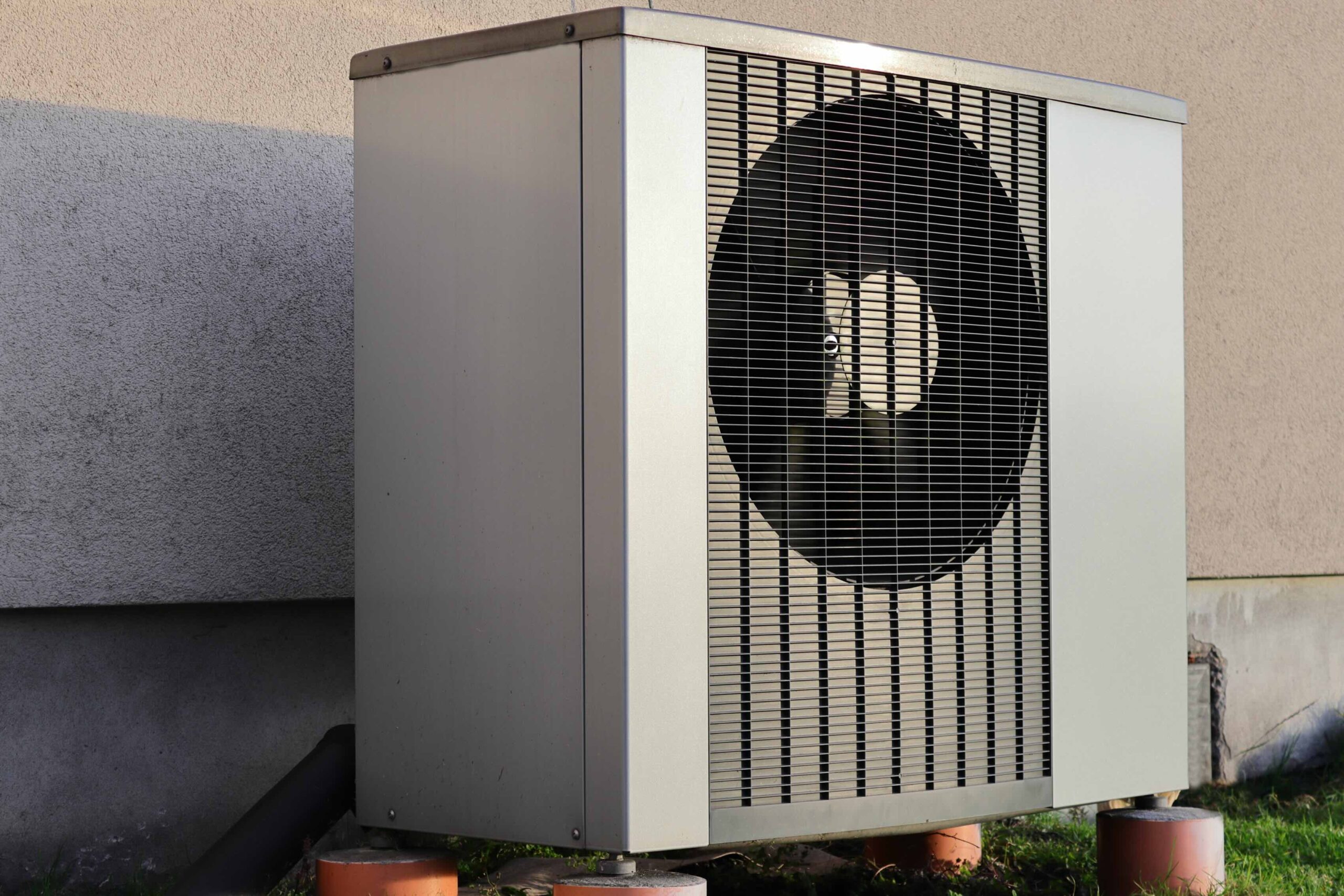
Understanding Heat Pumps: A Smart Home Solution for Families
In today’s fast-evolving housing landscape, families are reevaluating how they live—prioritizing sustainability, cost-efficiency, and comfort at home. Whether you’re relocating to one of the best places to raise a family in the U.S. or simply upgrading what you’ve got, how your home stays heated and cooled matters. One increasingly popular solution is the heat pump—a system packed with smart technology and long-term savings potential. But what exactly is a heat pump, how does it work, and is it the right choice for your home? This article explains heat pump systems in plain language while outlining the pros, cons, and considerations every homeowner should know.
What Is a Heat Pump?
A heat pump is a residential heating and cooling system that transfers heat rather than generating it. It can efficiently warm your home in the winter and cool it in the summer using a single unit. Unlike traditional HVAC systems that burn fuel (like propane or natural gas) or rely solely on electric resistance heat, heat pumps use a refrigerant cycle and an electric compressor to move heat from one area to another. In cold months, they extract heat from the outside air and transfer it inside; in warmer months, they do the opposite.
It may sound counterintuitive—how can a system pull heat from cold air? But thanks to the physical laws governing thermodynamics and advanced refrigerants, heat pumps work even in frigid conditions, especially when designed for colder regions. This two-in-one functionality makes them ideal for busy families who want a seamless, automated solution to year-round comfort.
How Heat Pumps Work
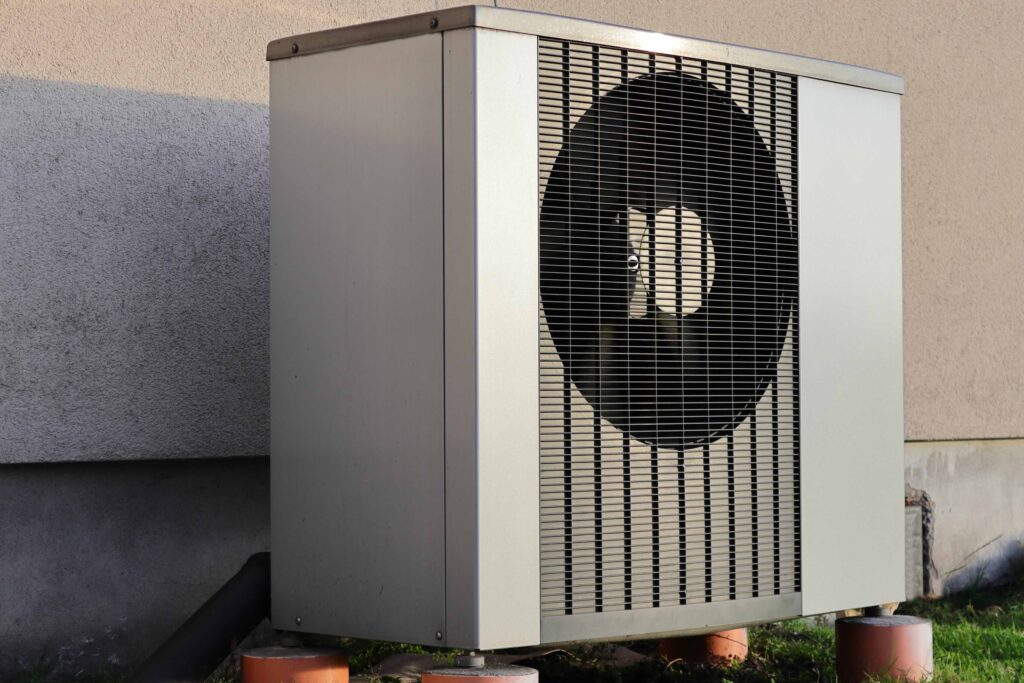
A heat pump operates on the principle of heat exchange. In the most common type—an air-source heat pump—heat is absorbed through refrigerant coils located in the outdoor unit. A compressor increases the temperature of that heat, which is then released indoors through another coil. This same mechanism works in reverse during summer: the pump extracts warm indoor air and releases it outside to cool the home.
The primary components include an outdoor condensing unit, an indoor air handler, a reversing valve (which changes the direction of the refrigerant flow), and expansion valves. Together, these elements form a closed-loop system that continuously transfers heat in the desired direction depending on indoor and outdoor needs.
Key Advantages of Choosing a Heat Pump
One of the major benefits is energy efficiency. Because heat pumps simply move heat rather than generate it from scratch, they consume less electricity compared to conventional heating systems. This efficiency becomes especially attractive in states promoting green energy or offering tax rebates for sustainable home upgrades. Over a year, homeowners with heat pumps can see significantly lower utility bills.
Another strength lies in the all-in-one design. Families no longer need to manage separate heating and cooling systems. Heat pumps offer precise climate control, often integrating with smart thermostats for zoning and optimized scheduling. Additionally, modern heat pumps contribute to better indoor air quality, with less reliance on combustion-based systems that may produce carbon monoxide.
Combining sustainability with long-term value, they’re a smart investment, especially in family-first cities such as Raleigh, Franklin, or Naperville — areas known for progressive infrastructure and environmental consciousness.
Potential Drawbacks to Consider
Despite their many strengths, heat pumps aren’t perfect for every situation. Their efficiency can drop during extreme cold spells, especially in northern climates. While newer cold-climate models perform admirably even in subzero conditions, older or budget models may require backup systems, such as electric resistance heaters or integrated furnaces, to maintain indoor comfort levels.
Initial installation costs are also worth noting. Although heat pumps tend to save money in the long run, upfront expenses can be significant, particularly if you’re retrofitting a home that wasn’t designed for their use. Ductwork modifications, insulation improvements, or upgrading your electrical panel—all may be necessary, depending on your current home configuration. Additionally, because the system runs year-round, it may experience more wear and tear compared to seasonal HVAC systems.
Is a Heat Pump Right for Your Family’s Home?
If you’re relocating to a family-focused city known for mild to moderate weather, like Boise, Ann Arbor, or Overland Park, a heat pump can be a near-ideal solution. Energy costs in these regions tend to be manageable, and the climate supports year-round efficient operation of heat pump systems. That adds up to environmental benefits, consistent comfort, and lower electric bills, especially for growing households with evolving needs.
However, if you live in a historically harsh winter zone like Minneapolis or Buffalo, you’ll want to look specifically for a cold-climate heat pump and potentially include a supplemental heating option. Your decision may also hinge on the existing infrastructure in your home; newer constructions are often heat-pump ready, while retrofitting an older home may demand additional planning or upgrades.
Tips for Choosing the Right Heat Pump System
When exploring heat pump options, look for models with ENERGY STAR certification. These have been vetted for superior efficiency and performance. It’s also smart to calculate your home’s square footage, insulation rating, and exposure to sunlight—factors that influence the correct system size. An undersized heat pump won’t keep up, while an oversized unit may cycle on and off too quickly, ultimately shortening its lifespan.
Professional installation is non-negotiable. A certified technician can ensure refrigerant lines are properly sealed, electrical components are correctly wired, and the thermostat is accurately calibrated. Lastly, regular maintenance is key. Schedule annual inspections to keep the system clean and performing efficiently. While the upfront commitment is notable, a well-maintained heat pump can last 15 to 20 years, offering significant returns over time.
What Does a Home Warranty Cover in a Heat Pump?
Heat pumps are complex machines, and like all mechanical systems, they’re not immune to wear, especially with continuous year-round operation. Components such as the compressor, reversing valve, expansion coils, and even the thermostat can fail due to age, electrical issues, or environmental stress.
A comprehensive home warranty plan can cover the cost of repairing or replacing these parts, often including labor and diagnostic fees. For families balancing the costs of education, healthcare, and daily expenses, knowing that major home systems like heat pumps are protected offers real financial peace of mind. This is especially true if you live in a city where HVAC professionals book out weeks in advance—having a warranty provider can mean faster repairs and professional service when it matters most.
Protect Your Family’s Comfort With Armadillo
Raising a family comes with all kinds of daily demands—your home systems shouldn’t be one of them. If you’re considering a heat pump for your home or already rely on one to keep your family comfortable, the right warranty can reassure you that help is there when things go wrong. At Armadillo, we make it easy to protect the systems that power your life with accessible, flexible plans designed for modern homeowners. Get started with building a personalized coverage plan that includes your heat pump by visiting our sign-up page today. Because peace of mind should be part of every home—especially when raising the next generation in it.