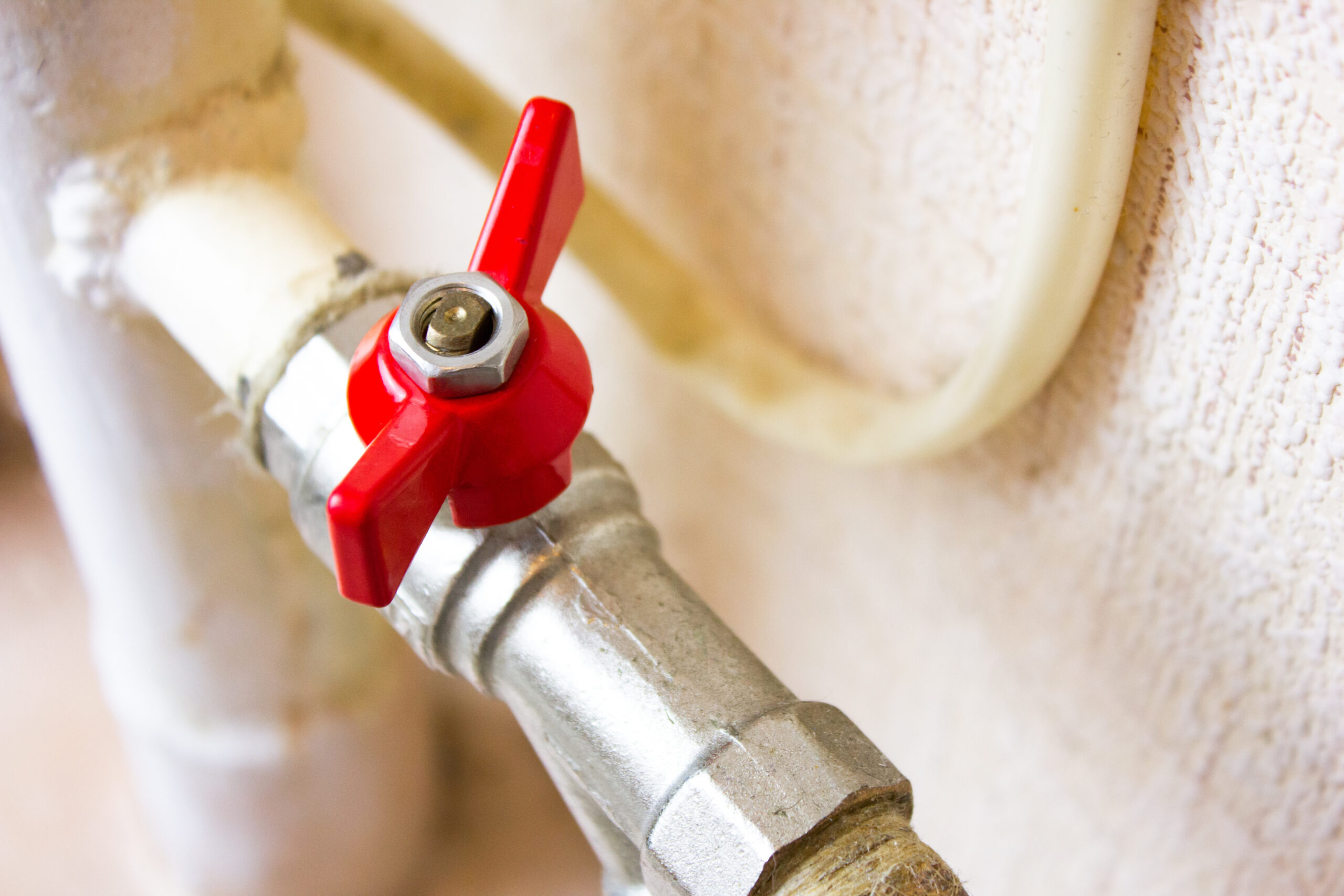
Understanding In-Line Water Shut-Off Valves: A Homeowner’s Guide to Smart Plumbing Control
Water leaks are among the leading causes of home damage, yet they are often overlooked until it’s too late. An in-line water shut-off valve is a straightforward yet powerful device that can drastically reduce the risk and financial impact of water-related disasters in your home. Whether you’re curious about how these systems work, debating an upgrade, or assessing prevention tools for your aging pipes, this article offers a focused, practical look into how in-line shut-off valves work and why they matter. If you’ve ever returned home to a soaked kitchen floor or a soggy basement, this is for you.
What Is an In-Line Water Shut-Off Valve and How Does It Work?
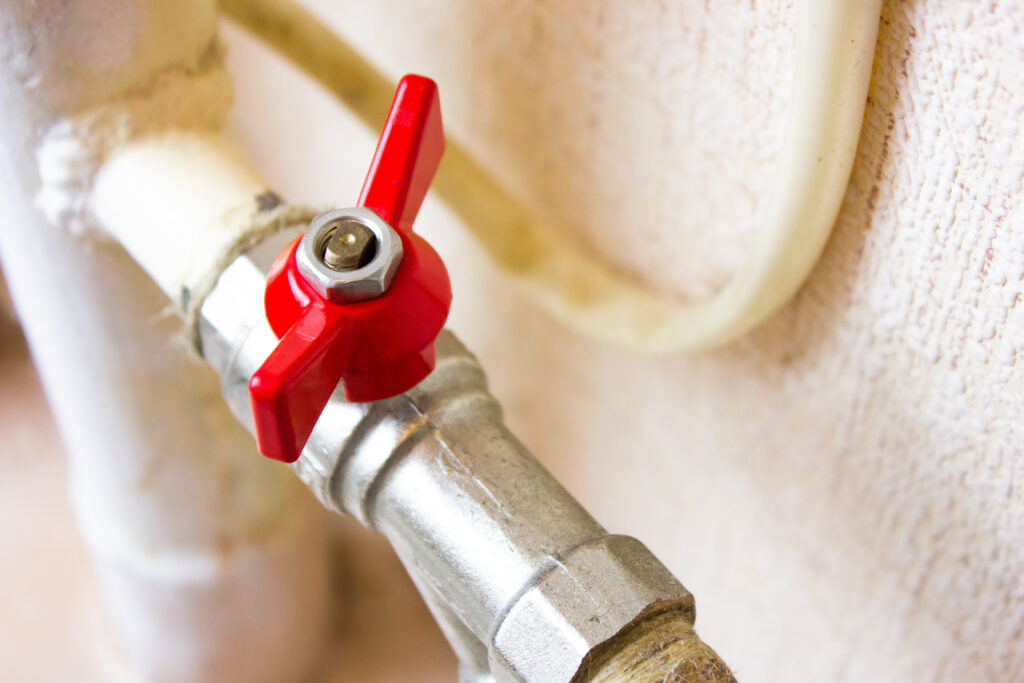
An in-line water shut-off valve is a plumbing control component installed directly into a home’s water supply line. Its purpose is simple: control or halt water flow throughout the system, centrally or at specific points. Traditionally, water valves have been mechanical devices—either open or closed depending on manual interaction. But today’s market offers smart shut-off valves that actively monitor water pressure and usage in real-time, alerting you or even shutting off the supply automatically at the first sign of an anomaly, such as a burst pipe or leak. The core technology reads behavioral patterns, identifies changes that could indicate a problem, then takes preventative action. Most models can integrate with Wi-Fi, giving homeowners remote access through smartphone apps for updates or manual control.
The Key Benefits of Installing an In-Line Shut-Off Valve
The major advantage of using an in-line shut-off valve is the preventive protection it provides. When it comes to plumbing, damage happens fast. Just a small leak can result in thousands of dollars’ worth of flooring, drywall, and personal property damage. With an in-line valve, that threat is reduced substantially. Smart models can shut off water before you’re even aware a problem exists. Insurance companies increasingly recognize that these devices significantly reduce claims, potentially qualifying you for coverage discounts. On top of that, homeowners who travel, own rentals, or are away for extended periods carry greater peace of mind knowing they’re protected remotely. Equally invaluable is the ability to segment water flows—installing shut-off valves at high-risk locations like behind toilets, beneath sinks, and near washing machines to isolate issues without cutting the entire house’s supply.
Common Drawbacks and Considerations
No system is without its compromises. For starters, smart in-line shut-off valves require power and internet access to operate fully. In an outage, many can still function manually but will lose their automated monitoring capabilities. Installation can present challenges as well; retrofitting older homes often reveals inconsistent plumbing dimensions or outdated infrastructure that may require upgrades. The upfront investment, particularly for smart valves, might deter budget-conscious homeowners even though long-term savings in leak prevention can offset the initial cost. Additionally, regular maintenance must be considered. A neglected shut-off valve can seize or fail under pressure, so testing and upkeep are critical. Not every plumber is experienced with smart systems either, so sourcing qualified professionals becomes another layer of commitment.
Where and When Should You Install One?
Your main water line is the primary target for an in-line water shut-off valve. That’s where it can cut off the entire home’s water supply in emergencies and provide the broadest protection. For more tailored water control, place additional valves under sinks, behind water heaters, near washing machines, or in basement plumbing zones—anywhere water use is consistent and potential leaks pose a high-risk. As for timing, new construction or major renovations offer the easiest window for installation, allowing the necessary pipe access and space adjustments. However, if you’re already dealing with aging pipes, a previous leak, or intend to leave town for any extended period, sooner is always better. Smart systems excel in situations where the home may be unattended, catching issues before they escalate into household-wide problems.
Maintenance Tips for Longevity and Reliability
Even the most advanced system requires basic upkeep. Manual shut-off valves need to be tested twice a year by turning them off and back on to ensure components don’t seize over time. This is particularly important in colder climates where freezing temperatures can drive water expansion inside pipes. For smart valves, ensure battery backups are functional if present, and confirm that firmware updates from the manufacturer are applied promptly. Also, double-check that your Wi-Fi connection is strong enough where the valve is installed; signal drop-offs can disconnect the monitoring system from your mobile app without warning. Most importantly, familiarize yourself with the manual override. In the case of rapid flooding or valve failure, you need to act quickly before severe damage occurs.
How Do In-Line Shut-Off Valves Fit Into a Home Warranty Plan?
Home warranty providers assess risk pooled through countless claims. Water damage continues to account for an overwhelming portion of home repair requests, and it’s no surprise why. One minor burst behind a wall can lead to mold growth, structural weakening, and electrical hazards. In-line water shut-off valves directly address this by stopping damage from getting worse. While not always covered as a standard warranty component, many warranty companies provide options to include upgraded plumbing elements or smart monitoring systems as add-ons or part of premium-tier plans. Some warranty providers may even require or recommend their installation before extending full plumbing coverage, seeing them as essential insurance for the warranty itself. Always ask about compatibility and coverage units before installation to ensure future repairs remain protected.
Why Consider Armadillo with an In-Line Shut-Off Valve?
At Armadillo, we believe homeownership should be about living, not stressing over what-ifs. Integrating an in-line water shut-off valve into your home is a powerful step toward proactive home care, but it works even better when backed by a solid home warranty. Should an unexpected failure occur or a manufacturer defect emerge after installation, we’re here to step in, coordinate service, and get your home back in order swiftly. Our plans are comprehensive and flexible, designed with modern features like smart plumbing in mind. Explore more at armadillo.one or start building your custom plan today at our Plan Builder. With Armadillo, smart protection meets smarter support.