Securing Your Home: An Expert Guide to Smart Locks
Home is where everything begins and ends—where families grow, where dinners are shared, and where day-to-day routines unfold. So when we talk about security, we’re not just talking about locks and alarms. We’re talking about peace of mind. For homeowners evaluating ways to enhance their home’s safety and functionality, smart locks have emerged as a modern, intelligent solution. If you’ve found yourself searching “buy a lock near me” and feeling overwhelmed by the flood of options, you’re not alone. Investing in a smart lock system can do more than just secure your space—it can elevate your whole experience of homeownership. This guide will cover what smart locks are, how they function, their advantages, occasional shortcomings, and how they relate to your overall home maintenance plan. Whether you’re considering a retrofit or a totally fresh installation, this article is tailored to empower you with the knowledge to make confident, well-informed choices.
What Is a Smart Lock?
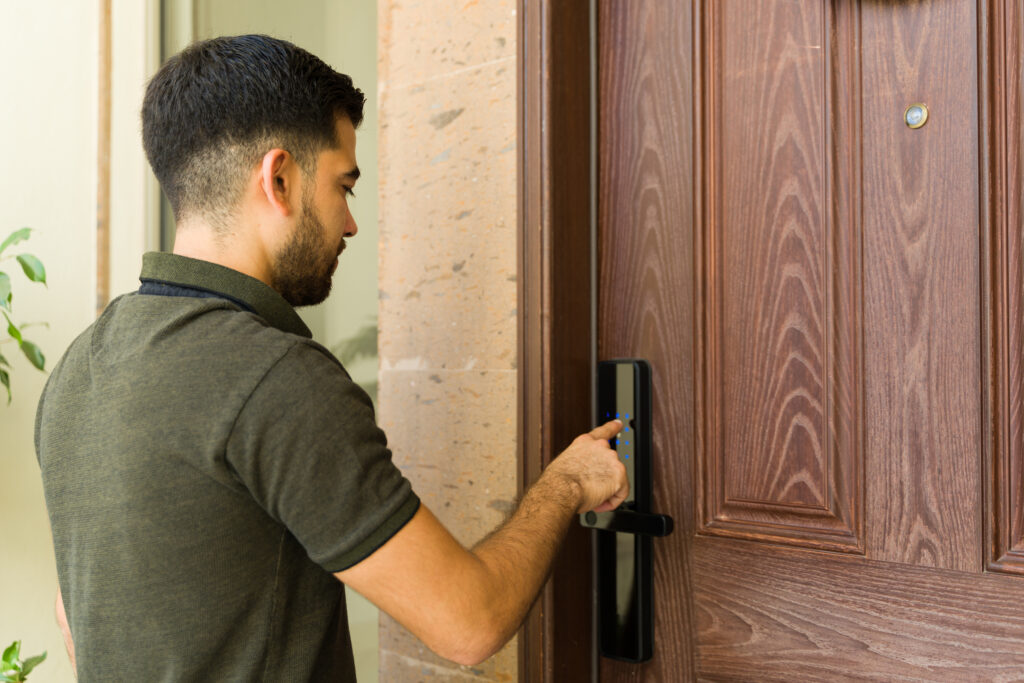
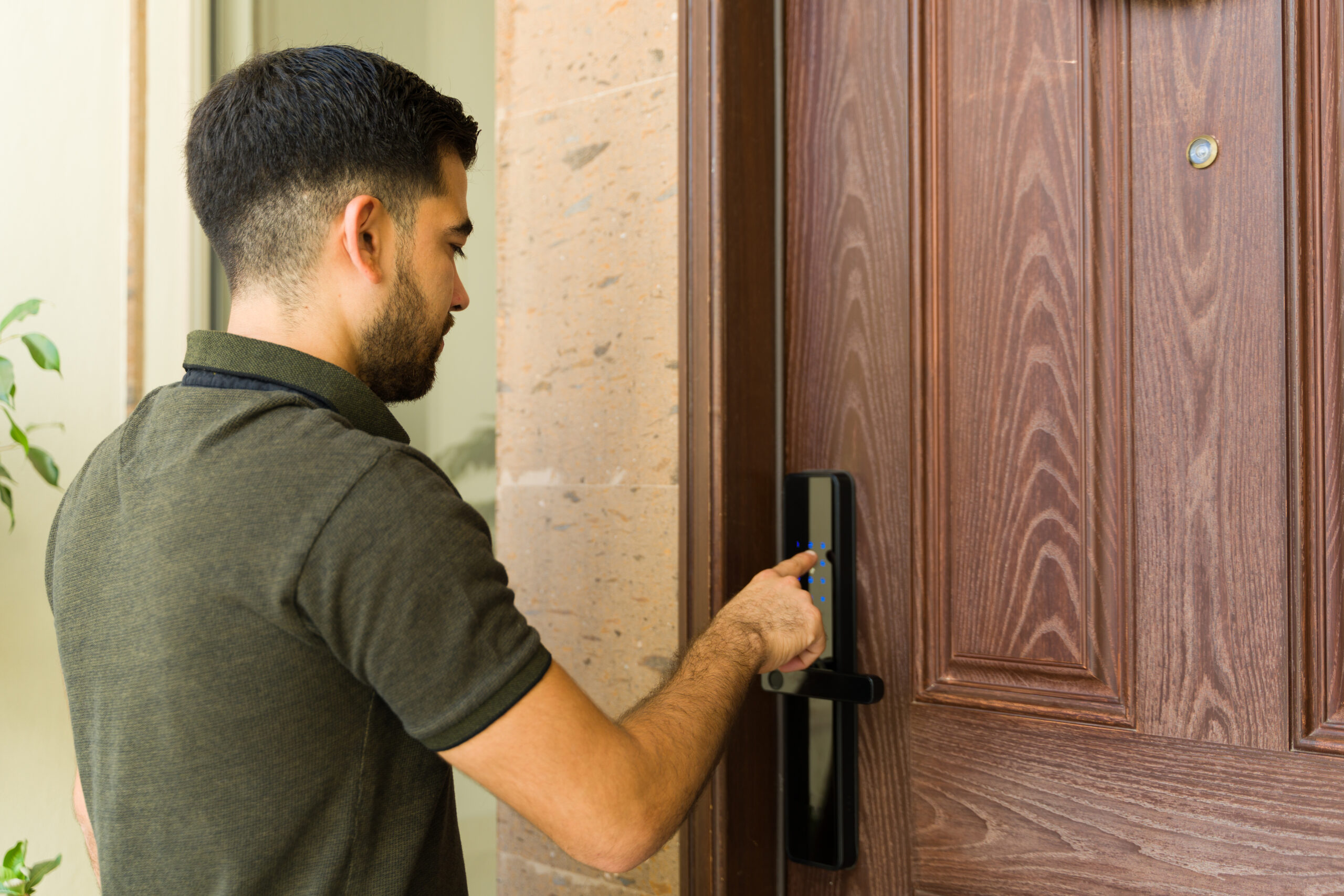
A smart lock is an electromechanical access control system that lets you lock and unlock your door remotely or automatically. Unlike traditional keyed locks, smart locks connect to Wi-Fi or Bluetooth and can be managed through a smartphone app, voice assistant, keypad, or even biometrics like fingerprint scanning. Most models offer multiple access modes, including codes or digital keys you can share with household members or visitors, offering a level of versatility far beyond simple physical locks. Their real value lies in integration—they often work seamlessly with home automation systems, transforming how homeowners control, monitor, and interact with their entryways. In a world increasingly defined by convenience, smart locks are revolutionizing an age-old concept: securing the front door.
How Smart Locks Work
Smart locks function as part of a larger ecosystem—and like much modern technology, connectivity is king. These locks are powered by batteries and communicate through protocols such as Bluetooth, Wi-Fi, Z-Wave, or Zigbee. When connected via a smartphone app or integrated home system, users can manage lock settings, track entry logs, receive notifications, and control access remotely. Some units replace the entire deadbolt mechanism, while others retrofit over your existing lock hardware. If your system is compatible, integration with popular assistant platforms such as Amazon Alexa, Google Home, or Apple HomeKit can offer voice-activated control. Behind the scenes, encryption and layered authentication are employed to protect against unauthorized access, ensuring performance is secure without compromising ease of use.
Key Advantages of Smart Locks
One of the major appeals of a smart lock is the added convenience it brings to routine life. Imagine not needing to fumble with your keys when your hands are full of groceries, or being able to check if you locked the door after you’ve already left for the airport. You can issue temporary access codes to dog walkers, house cleaners, or guests without handing out physical keys. In terms of safety, the ability to review entry history or receive alerts when doors are locked or opened creates a much-needed supervisory layer for busy households. Many smart locks also support geofencing, automatically locking or unlocking when your phone is within a certain distance, adding yet another layer of intuitive control. As homes become smarter, these systems represent an efficient and practical step forward—no more duplicate keys or rushed drives back home to check a door.
Common Challenges and Considerations
Despite their many benefits, smart locks are not without their frustrations. Battery life remains a primary concern, with most units requiring standard battery replacements every six months to a year. If your smart lock loses power, it can often result in being locked out or temporarily reverting to manual operation if the model allows for mechanical key access. Another common issue homeowners encounter is connectivity—Wi-Fi-dependent models may become unresponsive during outages or router disruptions, creating gaps in accessibility and control. Integration with existing door frames and compatibility with deadbolts or latch systems can also pose challenges. And while smart locks are generally secure, like any connected device, they are technically susceptible to digital vulnerabilities. Investing in well-reviewed brands and keeping firmware updated is essential for minimizing these risks.
Compatibility with Home Warranties
Home warranties traditionally cover mechanical components and systems, but many modern warranty plans are expanding their coverage options to include smart home devices. While smart locks often fall into the category of optional or add-on protections, some advanced warranty providers understand the evolving landscape of homeownership and are adapting accordingly. If your smart lock becomes defective due to operational failure—excluding user errors like dead batteries—it may fall under replacement or repair clauses. However, specifics can vary tremendously across plan providers, making it essential to read the fine print. This is where having a home warranty tailored to modern homes matters. Coverage that includes advanced devices such as smart locks ensures that emerging technologies remain less of a post-purchase gamble and more of a reliable, integrated home feature.
Smart Locks and Home Improvement Value
Installing a smart lock isn’t just about convenience—it’s also a smart investment into your home’s long-term value. Increased consumer interest in smart home technology has made connected devices like locks, thermostats, and doorbells attractive to prospective buyers. A well-integrated smart lock system that works with home alarms and automation hubs can make your property stand out. Moreover, landlords and rental property owners can benefit immensely, offering code-based access to tenants or maintenance professionals without the risk of easily lost or duplicated metal keys. For homeowners undergoing renovations or those in the early stages of a custom-built home, incorporating smart locks can be a forward-thinking improvement that saves time and amplifies comfort for years to come. The key is choosing a system that enhances security without adding unnecessary complexity.
Practical Considerations When Buying
If you’re ready to upgrade your home’s front-line defense, a few questions will help focus your search. First, determine door compatibility—measure your existing lock hardware and door thickness to avoid retrofit issues. Second, assess your household’s needs. Do you live in a multi-person household where shared access is critical? Are there accessibility needs that voice control or remote operation would support? Battery life, app usability, and backup access (like physical keys) are vital features to consider, especially in homes with older residents or sporadic internet reliability. Finally, look into the customer support and warranty that comes with your chosen lock. A defective locking mechanism can quickly shift from a minor inconvenience to a household emergency. Knowing that responsive support or coverage is available can make the difference between resolution and regret.
Why Choose Armadillo for Smart Lock Coverage
Your home deserves smart protection—from the locks on your doors to the systems that power your life. At Armadillo, we understand that contemporary homes require contemporary solutions. A smart lock is a smart move, but knowing it’s backed by a proactive, transparent, and tech-savvy warranty plan makes all the difference. With Armadillo, you’re not just reacting to breakdowns—you’re preventing them and planning smarter. Our coverage evolves with your home, offering peace of mind for modern amenities like smart locks and other home tech. Explore our home warranty offerings today at Armadillo’s homepage or begin customizing your plan using your ZIP code with our plan builder tool. Secure your home with confidence—because your peace of mind is worth locking in.