Creative and Smart Ways to Hide Your Air Conditioner Unit: A Homeowner’s Guide
Your air conditioner plays a crucial role in maintaining comfort inside your home, but outside, it’s often a bulky eyesore disrupting the peace of your well-manicured lawn or garden. While AC units are essential for climate control, they’re not exactly designed with aesthetics in mind. Fortunately, hiding your outdoor air conditioning unit is not only possible, it’s often quite simple—and yes, entirely manageable even if you’re not an expert in landscaping or design. In this guide, we’ll explain what an outdoor AC unit does, how it works, and explore several clever, practical ways you can conceal it without disrupting performance or voiding any warranties. Plus, we’ll explore how protecting—and hiding—your unit fits neatly into a broader home warranty strategy.
Understanding Your Outdoor AC Unit
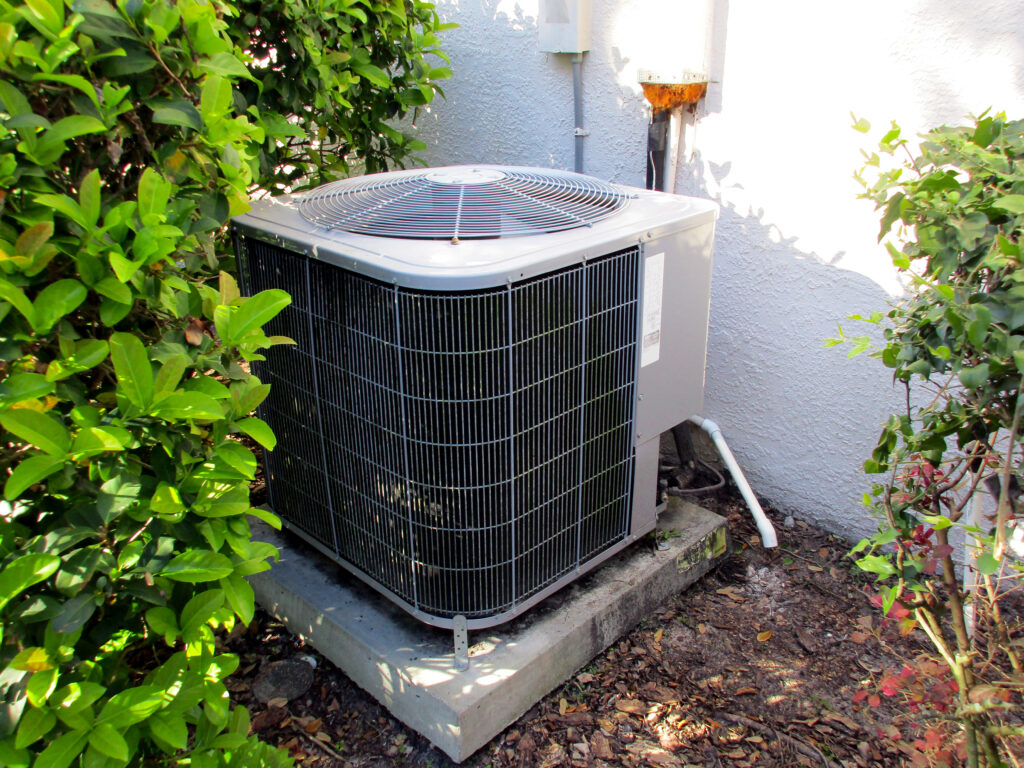
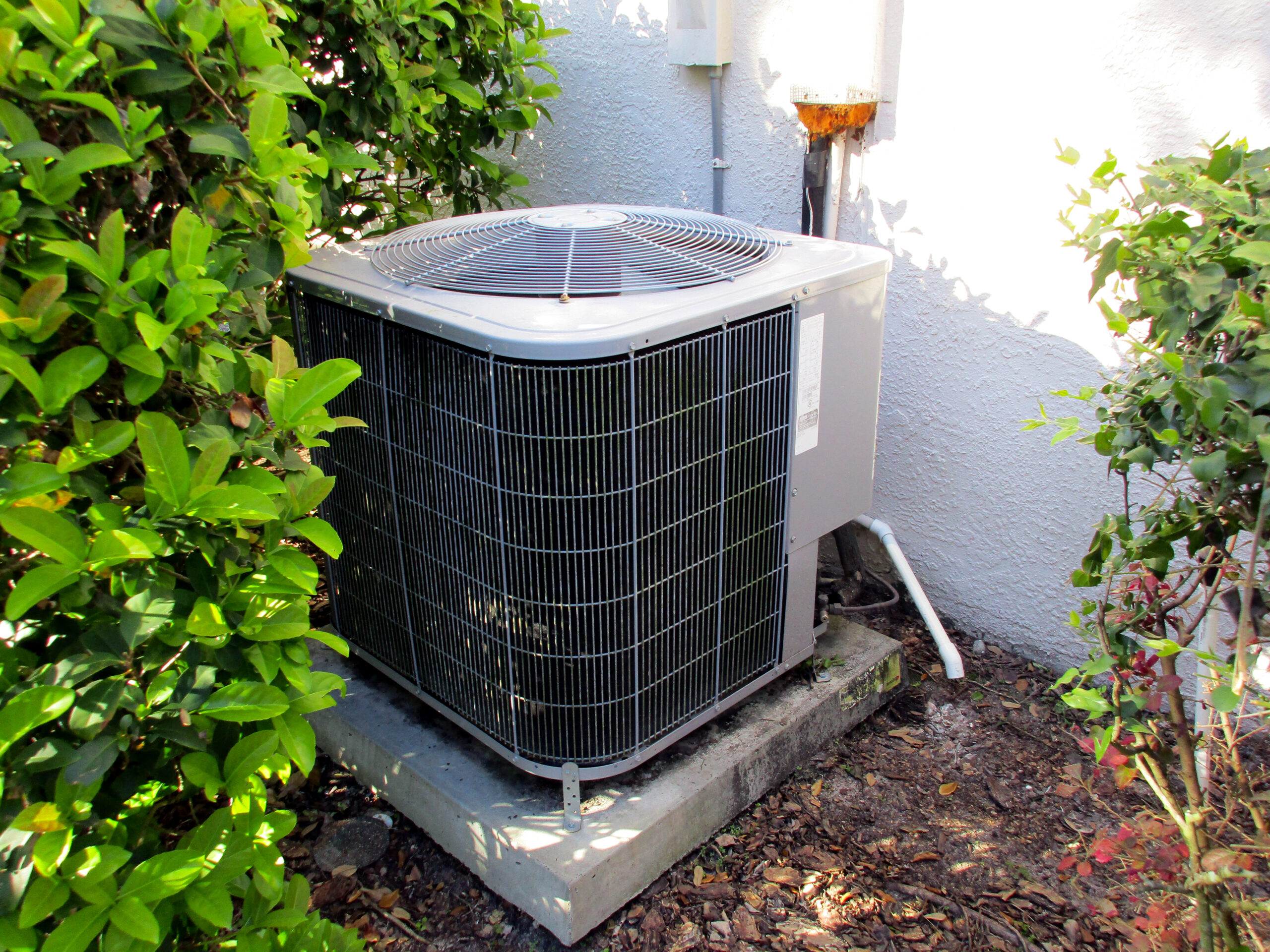
The outdoor portion of your air conditioning system, known as the condenser unit, is the muscle behind cooling your home. It works by releasing the heat that’s pulled from inside your house. Through a process of compression and condensation, the refrigerant inside it cycles between the evaporator coil inside your home and the condenser coil outside. While it may only operate in the background, your condenser is central to maintaining a livable indoor climate, particularly in summer months. Like any major appliance or system, it requires some maintenance and protection to keep running efficiently over the years.
Why External AC Units Are Designed This Way
Engineers don’t prioritize aesthetics when they design outdoor AC units—they’re all about functionality. The large, metallic box houses a fan, coils, and a compressor, all of which are critical for drawing hot air from your home and releasing it outside. The open-metal design allows heat to dissipate efficiently and contributes to airflow. Covering the unit improperly could interfere with this process, causing strain or even long-term damage to the system. That’s why any concealment strategy must allow proper ventilation and accessibility.
Benefits of Hiding Your Outdoor AC Condenser
There’s more than one reason to hide your AC unit beyond cosmetic concerns. For starters, shielding your unit from direct sunlight can improve energy efficiency by reducing thermal load. Concealment also protects the exterior from leaves, debris, and accidental damage from tools or playful pets. Visually, blending your AC unit into your landscaping design elevates the overall curb appeal of your property, potentially increasing home value over time. With the right strategy, hiding your unit is both a practical and stylistic improvement you can make without compromising performance.
What to Avoid When Concealing Your AC Unit
It’s easy to make well-intentioned mistakes when covering or hiding an outdoor unit. Placing a box or full enclosure on top might seem like a quick fix, but it often traps heat and restricts airflow, increasing wear and energy cost. Also, any structure that blocks technician access makes future service or warranty-related visits more complicated than necessary. Use materials that allow air to move freely—think slatted wood, lattice panels, or hedges trimmed to an appropriate distance. Generally speaking, leave at least 3 feet of clearance around the unit and ensure there’s open space above it for vertical airflow.
Creative Covering Ideas That Work
Several concealment strategies work well without affecting your unit’s functionality. One classic method involves building a decorative fence or privacy screen around the unit. Slatted wood or vinyl screens offer the perfect mix of air circulation and coverage, and they can be stained or painted to match your home’s exterior. Alternately, lattice-style trellises with flowering vines are both attractive and breathable. For those wanting a more natural look, strategically planted shrubs or grasses can camouflage the unit while also softening noise. Just ensure any greenery remains trimmed and placed at a safe distance to prevent roots or branches from interfering with the condenser’s mechanics.
Year-Round Maintenance After Installation
Once your AC unit is cleverly hidden, don’t forget that it still requires regular attention. Leaves, snow, and lawn clippings can build up around enclosed spaces. Schedule twice-annual checks—once before cooling season and again after it ends—to clear debris and inspect airflow. In colder climates, you may need a breathable AC cover during winter months, but steer clear of fully sealed plastic covers that encourage mildew. If you’ve built any structure around your unit, periodically check for damage or warping that could limit airflow. Staying proactive with appearance and upkeep minimizes performance issues and the likelihood of costly repairs.
Safeguarding Your System with a Home Warranty from Armadillo
Hiding your air conditioner is a smart move for your home’s curb appeal, but ensuring it functions well throughout the seasons is even more important. If you’re thinking about improving or protecting your home systems—especially an essential like your air conditioning unit—consider a home warranty plan from Armadillo. With flexible coverage and straightforward service options, Armadillo offers solutions that eliminate stress when systems break down. By safeguarding your AC unit and other key systems, our coverage helps you avoid unexpected repair bills and navigate homeownership with confidence. Learn more about protecting your home with a modern approach to home warranties at armadillo.one, or get started on your custom plan tailored to your ZIP code by visiting our plan builder today.