How to Hide a Wall-Mounted Air Conditioner: Smart Design Options for Homeowners
Let’s face it. Wall-mounted air conditioners are workhorses—quietly cooling rooms, regulating temperatures, and making life more comfortable. But while functional, they rarely win styling points. For homeowners concerned with aesthetics, exposed wall units can come off as clunky or visually disruptive. That’s where smart concealment strategies come into play. In this article, we’ll dive into what a wall-mounted air conditioner is, how it works, and most relevantly, how you can discreetly hide it without compromising performance or safety. Whether you’re designing a new space, managing seasonal upgrades, or simply tuning up a long-standing unit, this guide helps clarify your options with homeowner clarity.
Understanding Wall-Mounted Air Conditioners
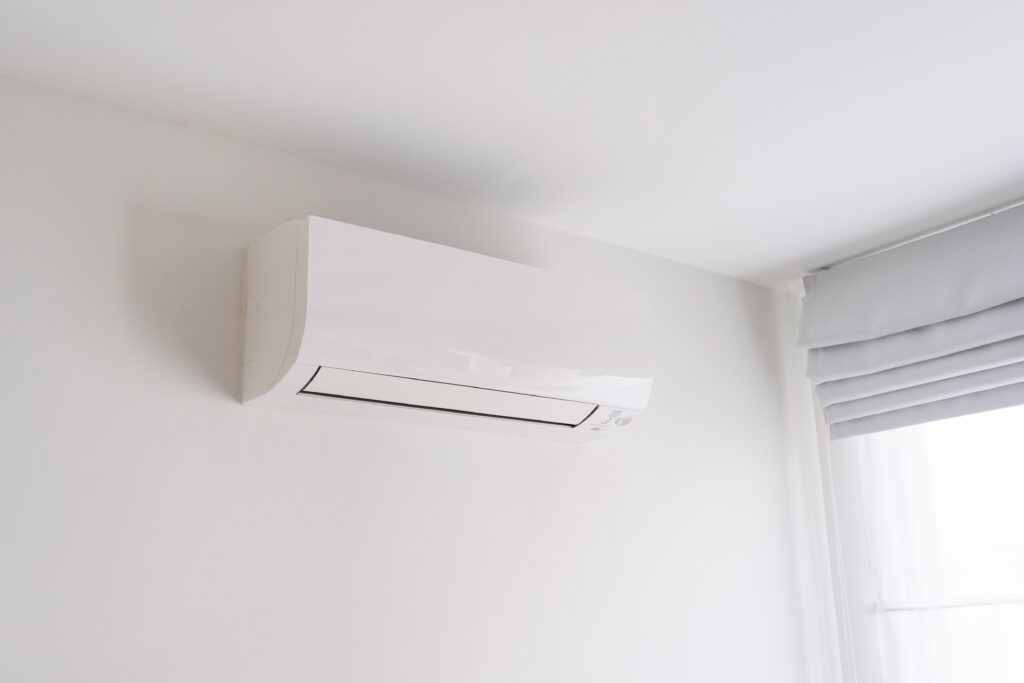
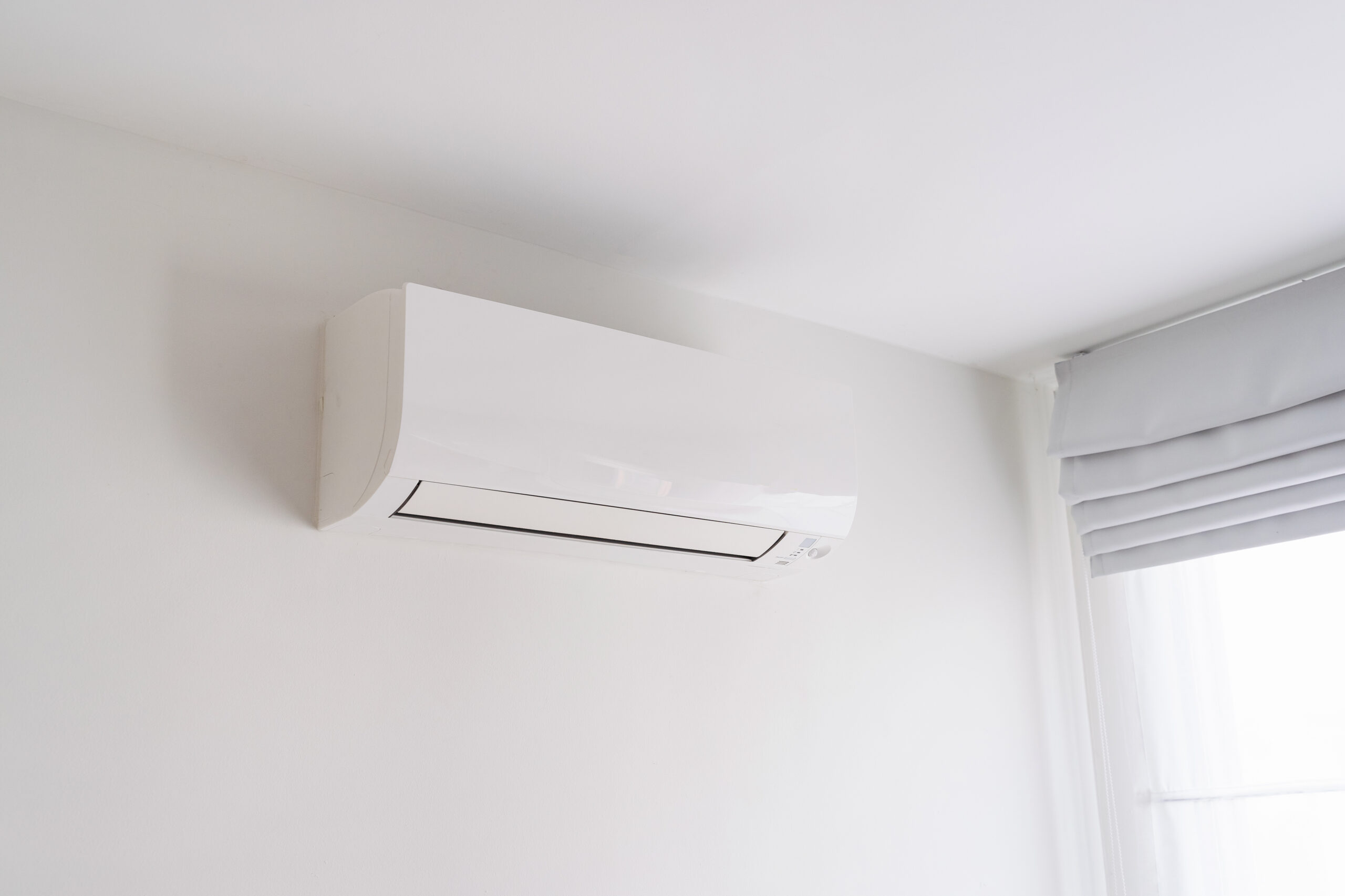
A wall-mounted air conditioner—sometimes referred to as a ductless mini-split—is a self-contained cooling unit installed directly onto a wall surface, typically in high-traffic or specific-use rooms like bedrooms, offices, or dens. Unlike traditional central systems that rely on ductwork, wall-mounted units offer targeted climate control. They consist of two main components: an indoor evaporator and an outdoor condenser, connected by refrigerant lines that pass through a small hole in the wall. These systems are appreciated for their energy efficiency, flexibility, and relatively easy installation. However, unlike recessed or vent-based climate solutions, wall units remain visible, often prompting homeowners to explore creative design integrations.
How Wall Units Work within the Home Environment
Mechanically speaking, wall-mounted air conditioners extract warm air from your room, pass it over evaporator coils filled with refrigerant, and blow cooled air back in. Simultaneously, the captured heat is transferred via refrigerant piping to the outdoor unit, where it’s expelled. This closed-loop process continues as long as the unit is running. Because these systems bypass ducting, they retain more of the cooled air, reducing energy waste and enabling zoned climate control. Their architectural simplicity makes them ideal for older homes without ducts or add-on spaces like basements, sunrooms, or converted garages. But all of this relies on open airflow, which brings us to the delicate balance between aesthetic concealment and mechanical ventilation.
Popular Methods for Hiding Wall-Mounted Units
Aesthetically hiding a wall-mounted air conditioner requires some care. The goal is to soften the visual impact while preserving airflow and accessibility. The most common strategies include custom cabinetry, recessed wall panels, decorative covers, and art integration. For example, a shallow cabinet with open louvered doors allows air passage while blending the unit into existing decor. Wall-mounted screens, wood slatting, or even floating shelves can frame the unit tastefully. Another technique? Designing around negative space—installing the unit within a custom-built opening that’s flush with adjacent walls or storage. Each method carries tradeoffs in terms of airflow clearance, maintenance access, and cost. Regardless of which design direction you take, functionality must remain the priority.
Design Tradeoffs and Mechanical Risks
Camouflaging a wall unit isn’t just about tying the room together stylistically. Improper concealment poses serious mechanical consequences. Units need unimpeded airflow to operate efficiently and avoid overheating. Obstructing vents or enclosing a unit too tightly can cause the system to short-cycle, overwork, or even shut down prematurely. Additionally, regular maintenance—such as cleaning filters or inspecting coolant levels—requires physical access. If your concealment solution makes it difficult to reach the unit, it could delay service or increase wear and tear. Ultimately, successful concealment balances function with visual composition. Always ensure there’s adequate clearance as outlined in the manufacturer’s installation documentation.
The Value of Proper Mounting and Grounding
Reliable performance hinges on more than just air movement—it also demands that the electrical connections and bracket installations are grounded appropriately. Electrical grounding routes excess electricity safely into the ground, reducing fire hazards or electrical failure. This is especially important in older homes where wiring may not meet modern electrical codes. Wall units should be mounted on surfaces that can support their weight—typically interior walls with solid studs—and connected using grounded outlets protected by circuit breakers. If you’re updating or hiding an existing system, double-check these elements before covering it up. Skipping this step compromises not only your comfort but your safety as well.
How Home Warranty Coverage Factors Into Your Design Choices
If your wall-mounted unit is included in a home warranty plan, the coverage may be affected by any modification that impedes serviceability. Concealing a unit behind fixed panels or in cabinetry might violate warranty terms if it restricts access for repair technicians. Warranty providers—including reputable, tech-enabled services like Armadillo—generally require easy access to all covered systems. Always review your policy before implementing design changes. Some providers will offer guidance on how to remain compliant while enhancing your home’s aesthetics. It’s one more layer in your due diligence, ensuring you don’t exchange visual appeal for denied claims.
Why Choose Armadillo When Enhancing Home Systems
A wall-mounted air conditioner is more than just a machine—it’s a critical part of your home’s livability, comfort, and value. And as you consider ways to hide, update, or maintain these systems, it’s worth partnering with a home warranty provider that understands how upgrades intersect with performance. Armadillo offers seamless home protection plans that keep essential appliances and systems—including wall-mounted cooling units—running smoothly without the budget surprises. If you’re contemplating design changes, their team can help ensure your equipment remains compliant and serviceable under your plan. Protect your home, your investment, and your design aspirations with confidence. Learn more at Armadillo Home Warranty or create a personalized plan that fits your lifestyle at Start Your Plan. Because your home should work as beautifully as it looks.