Understanding Tankless Water Heaters: A Smarter Way to Heat Your Home’s Water
When managing a home, few systems are as essential to daily life as hot water. From your morning shower to washing dishes after dinner, the water heater works nonstop behind the scenes. But not all water heaters operate the same way. If you’re researching home improvements or exploring your coverage options in a home warranty plan, it’s time to understand one of the most energy-efficient options available: the tankless water heater. Also known as on-demand water heaters, tankless systems are becoming increasingly popular among homeowners seeking convenience, efficiency, and long-term value. This article breaks down how tankless water heaters work, why they matter, and what to consider before installing one in your home.
What Is a Tankless Water Heater?
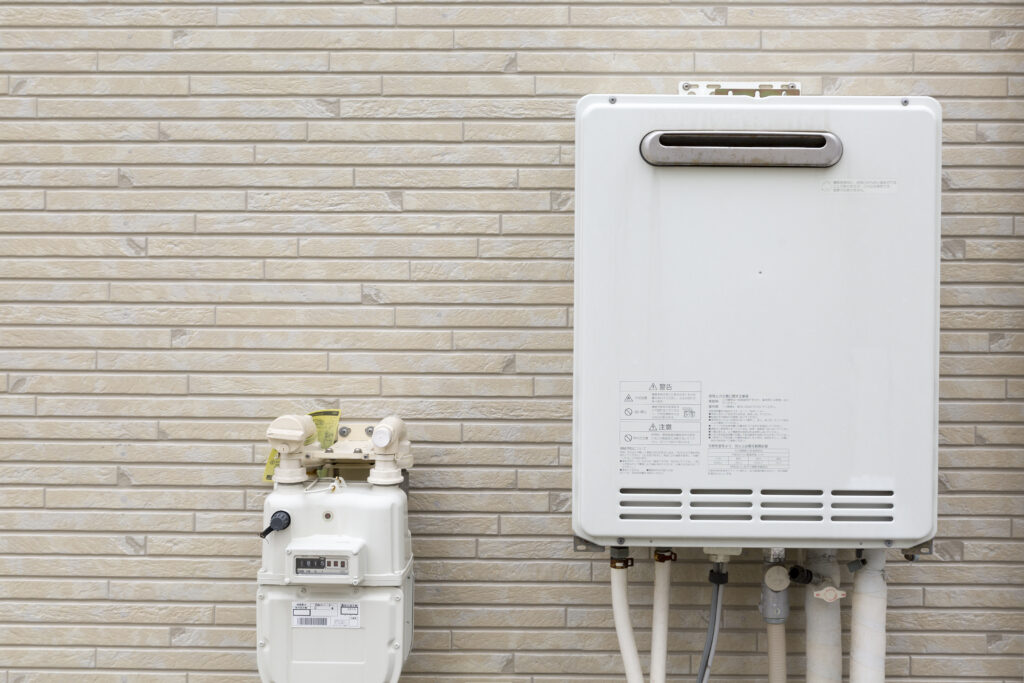
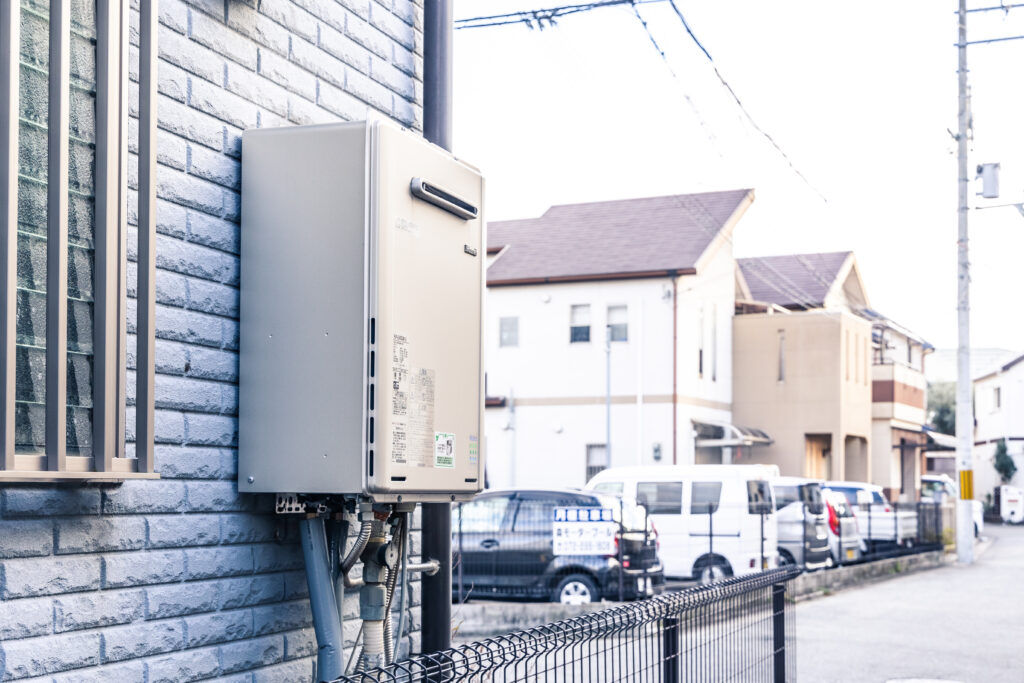
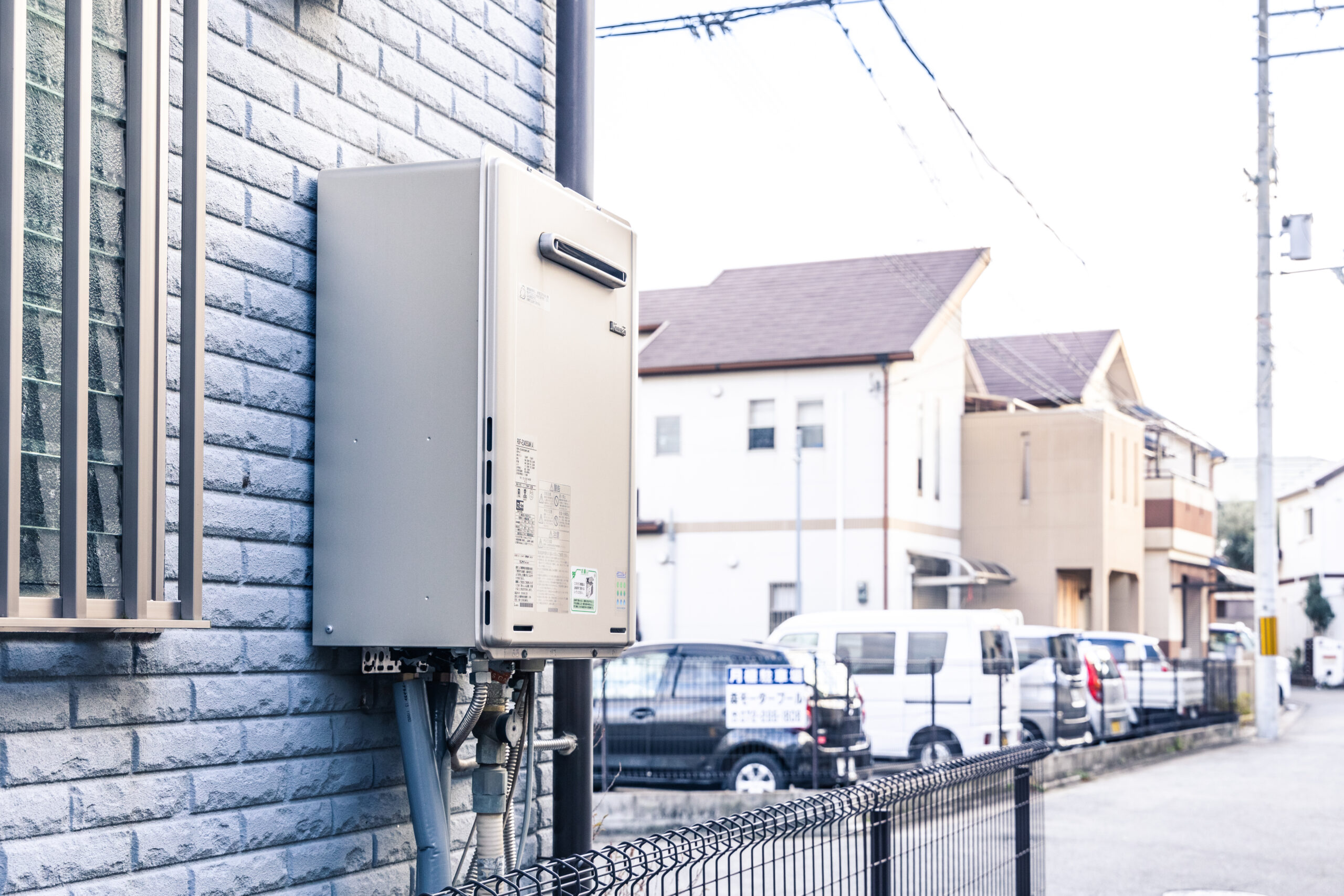
Unlike traditional water heaters that store a finite amount of hot water in a large tank, tankless water heaters heat water only when you need it. Once you turn on a hot water tap, cold water travels through the unit, where it’s instantly warmed by electric or gas heating elements. The result? Continuous hot water without waiting for a storage tank to refill. Because there’s no need to maintain a reservoir of preheated water throughout the day, tankless systems offer a more energy-efficient solution that also saves space. They mount easily on a wall, either indoors or outdoors, making them a practical option for homes where square footage is limited.
How Does a Tankless Water Heater Work?
Tankless water heaters operate using a simple yet powerful mechanism. When a hot water tap is turned on, water begins to flow into the unit. Sensors detect the water flow and trigger the heating elements or gas burner, depending on the model. As the water moves through the heat exchanger inside the unit, it’s quickly brought up to the pre-set temperature before exiting through your plumbing system. Since the system only activates when hot water is needed, tankless water heaters consume less energy than traditional tank-based models that cycle on and off throughout the day to maintain a consistent temperature. Once the tap is turned off, the system shuts down—no energy waste, no standby heating.
The Advantages of Choosing Tankless
There’s a reason why more homeowners are opting for tankless over tank models. First and foremost is energy efficiency. The U.S. Department of Energy notes that for homes using 41 gallons or less of hot water daily, tankless water heaters can be 24%–34% more efficient than conventional storage tank models. Over time, that kind of efficiency translates directly into lower utility bills. Then there’s longevity—tankless models generally last longer, with lifespans averaging 20 years or more, compared to 10–15 years for tank units. They’re also compact, freeing up storage space, and provide an endless supply of hot water, making them ideal for larger households where back-to-back showers are a daily routine.
Common Drawbacks to Consider
No home system is perfect. While tankless water heaters offer clear benefits, they also come with their own set of challenges. The initial installation cost is typically higher than that of a tank-based system. If you’re replacing a traditional water heater, you might need to upgrade your gas line or electrical system to meet the tankless unit’s requirements, which adds to the upfront expense. These units can also have trouble keeping up if multiple hot water sources are used simultaneously—think shower, dishwasher, and laundry running at once. In cold climates, the units may require additional insulation to prevent incoming water from freezing, and without regular maintenance, scale buildup can reduce efficiency over time. Knowing these issues upfront allows for better planning and decision-making.
Installation Requirements and Compatibility
Before committing to a tankless system, it’s important to evaluate your home’s current infrastructure. Electric models require a substantial power supply and may need panel upgrades. Gas units often need a larger gas line and dedicated venting. Proper placement also matters—proximity to hot water outlets can improve efficiency and reduce lag time. If you’re in a larger home or a multi-bathroom household, multiple smaller units might be recommended to ensure a consistent flow of hot water throughout the home. A licensed professional can assess your property layout, water usage, and energy source to determine the appropriate unit size and configuration. This evaluation step is essential for maximizing performance and lifespan.
Maintenance Essentials for Longevity
Like any hard-working home system, a tankless water heater thrives on regular upkeep. Annual maintenance, such as flushing the system to remove mineral buildup (particularly in areas with hard water), keeps the inner components functioning efficiently and helps maintain energy savings. Check the manufacturer’s manual for specific maintenance guidelines; some may recommend checking the air intake filter or descaling more frequently based on water hardness. While the maintenance steps are generally straightforward, professional servicing is advisable to avoid damaging the unit or voiding warranties. Built-in diagnostics on modern tankless models make it easier to monitor performance and spot potential issues early, minimizing downtime.
Does a Home Warranty Cover Tankless Water Heaters?
Tankless water heaters are considered an advanced, high-efficiency alternative to traditional tank models, and they can be protected under many modern home warranty plans. However, coverage specifics vary. Some plans cover only certain types of water heaters, while others include tankless units as optional add-ons. If your home includes a tankless system, or if you’re planning to install one, it’s important to choose a warranty provider that offers clear, inclusive support for this technology. Look at coverage tiers, exclusions, and service fee structures. Protecting your tankless water heater with a home warranty can soften the financial impact of unexpected repair or replacement costs, especially given the specialized expertise often required for diagnosing or servicing these systems.
Thinking About Going Tankless? Armadillo Has You Covered
Making smart decisions about your home’s systems should never feel overwhelming. If you’re considering the switch to a tankless water heater, or already have one installed, peace of mind matters. That’s where Armadillo steps in. We know modern homes rely on long-lasting, energy-efficient technology, and our home warranty plans are designed to keep you covered when things go wrong—so you can keep moving, uninterrupted.
Armadillo offers comprehensive protection for water heaters, including tankless models, as part of customizable plans that make it easy to cover what matters most—all at a simple, transparent price. To learn more about how we support systems like tankless water heaters, visit our homepage at armadillo.one. Ready to find the right plan for your home? Start now with our simple plan builder tool and build coverage that fits your home and lifestyle.