Understanding Tankless Water Heaters: A Smarter Way to Heat Your Home’s Water
Water heaters aren’t the most glamorous fixtures in your home, but they quietly do some of the hardest work. Whether you’re showering before work, washing a load of dishes, or running a bath for the kids, hot water is a non-negotiable part of daily life. Traditional tank-style heaters have long been the go-to option, but homeowners looking for efficiency, longevity, and convenience are increasingly opting for tankless water heaters. If you’re exploring smarter home systems—or reassessing aging appliances—understanding how tankless water heaters work and how they fit into the broader context of homeownership can help you make an informed decision.
What Is a Tankless Water Heater?
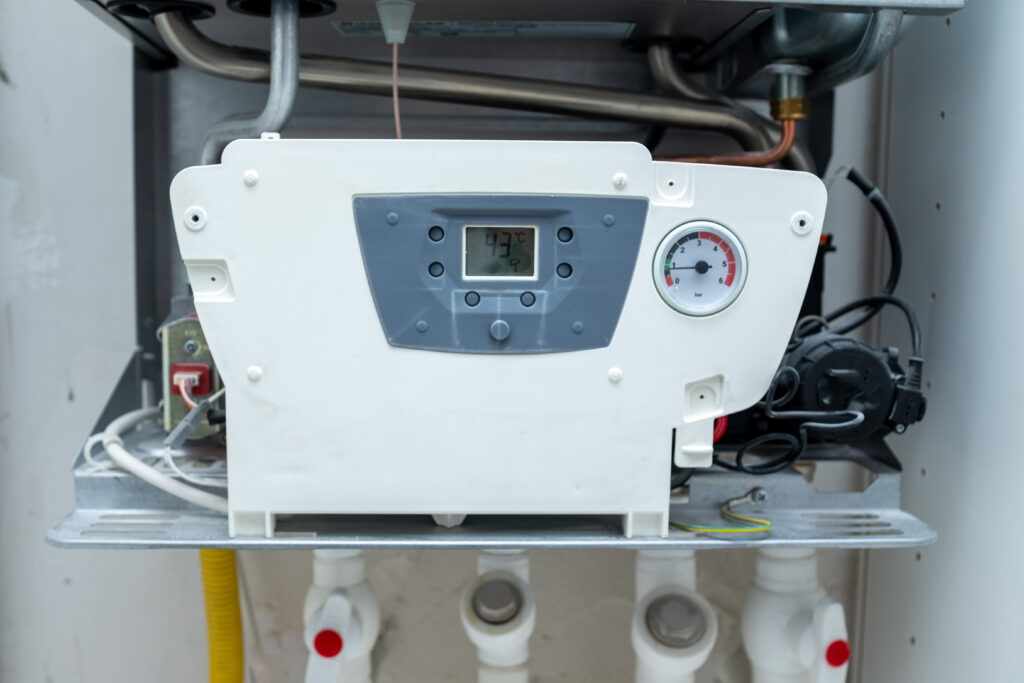
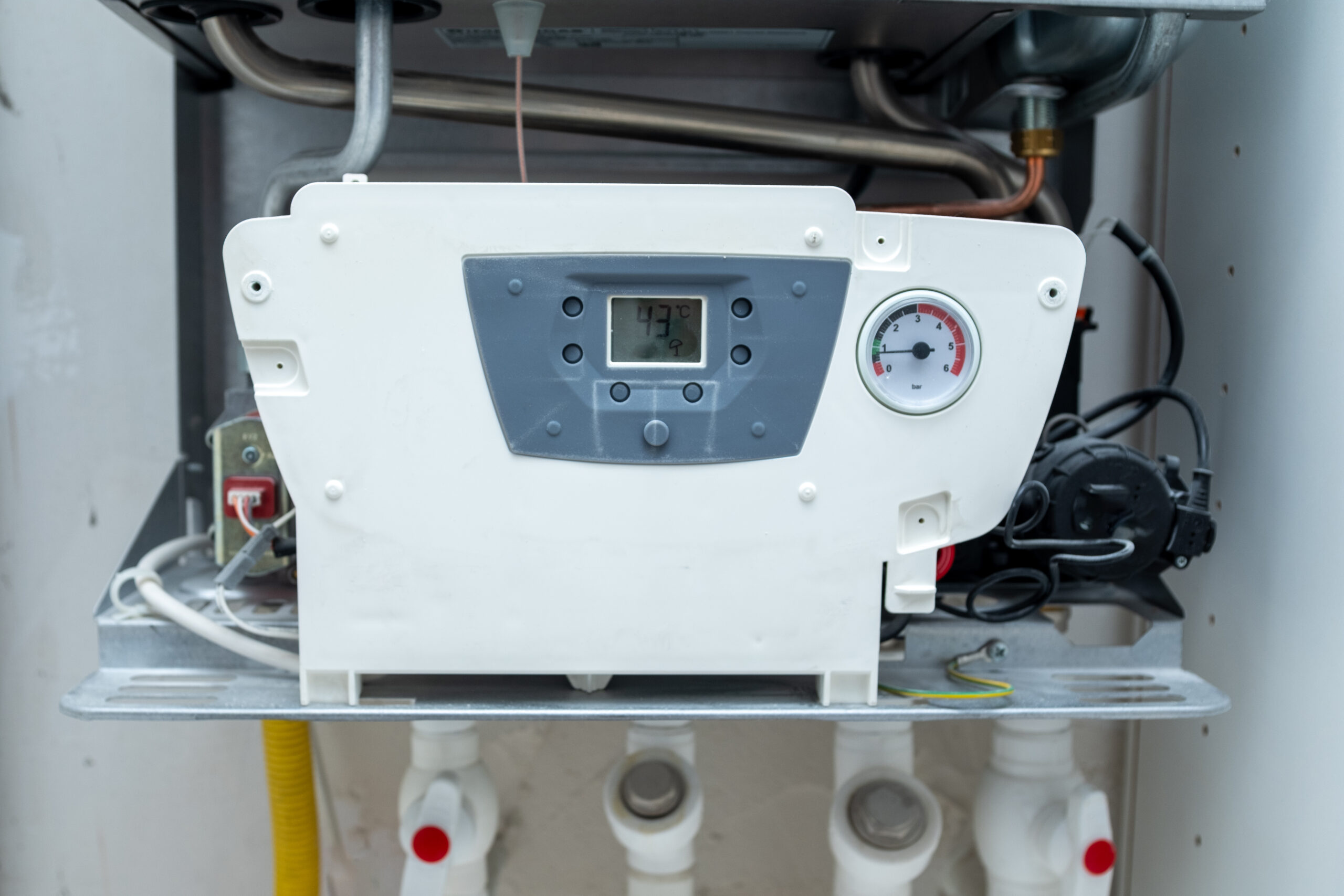
A tankless water heater, also known as an on-demand water heater, heats water only when you need it. Instead of storing a finite volume of heated water in a tank, the unit activates when you open the tap and heats water as it flows through the system. This means there’s no standing water waiting to be used, and you don’t run out of hot water—at least not in the traditional sense. The system uses electric elements or gas burners to rapidly heat water and deliver it directly to your faucet or appliance.
How Does a Tankless Water Heater Work?
When you turn on a hot water tap in a home with a tankless system, cold water enters the heater through a pipe. Inside, either a gas burner or electric heating element instantly warms the water to your desired temperature. Since there isn’t a tank to refill or preheat, there’s limited standby energy loss. The unit continues heating water on-demand until the tap is turned off. For homes with higher demand, some systems use multiple units, or a hybrid approach, to keep up. Sizing and proper installation are crucial—too small a unit won’t provide adequate flow, but too large a system can create unnecessary energy consumption.
Key Advantages of Tankless Water Heaters
The most cited benefit of a tankless water heater is efficiency. Because water isn’t heated when it’s not being used, energy waste is vastly reduced. This can translate to lower utility bills, particularly for homeowners who use smaller quantities of hot water or who aren’t home all day. Another advantage is lifespan: where tank heaters may last 8 to 12 years, tankless units often run efficiently for 15 to 20 years with regular maintenance. Their compact design saves space, a considerable advantage in smaller homes or utility areas. There’s also the appeal of endless hot water—you can wash dishes, run laundry, and shower without worrying about draining a finite tank.
Common Drawbacks to Consider
Despite their benefits, tankless water heaters come with trade-offs. The upfront cost to purchase and install a tankless system is generally higher than a traditional unit. Retrofitting older homes may also require new gas lines, upgraded ventilation, or electrical work, adding complexity and cost. Waiting to receive hot water can also take a few extra seconds, known as a “lag time,” especially if the heater is far from the faucet. Additionally, homes with high simultaneous demand—for instance, two showers and a dishwasher running at once—may strain a single tankless unit unless it’s properly sized for the home’s peak usage patterns.
Installation, Maintenance, and Care
Installing a tankless water heater requires professional assessment and expertise. Factors such as home size, number of bathrooms, and peak usage hours inform the recommendation for unit size and configuration. Installation also involves ensuring adequate ventilation, especially in gas-powered models. Maintenance is relatively low but important. Descaling the unit to prevent mineral buildup—particularly in hard-water areas—is recommended annually. Timely inspection and flushing keep the system functioning efficiently and extend its service lifespan, helping to avoid costly repairs down the road.
Is a Tankless Water Heater Right for Your Home?
Determining whether a tankless system suits your home depends on your household’s habits and priorities. For homeowners aiming to improve energy use or upgrade aging systems, or for those in smaller homes seeking to maximize functional space, the investment can be worthwhile. Larger households or homes with older plumbing may face a steeper initial adjustment, requiring reevaluation of infrastructure. However, factoring in the long-term cost savings, potential increase in home value, and environmental impact, tankless systems stand out as both practical and forward-thinking.
How Tankless Water Heaters Influence Home Warranty Protection
When covered under a comprehensive home warranty plan, a tankless water heater becomes an even more practical asset. Repairs or replacements—especially when involving specialized parts or urgent access to hot water—can be costly. Home warranties that cover these systems shield homeowners from unpredictable out-of-pocket expenses. They ensure access to vetted professionals experienced in dealing with modern systems, minimizing downtime in the event of an issue. Clarifying whether your warranty includes tankless systems and understanding coverage limits helps avoid confusion when you need it most.
Protect Your Investment with Armadillo Home Warranty
Integrating a tankless water heater into your home’s infrastructure is a smart, long-term investment—but even the best systems can encounter problems. That’s where having strong protection matters. Armadillo offers homeowner-focused warranty plans that include tankless water heaters, repair coverage, and proactive maintenance support. With user-friendly digital tools and transparent plan options, Armadillo makes it easy to protect what powers your everyday routines. Learn more about how Armadillo can support your upgrades and safeguard your home’s future by visiting armadillo.one. Ready to find the perfect plan? Start building yours at this link.