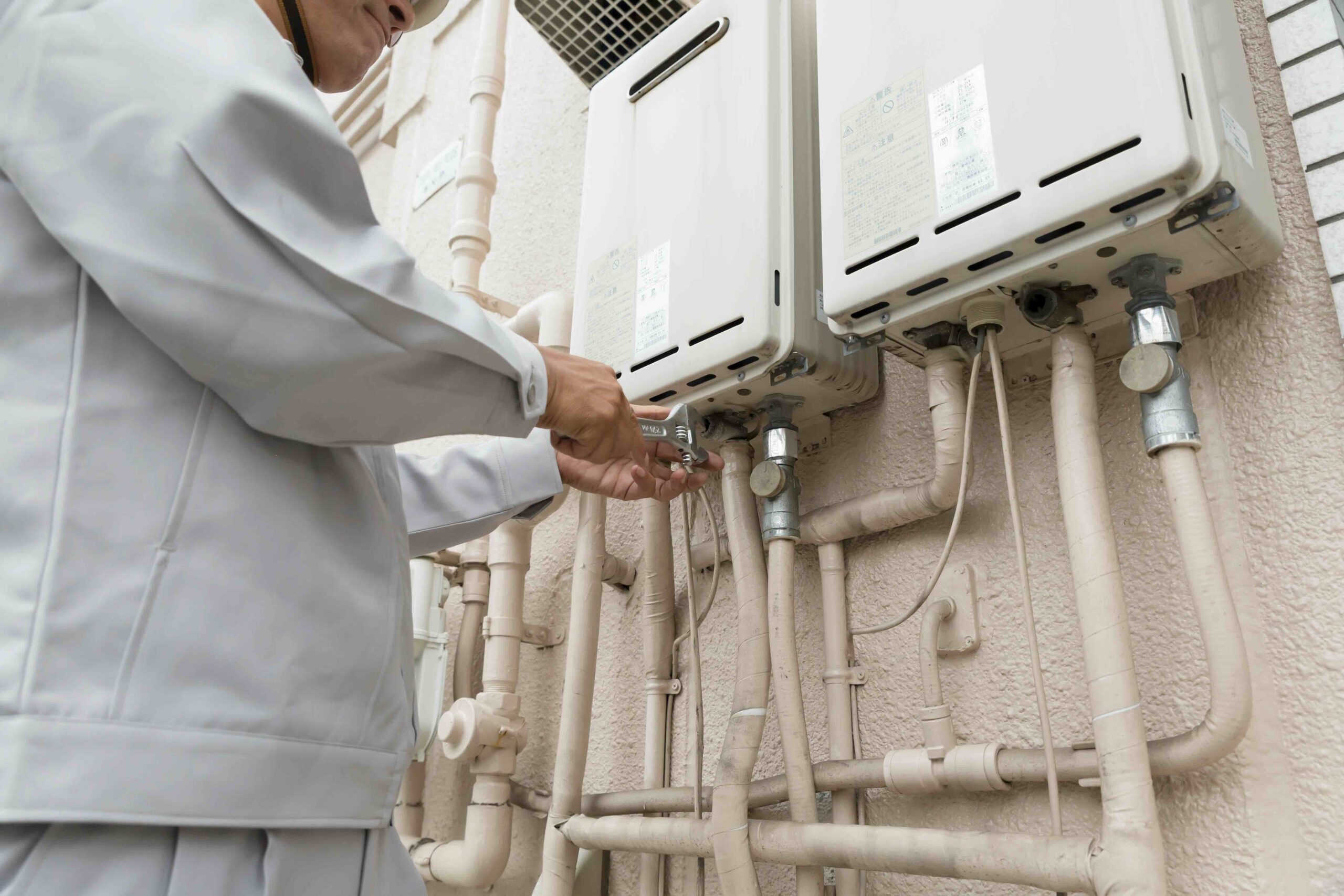
Understanding Tankless Water Heaters: A Smarter Hot Water Solution for Modern Homes
Hot water is something most of us take for granted—until it’s not there. From morning showers to nightly dishwashing, the water heater powers comfort and convenience throughout the home. Traditional tank heaters have long been the standard, but tankless water heaters are experiencing a surge in popularity. As homeowners seek more efficient, space-saving, and cost-effective upgrades, understanding how these systems work—and how to protect them—is essential. This article explores tankless water heaters in-depth, from how they operate to the pros, the cons, and how they fit into larger homeownership strategies.
What Is a Tankless Water Heater?
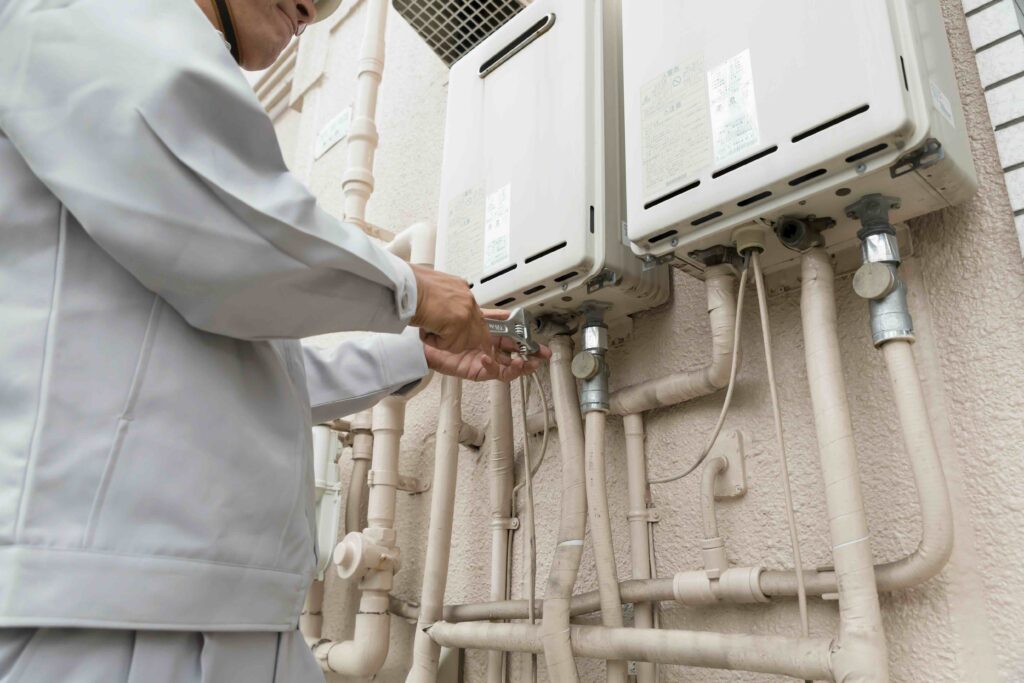
A tankless water heater, also known as an on-demand water heater, is a high-efficiency home appliance that heats water only when you need it. Unlike conventional systems that store hot water in a large tank, tankless models skip the storage aspect altogether. When a hot water tap is turned on, cold water travels through a heat exchanger in the unit, typically powered by electricity or gas, instantly raising the water to the desired temperature. There’s no standby water waiting in a tank—just immediate, heated water the moment you call for it.
How Does It Work?
Tankless units are deceptively compact, but within the housing lies an efficient, reactive system designed to deliver consistent performance. As cold water flows into the unit, sensors engage the heating components—either electric coils or a gas-fired burner. The water circulates through the heat exchanger, rapidly warming before emerging through the faucet, showerhead, or appliance line. Once the tap is turned off, the unit shuts down, minimizing energy waste by avoiding the need to maintain a reservoir of preheated water. The system responds in real time, adjusting energy output based on actual demand.
Key Advantages of Tankless Systems
Energy savings is often the most talked-about advantage. Because a tankless water heater only operates when hot water is needed, it eliminates the standby losses inherent in tank-style heaters. This can translate into lower utility bills over time, especially in households that use less hot water. Additionally, tankless heaters provide a virtually endless supply of hot water, limited only by the unit’s flow rate and your home’s capacity.
The compact footprint is another meaningful benefit. Wall-mounted units can free up storage space in utility rooms, basements, or even closets. For homes where square footage is at a premium, every inch counts. And lastly, durability: tankless systems typically last longer than traditional models. With proper maintenance, they can function effectively for 15 to 20 years, compared to 8 to 12 years for most tank-style heaters. Less frequent replacements mean fewer disruptions and lower long-term costs.
Common Drawbacks to Be Aware Of
No system is perfect, and it’s important to weigh limitations before deciding on a tankless water heater. The upfront cost is often higher. The unit itself is more expensive, and retrofitting an existing home may require upgrades to plumbing lines, gas supply, or electrical systems. This means installation can carry a hefty price tag.
Flow rate limitations can also be a concern. While tankless heaters can supply endless hot water, they may struggle to support multiple fixtures at once. A system that supports one shower might falter if paired with a dishwasher and laundry load running simultaneously. To mitigate this, some homeowners install multiple units or select high-capacity models—both of which require thoughtful planning and investment.
Is a Tankless Water Heater Right for Your Home?
Your household habits and existing home systems play a major role in whether a tankless water heater is a good fit. Larger households with simultaneous hot water needs may require more powerful models. Homes undergoing renovations or new construction are ideal candidates, as integrating tankless systems into a new layout is typically easier and more cost-effective than retrofitting older systems.
Energy-conscious homeowners or those interested in modernizing legacy systems will benefit most. Still, it’s worthwhile to consult a licensed technician who can assess your home’s infrastructure and determine feasibility. Sizing the unit appropriately is essential—underpowered systems will underperform, and oversized systems might never recoup their cost savings.
Protecting Your Investment: The Role of Maintenance
While tankless heaters deliver high performance and longevity, they’re not maintenance-free. Mineral buildup, particularly in areas with hard water, can impair efficiency and reduce lifespan. Manufacturers generally recommend descaling the unit at least once a year—this keeps the heat exchanger functioning optimally and minimizes unexpected failures.
Debris in the water supply or system components can also lead to performance issues, which means installing inline filters or investing in water treatment solutions may be worthwhile. Routine maintenance checks help address software error codes, inspect venting systems, and confirm gas or electric connections remain secure.
How Home Warranties Support Tankless Water Heater Ownership
A well-maintained tankless unit is built to last—but even the most reliable appliances can experience mechanical failure. When repairs are needed, the cost can be significant, particularly for major internal components or if the fault triggers wider issues, like water damage. Homeowners who want peace of mind often choose to offset these risks through a home warranty plan.
Home warranties work by covering eligible systems, including tankless water heaters, subject to plan details. With a coverage plan in place, homeowners can submit a service request, and a qualified technician will be dispatched to diagnose and repair the issue—without the shock of an unexpected expense. This makes home management more predictable and stress-free, particularly when it comes to newer or more technical appliances.
Why Armadillo Is the Smart Choice for Tankless Water Heater Coverage
Tankless water heaters represent a smart, efficient upgrade—but like any home system, they’re not immune to malfunction. That’s where Armadillo can make a difference. Our home warranty plans are designed with modern homeowners in mind, offering broad coverage for critical appliances and home systems, including your tankless water heater. We provide clear terms, fast service requests, and qualified providers—so when something breaks, you don’t have to scramble.
Don’t leave a smart home upgrade exposed to downtime or costly surprises. Protect your investment and your peace of mind with Armadillo. Visit our homepage to learn more, or get started with a personalized plan by heading to our plan builder. Your hot water comfort, secured—without the hassle.