What Is a Snake Air Conditioner and How Does It Work?
If you have ever heard the term “snake air conditioner” and immediately pictured something unusual, you are not alone. The phrase refers to a ductless mini-split system configured in a serpentine or winding layout, designed to distribute conditioned air through multiple zones in a home without relying on traditional ductwork. In some regional and contractor contexts, the term also describes flexible refrigerant line sets that coil or snake through walls and ceilings to connect indoor air handlers to an outdoor compressor unit. Either way, the concept is the same: a modern, flexible approach to home cooling and heating that goes around obstacles instead of through them. Understanding what this system actually does, and whether it makes sense for your home, starts with knowing the basics of how it operates.
The Core Technology Behind Snake Air Conditioner Systems
At its foundation, a snake air conditioner operates on the same refrigerant cycle as any standard air conditioning unit. A compressor located outside your home pressurizes refrigerant, which then travels through insulated refrigerant lines — the “snake” portion — to one or more indoor air handlers mounted on walls or ceilings. Those handlers absorb heat from the indoor air and release cooled air back into the room. What sets this configuration apart from central air is the absence of rigid duct systems running through your attic or walls. Instead, the flexible lines thread through tight spaces, around corners, and across floors with far less structural disruption. This makes it a practical solution in older homes, room additions, garages, converted attics, and anywhere ductwork installation would otherwise require major renovation.
Key Advantages of Choosing a Snake Air Conditioner for Your Home
There are some genuinely compelling reasons why homeowners gravitate toward this type of system, and the list is not short. The most frequently cited benefits include energy efficiency, installation flexibility, and individualized zone control.
- No energy loss through duct leaks, which can account for up to 30 percent of cooling energy waste in ducted systems
- Individual zone control allows different rooms to be set at different temperatures simultaneously
- Quieter operation compared to window units and many central systems
- Faster installation with minimal wall or ceiling damage
- Suitable for homes without existing ductwork or with limited attic space
- Many models offer both heating and cooling, functioning as a heat pump year-round
Beyond the efficiency gains, homeowners who work from home or have household members with varying comfort preferences often find the zoning capability alone worth the investment. That level of control is simply not available with most traditional forced-air systems without significant additional cost.

Common Drawbacks You Should Know Before Installing One
No home system is perfect, and the snake air conditioner setup is no exception. The upfront installation cost is typically higher than a comparable window unit and, depending on the number of zones, can rival the cost of a central air system. The outdoor compressor unit requires adequate clearance and regular maintenance, and the indoor air handlers, while sleek, are visible fixtures on your walls or ceilings. Some homeowners find the aesthetic less appealing than hidden ductwork. There is also the matter of refrigerant line placement — those flexible lines need to be routed thoughtfully to avoid condensation problems, interference with building materials, and potential damage from pests or shifting structures. If the installation is rushed or done improperly, those snaking lines can become a source of ongoing headaches rather than the efficient solution they are meant to be.
How Snake Air Conditioner Line Sets Are Installed
The installation process begins with selecting mounting locations for each indoor air handler and then planning the refrigerant line route from each handler back to the outdoor compressor. Technicians drill a small hole — usually around three inches in diameter — through the exterior wall near each indoor unit to feed the refrigerant lines, power cables, and condensate drain tubing outside. From there, the lines are run along the exterior of the home or through interior spaces to reach the compressor. In some configurations, especially in multi-story homes or those with complex floor plans, the lines do quite literally snake through multiple access points before connecting. Proper insulation of these lines is critical to system efficiency and longevity, and any licensed HVAC technician should treat that step with full attention.
Energy Efficiency Ratings and What to Look For
When evaluating a snake air conditioner system, pay close attention to the SEER2 rating, which stands for Seasonal Energy Efficiency Ratio. As of recent federal updates, new systems must meet minimum SEER2 thresholds, but higher-rated units — those in the 20 to 30 SEER2 range — can significantly reduce monthly utility bills over time. You will also want to look at the HSPF2 rating if the unit doubles as a heat pump, as this measures heating efficiency. Many modern ductless systems also carry ENERGY STAR certification, which indicates they meet or exceed federal standards for energy performance. These numbers matter because a system that costs more upfront but operates at a higher efficiency rating can pay back the difference within a few years of regular use.
Maintenance Tips to Keep Your System Running Efficiently
Like any major home system, a snake air conditioner requires consistent maintenance to stay in good working order. The good news is that the routine upkeep is relatively straightforward for homeowners.
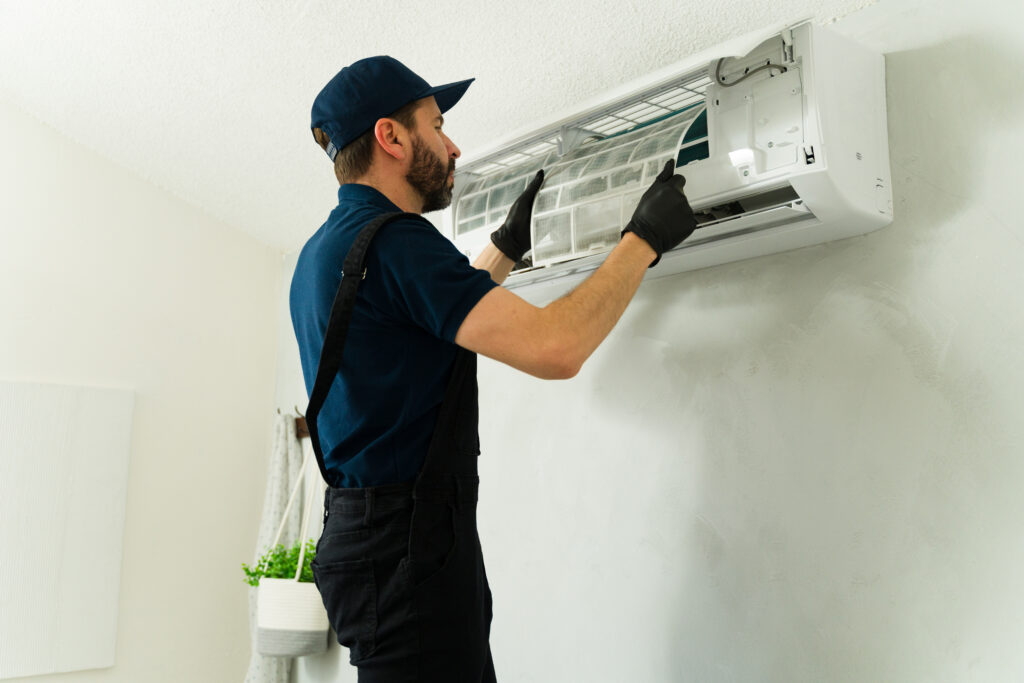
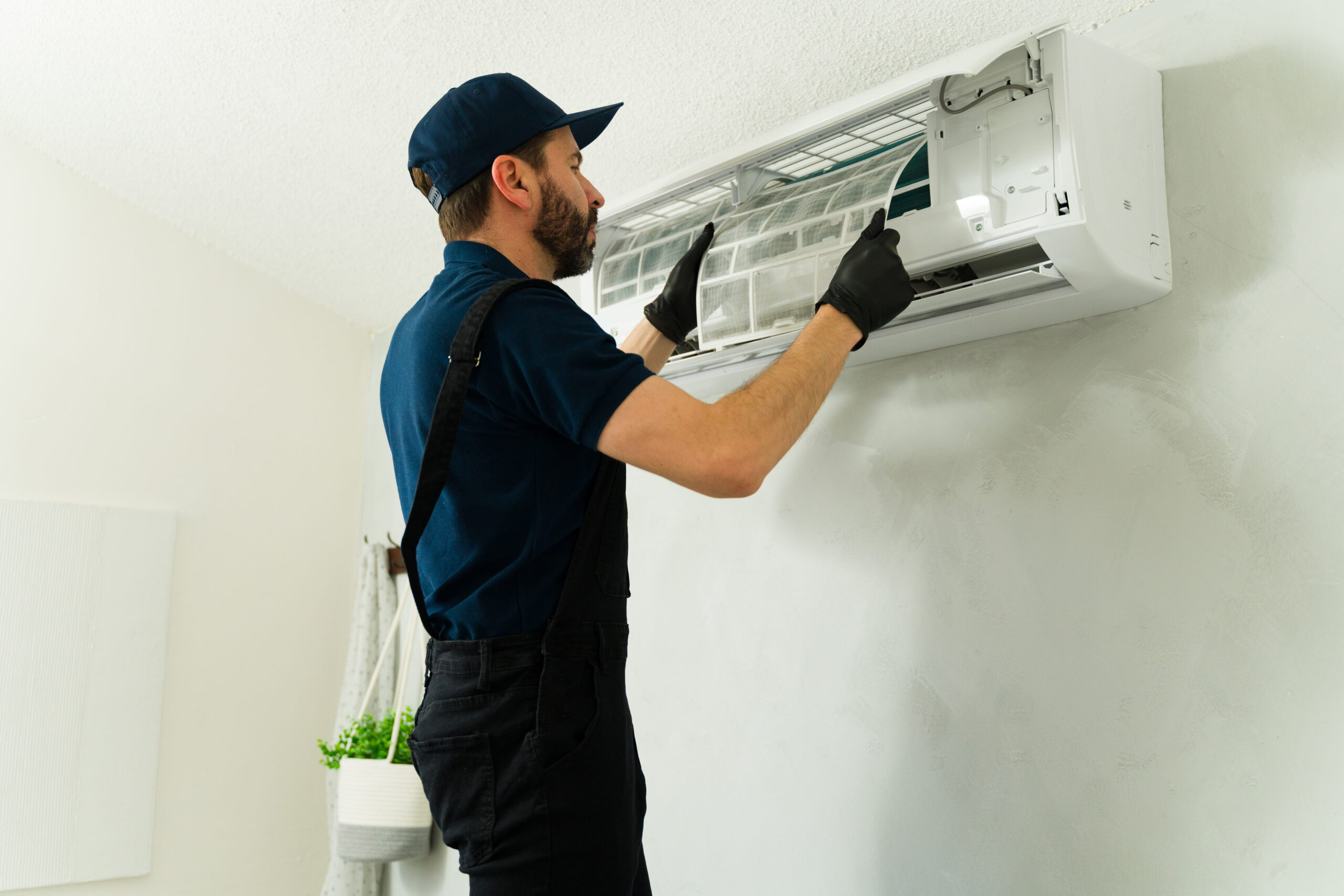
- Clean or replace the air handler filters every four to six weeks during heavy use seasons
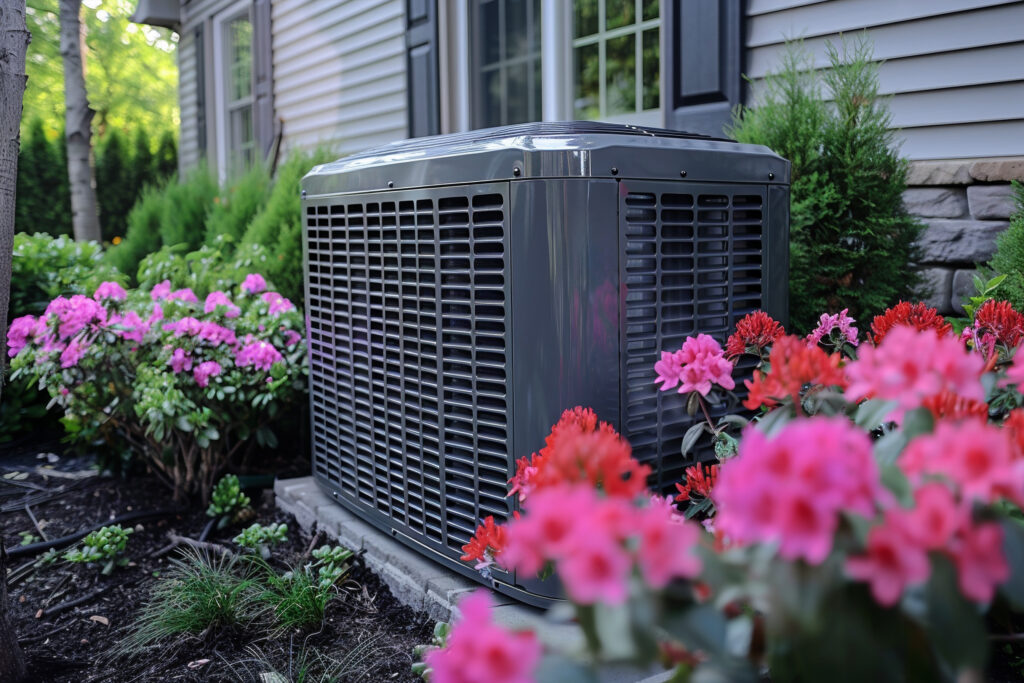
- Inspect the outdoor compressor unit seasonally and clear away debris, leaves, and overgrown vegetation
- Check the condensate drain line annually to prevent clogs that could cause water damage
- Schedule a professional HVAC inspection at least once per year to check refrigerant levels and electrical connections
- Wipe down indoor air handler vents regularly to prevent dust accumulation that reduces airflow
Neglecting these steps does not just reduce comfort — it accelerates component wear and can shorten the lifespan of the system by several years. A well-maintained ductless system can last fifteen to twenty years, which makes the upfront cost much easier to justify over time.
Is a Snake Air Conditioner Right for Your Home?
The answer depends largely on your home’s layout, your existing infrastructure, and your long-term comfort goals. Homes built without ductwork, room additions that fall outside the reach of a central system, finished basements, and sunrooms are all strong candidates for this type of installation. If you already have a functioning central air system in good condition, adding a ductless unit to supplement a problem area is often more cost-effective than replacing everything. On the other hand, if you are starting fresh or doing a major renovation, evaluating a full multi-zone ductless setup from the beginning can result in a highly efficient and customized solution. It is always worth getting at least two or three quotes from licensed HVAC professionals before committing, and asking specifically about the refrigerant line routing plan before any work begins.
Why Home Warranty Coverage Matters for Your Snake Air Conditioner
Here is something that does not always come up in these conversations but absolutely should: what happens when something breaks? A snake air conditioner system involves multiple components — compressors, refrigerant lines, air handlers, electrical connections — and any one of them can fail unexpectedly. Repair costs for ductless systems are not trivial. A compressor replacement alone can run anywhere from eight hundred to over two thousand dollars, and that is before factoring in labor. This is exactly where a home warranty earns its value. At Armadillo home warranty coverage for ductless and mini-split air conditioning systems, the focus is on protecting homeowners from those unpredictable, high-cost repairs that seem to happen at the worst possible time. Rather than absorbing the full cost of a failed compressor or a malfunctioning air handler out of pocket, covered homeowners pay a straightforward service fee and let the warranty do its job. If you want to see what that protection actually looks like for your home, you can get a free snake air conditioner home warranty quote tailored to your zip code in just a few minutes. It is one of the simplest ways to add a financial safety net to an otherwise significant home investment.

Frequently Asked Questions About Snake Air Conditioners
Here are answers to the questions homeowners ask most often about snake air conditioner systems, ductless mini-splits, and related home cooling decisions.
What exactly is a snake air conditioner?
A snake air conditioner refers to a ductless mini-split system where flexible refrigerant lines snake through walls, ceilings, or exterior surfaces to connect indoor air handlers with an outdoor compressor unit, eliminating the need for traditional ductwork.
How long does a snake air conditioner system typically last?
With proper maintenance, a ductless mini-split system can last between fifteen and twenty years. The outdoor compressor unit generally has a shorter lifespan than the indoor handlers and may need replacement sooner.
Can a snake air conditioner heat my home as well as cool it?
Yes. Most modern ductless systems function as heat pumps, providing both heating and cooling. They are highly efficient in moderate climates, though supplemental heating may be needed in regions with extreme winter temperatures.
How much does it cost to install a snake air conditioner?
Single-zone ductless systems typically range from one thousand five hundred to five thousand dollars installed, depending on the brand, SEER rating, and complexity of the refrigerant line routing. Multi-zone systems cost more.
Does a snake air conditioner require regular maintenance?
Yes. Filter cleaning every four to six weeks during active use, annual professional inspections, and seasonal outdoor unit clearance are all part of keeping the system running at peak efficiency.
Is a snake air conditioner more efficient than central air?
In many cases, yes. Ductless systems avoid the energy losses associated with duct leakage, and their inverter-driven compressors adjust output based on demand rather than cycling fully on and off, which reduces energy consumption.
Can I add a snake air conditioner to a home that already has central air?
Absolutely. Many homeowners use ductless units to supplement central air in areas that are difficult to condition, such as room additions, garages, finished basements, or upper floors with poor airflow.
Are snake air conditioner systems covered by home warranties?
Coverage varies by provider and plan. Some home warranty companies cover ductless mini-split systems, including compressors and air handlers. It is important to review plan details carefully and confirm that ductless systems are explicitly included.
What SEER rating should I look for in a snake air conditioner?
A minimum SEER2 rating of 16 is a reasonable baseline for efficiency, but units rated between 20 and 30 SEER2 offer the most significant long-term energy savings and are worth the higher upfront investment in most climates.
What happens if the refrigerant line in a snake air conditioner is damaged?
A damaged refrigerant line will cause the system to lose cooling capacity and can result in complete system failure if not addressed. Repair requires a licensed HVAC technician to locate the damage, repair or replace the line, and recharge the refrigerant to the correct level.