What Is a Sprinkler System Shut Off Valve and Why Does It Matter?
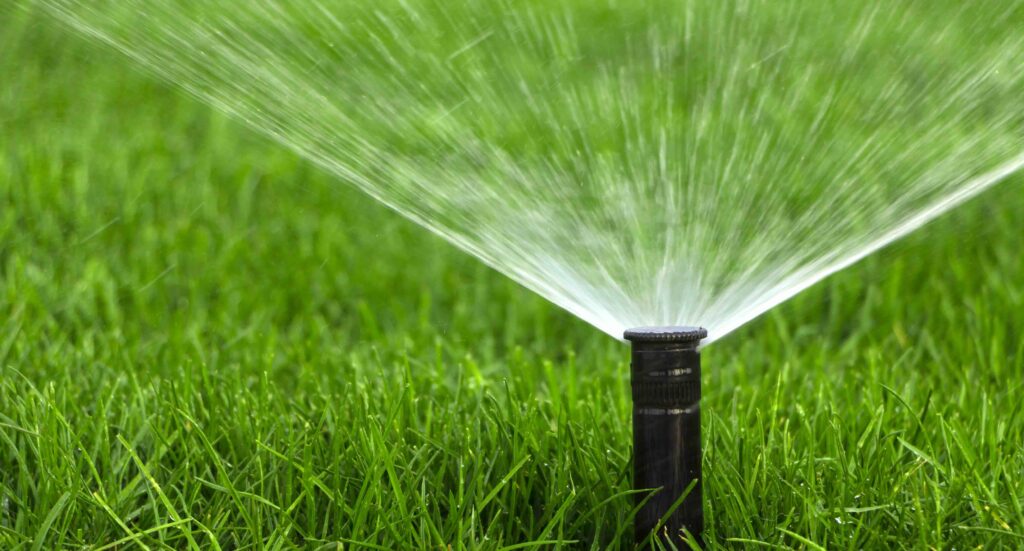
If you have an in-ground irrigation system, there is one small component quietly doing some serious work behind the scenes — the sprinkler system shut off valve. This valve is essentially the master control point for your entire irrigation setup. It is the mechanism that stops water from flowing into your sprinkler lines, and when it fails, things can get messy fast. We are talking about flooded yards, water damage near the foundation, and a system that either will not turn off or cannot turn on at all. Understanding what this valve is, how it works, and what happens when it needs to be replaced is genuinely useful knowledge for any homeowner with an irrigation system.
How a Sprinkler Shut Off Valve Actually Works
The shut off valve on a sprinkler system is typically installed along the main water supply line that feeds the irrigation system, separate from your home’s interior plumbing. When the valve is open, water flows freely to your sprinkler zones. When it is closed, water stops completely. Some systems use a ball valve, which requires a simple quarter-turn to open or shut the flow. Others use a gate valve, which requires multiple rotations. There is also the backflow preventer assembly, which often includes shut off valves as part of its design. The valve works in coordination with your irrigation controller and zone valves, but this particular component is the one you reach for when you need to cut water to the entire system — during winterization, repairs, or emergencies.
Signs That Your Sprinkler Shut Off Valve Needs to Be Replaced
Valves do not last forever. Over time, exposure to outdoor temperatures, sediment buildup, and general wear will degrade the internal components. Here are the most common signs that a replacement is overdue:
- The valve is stuck and will not open or close fully, even with significant effort
- You notice water leaking around the valve body or handle even when it is in the closed position
- The handle is visibly corroded, cracked, or broken off entirely
- Water continues flowing to your sprinkler system even after the valve is closed
- There is visible mineral buildup or rust around the connection points
Any one of these issues is a valid reason to call in a professional. Ignoring a faulty shut off valve can lead to larger water waste issues, increased utility bills, and potential water damage if the system loses the ability to stop flow on demand.
The Replacement Process Explained Simply
Replacing a sprinkler system shut off valve is not an enormous job, but it does require shutting off the home’s main water supply or the dedicated irrigation water source first. A technician will drain the remaining water from the line, remove the old valve, and install a new one that is compatible with the existing pipe diameter and material. If the existing valve is a gate valve, many professionals recommend upgrading to a ball valve during replacement since ball valves tend to be more durable and easier to operate. The entire job can often be completed in under two hours when there are no complications, though older systems with corroded pipes may require additional work around the connection points.

Key Advantages of Replacing a Worn Sprinkler Shut Off Valve Promptly
There is a real return on investment when you address a failing valve before it becomes a crisis. A functioning shut off valve gives you immediate control over your irrigation system in the event of a broken sprinkler head, burst lateral line, or unexpected freeze. It protects your landscaping from overwatering caused by an inability to stop the system. It also supports proper winterization — one of the most important maintenance steps for any irrigation system in a climate that experiences freezing temperatures. A valve that does not fully close makes it impossible to blow out the lines correctly, which can leave water trapped and at risk of expanding and cracking your pipes once temperatures drop.
Common Drawbacks and Limitations to Be Aware Of
As straightforward as valve replacement sounds, there are a few real-world limitations homeowners should understand before assuming it is always a simple fix. If the surrounding pipe has been compromised by corrosion, the replacement job can expand quickly in both scope and cost. Older systems that used galvanized steel pipes may require section replacements rather than just a valve swap. Additionally, if the valve is located below grade or buried under landscaping, access can complicate the labor involved. Some homeowners also discover during valve replacement that their backflow preventer — a related but separate component — is also showing wear, turning a single-component repair into a more comprehensive service call.
What Does a Sprinkler Shut Off Valve Replacement Typically Cost?
Costs vary based on region, valve type, and system configuration, but homeowners can generally expect to pay somewhere between one hundred fifty and four hundred dollars for a straightforward valve replacement when factoring in parts and labor. If complications arise — like pipe corrosion, difficult access, or a needed backflow preventer inspection — that number can climb. The valve itself is not an expensive component. The labor and any associated pipe work is where the cost accumulates. It is always worth getting a professional assessment rather than assuming the job is simple, especially on systems that have not been serviced in several years.
Maintenance Tips to Extend the Life of Your Shut Off Valve
A little preventive care goes a long way with irrigation components. Operating the shut off valve at least once or twice each season — opening and closing it fully — helps prevent it from seizing due to mineral deposits or disuse. Inspecting the valve body for early signs of corrosion or leaking each spring, before the irrigation season begins, gives you the opportunity to catch problems before they become urgent. Proper winterization each fall is arguably the most important habit, as it removes water from the lines and reduces freeze-related stress on every component, including the shut off valve. If you are in a climate that regularly dips below freezing, this is non-negotiable.
How Irrigation System Repairs Relate to Your Home Warranty Coverage
Here is where things get interesting for homeowners. Many standard home warranty plans do not automatically include sprinkler or irrigation systems — this coverage is often offered as an add-on. That said, when it is included, it can cover the cost of repairing or replacing components like shut off valves, zone valves, and irrigation controllers when they fail due to normal wear and tear. The distinction matters: coverage typically applies to mechanical failure, not damage caused by improper installation, freezing due to lack of winterization, or physical damage from landscaping activity. Reading the fine print of any warranty plan that claims irrigation coverage is important so you know exactly what is and is not included before you need to file a claim.
Why Armadillo Is the Smart Choice for Homeowners Who Want Real Protection
When a component like a sprinkler system shut off valve fails, the last thing you want is to navigate a confusing claims process or discover your coverage has a convenient exclusion buried in the fine print. That is where Armadillo home warranty plans built for modern homeowners stand out from the crowd. Armadillo is built around transparency, speed, and coverage that actually makes sense — no runaround, no surprise denials, and no fine print designed to leave you stranded when your irrigation system decides to give out in the middle of July. Whether you are dealing with a seized shut off valve, a failing zone valve, or something happening inside the house entirely, having the right protection in place changes the experience completely. If you are ready to stop gambling on repair costs and start protecting your home with confidence, get a free sprinkler system home warranty quote today and see exactly what coverage looks like for your home in seconds.

Frequently Asked Questions About Sprinkler System Shut Off Valve Replacement
What is a sprinkler system shut off valve?
It is the main valve that controls water flow to your entire irrigation system. When closed, it stops water from reaching any of your sprinkler zones, making it essential for repairs, winterization, and emergency shutoffs.
How do I know if my sprinkler shut off valve is failing?
Common signs include difficulty turning the valve, water leaking around the valve body, visible corrosion or physical damage, and water continuing to flow to your sprinkler system even when the valve is in the closed position.
Can I replace a sprinkler shut off valve myself?
A homeowner with plumbing experience may be able to handle a straightforward replacement, but it requires shutting off the main water supply and working with pipe fittings. Professional installation is recommended to avoid leaks, compatibility issues, or damage to surrounding pipe sections.
How long does a sprinkler shut off valve last?
With proper maintenance and seasonal care, a quality shut off valve can last anywhere from ten to twenty years. Neglected systems or those in climates with extreme temperature swings may see shorter lifespans.
Is sprinkler system repair covered under a home warranty?
It depends on the plan. Many home warranties offer irrigation system coverage as an optional add-on rather than a standard inclusion. Always review what specific components and failure types are covered before assuming a repair will be included.
What type of shut off valve is best for a sprinkler system?
Ball valves are generally preferred over gate valves for irrigation systems. They operate with a simple quarter-turn, seal more reliably over time, and are less prone to internal corrosion compared to older gate valve designs.
Does a faulty shut off valve affect winterization?
Yes, significantly. If the valve will not close fully, you cannot properly isolate the system or blow out the lines. This leaves water trapped in the pipes, which can expand when temperatures drop and cause cracks throughout your irrigation lines.
How much does it cost to replace a sprinkler shut off valve?
Most homeowners pay between one hundred fifty and four hundred dollars for a professional replacement, depending on the valve type, pipe material, accessibility, and whether any surrounding components need attention during the service call.
Should I replace a gate valve with a ball valve during repair?
Most irrigation professionals recommend it. Ball valves are more reliable, easier to operate, and hold up better over time. If a gate valve is already being replaced, upgrading to a ball valve during the same service visit is a cost-effective decision.
How often should I inspect my sprinkler system shut off valve?
At minimum, inspect the valve each spring before the irrigation season begins and each fall before winterization. Operating it through its full range of motion a couple of times per season helps prevent seizing from sediment buildup or mineral deposits.