Why Your Stand-Up Freezer Isn’t Freezing: Causes, Solutions, and What Homeowners Need to Know
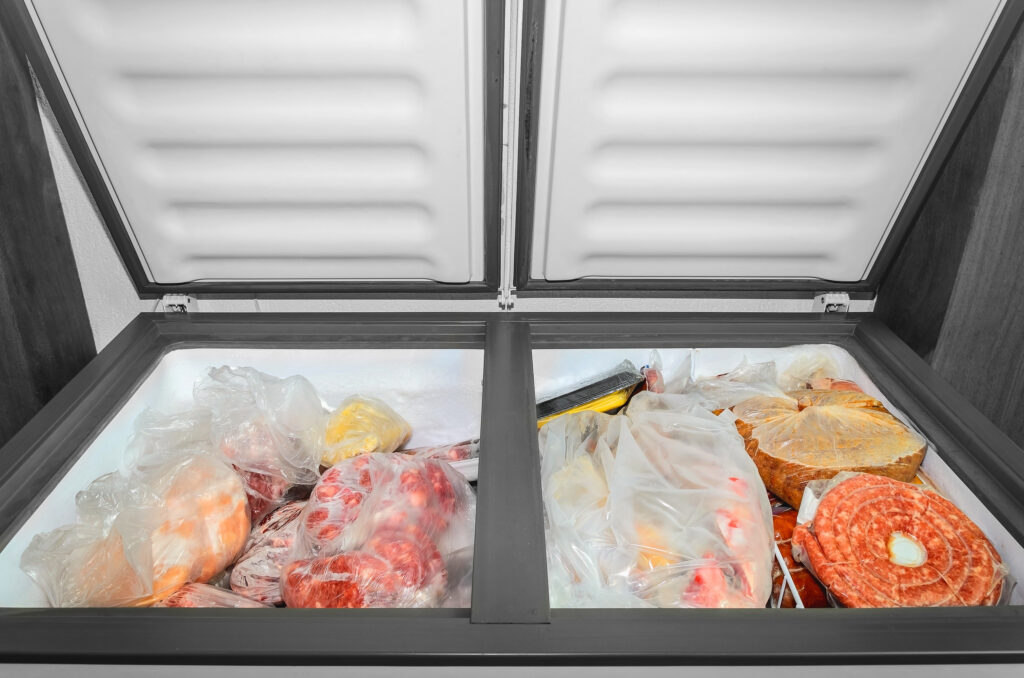
Stand-up freezers are household mainstays for many families—quietly preserving everything from meat and produce to ice cream and leftovers. But what happens when your trusted appliance suddenly stops freezing? It’s common, it’s frustrating, and it’s usually not random. Whether it’s a small component failure, user error, or an electrical hiccup, understanding what’s happening inside your stand-up freezer is the key to getting it back on track. This article offers homeowners a comprehensive guide to the inner workings of stand-up freezers, why they fail to freeze, and how home warranties can be a safety net when things go wrong.
Understanding the Basics: How Stand-Up Freezers Work
To make sense of why a freezer might stop freezing, it helps to first understand how it’s designed to function. A stand-up freezer works similarly to a refrigerator but focuses solely on low-temperature cooling. The system moves refrigerant through a cycle composed of four basic parts: the compressor, condenser coils, expansion valve, and evaporator coils. The compressor kicks things off by compressing the coolant, turning it into a hot gas that travels through the condenser coils, expelling heat into the surrounding air. This gas then cools and turns into a liquid, passes through the expansion valve, and enters the evaporator coils inside the freezer where it absorbs heat—lowering the internal temperature. A thermostat regulates all of this, and fans help evenly distribute cold air.
Why Your Stand-Up Freezer May Not Be Freezing Properly
When freezing stops, homeowners often assume the entire unit is broken. That’s rarely the case. The failure point is typically just one component within the system. Thermostat failures are among the most frequent culprits. If the temperature control sensor misreads the internal climate, it won’t signal the compressor to activate. Compressor malfunctions are another common issue. When the compressor motor fails or loses efficiency, the refrigerant doesn’t circulate, and the freezer gradually warms up.
Fans also play an essential role. If the evaporator fan isn’t working, cold air won’t circulate as it should. Similarly, if condenser coils are dirty or blocked, they can’t efficiently release heat, putting strain on the system and reducing performance. Additionally, many stand-up freezers depend on regular defrosting cycles to prevent frost build-up that can clog airflow. A faulty defrost timer or heater can lead to frost blockages, again preventing freezing—even when the system appears otherwise functional.
The Role of Electrical and Environmental Factors
Apartment dwellers and homeowners alike sometimes overlook the impact of power supply issues and environmental conditions. An unstable electrical current or weak extension cord can underpower your freezer, causing intermittent freezing. Equally impactful is ambient temperature: freezers stored in garages or basements may struggle in extreme heat or cold. Most manufacturers specify temperature operating ranges for optimal performance. If the environment falls outside of that, system efficiency can plummet, or key components might malfunction prematurely.
Another environmental factor is placement. Stand-up freezers need proper ventilation. When pushed against a wall or boxed into a tight corner, airflow around condenser coils suffers. Less airflow means inefficient cooling. This is a surprisingly common oversight in home installations.
Manufacturer Defects and the Need for Routine Maintenance
No appliance is made perfectly, and even the most trusted brands occasionally produce hardware with manufacturing defects. These often emerge during the first few years. That’s why a solid home warranty or manufacturer’s warranty becomes beneficial. Spotting early signs of system fatigue—like strange noises, longer cycling periods, or inconsistent temperatures—can also help prevent major failures.
Routine maintenance plays an overlooked but significant role in freezer performance. Clearing out ice buildup, cleaning condenser coils twice a year, ensuring the door seals tightly, and protecting electrical connections from moisture or pests should all be routine homeowner practices. These measures not only extend your freezer’s lifespan but can also prevent sudden freezing failures from occurring in the first place.
How a Home Warranty Covers a Stand-Up Freezer That Stops Freezing
Home warranty plans are designed to protect homeowners from unexpected repair and replacement costs related to major home systems and appliances, including freezers under certain policy terms. If your stand-up freezer stops freezing due to normal wear and tear, qualified home warranty providers will typically arrange for a licensed contractor to diagnose the problem and either repair or replace the appliance depending on what’s needed and what your plan covers.
With a home warranty like Armadillo’s, you get more than just protection; you get proactive maintenance options and straightforward claims support. For example, if your defrost heater shorts out or the thermostat sensor fails, you won’t be scrambling for service providers or comparing repair estimates. It’s handled. This is particularly useful for freezer issues that aren’t immediately visible or involve electrical or mechanical symptom overlap.
Choosing the Right Warranty Plan for Your Freezer and Other Appliances
Not all warranty plans are created equal. When comparing options, ensure the policy includes standalone freezers if you rely on one outside of your refrigerator unit. Look closely at coverage limits, repair timelines, and network contractor availability. The right provider should offer transparent terms, easy claims submission, and allow for both repair and replacement—not just patchwork fixes.
Armadillo’s flexible plans, for instance, allow you to customize protection based on your home’s needs. You can include appliances like freezers under broader kitchen appliance coverage or as an add-on. The freedom to tailor plans means you’re not paying for coverage you don’t need—or missing protection where it matters.
Bringing It All Together—and Why a Home Warranty Makes It Easier
When your stand-up freezer stops freezing, the last thing you want is guesswork. Diagnosing the issue might involve electrical troubleshooting, component testing, or proactive maintenance—all of which come with cost, labor, and logistical headaches. Whether it’s a thermostat, compressor, defrost system, or something more subtle, awareness of how the system works helps you react effectively. More importantly, wrapping that awareness in a safety net—a reliable home warranty solution—can restore both appliance function and homeowner peace of mind.
If you’ve experienced freezer issues or want to avoid costly repairs in the future, Armadillo has you covered. With flexible, transparent plans and service that elevates expectations, Armadillo delivers professional reliability with approachable ease. Visit armadillo.one to learn more. Ready to build your custom plan? Start here: Plan Builder.