Why Is There Standing Water in Your Washing Machine — And What Should You Do About It?
You open the lid to toss in a fresh load of laundry and stop dead in your tracks. There it is — a drum full of murky, stagnant water just sitting there, going absolutely nowhere. Standing water in a washing machine is one of those household surprises that feels minor at first glance but can point to something that genuinely needs your attention. Whether it happened once or keeps repeating, understanding the cause is the first step toward fixing it — and toward protecting the appliances you rely on every single day.
How a Washing Machine Is Supposed to Drain
Before getting into what goes wrong, it helps to understand what should happen. After every wash cycle, your washing machine pumps water out through a drain hose that connects to either a standpipe, a utility sink, or a direct plumbing drain. A component called the drain pump creates the suction needed to push that water out of the drum. From there, it travels through the drain hose and exits the machine entirely. The whole process takes just a couple of minutes under normal conditions. When any part of that chain — the pump, the hose, the lid mechanism, or the control board — stops functioning correctly, water has nowhere to go. And that is when you find yourself staring at a soggy, standing pool where your clean clothes should be.
The Most Common Reasons Water Stays Behind
There is rarely just one explanation for standing water, which is part of what makes the diagnosis a bit tricky. Here are the most frequent culprits homeowners encounter:
- A clogged or kinked drain hose that prevents water from exiting the machine
- A failed or obstructed drain pump that can no longer generate sufficient force
- A lid switch or door latch that has malfunctioned, causing the spin cycle to not complete
- A blocked coin trap or filter that has accumulated lint, debris, or foreign objects
- An unbalanced load that caused the machine to skip or abort the spin cycle
- A faulty control board or timer that interrupted the wash cycle prematurely
Each of these issues has a different repair path and a different price point, which is why proper diagnosis matters before spending money on parts or service calls.
Drain Hose Problems: Easier Than You Think to Spot
The drain hose is a great starting point because it is accessible and visual inspection requires no tools. Pull the washing machine slightly away from the wall and look at how the hose runs from the back of the unit to the drain connection. If it is kinked sharply at any point, water physically cannot pass through. Straightening the hose and securing it with proper clearance can sometimes resolve the issue entirely. If the hose appears to be in good shape positionally, the clog may be internal. Debris builds up inside hoses over time, and small objects — coins, buttons, even a forgotten tissue — can lodge themselves in a way that partially or fully blocks flow. Disconnecting the hose and flushing it with water will usually reveal whether this is the source of the problem.
When the Drain Pump Is the Problem
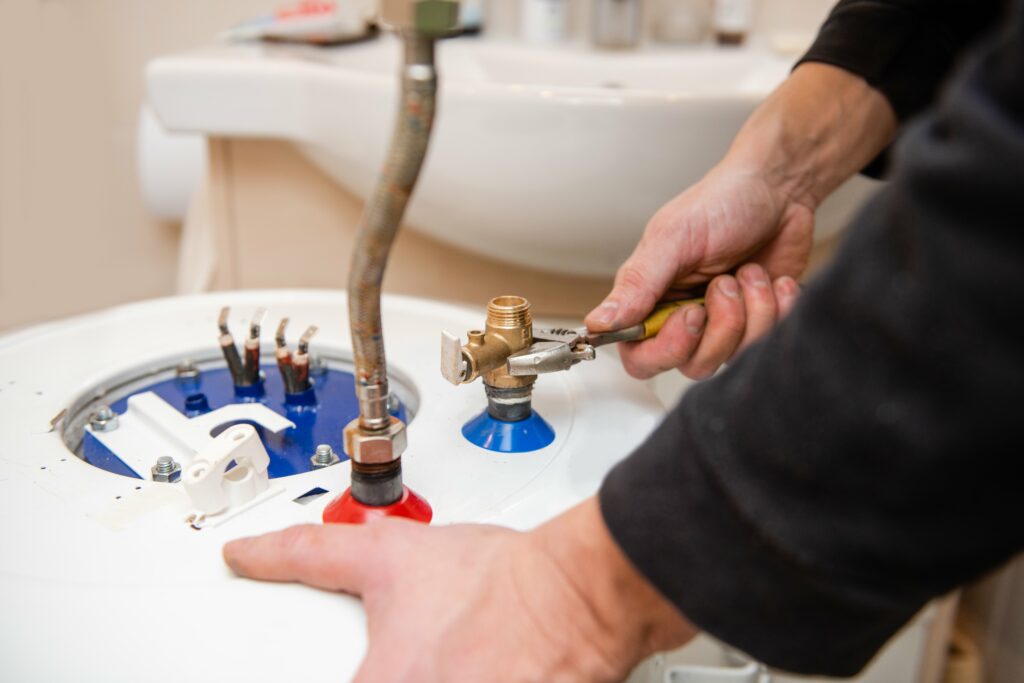
The drain pump is the mechanical heart of the draining process, and when it fails, the symptoms are pretty unmistakable. You might hear a humming or grinding noise during the drain cycle without any actual draining occurring, or the machine might go completely silent when it should be active. Pumps fail for a few reasons — they wear out naturally over years of use, small objects get past the filter and jam the impeller, or an electrical fault causes the motor to stop functioning. Replacing a drain pump is a moderately involved repair that most competent technicians can handle efficiently, but it is not typically a DIY fix for the average homeowner. The part itself usually runs between fifty and one hundred fifty dollars, and labor adds to that depending on your market and the machine’s make and model.

Lid Switch and Door Latch Failures
Top-loading washing machines have a lid switch — a small but critical safety component that tells the machine the lid is closed before allowing the spin cycle to run. If that switch breaks or becomes misaligned, the machine may stop mid-cycle and leave water sitting in the drum without completing the drain. Front-loading machines have a similar mechanism in the door latch assembly. Testing the lid switch is relatively straightforward with a multimeter, but replacing it requires some comfort with appliance repair. The good news is this is generally one of the less expensive repairs on the list, with parts often costing under thirty dollars.
Do Not Overlook the Filter and Coin Trap
Many homeowners are surprised to learn their washing machine even has a filter. Most front-load washers — and some top-loaders — have a small access panel near the bottom of the unit that hides a coin trap and pump filter. This filter is designed to catch lint, small items, and debris before they reach the pump. When it gets clogged, drainage slows down or stops completely. Cleaning this filter every few months is straightforward maintenance that can prevent standing water issues entirely. Consult your owner’s manual for the exact location and cleaning procedure for your specific model. Keep a shallow dish and a towel nearby when you open it — residual water will spill out.
What Happens If You Ignore Standing Water
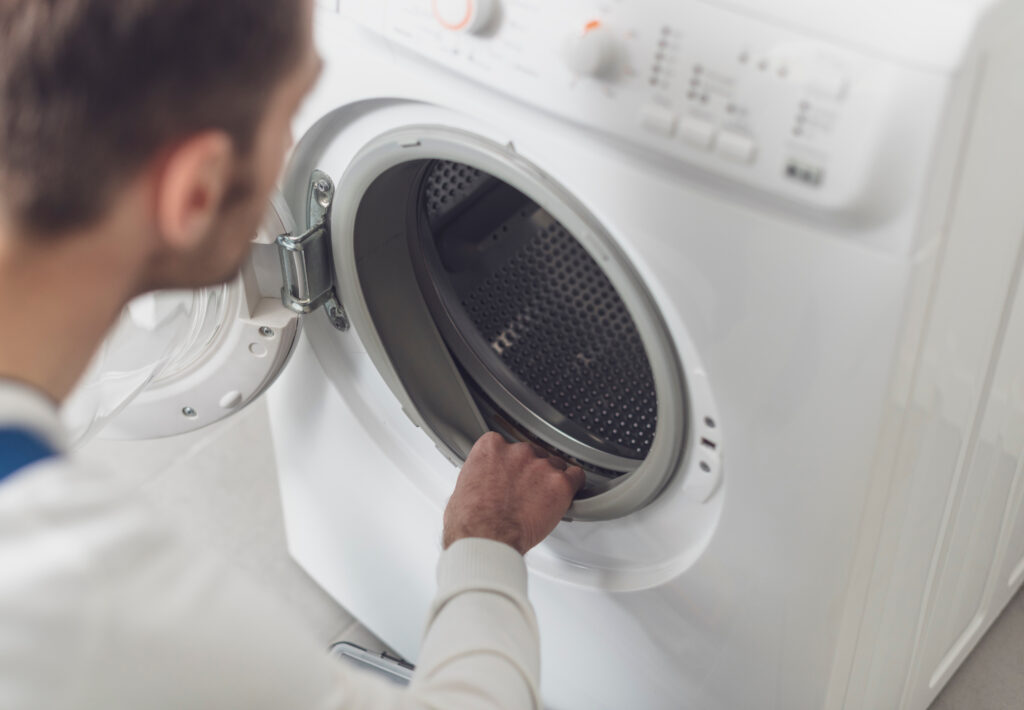
Leaving standing water unaddressed is not just inconvenient — it creates real risks for your appliance and your home. Stagnant water in the drum breeds mold and mildew quickly, leading to persistent odors that transfer to your clothing and embed themselves in the machine’s drum and door gasket. Over time, that moisture can damage internal components, accelerate rust in certain parts, and even affect flooring or cabinetry nearby if the water seeps. Beyond the appliance itself, an unresolved drainage fault means your machine cannot do its job — and a machine that sits idle while you wait for repairs creates its own kind of disruption to your household routine. Acting promptly is always the better call.
Preventive Maintenance Tips to Avoid Future Drainage Issues
A little ongoing attention goes a long way when it comes to keeping your washing machine draining properly. Consider building these habits into your regular home maintenance routine:
- Clean the drain pump filter every one to three months depending on usage frequency
- Check the drain hose annually for kinks, cracks, or signs of wear
- Run a monthly cleaning cycle using a washing machine cleaner or a cup of white vinegar
- Avoid overloading the drum, which stresses the pump and can cause incomplete spin cycles
- Check pockets before loading clothes to prevent foreign objects from reaching the pump
- Leave the lid or door slightly open between uses to allow moisture to evaporate
Why a Home Warranty Makes Sense for Washing Machine Repairs
Washing machine repairs have a way of arriving at the least convenient time, and the costs — even for seemingly simple fixes — add up faster than most homeowners expect. A drain pump replacement, a lid switch failure, a control board issue — any one of these can run several hundred dollars by the time parts and labor are factored in. That is exactly the scenario a well-structured home warranty is built to handle. Armadillo home warranty coverage for washers and major appliances is designed to step in when mechanical breakdowns happen, covering the repair or replacement costs that would otherwise come straight out of your pocket. Rather than scrambling to find a technician and negotiate pricing in the middle of a crisis, having a plan in place means one call connects you to qualified service. If standing water in your washing machine has you reconsidering how prepared you really are for appliance failures, now is a reasonable moment to take stock of your coverage. You can get a free home warranty quote for washing machine and appliance protection in just a few minutes and know exactly what you would be covered for before the next unexpected breakdown finds you.

Frequently Asked Questions About Standing Water in a Washing Machine
These are the questions homeowners ask most often when dealing with washing machine drainage problems — answered plainly and practically.
Why is my washing machine not draining after a full cycle?
The most likely causes are a clogged drain hose, a blocked pump filter, a failing drain pump, or a malfunctioning lid switch or door latch that prevented the spin cycle from completing. Start by inspecting the drain hose and cleaning the filter before calling a technician.
Is it safe to use a washing machine that has standing water in it?
It is not advisable. Running additional cycles on a machine that cannot drain will not resolve the issue and may worsen the underlying problem. Standing water also promotes mold growth and can damage internal components if left unaddressed.
How do I manually drain a washing machine with standing water?
Most machines have a drain hose that can be lowered below the level of the drum to allow gravity to assist in removing water. Alternatively, accessing the coin trap at the base of the unit will release stored water — keep a towel and shallow pan ready before opening it.
Can a clogged lint trap cause standing water in a washing machine?
Yes. The drain pump filter, sometimes called a lint or coin trap, is one of the most common causes of drainage failure. When it becomes packed with debris, water cannot flow through at the rate needed to empty the drum.
How much does it cost to fix a washing machine that won’t drain?
Costs vary by the cause. Cleaning a clogged filter is essentially free. A drain hose replacement might cost twenty to fifty dollars in parts. A drain pump repair typically runs between one hundred fifty and three hundred fifty dollars including labor, depending on the brand and technician rates in your area.
Can I fix a washing machine that won’t drain without a technician?
Some causes — like a kinked hose or clogged filter — are well within reach for a homeowner comfortable with basic maintenance. More complex repairs, such as replacing a drain pump or diagnosing a control board fault, are generally better handled by a qualified appliance technician.
Does a home warranty cover washing machine drainage problems?
Many home warranty plans cover mechanical and electrical failures in washing machines, which would include drain pump failures and related component breakdowns. Coverage terms vary by provider, so reviewing what is explicitly included and excluded in your plan is important before assuming a repair is covered.
How often should I clean my washing machine drain filter?
For most households, cleaning the drain pump filter every one to three months is a reasonable schedule. Households that do laundry daily or wash items that shed significant lint — like towels, pet bedding, or fleece — may benefit from more frequent cleaning.
Why does my washing machine drain slowly instead of not draining at all?
Slow draining typically indicates a partial obstruction rather than a complete failure. A filter that is becoming clogged, a hose that is narrowed by buildup, or a pump that is starting to wear out can all cause water to drain sluggishly before the problem becomes a complete blockage.
Can standing water in a washing machine damage my floors?
If a drainage failure causes an overflow or if the machine leaks during attempted cycles, floor damage is a real possibility — particularly with hardwood or laminate flooring. Even without overflow, persistent moisture around the machine can contribute to mold growth on surrounding surfaces over time.