What Is a Stove Burner and Why Does It Matter More Than You Think?
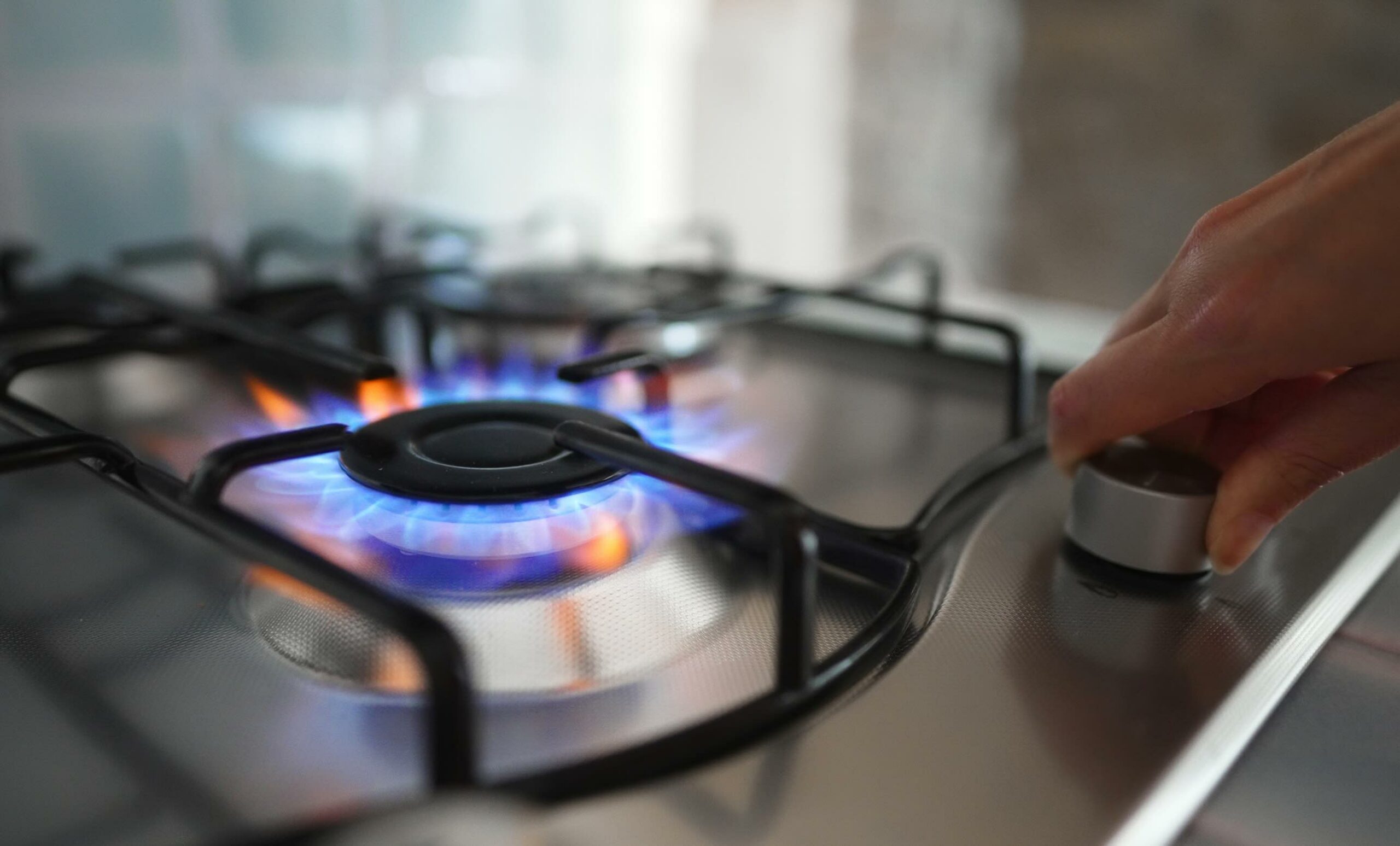
The stove burner is one of those components that gets used every single day without much thought — until it stops working. At its core, a stove burner is the heat-generating element on your range or cooktop that transfers energy to your pots and pans. Whether you are boiling water, searing a steak, or simmering a slow sauce, the burner is doing the heavy lifting. And yet, most homeowners have only a vague sense of how they actually function, what can go wrong, and what it costs when something does. That gap in knowledge can be surprisingly expensive. Understanding your stove burners — how they work, what type you have, and how a home warranty fits into the picture — is genuinely useful information that can save you time, money, and a lot of frustration.
The Different Types of Stove Burners Explained
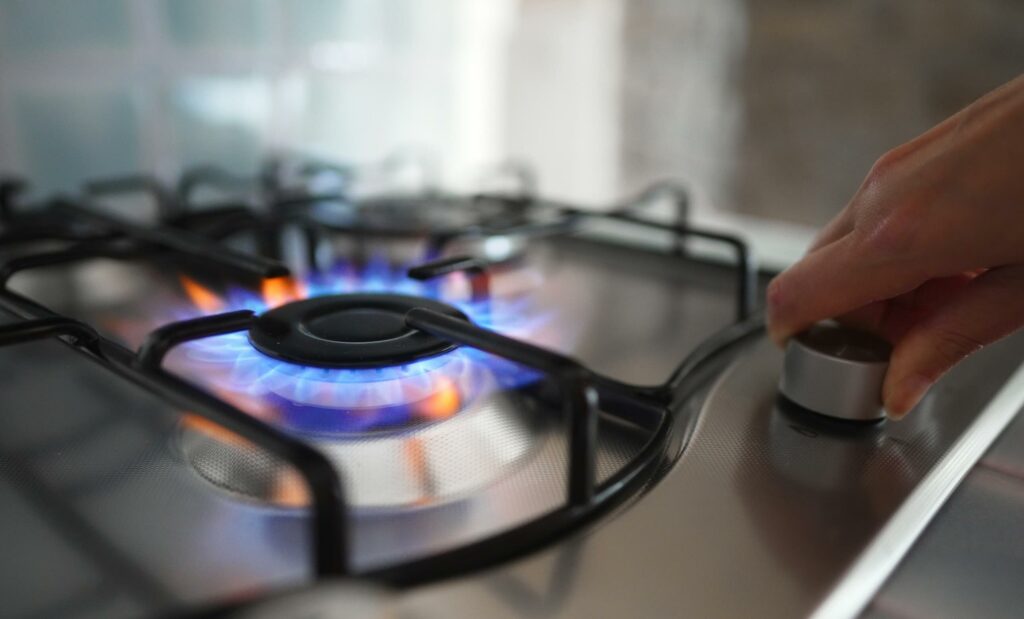
Not all burners are created equal, and the type in your kitchen has a meaningful impact on performance, maintenance, and repair costs. The three most common types are gas burners, electric coil burners, and smooth-top electric or induction burners. Gas burners use an igniter to spark a flame fueled by natural gas or propane. They heat quickly, cool quickly, and give cooks a high degree of visual control. Electric coil burners are the older-style, exposed metal rings that glow red when heated — they are durable, inexpensive to replace, and straightforward in design. Smooth-top electric burners use radiant heat elements beneath a flat ceramic or glass surface, offering a cleaner look and easier wipe-down. Induction burners are the most technologically advanced option; they use electromagnetic energy to heat the cookware directly rather than the surface itself, making them faster and more energy-efficient than any other type. Knowing which type you have is the starting point for everything else.
How a Stove Burner Actually Works
The mechanics vary by burner type, but the fundamental goal is the same: generate and transfer heat reliably. On a gas range, opening the burner valve releases fuel that gets ignited by a small electric spark. The flame burns at the burner head, which is typically a circular component with small ports that distribute the flame evenly. On an electric coil model, electrical resistance within the metal coil generates heat as current flows through it. Smooth-top radiant burners work similarly but keep the heating element hidden beneath a tempered glass or ceramic surface. Induction burners run an alternating current through a copper coil beneath the cooktop surface, which creates a magnetic field that generates heat only in ferrous metal cookware placed on top. Each design has its quirks, failure points, and maintenance considerations — and understanding the basics helps you communicate more clearly with a technician when something goes wrong.

The Key Advantages of Modern Stove Burners
Modern burner technology has come a long way, and homeowners upgrading from older equipment tend to notice the difference immediately. Here is what makes current burner designs worth paying attention to:
- Induction burners heat cookware up to 50 percent faster than traditional gas or electric options, reducing overall cooking time significantly.
- Smooth-top and induction surfaces are much easier to clean because spills do not burn onto an open coil or grate.
- Sealed gas burners prevent food and liquid from getting trapped underneath, reducing both mess and maintenance frequency.
- Variable heat output across multiple burner sizes on a single cooktop gives cooks greater flexibility and precision.
- Modern electric and induction burners often include built-in safety features like automatic shutoff and residual heat indicators.
These are not minor conveniences — they translate into genuine improvements in daily usability and long-term appliance health.
Common Drawbacks and Limitations to Know
No appliance component is without its downsides, and stove burners are no exception. Gas burners require proper ventilation and come with inherent safety considerations around gas leaks and open flames. The igniter systems on gas ranges can be a recurring source of trouble, sometimes clicking continuously even when the burner is off — a frustrating and occasionally alarming issue. Electric coil burners are less precise and slower to respond to temperature changes, which experienced cooks tend to find limiting. Smooth-top surfaces, while attractive, are vulnerable to cracking or scratching if heavy cookware is dropped or abrasive cleaning products are used. Induction cooktops require specific magnetic cookware, meaning a homeowner switching to induction may need to replace pots and pans as well. Repair costs for smooth-top and induction models can also be substantially higher than for their gas or coil counterparts, particularly when the glass surface itself is damaged.
Signs Your Stove Burner Needs Attention
Catching a burner problem early is almost always cheaper than waiting until it fails completely. There are some reliable warning signs that indicate it is time to take a closer look:
- Uneven heating or hot spots that cause food to cook inconsistently across the pan surface.
- A gas burner that takes multiple attempts to ignite or produces a weak, uneven flame.
- A clicking igniter that continues sounding after the burner has been lit or turned off.
- Visible cracks, discoloration, or raised areas on a smooth-top ceramic surface.
- An electric coil burner that no longer glows evenly or heats only on one side.
- A burning smell that is not related to food — this one should be addressed immediately.
Basic Maintenance Tips to Extend the Life of Your Burners
Routine maintenance is not complicated, but it does require consistency. For gas burners, keeping the burner caps and grates clean is essential. Clogged burner ports — the small openings where the flame emerges — are one of the most common causes of ignition problems and can usually be cleared with a straight pin or small brush. Avoid harsh cleaners that leave residue inside those ports. For electric coil burners, lift the coil periodically to clean the drip pan beneath it, which is a common source of odors and smoke. For smooth-top surfaces, use a dedicated ceramic cooktop cleaner and a soft cloth — never abrasive pads. Induction surfaces are the most forgiving in terms of cleaning but should still be wiped down regularly to prevent buildup around the edges. Across all types, never slide cookware across the surface, as this accelerates wear and can scratch or damage the finish over time.
When a Burner Repair Becomes a Replacement Decision
There is a point in the life of any appliance where the cost of repair approaches or exceeds the cost of replacement, and stove burners can push you toward that threshold faster than expected. A single electric coil replacement might cost under fifty dollars and take less than ten minutes. A cracked smooth-top glass surface, on the other hand, can run several hundred dollars just for parts. Igniter assemblies on gas ranges fall somewhere in between. The general rule: if the repair cost exceeds fifty percent of what a comparable new appliance would cost, replacement is usually the smarter financial move. That said, the age of your stove matters enormously here. A two-year-old range with a burner issue almost always warrants repair. A twelve-year-old range with multiple problems might not. A qualified technician can help you evaluate that threshold, and having a home warranty in place can significantly change the calculus in your favor.
Why a Home Warranty Makes Sense for Stove Burner Coverage
A stove burner failure is rarely convenient. It tends to happen mid-week, mid-meal, or right before a holiday gathering. That unpredictability is exactly why home warranty coverage for kitchen appliances and stove burner repairs is worth serious consideration. Armadillo takes a no-nonsense approach to home warranty coverage — straightforward plans, transparent terms, and real support when something breaks. When your gas igniter starts misfiring or your smooth-top surface develops a heat irregularity, the last thing you want to be doing is hunting for a reputable technician and negotiating repair costs out of pocket. With Armadillo, that process is handled. Coverage for ranges and cooktops is built into their appliance protection plans, and getting started is genuinely simple. If you are ready to stop leaving your kitchen appliances unprotected, you can get a free home warranty quote for stove and appliance protection in just a few minutes. Your burners work hard every day. It makes sense to have a plan that works just as hard for you.

Frequently Asked Questions About Stove Burners and Home Warranty Coverage
Real questions homeowners ask about stove burners, repair costs, and what home warranty plans actually cover.
What causes a gas stove burner to keep clicking after it has been turned off?
This is almost always caused by moisture or food debris that has gotten into the igniter mechanism. After cleaning, if the clicking persists, the igniter switch or module may need to be replaced by a qualified technician.
Can a cracked smooth-top stove surface be repaired, or does the entire cooktop need to be replaced?
In most cases, a cracked ceramic or glass smooth-top surface requires full replacement of the glass panel rather than a localized patch repair. The extent of the crack and the specific model determine whether the cooktop itself can be preserved or if a full appliance replacement makes more sense financially.
How long should a stove burner typically last?
With regular maintenance, gas and electric coil burners can last fifteen years or more. Smooth-top radiant and induction surfaces generally have a similar lifespan, though the glass surface itself is more vulnerable to physical damage that can shorten that window significantly.
Does a home warranty cover stove burner repairs?
Most home warranty plans that include appliance coverage will cover stove burner repairs when the failure is due to normal wear and mechanical breakdown. Coverage specifics vary by provider and plan, so reviewing the terms before purchasing is always a good idea.
Is it safe to use a stove burner that is not heating evenly?
Uneven heating is a performance issue rather than an immediate safety hazard in most cases, but it should still be addressed promptly. For gas burners specifically, uneven flame distribution can sometimes indicate clogged ports or a more serious gas flow issue that warrants professional inspection.
What type of stove burner is the most energy-efficient?
Induction burners are the most energy-efficient option currently available for residential cooking. They transfer roughly 85 to 90 percent of generated energy directly into the cookware, compared to about 40 percent for gas and 70 percent for standard electric coil or radiant burners.
Why does my electric burner glow red on one side but not the other?
This typically indicates a partial failure within the coil itself or a loose connection at the burner receptacle. Electric coil burners are generally inexpensive to replace and are considered a straightforward repair that most homeowners or technicians can complete without difficulty.
What cookware works with induction burners?
Induction burners require cookware made from magnetic materials, which includes cast iron and most stainless steel. A simple test is to hold a magnet to the bottom of your pot — if it sticks firmly, the cookware is induction-compatible. Aluminum, copper, and glass cookware will not work on induction surfaces without a special adapter disk.
How often should I clean my gas burner caps and ports?
For most households, a thorough cleaning of gas burner caps and ports every one to three months is sufficient. Homes with heavy daily cooking may benefit from more frequent attention. Keeping these components clean is one of the most effective ways to prevent ignition problems and ensure consistent flame output.
Does it cost more to repair a gas stove burner or an electric one?
Repair costs vary depending on the specific failure, but electric coil burners tend to be the least expensive to repair due to simple, inexpensive components. Gas burner repairs involving igniters, valves, or control modules can be moderately more expensive. Smooth-top and induction repairs are generally the most costly, particularly when the glass surface or electronic control board is involved.