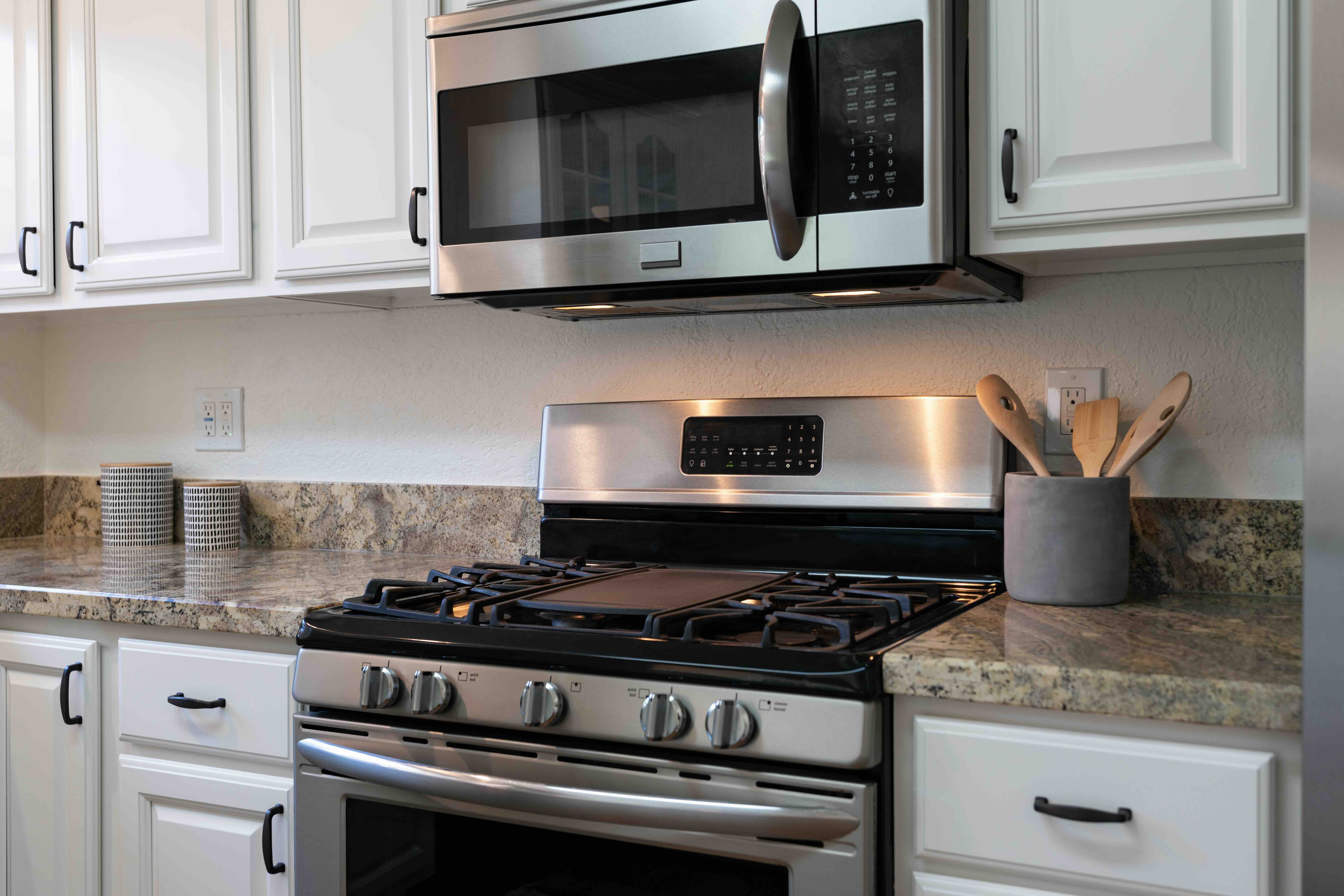
When Your Stove Stops Heating: What Every Homeowner Needs to Know
You turn the burner knob, wait a moment, and nothing happens. No heat, no click, no warmth whatsoever. A stove that refuses to heat is one of those household problems that manages to be both inconvenient and genuinely confusing at the same time. Is it the burner? The igniter? Something deeper inside the appliance? Before panic sets in, it helps to understand how your stove actually works, what typically goes wrong, and what your options are when a repair is needed. This guide is designed to walk you through all of that in plain language, so you can make confident decisions about your home.
How a Stove Actually Works
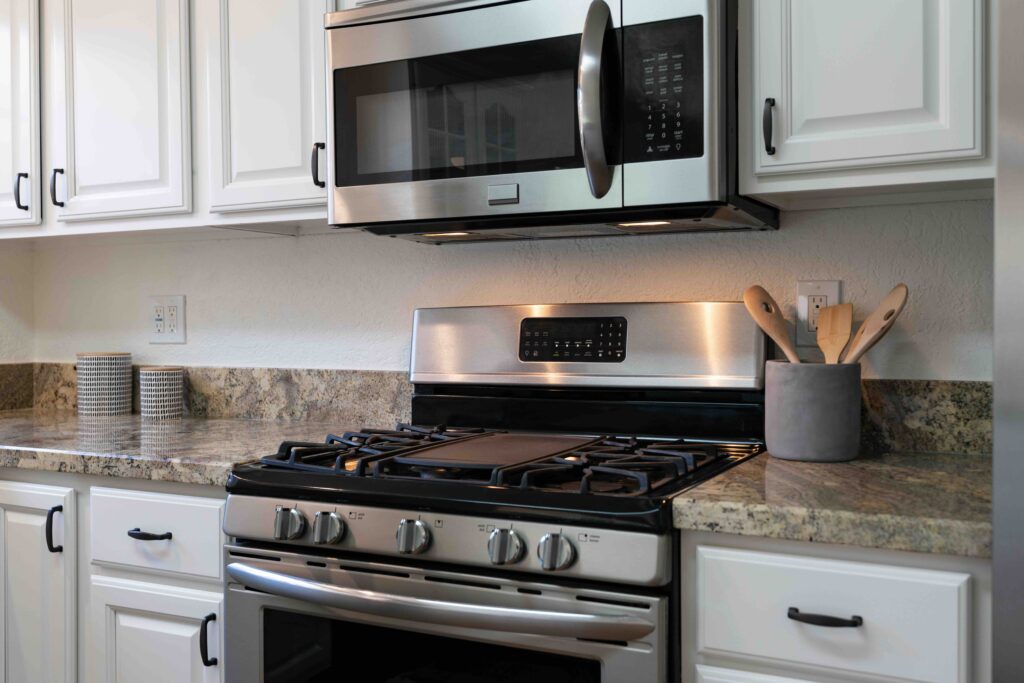
Most homeowners interact with their stove every single day without giving much thought to what is happening behind the scenes. Whether you have a gas range or an electric model, the basic principle is the same: energy is converted into heat, which is then transferred to your cookware. On a gas stove, a burner receives fuel through a valve and an igniter sparks the gas to create a controlled flame. On an electric stove, either a coil element or a smooth ceramic glass surface receives electrical current, which generates resistance and produces heat. Induction cooktops work a bit differently, using electromagnetic energy to heat the cookware directly rather than the surface itself. Each of these systems has its own set of components that can wear down over time, which means each has its own set of failure points.
Common Reasons a Stove Stops Heating
The cause of a stove not heating can range from something simple and fixable in minutes to a deeper mechanical issue requiring a professional technician. Understanding the most frequent culprits can help narrow things down quickly.
- Faulty or burned-out burner element on an electric stove
- Defective igniter that fails to spark on a gas range
- Tripped circuit breaker or blown fuse in the home’s electrical panel
- Damaged or blocked gas supply line
- Worn-out control switch or infinite switch that regulates heat levels
- Malfunctioning surface element board on smooth-top electric ranges
- Faulty wiring connections within the appliance itself
Some of these issues are visible and testable without any technical background. A burner element that has visible breaks or blistering, for example, is a clear sign of failure. Others, like a bad control switch, require a bit more investigation and often a multimeter to diagnose properly.
Gas vs. Electric Stoves: Different Problems, Different Fixes
The type of stove you have matters a lot when diagnosing heating issues. Gas stoves that fail to heat are often dealing with igniter problems, clogged burner ports, or issues with the gas supply. A weak or completely dead igniter will prevent a burner from lighting even when gas is flowing. Cleaning clogged ports with a fine needle or brush sometimes resolves minor issues, but a failing igniter typically needs replacement. On the electric side, a burner that produces no heat at all is frequently a sign of a burned-out element. These elements can often be replaced as a simple plug-in swap on coil-style ranges. Smooth-top ranges are a little more involved since the heating elements sit beneath the glass surface and require disassembly to access. Either way, identifying which type of stove you have is the first step in any diagnostic process.

When a Simple Fix Is Not Enough
There are moments when a stove stops heating and the cause is something beyond a quick DIY repair. Internal wiring failures, problems with the main control board, or damage to a gas valve are all situations where a qualified appliance technician should be doing the work. Attempting electrical or gas-related repairs without experience is not just difficult, it is genuinely dangerous. If you notice a burning smell, hear unusual sounds, or see any signs of scorching around the stove’s interior, stop using the appliance immediately and contact a professional. These symptoms suggest a more serious problem that, if ignored, can become a safety hazard in your home.
The Real Cost of Stove Repairs
Here is where things start to sting a little. Appliance repairs are rarely free, and stove repairs specifically can vary quite a bit in price depending on the nature of the issue and the type of stove involved. Replacing a standard electric burner element typically costs between fifty and one hundred fifty dollars including labor. Igniter replacements on gas ranges often fall in a similar range. However, replacing a control board or repairing internal wiring on a high-end range can push repair costs into the three hundred to six hundred dollar territory or higher. When a stove is already several years old, homeowners are often left weighing whether a repair is even worth it compared to replacing the appliance altogether. That is a frustrating position to be in, especially when the failure happens without warning.
Preventive Maintenance Tips to Keep Your Stove Running Longer
Not every stove failure is avoidable, but routine care genuinely extends the life of the appliance and reduces the likelihood of unexpected breakdowns. Keeping burner grates and ports clean on gas stoves prevents clogs that interfere with ignition and heat distribution. On electric ranges, avoid harsh scrubbing on coil connections and check periodically that plug-in elements are seated properly in their receptacles. For smooth-top ranges, use appropriate cookware that sits flat on the surface and avoid dropping heavy objects on the glass. Checking that your stove is properly ventilated and that the power supply connections are secure is also worth doing annually. Small habits go a long way when it comes to appliance longevity.
Knowing When to Repair vs. Replace Your Stove
The general rule of thumb in the appliance world is that if a repair costs more than fifty percent of the appliance’s current replacement value, replacement often makes more financial sense. A stove that is over ten years old and requires an expensive fix is usually approaching the end of its serviceable life anyway. However, a newer stove with a single faulty component is almost always worth repairing. Age, frequency of past repairs, and the estimated cost of the current fix are the three variables that should guide this decision. A technician can usually give you a reliable estimate before any work begins, which makes the cost-benefit comparison fairly straightforward.
How a Home Warranty Can Protect You When Appliances Fail
One of the smarter moves a homeowner can make is getting ahead of unexpected appliance repairs before they happen. A home warranty is a service contract that covers the cost of repairing or replacing major home systems and appliances when they fail due to normal wear and tear. This is exactly the kind of coverage that comes into play when your stove suddenly stops heating. Instead of scrambling to find a technician and absorbing the full cost of the repair out of pocket, a home warranty means you pay a predictable service fee and the warranty provider handles the rest. For homeowners who want financial predictability and less stress when appliances break, it is a genuinely practical solution.
Why Armadillo Is the Right Choice When Your Stove Leaves You Cold
When your stove stops working, the last thing you want is to deal with a complicated claims process or an unresponsive warranty company. That is where Armadillo stands apart. Armadillo offers straightforward, honest home warranty coverage designed specifically for real homeowners dealing with real problems, including appliance failures like a stove that simply refuses to heat. As a trusted provider of home warranty plans that cover major kitchen appliances and home systems, Armadillo takes the guesswork out of what is covered and what to do when something breaks. The process is transparent, the coverage is clear, and the support is responsive when you need it most. If you want to stop worrying about what the next appliance repair is going to cost you, take a moment to get a free stove and appliance home warranty quote from Armadillo and see exactly what protection is available for your home today.

Frequently Asked Questions About a Stove Not Heating
Why is my electric stove not heating at all?
The most common causes are a burned-out burner element, a tripped circuit breaker, or a faulty control switch. Start by checking your home’s electrical panel before inspecting the burner element for visible damage.
Why is my gas stove not lighting or producing heat?
A failed igniter is the most frequent culprit, followed by clogged burner ports or an interruption in the gas supply. If the igniter is clicking but not lighting, the ports may need cleaning. If there is no click at all, the igniter likely needs replacement.
Is it safe to use a stove that partially heats?
A stove with inconsistent heating should be inspected before continued use, especially if you smell gas or notice any burning odors. Partial heating can indicate faulty wiring or a failing control component that may worsen over time.
How long does a typical stove last?
Most stoves have a lifespan of thirteen to fifteen years with regular use and basic maintenance. Gas ranges tend to last slightly longer than electric models on average.
Can I replace a stove burner element myself?
On coil-top electric ranges, replacing a burner element is typically a straightforward task that does not require professional help. Smooth-top and induction ranges are more complex and generally benefit from professional service.
Does a home warranty cover a stove that stops heating?
Most home warranty plans cover built-in stoves and ranges when they fail due to normal wear and tear. Coverage details vary by provider, so reviewing your specific plan terms is always recommended before filing a claim.
What should I do first if my stove stops working suddenly?
Check the circuit breaker first if it is an electric stove. Verify the gas supply is active if it is a gas range. If neither resolves the issue, contact a qualified appliance technician for an assessment.
How much does it cost to repair a stove that is not heating?
Repair costs typically range from fifty to over five hundred dollars depending on the component that has failed, the stove model, and local labor rates. Simple element replacements sit at the lower end while control board repairs are at the higher end.
Is it worth repairing an old stove or should I replace it?
If the stove is more than ten years old and the repair cost exceeds fifty percent of the appliance’s replacement value, replacement is usually the more economical choice. For newer appliances with a single faulty part, repair almost always makes more sense.
Can a dirty stove cause heating problems?
Yes, particularly on gas stoves where clogged burner ports can block gas flow and prevent proper ignition. Regular cleaning of burners and ports is one of the simplest ways to prevent heating issues from developing.