When Your Stove Stops Working: What Every Homeowner Needs to Know
There are few household moments more frustrating than reaching for a burner and getting absolutely nothing. No heat, no click, no response. Whether you are in the middle of cooking dinner or just trying to boil water, a stove that stops working brings everything to a halt. It is one of those appliances that you never think about until it fails, and then suddenly it is all you can think about. This guide covers what causes a stove to stop working, how the appliance actually functions, what repairs tend to look like, and how a home warranty fits into the bigger picture of protecting your kitchen.
How a Stove Actually Works
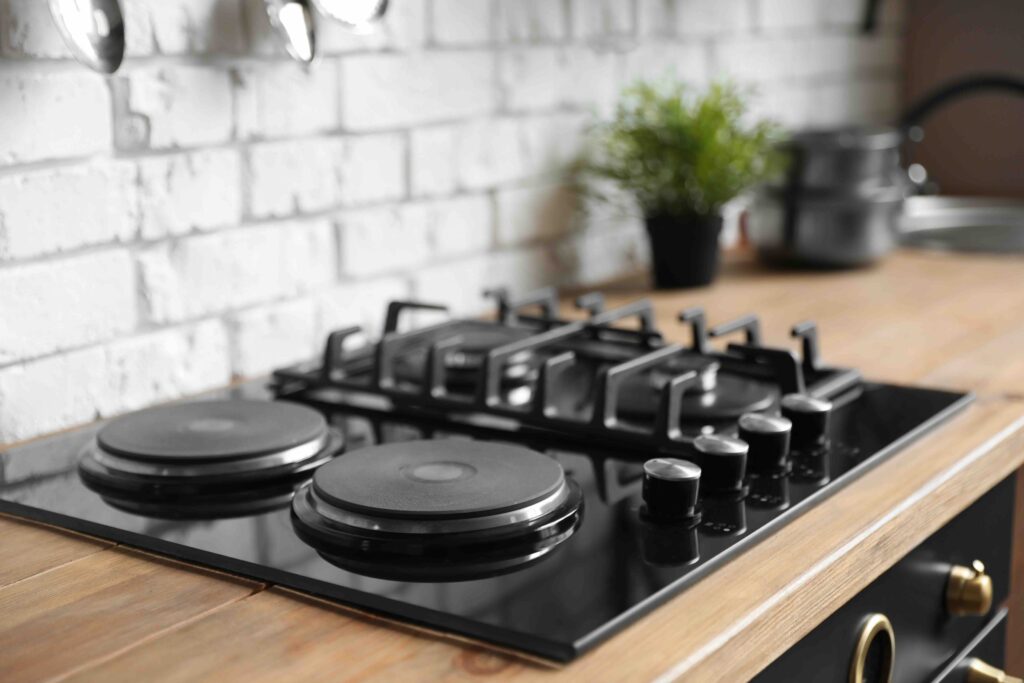
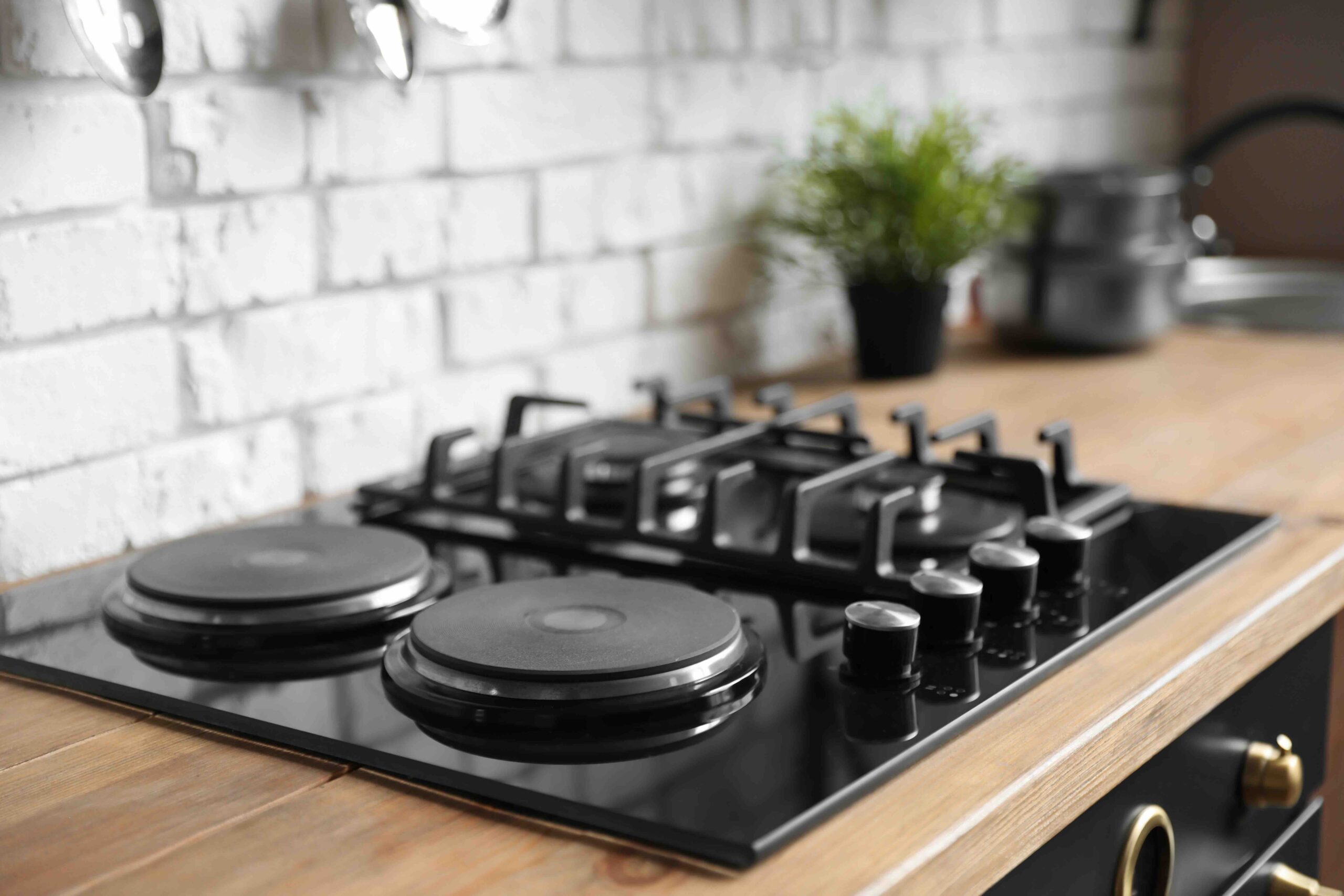
A stove, depending on its type, operates through one of two primary energy sources: electricity or natural gas. Electric stoves use either coil heating elements or a smooth ceramic glass surface with radiant or induction heating beneath it. When you turn a dial or touch a control panel, electrical current flows to the element and generates heat. Gas stoves ignite a controlled flame using a spark igniter and a gas valve that opens to allow fuel flow. The range itself is the flat top cooking surface, while the oven below uses the same energy source but operates through a baking element or burner and a thermostat that cycles heat on and off to maintain temperature. Both systems involve multiple components working in sequence, which means there are multiple points of failure when something goes wrong.
Common Reasons a Stove Stops Working
When a stove fails, the problem rarely announces itself clearly. Diagnosing the issue often requires a process of elimination. Some of the most common causes include the following scenarios.
- A tripped circuit breaker or blown fuse cutting power to the unit entirely
- A faulty igniter on a gas stove that clicks but does not spark effectively
- A burned-out heating element on an electric range or oven
- A failed control board that prevents the stove from responding to commands
- A malfunctioning thermostat inside the oven causing temperature inconsistencies
- A gas supply issue, such as a closed valve or a problem with the line itself
- Worn or damaged surface burner switches that no longer make proper contact
Some of these issues are relatively simple to address. Others, like a failed control board or a gas valve problem, require a qualified technician. Attempting to repair gas-related components without proper training is genuinely dangerous and not something to take lightly.
Electric vs. Gas: Does the Type of Stove Change the Repair?
Yes, significantly. Electric stoves are generally more straightforward to diagnose because the components are visible and testable with basic tools. A burned-out bake element, for example, often shows visible damage and can be replaced without specialized knowledge. Gas stoves introduce additional complexity and safety considerations. The igniter, gas valve, and burner orifices all need to work in coordination. If a gas stove fails to ignite or the flame is irregular, calling a professional is the right call. Induction stoves, which are electric but use electromagnetic energy to heat cookware directly, have their own set of component sensitivities and tend to have more expensive repairs when the induction board itself fails.

Key Advantages of Understanding Your Stove Before It Breaks
Knowing how your stove works before a problem occurs puts you in a much stronger position. You can identify when something is slightly off before it becomes a full failure, which often means a smaller repair bill. Familiarity with the appliance also helps you communicate more clearly with a technician, and it helps you recognize when a quoted repair cost is reasonable. Beyond that, understanding your stove model, its age, and its repair history gives you useful data when deciding whether a repair is worth pursuing or whether replacement makes more financial sense.
When to Repair and When to Replace
The repair-versus-replace decision is genuinely one of the more nuanced calls a homeowner has to make. A general industry guideline is that if a repair costs more than 50 percent of the appliance’s current replacement value, replacement starts to make more sense. Stove lifespans typically run between 13 and 20 years depending on the type and how well it has been maintained. If your stove is older than 10 years and facing a major component failure, replacement is worth serious consideration. If the unit is relatively new and the repair is isolated, fixing it is almost always the smarter financial move.
Common Drawbacks of Stove Repairs Without Coverage
Out-of-pocket appliance repairs catch a lot of homeowners off guard. Labor costs alone for a stove repair can run anywhere from $100 to $300 depending on your location, and parts can push the total significantly higher. A control board replacement, for instance, can cost between $200 and $600 in parts alone. If your stove is a higher-end model, costs go up from there. Most homeowners do not have appliance repair costs built into their monthly budgets, which means an unexpected stove failure creates both an inconvenience and a financial disruption at the same time.
Maintenance Tips That Can Extend the Life of Your Stove
Routine care goes a long way toward keeping a stove functional and efficient over time. Keeping burner components clean prevents buildup that can interfere with ignition and heat distribution. For electric stoves, wiping the surface regularly prevents residue from hardening into a material that can damage heating elements. Checking and replacing drip pan liners helps protect the components underneath. For gas stoves, periodically inspecting the burner caps and ports for blockage keeps the flame consistent. It is also worth knowing where your gas shutoff valve is located and testing your circuit breaker panel periodically so you are not troubleshooting basics during a stressful moment.
What a Home Warranty Actually Covers When Your Stove Fails
A home warranty is a service contract that covers the repair or replacement of major home systems and appliances when they fail due to normal wear and tear. Most standard home warranty plans include kitchen appliances, and the stove or range is almost always part of that coverage. When a covered component fails, you contact your home warranty provider, pay a service fee, and a qualified technician is dispatched to diagnose and repair the issue. The key phrase here is normal wear and tear. Damage caused by misuse, improper installation, or physical accidents typically falls outside coverage terms. Reading your contract carefully and understanding exclusions is genuinely important, not just something you skip to the end of.
Why Armadillo Is Worth Considering for Stove and Appliance Protection
When a stove stops working, the last thing you want is to navigate a complicated claims process or argue over whether a repair is covered. That is exactly where Armadillo home warranty coverage for kitchen appliances and major systems stands apart from the typical home warranty experience. Armadillo is built around transparency, straightforward terms, and coverage that actually performs when you need it. No confusing exclusions buried in small print, no runaround when you file a claim. If you are ready to stop absorbing unpredictable repair costs out of pocket, you can get a free home warranty quote to protect your stove and home appliances in just a few minutes. Stove failures are not a matter of if, they are a matter of when. Having the right plan in place before that moment is the kind of decision that pays for itself.

Frequently Asked Questions About Stove Repairs and Home Warranty Coverage
These are some of the most common questions homeowners ask when their stove stops working or when they are evaluating home warranty protection for their kitchen appliances.
Why is my electric stove not heating up at all?
The most common causes are a tripped circuit breaker, a burned-out heating element, or a failed control board. Start by checking your electrical panel before calling a technician.
Why does my gas stove click but not light?
This usually indicates a dirty or misaligned burner cap, a wet igniter, or a faulty spark module. Cleaning the burner components thoroughly is the first step before diagnosing further.
Is it safe to use a gas stove if one burner is not working?
It depends on the cause. If the issue is an igniter problem, using other burners is generally safe. If you smell gas or suspect a valve issue, stop using the stove and contact a professional immediately.
How long does a stove typically last?
Most stoves last between 13 and 20 years. Electric ranges tend to last slightly longer than gas ranges with proper maintenance.
Does a home warranty cover a stove that stopped working suddenly?
Yes, most home warranty plans cover stoves that fail due to normal wear and tear. Coverage typically includes components like burners, igniters, heating elements, and control boards. Always review your specific contract for exclusions.
What is not covered by a home warranty for a stove?
Damage resulting from misuse, improper installation, cosmetic issues, or physical accidents is typically excluded. Coverage applies to mechanical and electrical failures from normal use.
How much does it cost to repair a stove without a warranty?
Repair costs vary widely. Basic repairs may run $100 to $200, while major component replacements like a control board can cost $300 to $600 or more depending on the model and your location.
Should I repair or replace my stove if it is over 10 years old?
If the repair cost exceeds 50 percent of the replacement value of the stove, replacement is generally the more practical choice. Stove age, frequency of use, and overall condition should all factor into the decision.
Can I repair a stove burner myself?
Minor repairs on electric stoves, such as replacing a surface burner element, can be done by a handy homeowner. Gas stove repairs should generally be handled by a licensed technician due to the safety risks involved.
How do I file a home warranty claim for a broken stove?
Contact your home warranty provider through their claims line or online portal, describe the issue, and pay the service call fee. A technician will be assigned to diagnose and repair the problem based on your coverage terms.