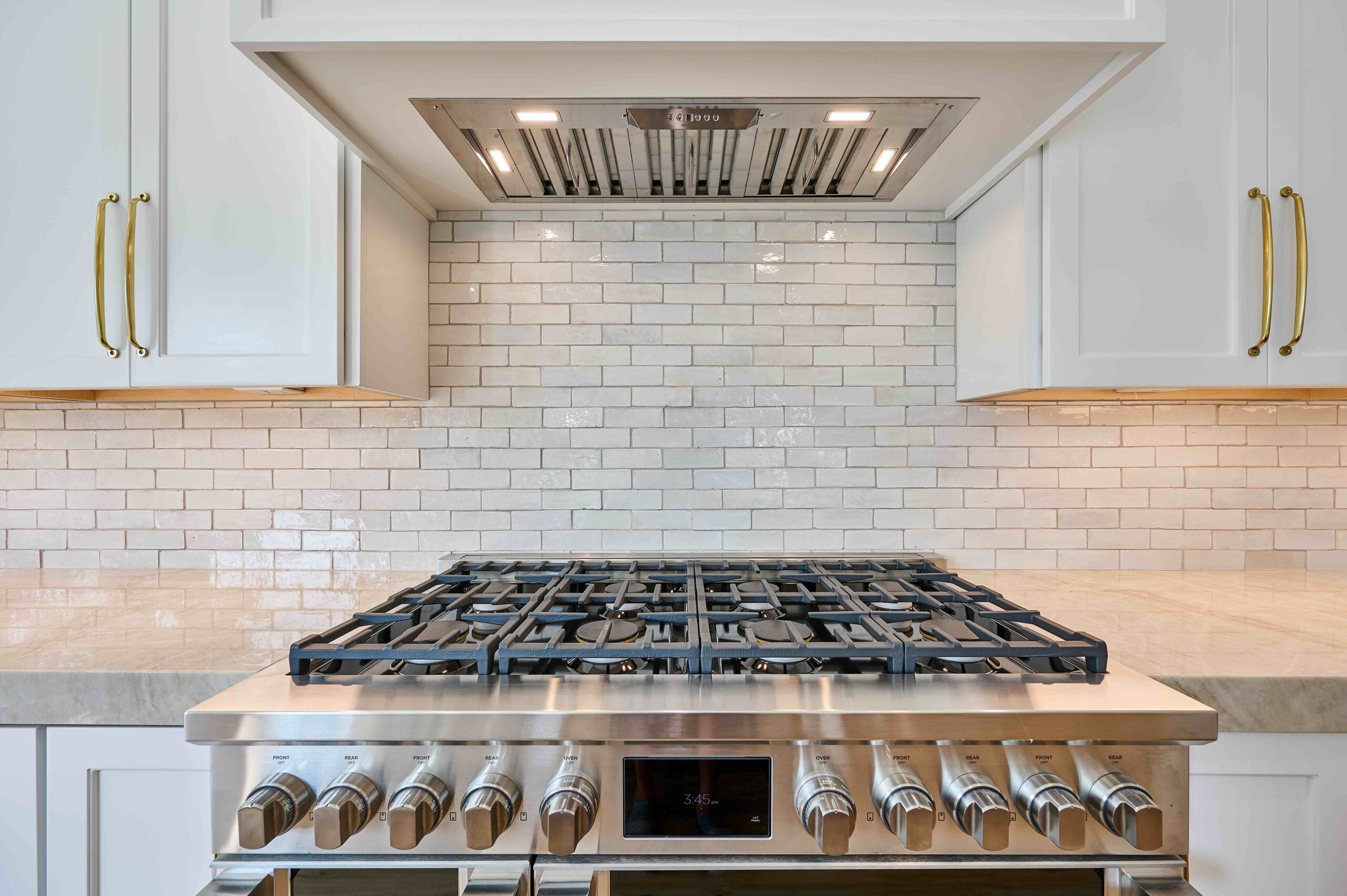
What Is a Stovetop Light Bulb and Why Does It Matter in Your Kitchen?
If you have ever reached into your oven hood to swap out that tiny, dimly lit bulb illuminating your stovetop, you already know this component exists. But most homeowners never really think about the stovetop light bulb until it burns out mid-dinner prep and suddenly the entire cooktop is a shadow box. The stovetop light bulb is a small but genuinely important part of your kitchen’s range hood or over-the-range microwave system. It provides task lighting directly over your cooking surface, helping you monitor food color, doneness, and safety without straining under overhead lights. It sounds simple, and it mostly is, but there is more nuance here than most people expect.
How the Stovetop Light Bulb Actually Works
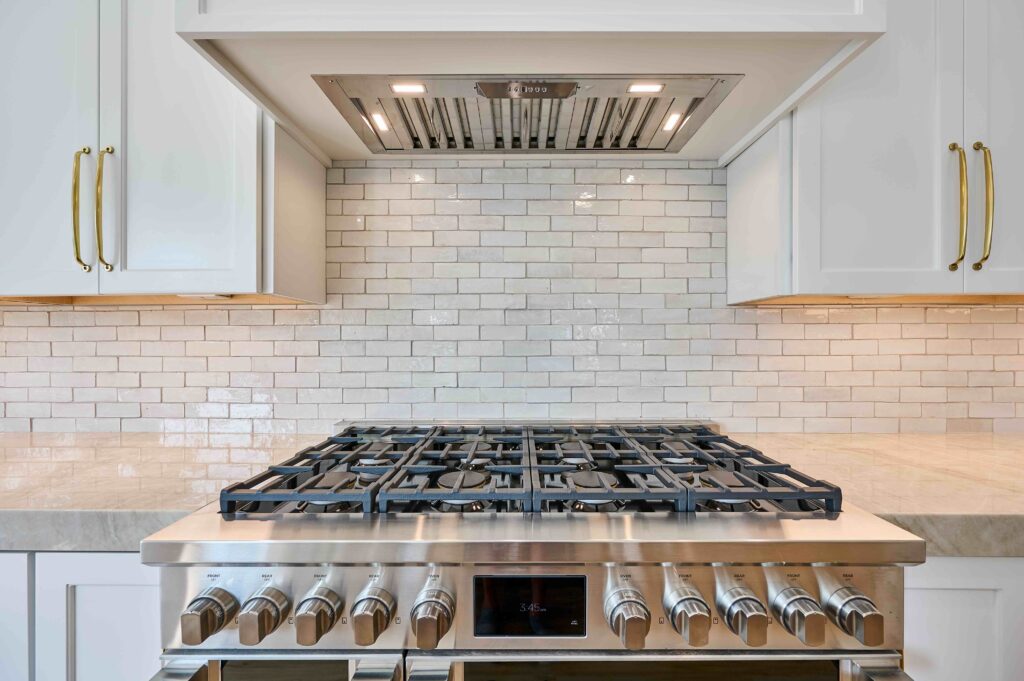
The stovetop light bulb sits inside a fixture mounted within your range hood or the underside of your over-the-range microwave. When activated, typically through a dedicated switch on your appliance’s control panel, it illuminates the cooking surface below. The bulb is housed in a small socket that is often shielded by a glass or plastic cover to protect it from grease splatter, steam, and heat. Most stovetop light bulbs operate on standard household voltage, routed through the appliance’s internal wiring. The socket type, bulb size, and wattage can vary considerably depending on the manufacturer and model of your range hood or microwave. What makes this bulb different from a typical household light bulb is that it must tolerate a high-heat, high-humidity, and high-grease environment on a regular basis, which is why not just any bulb from the junk drawer will work as a replacement.
Types of Stovetop Light Bulbs You Should Know About
Understanding which type of bulb your appliance uses is the first step toward maintaining it properly. There are a few common types homeowners encounter, and each has its own set of characteristics worth knowing about.
- Incandescent appliance bulbs: The traditional option, usually rated at 40 watts, these run warm and have a shorter lifespan but are widely available and inexpensive.
- Halogen bulbs: These produce bright, white light and are more energy-efficient than incandescent, but they run extremely hot and require careful handling since skin oils can shorten their lifespan.
- LED appliance bulbs: Increasingly common in newer appliances, LED options are the most energy-efficient, run cooler, and last significantly longer, though compatibility with older fixtures can be a concern.
- Microwave-specific bulbs: Over-the-range microwaves often require bulbs with specific base types and wattage ratings that differ from standard household bulbs.
Always check your appliance manual or the existing bulb for the correct specifications before purchasing a replacement. Using the wrong bulb can lead to poor performance, fixture damage, or in worst-case scenarios, a fire hazard.
Key Advantages of a Properly Functioning Stovetop Light
A working stovetop light does more than just illuminate a pan. Proper task lighting over your cooking surface directly impacts your safety in the kitchen. You can more accurately judge whether oil is at the right temperature, whether meat has reached the proper color, or whether something is beginning to burn. This reduces the risk of overcooking, undercooking, and accidental kitchen fires caused by unmonitored food. Beyond safety, good stovetop lighting makes cooking more enjoyable and accurate. It also supports the performance of your range hood’s ventilation function, as many hoods combine the light and fan into a single integrated appliance unit. When one component is well-maintained, it reflects positively on the overall health of the system.
Common Drawbacks and Challenges Homeowners Face
The stovetop light bulb, despite being a minor component, comes with a surprising number of frustrations. First, accessing the bulb can be awkward depending on your appliance model. Some range hoods require removing a grease filter first, while over-the-range microwaves may need a panel to be unscrewed before you can reach the socket. Second, finding the right replacement bulb is not always straightforward. Manufacturers sometimes use proprietary socket types or specific wattage ratings that are not available at your local hardware store, requiring an online order or a trip to an appliance parts supplier. Third, the high-heat environment causes bulbs to fail more frequently than bulbs in other parts of the home. If you are replacing your stovetop bulb multiple times a year, it may signal a wiring issue, an incompatible bulb type, or a ventilation problem within the appliance itself.

How to Replace a Stovetop Light Bulb Safely
Replacing a stovetop light bulb is a manageable DIY task for most homeowners, but it does require a few precautions. Start by turning off the appliance and, ideally, cutting power to it at the circuit breaker. Allow the bulb area to cool completely before touching anything, especially if you have been cooking recently. Remove any grease filters or access panels as directed by your appliance manual. Unscrew or pull out the old bulb, note its type and specifications, and install the correct replacement. Reattach any covers, restore power, and test the light. If the new bulb does not work, the problem may lie with the socket or the appliance’s internal wiring, at which point it is worth calling a professional technician rather than attempting further DIY repairs.
When the Stovetop Light Becomes Part of a Bigger Problem
Occasionally, a burned-out stovetop bulb is a symptom rather than the root issue. Repeated bulb failures, flickering, or a light that simply stops responding to the switch can indicate electrical faults within the range hood or over-the-range microwave. Faulty wiring, a failing control board, or a damaged socket can all cause persistent light issues. These types of repairs move well beyond a simple bulb swap and may require a certified appliance technician to diagnose and fix. In some cases, if the appliance is old enough, the cost of repair may approach or exceed the cost of replacement, which makes it an important conversation to have with a qualified professional.
Practical Maintenance Tips to Extend Bulb Life
A few simple habits can meaningfully extend the lifespan of your stovetop light bulb and reduce how often you are fishing around in that tight space above your range.
- Clean your grease filters regularly to improve airflow and reduce heat buildup around the bulb area.
- Use the correct bulb wattage, since exceeding the recommended rating generates excess heat and shortens bulb life.
- Avoid touching halogen bulbs with bare hands during installation, as the oils from your skin create hot spots that cause premature failure.
- Consider upgrading to an LED-compatible appliance bulb if your fixture supports it, as LEDs handle heat better and last far longer.
- Inspect the bulb cover or lens periodically for grease buildup, which can trap heat and affect both light output and bulb longevity.
Is the Stovetop Light Covered Under a Home Warranty?
This is a fair and common question. Home warranties vary widely in what they cover, and the details matter a great deal. Most home warranty plans cover major systems and appliances, including range hoods and over-the-range microwaves. Coverage typically applies to mechanical and electrical failures of covered components rather than routine maintenance items like light bulbs themselves. That said, if the light failure is caused by an electrical fault within the appliance, a wiring issue, or a component breakdown inside the unit, that scenario could fall within the scope of a covered repair depending on your plan. Understanding exactly what your home warranty covers, and what it does not, is essential before an issue arises.
Why Armadillo Is the Smart Choice for Homeowners Who Take Kitchen Appliance Care Seriously
When something in your kitchen stops working, whether it is an over-the-range microwave with a failed light circuit or a range hood that has seen better days, the last thing you want is to navigate repair costs alone. That is exactly the kind of situation a strong home warranty is built for. Armadillo home warranty coverage for kitchen appliances and home systems is designed to give homeowners real protection without the fine print headaches that make other plans frustrating to use. Armadillo keeps things transparent, straightforward, and genuinely useful, which is a meaningful departure from the industry norm. If you are ready to stop guessing what is covered and start cooking with confidence, you can get a free home warranty quote for your range hood and kitchen appliances in just a few minutes. Protecting your home does not need to be complicated, and with Armadillo, it genuinely is not.

Frequently Asked Questions About Stovetop Light Bulbs
What type of bulb does my stovetop light use?
It depends on your appliance model and manufacturer. Most range hoods and over-the-range microwaves use incandescent appliance bulbs, halogen bulbs, or LED bulbs with specific base types and wattage ratings. Always check your owner’s manual or the existing bulb for the correct specifications before purchasing a replacement.
Can I replace a stovetop light bulb with an LED?
In many cases, yes, but compatibility matters. You need to confirm that your appliance’s socket type and voltage requirements are compatible with LED appliance bulbs. Newer appliances often support LED replacements directly, while older models may require a specific LED designed for that socket type.
Why does my stovetop light bulb keep burning out?
Frequent bulb failures can be caused by using the wrong wattage, a faulty socket, poor ventilation in the hood, or an underlying electrical issue within the appliance. If you are replacing the bulb more than once or twice a year, it is worth having a technician inspect the appliance.
How do I access the stovetop light bulb in my range hood?
Most range hoods require you to remove the grease filter first to access the light socket. Some models have a dedicated bulb cover that unscrews or snaps off. Always disconnect power to the appliance before attempting access and allow the fixture to cool completely if cooking has occurred recently.
Is a stovetop light bulb the same as a regular household bulb?
No. Appliance bulbs are designed to withstand higher temperatures, humidity, and vibration than standard household bulbs. Using a regular bulb in a stovetop fixture can result in premature failure, poor performance, or safety hazards.
Does a home warranty cover stovetop light bulb replacement?
Most home warranties do not cover routine maintenance items like light bulbs. However, if the light failure is caused by an electrical fault, a failed component, or a mechanical breakdown within a covered appliance like a range hood or over-the-range microwave, that repair may fall within coverage depending on your specific plan.
How long should a stovetop light bulb last?
Incandescent appliance bulbs typically last between 1,000 and 2,000 hours of use. Halogen bulbs offer a similar range. LED appliance bulbs can last significantly longer, often 15,000 hours or more, making them the preferred option for homeowners looking to reduce replacement frequency.
What wattage bulb do I need for my stovetop light?
The most common wattage for stovetop appliance bulbs is 40 watts, but this varies by manufacturer and model. Using a higher wattage than recommended can cause overheating and shorten bulb life. Always match the wattage specified in your appliance manual or on the existing bulb itself.
Can a faulty stovetop light cause any safety issues?
A failed stovetop light itself is not typically a safety hazard, but the underlying cause of the failure can be. Electrical faults, damaged wiring, or a failing socket within the appliance can pose risks if left unaddressed. If the light failure is accompanied by flickering, sparking, or unusual smells, stop using the appliance and contact a technician promptly.
Should I repair or replace my range hood if the light stops working?
If the issue is simply a burned-out bulb or a faulty socket, repair is almost always the more practical choice. If the appliance is older and experiencing multiple component failures at once, or if repair costs are approaching the price of a new unit, replacement may be the better long-term investment. A certified appliance technician can help you make that call with confidence.