The Homeowner’s Guide to Understanding Tankless Water Heaters
Choosing the right water heating system for your home isn’t the most thrilling decision, but it ranks among the most important. It affects your utility bills, your home’s energy efficiency, and ultimately your day-to-day comfort. Among the modern options gaining traction is the tankless water heater—sometimes referred to as an on-demand water heater. Compact, efficient, and designed to supply hot water exactly when you need it, these units have transformed the way many homeowners think about hot water. That said, like any appliance, tankless systems come with pros and cons. Let’s take a full-spectrum look at what tankless water heaters are, how they function, and whether they’re the right fit for your home.
What Is a Tankless Water Heater and How Does It Work?
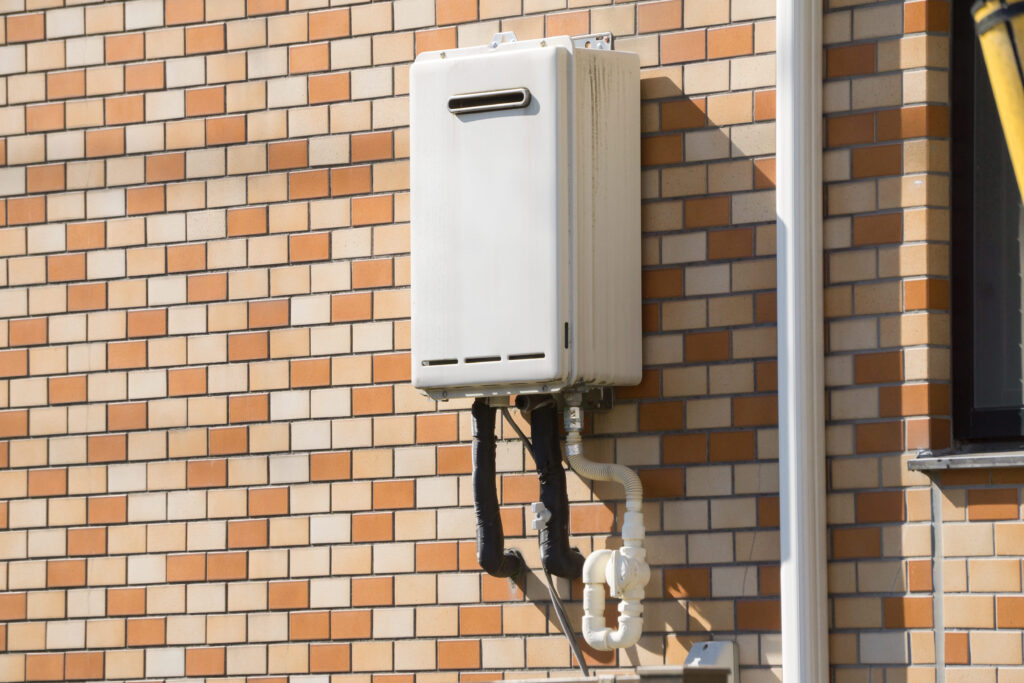
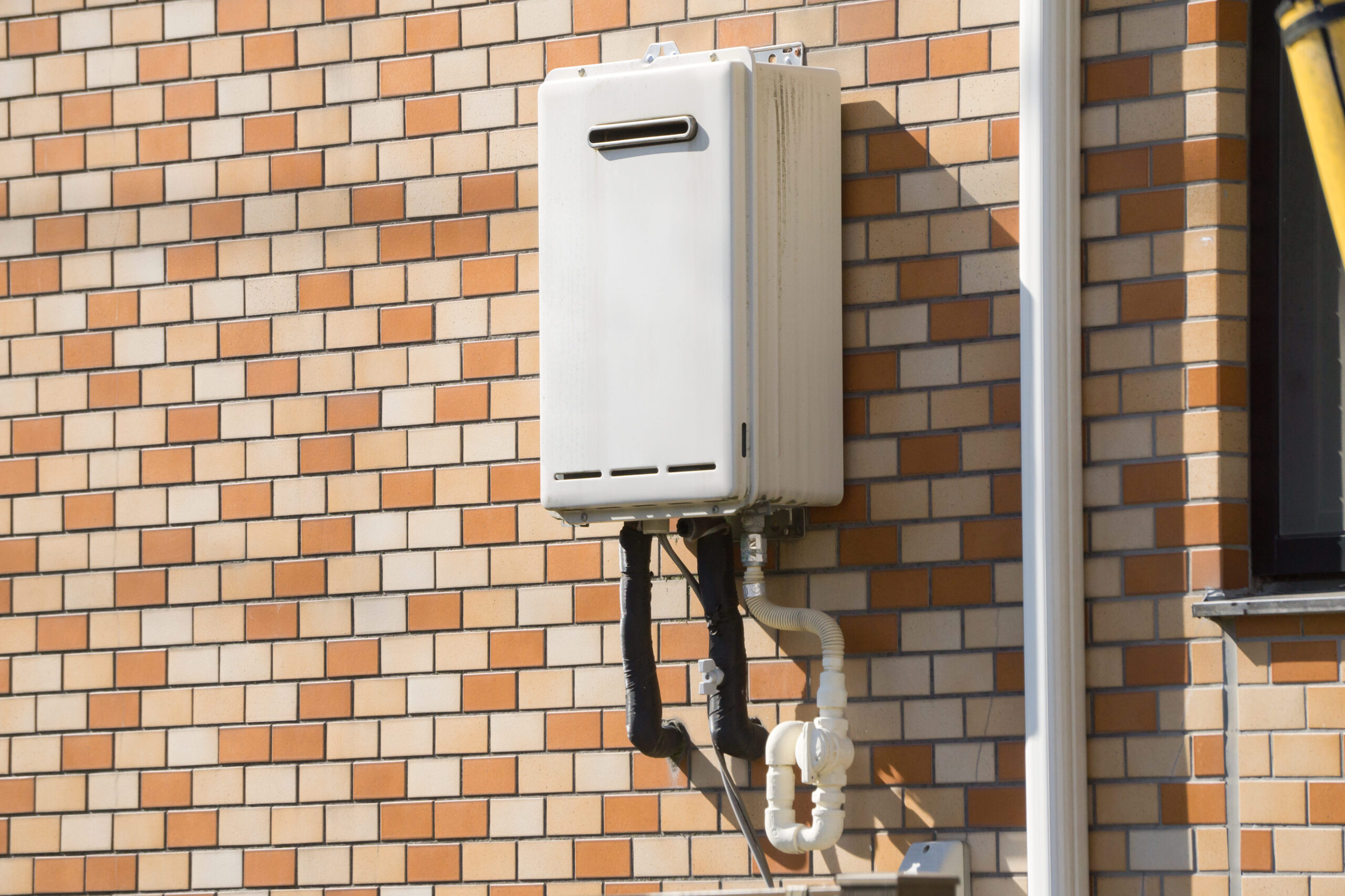
A tankless water heater, as the name implies, doesn’t use a traditional storage tank. Instead of storing a reserve of heated water, it heats water directly as it flows through the unit when a hot water tap is turned on. Cold water enters the unit through a pipe and gets rapidly heated either by a gas burner or an electric element, depending on the model.
This on-demand style of heating means there’s no standby heat loss—the energy wasted in keeping a tank full of water consistently hot. Because of this, tankless systems are typically more energy-efficient than conventional water heaters with storage tanks. But that efficiency boost depends on usage habits and household size. They come in both whole-house versions and smaller, point-of-use units designed for a specific room or travel home—like a guest bathroom or garage apartment.
Efficiency and Energy Savings
One major appeal of tankless water heaters is their efficiency. According to the U.S. Department of Energy, tankless water heaters can be 24% to 34% more energy efficient for homes that use 41 gallons or less of hot water daily. That margin narrows as daily usage increases, but even in heavier-use households, savings tend to stay in the 8% to 14% range.
Instead of maintaining a reservoir of heated water throughout the day—as a traditional system would—a tankless unit springs into action only when hot water is requested. This design eliminates standby heat loss, lowers monthly energy bills, and can also help prolong appliance life by reducing wear and tear.
However, these savings hinge heavily on installation quality and usage behavior. If you’re running multiple fixtures at once—say, the dishwasher and two showers—there may be delays or limitations if the unit isn’t sized appropriately. That issue underscores the importance of correct system capacity planning.
Space-Saving Design and Flexibility
Compared to their bulky counterparts, tankless water heaters have a much smaller footprint. Wall-mounted versions are common and can often be installed in tight or discreet areas like closets, utility nooks, or even outside in milder climates. This feature alone makes them particularly attractive for homeowners looking to recover valuable square footage.
Their compact design also allows for greater flexibility when it comes to home renovations or additions. Instead of overhauling a larger water heating system to accommodate increased demand, homeowners can install a secondary point-of-use tankless unit to localize supply. It works well for expanded master suites, home gyms, or accessory dwelling units where hot water demand is siloed geographically.
Longevity and Maintenance Considerations
Tankless water heaters generally outlast traditional units. On average, traditional tank-style heaters last about 8 to 12 years, while tankless versions often perform reliably for 15 to 20. That said, the longer lifespan assumes consistent maintenance.
Most manufacturers recommend flushing the system annually to prevent lime scale buildup, especially in homes with hard water. Sediment can impede performance and lead to costly repairs. Some systems also require checking or replacing filters and inspecting for error codes. While not particularly difficult tasks, they do require some diligence and familiarity with the unit’s interface.
If maintenance is overlooked for multiple years, energy efficiency can decrease, and internal components may corrode prematurely. Homeowners should also pay attention to the parameters of their home warranty. Not all plans automatically cover tankless systems, and some may exclude heater failures caused by lapsed upkeep.
Installation Complexity and Upfront Cost
Tankless water heaters typically cost more upfront than conventional systems. The unit alone can range from $1,000 to $2,500, and professional installation costs may bring the total to over $3,000, depending on your plumbing and electrical setup. Upgrades to existing systems—like enlarging gas lines or installing new venting—can significantly increase initial project costs as well.
Retrofitting a tankless unit into a home originally designed for a tank-style heater isn’t always straightforward. Professional installers must assess local building codes, water pressure, required flow rate, and fuel type. That increased complexity often leads to longer installation times and higher labor fees. In contrast, standard water heaters rarely require such extended attention. However, for many homeowners, the efficiency and longevity of a tankless system ultimately offset the initial investment over time.
Common Drawbacks and Performance Gaps
While tankless systems offer many benefits, they’re not ideal for every household. The most frequently cited issue is limited flow rate. Entire families trying to shower one after another, while running a washing machine, may encounter inconsistent temperature swings or waiting periods. This performance gap can be addressed by installing a larger unit or multiple smaller ones in parallel—but those solutions come with additional costs.
Cold water sandwiching is another complaint. This occurs when hot water appears briefly, followed by a cold surge before warm water resumes. It’s particularly common after brief shut-offs in shower use. Again, it doesn’t affect all brands or models but is something potential buyers should research or discuss with licensed installers in advance.
Why Choosing Armadillo for Your Tankless Water Heater Coverage Makes Good Sense
Upgrading to a tankless water heater can be a smart move for energy savings and convenience—but like with any home system, breakdowns happen. That’s where Armadillo steps in. With home warranty coverage designed to fit modern systems and evolving needs, Armadillo brings proactive protection to the homes that need it most. Our plans can help you repair or replace essential appliances and systems—like tankless water heaters—without the full financial burden falling on your shoulders.
If you’re planning to install or already own a tankless unit, make sure it’s supported with the right coverage. Visit Armadillo’s homepage to learn more about available plans or jump directly into selecting your coverage with our intuitive plan builder. With Armadillo, your home systems are not just protected—they’re empowered to perform at their best.