Understanding Tankless Water Heaters: How They Work, Benefits, and Considerations for Homeowners
For many homeowners, hot water is something you expect to be there when you need it—until it isn’t. As energy efficiency and convenience become more valuable in the modern household, the standard water heater is being challenged by an increasingly popular contender: the tankless water heater. Though not a new concept, recent advancements have made these systems more reliable, easier to install, and a smarter long-term investment. Still, like any upgrade, they come with their own set of pros and cons. This article dives into how tankless water heaters work, their primary benefits, common limitations, and whether making the switch might be worth it for your home.
What Is a Tankless Water Heater and How Does It Work?
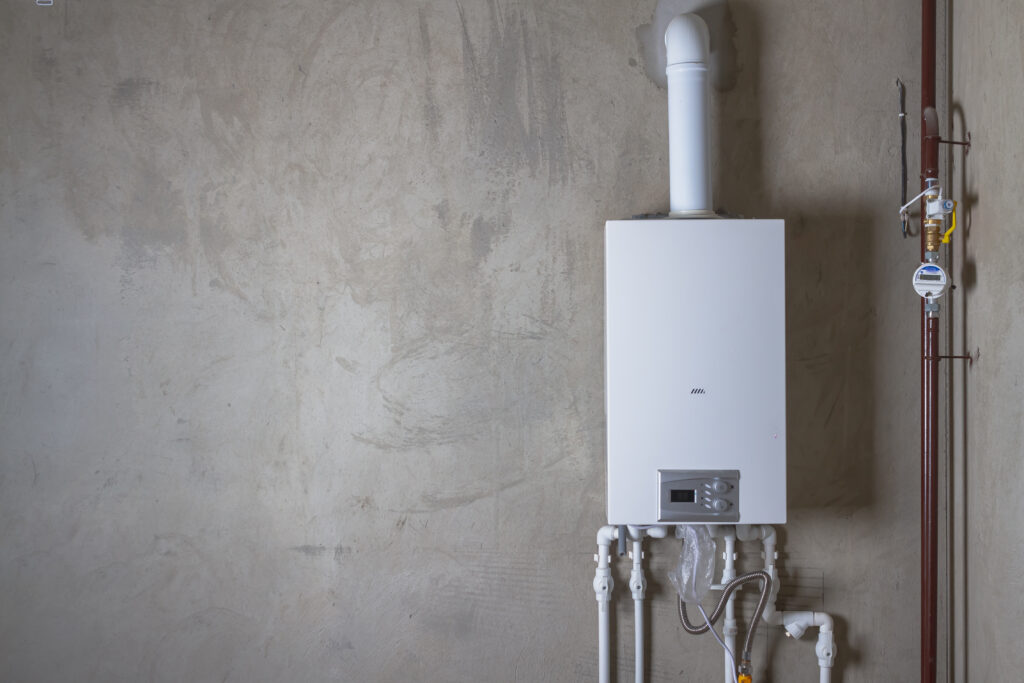
A tankless water heater, also known as an on-demand water heater, is exactly what it sounds like—a system that heats water only when you need it, without storing it. In contrast to traditional water heaters that maintain a full tank of hot water 24/7, tankless models activate as soon as a hot water tap is turned on. Cold water flows through the unit, typically passing over either gas burners or electric coils, heating the water instantly before it reaches the faucet or appliance you’re using.
This process reduces standby heat loss—energy wasted keeping stored water hot—and eliminates the risk of running out of hot water mid-shower. Because you’re not relying on a reserve, the supply can be (virtually) endless, provided the unit is appropriately sized to meet demand.
Key Advantages of Tankless Water Heaters
There are several advantages that explain the surge in popularity of on-demand water heaters. First and most significantly, homeowners often see reductions in utility bills over time thanks to the energy-efficient operation of these systems. The U.S. Department of Energy estimates that tankless water heaters can be up to 34% more efficient than traditional storage tank models for homes that use less than 41 gallons of water per day.
Second, tankless heaters occupy less space. Mounted on a wall and about the size of a small suitcase, they’re ideal for smaller homes, urban condos, or any space-conscious layout. Additionally, their longer lifespan—averaging about 20 years, compared to 10-15 for storage heaters—adds long-term value.
Another appealing benefit is the virtually unlimited hot water supply. With a properly sized unit, you can run the dishwasher, take a shower, and do laundry without worrying about depleting a finite reservoir of hot water.
Common Drawbacks to Consider Before Buying
Despite their many strengths, tankless water heaters aren’t a perfect match for every household. One of the biggest barriers is the upfront cost. A high-quality, whole-house system can range from $1,000 to $2,500, not including professional installation. Upgrades like larger gas lines or electrical system alterations may further increase installation costs.
There’s also the matter of flow rate. A single tankless unit may struggle to provide hot water simultaneously to multiple fixtures, particularly in larger households with high concurrent demand. If you run a shower and washing machine at the same time, some systems will falter unless adequately sized.
Finally, the “cold water sandwich” is a known quirk: a brief burst of cold water between intermittent uses, due to residual heated water leaving the heat exchanger followed by a brief unheated stream. While not a deal-breaker, it’s something homeowners often notice.
Is a Tankless Water Heater Right for Your Home?
Deciding whether a tankless water heater is right for your home depends largely on your household habits, usage, and budget. For smaller families and those converting new construction or mid-renovation, the transition will likely be smoother and more cost-effective. Homes in warmer climates often see the best performance, as the water entering the system doesn’t require as much energy to reach optimal temps.
Consideration must also be given to your home’s current energy infrastructure. Electric tankless systems require a substantial amount of amperage, which older homes may not be equipped to handle. Similarly, gas-powered units may need larger pipes or additional venting to comply with building codes.
It’s helpful to assess your household’s peak water use and consult a licensed plumber or HVAC specialist to properly size the unit. An undersized heater will underperform; an oversized one will cost more without added benefit.
The Maintenance Needs of Tankless Systems
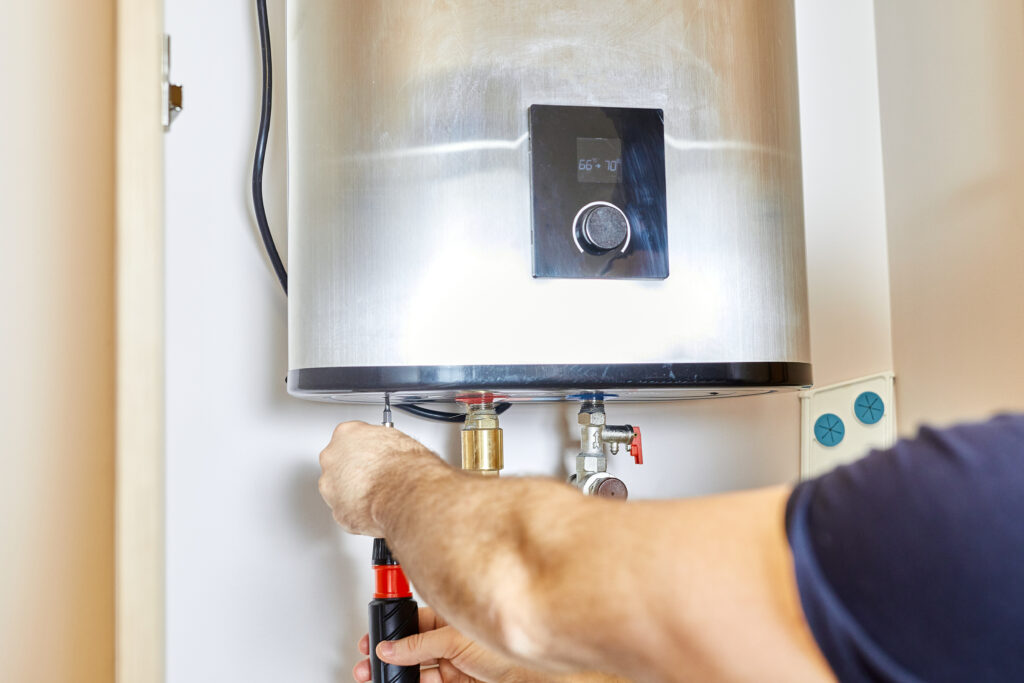
While tankless units are lower-maintenance in some ways, they still require regular attention. Most manufacturers recommend descaling the system annually to remove mineral buildup, especially in areas with hard water. Ignoring this step can reduce efficiency and shorten the heater’s lifespan.
Filters also need to be cleaned, and systems should be inspected for leaks or irregular flow. While it seems simple on the surface, maintenance can be technical and best handled by a professional—and homeowners should budget accordingly.
Weighing the Long-Term Savings
A frequent argument in favor of tankless systems revolves around long-term energy and cost savings. Although upfront installation is substantially higher than a traditional unit, the energy efficiency often translates to lower monthly costs. Over time, these savings can add up, especially if you remain in the home for the duration of the heater’s lifespan.
Tankless systems also tend to require fewer emergency repairs and offer cleaner water due to the absence of sediment buildup found in storage tanks. For many buyers, that peace of mind is worth the extra investment now to avoid headaches later.
Why Homeowners Trust Armadillo for Home System Protection
If you’re considering a tankless water heater or making any other home system upgrade, protection matters. At Armadillo, we understand the importance of proactive homeownership. Our home warranty plans cover vital systems like water heaters—tank or tankless—so you can invest wisely and keep your home running smoothly. Should something go wrong, you’re not alone. We’re here with coverage designed for real life, including repair or replacement services that save time and reduce stress. Explore our flexible warranty options and discover how we’re helping homeowners just like you protect what matters. Ready to get started? Visit our easy, transparent plan builder and customize coverage that matches your home’s needs at armadillo.one/plan-builder.