A Homeowner’s Guide to Tankless Water Heaters: How They Work, Benefits, and When They Make Sense
Hot water is one of those things you don’t think about until it’s not there. Whether it’s for your morning shower, washing dishes, or keeping laundry on schedule, it’s a non-negotiable part of daily life. And yet, many homeowners still rely on traditional water heaters that guzzle energy, occupy closets, and run out of water at exactly the wrong moment. Tankless water heaters, also known as on-demand systems, offer a sleek alternative—but they require a solid understanding before making the switch. In this article, we’ll explore the function of tankless water heaters, unpack their advantages and limitations, and help you determine whether it’s the right upgrade for your home.
What Is a Tankless Water Heater and How Does It Work?
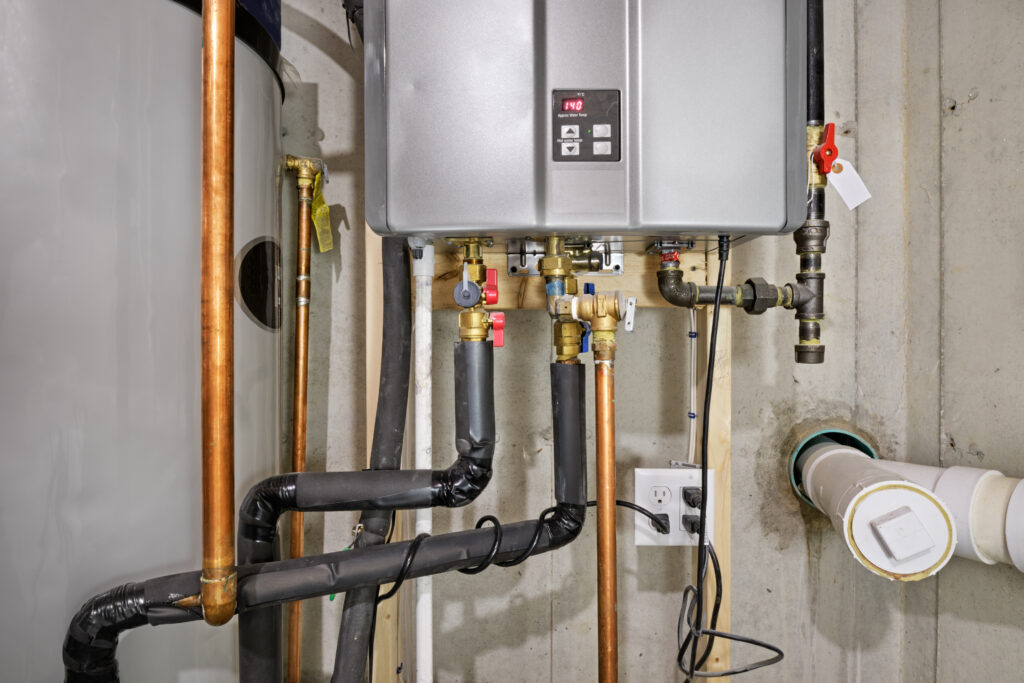
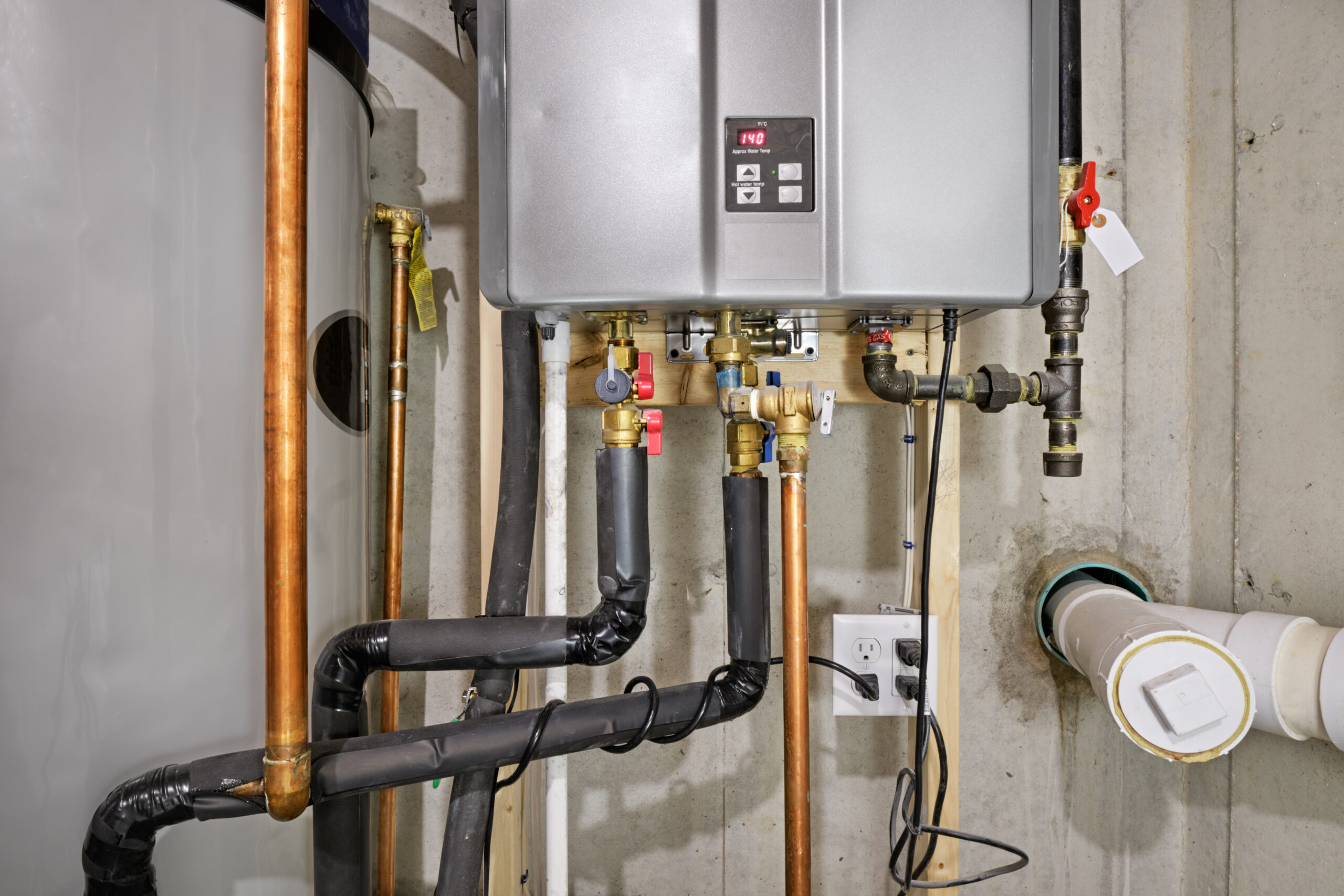
Unlike traditional water heaters that store and continuously heat a supply of water in a tank, tankless water heaters heat water only as it’s needed. There’s no holding reservoir. Instead, when you turn on a faucet, water flows through a heat exchanger—either electric or gas-powered—that warms it instantly. The process eliminates standby energy loss, minimizes space demands, and, in many cases, delivers a virtually endless stream of hot water. These systems are also wall-mounted, leaving room in areas where traditional tanks typically bulk up closets or basements.
Energy Efficiency and Utility Savings
Tankless systems are widely acclaimed for their efficiency. According to the U.S. Department of Energy, homes that use 41 gallons or less of hot water daily may see 24–34% more energy efficiency compared to conventional water heaters. That margin narrows slightly for households with higher consumption, but the efficiency advantage remains. Because water is heated only when demanded, it reduces both utility costs and carbon footprint. Over time, this can translate into significant savings, particularly for smaller households or eco-conscious homeowners aiming to optimize energy consumption across systems.
Space Optimization and Design Benefits
One underrated benefit of tankless systems is their compact form factor. Traditional units typically require a footprint of several square feet and often dominate utility closets or water heater alcoves. In contrast, tankless units mount directly on the wall, freeing up floor space and creating flexibility in smaller homes or apartments. This additional space can be repurposed for storage or left open to improve air circulation in tight areas. For homeowners renovating older homes or reclaiming square footage, this efficiency in design offers real practical value.
Long-Term Durability and Lifespan
Tankless water heaters typically outlast traditional storage tanks. The average lifespan of a conventional unit is about 10–15 years, while tankless heaters can last 20 years or more with proper maintenance. Components are often modular, meaning individual parts can be serviced or replaced without needing to replace the entire unit. That said, longevity is closely tied to both system quality and ongoing maintenance. Water hardness, sediment buildup, and usage frequency can all impact long-term performance. Homeowners committed to regular descaling and annual servicing will get far more mileage from their units than those who overlook those fundamentals.
Installation Considerations and Upfront Costs
Where tankless systems shine on efficiency and lifespan, they come with steeper upfront installation costs. A tankless water heater generally costs more than a conventional model, with installations ranging from $2,000 to $4,500 depending on fuel type, home layout, and necessary retrofitting. For older homes, the upgrade may also require adjustments to gas lines, electrical panels, or venting systems. Labor costs can increase significantly if changes to infrastructure are necessary. While the long-term savings often justify the initial expense, homeowners should be prepared for higher investment out of the gate and weigh that against anticipated utility savings over the life of the unit.
Performance Limitations and Flow Rates
One of the biggest misconceptions about tankless water heaters is the idea of unlimited hot water. Technically, the system can keep heating water indefinitely—but only up to a certain flow rate. If multiple hot water taps are opened simultaneously (say, someone is showering while the dishwasher runs), the system may struggle to keep up. Gas-powered models can typically handle higher flow rates than electric units, which is an important consideration for larger homes or families with high simultaneous demands. It’s essential to size the unit appropriately during installation to match household usage patterns and avoid performance shortfalls.
Maintenance Requirements and Common Repairs
Tankless water heaters require purposeful, regular maintenance to run at peak performance. Mineral buildup from hard water is the most common issue, as scaling can damage the heat exchanger and reduce heating efficiency. Manufacturers generally recommend flushing the system once a year with a descaling solution to remove calcium deposits. Some systems come equipped with built-in warning indicators, but preventive maintenance remains essential. Ignoring minor performance dips—like longer wait times for hot water—often leads to bigger repair needs later. If well-maintained, these systems require few repairs, but their advanced components can mean higher service costs when issues do arise.
Is a Tankless Water Heater Right for You? Consider Armadillo’s Protection Plan
Whether you’re tackling a green-savvy renovation or simply tired of running out of hot water halfway through your shower, tankless water heaters are a powerful improvement—but one that needs strategic support. At Armadillo, we know that investing in your home’s core systems should come with peace of mind. Our home warranty plans cover tankless water heater systems and the rest of your essential appliances, helping you protect what matters most. Unexpected breakdowns are costly, which is why we make repairs simple, fast, and frustration-free. Ready to explore how Armadillo can shield your system and your sanity? Visit our homepage or hop over to start customizing your coverage through our interactive plan builder tool.