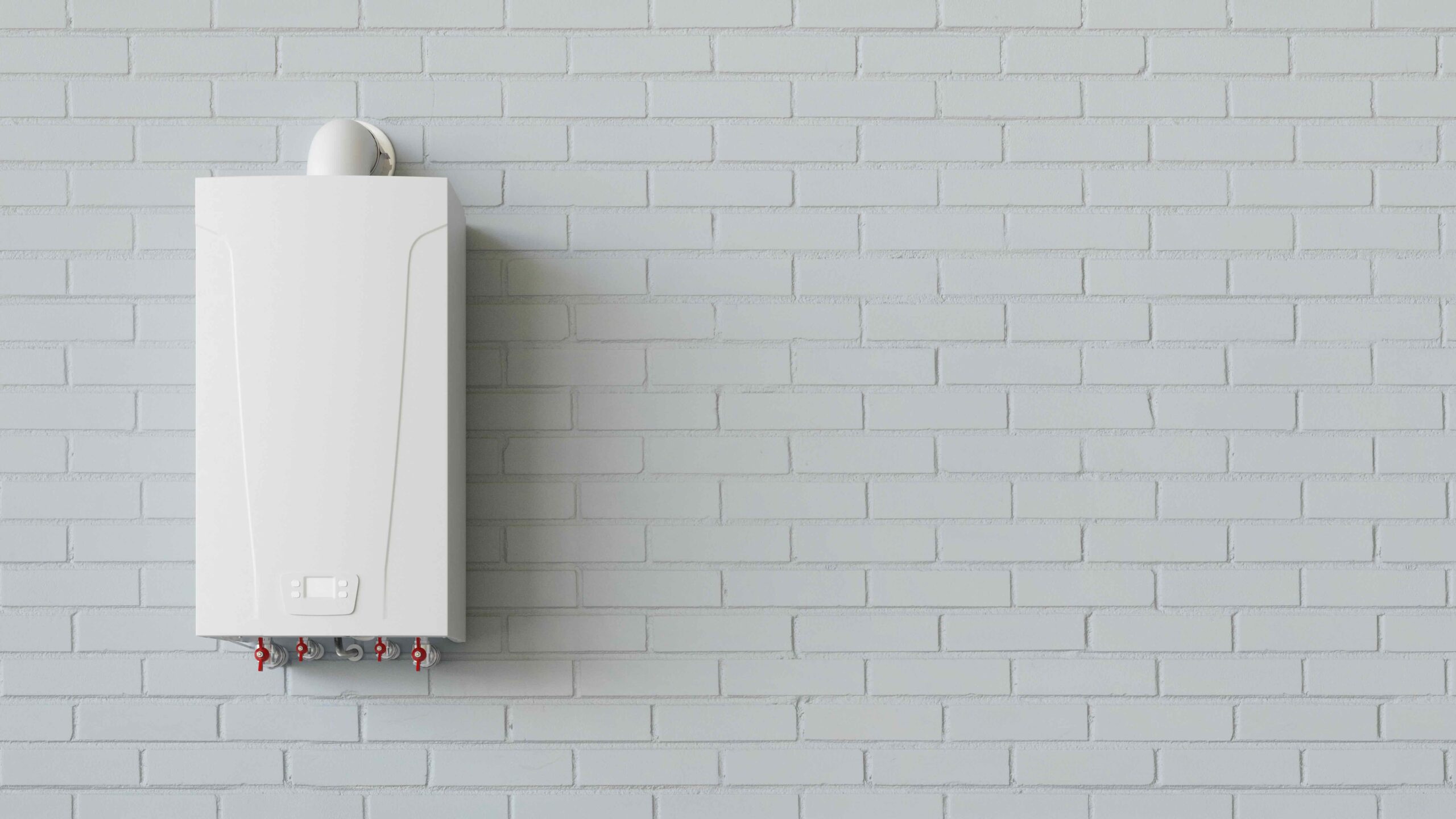
Understanding Tankless Water Heaters: A Smart Choice for Modern Homes
As homeowners become increasingly energy-conscious and space-efficient, tankless water heaters have surged in popularity. Unlike traditional water heaters, which store and continuously heat a large amount of water, tankless systems provide hot water on demand. This fundamental difference opens the door to improved energy efficiency, measurable long-term savings, and greater control over your household water heating. But while the benefits are compelling, making the right decision for your home requires a clear understanding of how tankless water heaters work, their strengths, and their potential downsides. In this article, we’ll walk through everything you need to know before installing a tankless water heater in your home.
What Is a Tankless Water Heater?
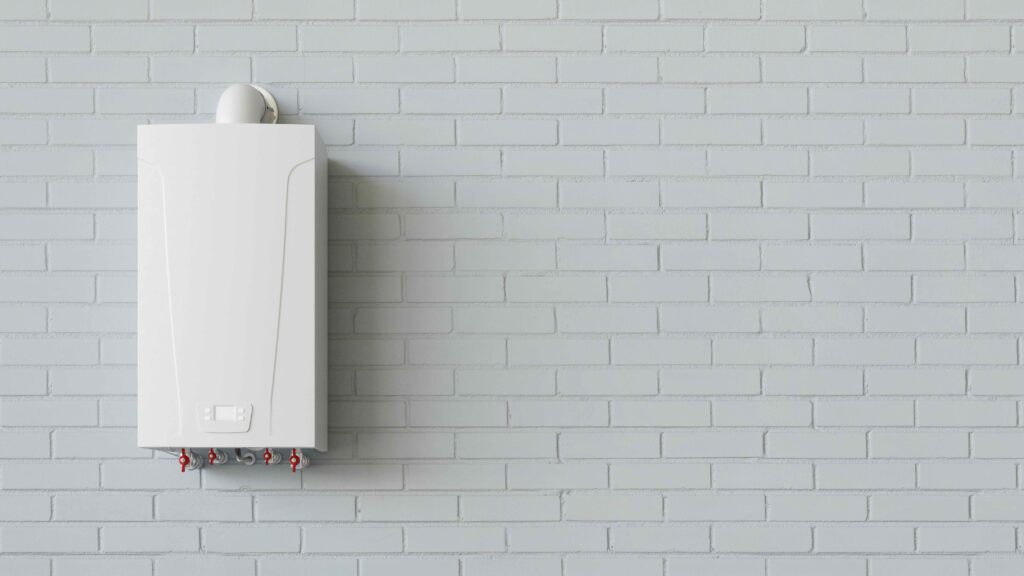
A tankless water heater, often referred to as an on-demand water heater, is designed to heat water only as it’s needed. When a hot water tap is turned on, cold water travels through a pipe into the unit, where either a gas burner or electric element rapidly heats the water. This means you’re not storing and reheating the same water all day, which radically contrasts with the 40- to 80-gallon tanks found in older systems. As a result, tankless models can provide a nearly endless supply of hot water as long as the demand doesn’t exceed the unit’s flow rate.
How Does a Tankless Water Heater Work?
The operation is surprisingly streamlined. Once an appliance or faucet calls for hot water, the heater’s flow sensor activates the heating element while water moves through the system. The unit calibrates heat output in direct response to the flow rate and desired temperature. After the hot water tap is shut off, the system powers down. Gas-powered models typically use a flame ignited by an electronic ignition system, while electric units rely on heavy-duty heating coils. Since there’s no storage involved, heat loss is minimized, making the entire process leaner and highly efficient.
Key Advantages of Going Tankless
One primary advantage of tankless systems is energy efficiency. According to the U.S. Department of Energy, households that use less than 41 gallons of hot water daily can expect energy savings of up to 34 percent compared to a traditional water heater. For homes using more, that savings averages around 8-14 percent—still respectable. Another benefit is the extended lifespan; tankless units can last up to 20 years, significantly longer than conventional tanks. Additionally, the compact design saves space. Most models are wall-mounted, which can be a game changer for small homes, condos, or apartments. No standby heating means you’re not paying to keep water hot all day, a clear win from a sustainability standpoint.
Common Drawbacks and Considerations
No system is perfect. The upfront installation cost of tankless heaters is higher than that of traditional systems. Prices for the unit and labor can vary widely depending on the model, the type of fuel source, and whether upgrades to your existing plumbing or electrical systems are needed. Another consideration is output limits. A single unit might struggle to supply hot water simultaneously to multiple sources—think shower plus dishwasher. Remedies like installing multiple smaller units or choosing a high-capacity model can offset this, but that increases complexity and cost. Also, gas models require proper venting, and electric versions may need upgraded wiring in older homes.
Are Tankless Water Heaters Right for Every Home?
Choosing a water heater isn’t just a matter of what’s newest. It’s about compatibility with your home’s infrastructure and your household water usage. Smaller households or those in temperate climates often see the greatest benefit. If you have a large family or high concurrent usage—multiple people showering at the same time daily—a tankless system might require special sizing or support systems. On the flip side, vacation homes or properties with sporadic use can benefit immensely from not wasting energy keeping unused water hot. Consider your climate, usage patterns, and home layout carefully before making the leap.
Installation and Maintenance Insights
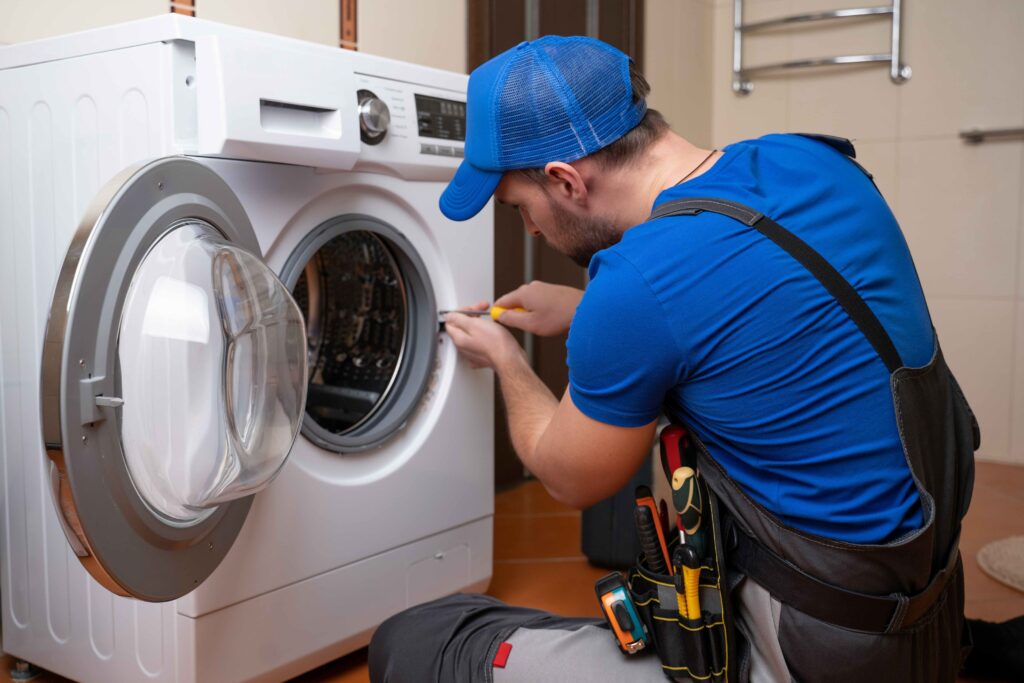
Professional installation is strongly recommended. Tankless systems demand precision, especially when you’re integrating with existing gas or electrical systems. Any misstep in venting, wiring, or placement can result in inefficiency or even safety risks. Maintenance is relatively straightforward but important. Descaling the system every year or two—particularly in areas with hard water—is critical to maintain optimal function. Some manufacturers also recommend checking the filter regularly and flushing the system to prevent sediment buildup. Routine upkeep helps extend the unit’s lifespan and preserves energy efficiency, making it a worthwhile effort in the long run.
How Tankless Fits Within a Home Warranty Strategy
As water heater technology becomes more sophisticated, so does the cost of repair or replacement. This is where a comprehensive home warranty plan becomes essential. Traditional warranties might exclude newer systems or limit coverage on more advanced appliances. Ensuring your plan includes tankless units specifically can save you stress—and serious expense—should a system component fail. With proper documentation and timely maintenance, filing a claim becomes a seamless process that mitigates out-of-pocket costs. Staying ahead of those potential repair curves just makes good sense, especially for newer homes implementing tankless systems as their primary water heating option.
Protect Your Tankless Water Heater Investment With Armadillo
If you’re considering upgrading to a tankless water heater or already relying on one, protecting that investment should be a priority. Armadillo offers home warranty plans designed to keep modern households covered, including plans that support complex home systems like tankless water heaters. Their flexible plan builder ensures you’re matched with coverage that fits your home, your devices, and your expectations. Begin by exploring Armadillo at armadillo.one to learn more about how their platform simplifies home protection. When you’re ready, you can start customizing your plan today at this link. With Armadillo, you’re not just checking boxes—you’re making a wise, long-term investment in the comfort and resilience of your home.