Understanding Tankless Water Heaters: A Smarter, Efficient Choice for Homeowners
Homeownership brings along an evolving checklist of responsibilities, from routine maintenance to system upgrades. Among these, improving energy efficiency, saving space, and reducing utility bills stands out as a top priority. If you’re contemplating a high-impact investment in your home’s infrastructure, the tankless water heater warrants serious consideration. While they’ve gained popularity in recent years, many homeowners still wonder what these systems do, how they work, and whether they’re right for their homes. In this article, we’ll unpack the essentials of tankless water heaters—detailing how they function, their advantages, potential drawbacks, and why they’ve become an increasingly common upgrade across U.S. households. Whether you’re exploring options for a new build or seeking ways to modernize, understanding this system could help you make a more informed, cost-effective decision.
What Is a Tankless Water Heater?
A tankless water heater, also known as an on-demand water heater, is a home appliance that heats water directly without the need for a storage tank. Instead of continuously keeping a reserve of hot water available, a tankless system activates only when hot water is needed. When a hot water tap is turned on, cold water travels through a pipe into the unit where either a gas burner or electric element heats it instantly, delivering a constant supply as long as the tap remains open. This on-demand mechanism sets tankless systems apart from traditional water heaters, which store heated water in large tanks even when not in use—often resulting in standby energy losses. The energy-conscious homeowner may already hear the benefits whispering.
How Do Tankless Water Heaters Work?
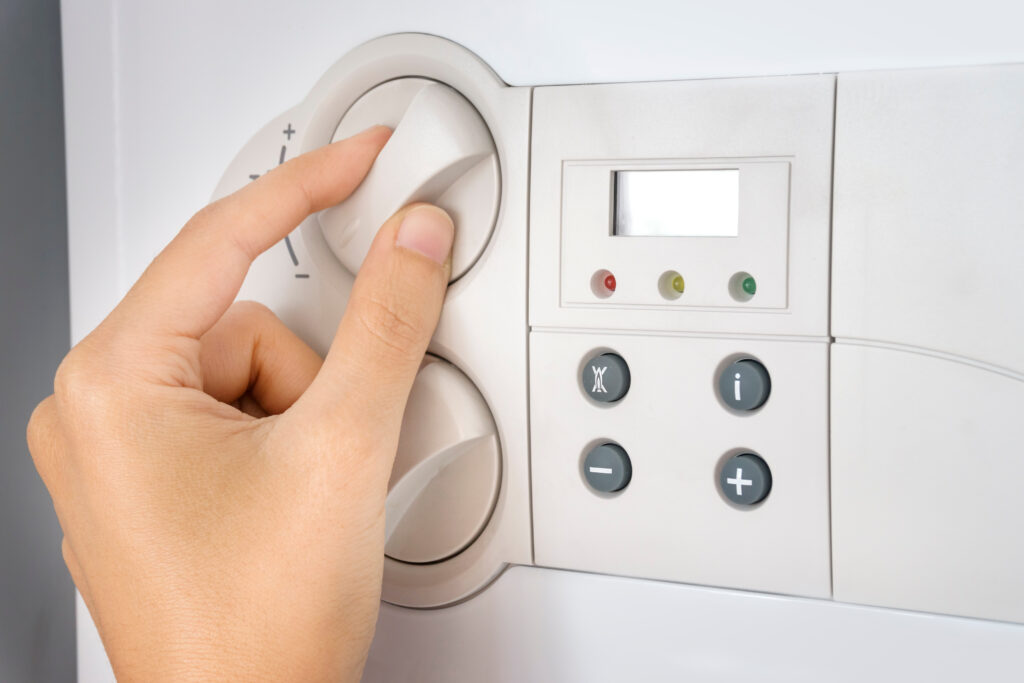
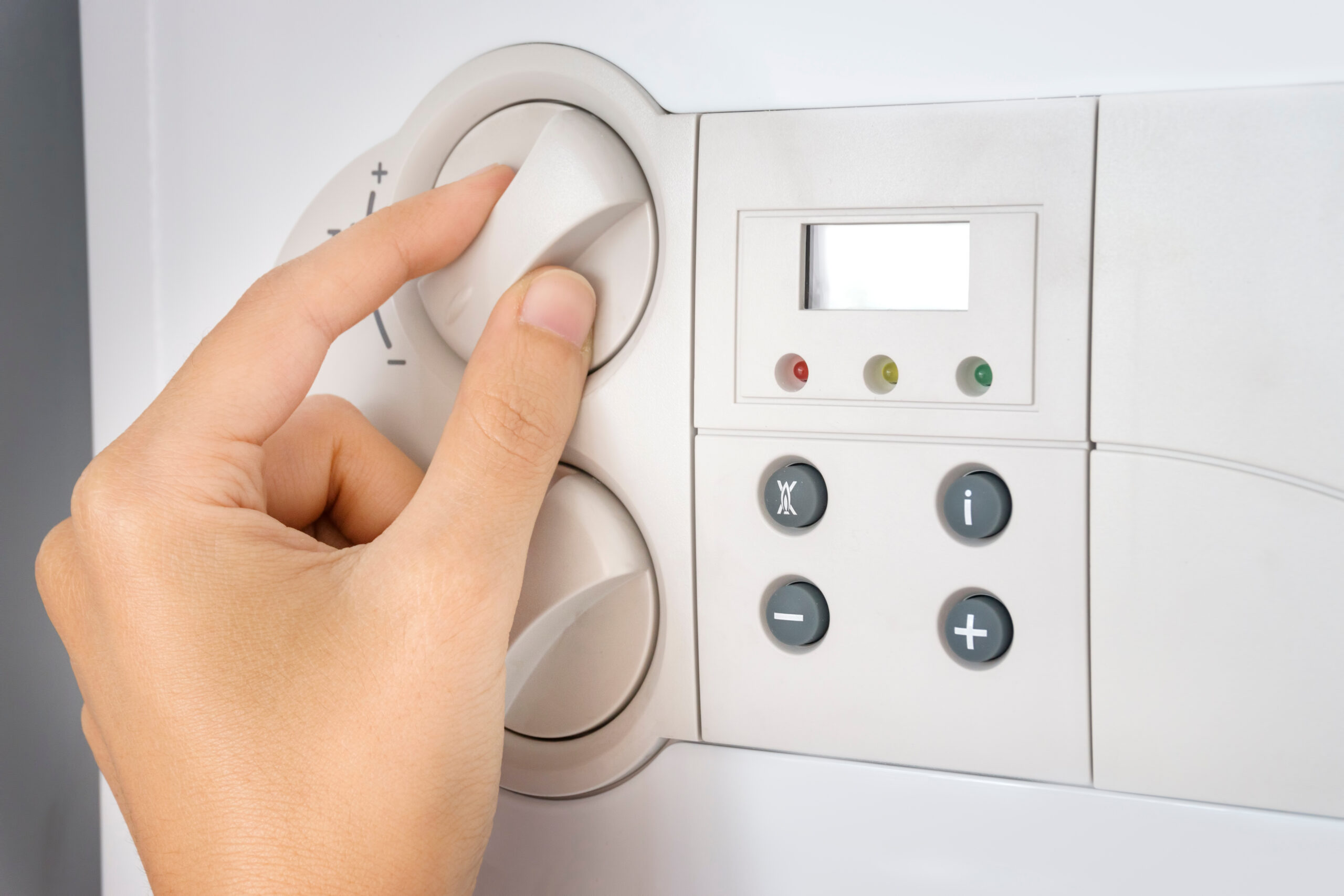
Understanding how a tankless water heater operates clarifies much of its appeal. The moment a hot water fixture is engaged, sensors inside the heater detect the water flow and activate the heating elements. Cold water moves over heat exchangers that rapidly raise the temperature, sending the hot water directly to faucets, showers, or appliances. When the demand stops, so does the heating element. This closed-loop efficiency not only conserves energy but minimizes stress on the environment. Tankless units are powered either by electricity or natural gas, and the model’s performance metrics—such as flow rate and temperature rise—determine how well it meets the household’s needs. Some households may require multiple units for consistent pressure across various points of demand. A proper fit makes all the difference.
What Are the Advantages of Tankless Water Heaters?
The benefits of a tankless system encompass energy efficiency, durability, and convenience. One of the most attractive features is energy savings. According to the U.S. Department of Energy, tankless water heaters can be 24% to 34% more energy-efficient than traditional storage tank models, especially in homes using 41 gallons or less of hot water daily. This translates to noticeable reductions in monthly utility bills over time. Additionally, tankless systems typically last longer—on average about 20 years—compared to the standard 10 to 15 years for storage tanks. Their compact size also makes them ideal for smaller homes or condos with limited space. And with no massive tank to refill and reheat, hot water is delivered reliably and immediately—with no “running out” during back-to-back showers. For busy households, that matters more than most realize.
Common Drawbacks to Consider
Despite their advantages, tankless water heaters are not without their complexities. Initial installation cost is often higher than that of traditional systems, particularly if retrofitting is required in an older home not already outfitted for on-demand heating. They may also have difficulty keeping up with simultaneous multiple demands if undersized: for example, running a dishwasher and a shower at the same time. Electric models may require an upgrade to the home’s electrical infrastructure, while gas units may need larger vents or gas line adjustments. Seasonal temperature variation can slightly impact performance, particularly in colder regions where incoming water may require more intensive initial heating. Maintenance also plays a key role in longevity, as mineral buildup can reduce efficiency over time—making routine flushing essential. These aren’t deal breakers, but they are worth factoring into planning and budgeting conversations.
Installation and Cost Considerations
Several variables influence the final cost of a tankless water heater installation, including unit size, power source, location, and regional labor rates. Purchasing a unit might cost between $500 and $2,500, while professional installation—especially for retrofits or larger homes—can range from $1,000 to $3,500 total. For gas units, installing adequate ventilation is both essential and strictly regulated. For electric models, the home’s circuit capacity may need upgrading to meet demand. Ideally, installation is performed by a licensed, experienced plumber with certifications specific to the model being installed. Rebates and tax incentives may apply in some areas, particularly for energy-efficient models listed under ENERGY STAR. Weighing the initial investment against expected lifespan and operational savings is essential. Over time, what seems costly upfront often offsets itself in lower energy bills and fewer repairs.
Maintenance and Longevity Concerns
Maintaining a tankless water heater isn’t time-intensive, but it must be done regularly to ensure optimal function. As water moves through the system, especially in hard water regions, minerals like calcium and magnesium can accumulate on internal components. Left unchecked, this buildup can hinder heat exchange and reduce efficiency or even cause permanent damage. Most manufacturers recommend flushing the heater at least once a year using a descaling solution. Homeowners should also routinely check filters and air intake vents to prevent dust or debris from reducing performance. Many models now integrate maintenance alerts or self-diagnostic tools, simplifying care for even the least tech-inclined households. With consistent upkeep, these systems can operate reliably for up to two decades, providing long-term value and peace of mind.
Is a Tankless Water Heater Right for Your Home?
Choosing to upgrade to a tankless water heater depends on your household size, water usage patterns, and budget. Smaller homes or couples may benefit most from the quick, efficient delivery of hot water without the need for massive storage. Larger families or multi-bathroom homes, on the other hand, should assess usage carefully and consider whether a single or dual-unit system is more appropriate to avoid underperformance. A proper sizing assessment conducted by a licensed plumber can offer specific recommendations. If you’re renovating or building new, the integration of tankless systems is even simpler—and often more cost-effective—than in a retrofit scenario. Consider future resale value, too: homes with energy-saving upgrades can stand out in competitive markets. It’s not just about today—it’s about tomorrow’s comfort and cost-efficiency, too.
Why Armadillo Makes Perfect Sense for Your Tankless Investment
Upgrading to a tankless water heater is a smart move, but ensuring its long-term performance requires support beyond installation. That’s where Armadillo steps in. Our home warranty plans are crafted to protect major systems and appliances—like tankless water heaters—from unexpected breakdowns, wear and tear, and costly repairs. Unlike standard manufacturer warranties, we provide broad-based coverage tailored to real-life usage and realistic budgets. With service available in all 50 states and a straightforward claims process, Armadillo partners with you in protecting your home’s most vital systems. Don’t let maintenance uncertainties or repair costs chip away at your investment. Learn more at our homepage at Armadillo or get started with a personalized protection plan in seconds at our plan builder.