Understanding Tankless Water Heaters: A Smart Upgrade for Modern Homes
Among the many home upgrades available today, tankless water heaters stand out as both innovative and practical. For homeowners looking to increase energy efficiency, reduce utility bills, and ensure consistent hot water, tankless systems offer a forward-thinking solution. But before trading in your conventional water heater, it’s important to understand how this system works, what it truly offers, and whether it’s the right fit for your home. This article provides a comprehensive guide to tankless water heaters—from functionality to maintenance—and helps you make an informed, confident decision that aligns with your larger home care strategy.
What Is a Tankless Water Heater?
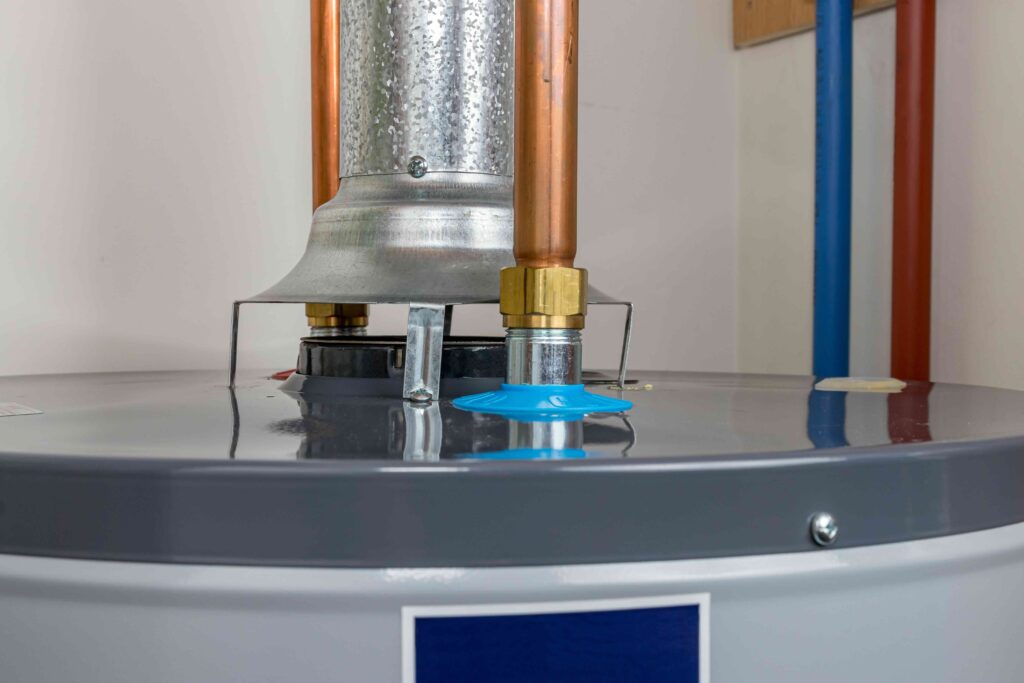
A tankless water heater, often referred to as an on-demand water heater, provides hot water only when it is needed. Unlike traditional water heaters that store a large volume of hot water in a tank and continuously reheat it, tankless systems operate without a storage tank altogether. When a hot water tap is turned on, cold water travels through a pipe into the unit, where it’s rapidly heated by either a gas burner or an electric element. As a result, homeowners get a continuous supply of hot water without waiting for a tank to refill or dealing with standby heat loss.
How It Works: Behind the Technology
The core of a tankless water heater is its heat exchanger. This component activates as soon as water flow is detected. Gas-powered models typically use a burner and exhaust system to heat the exchanger, while electric units use high-resistance heating elements. The rate at which a unit can deliver hot water is measured in gallons per minute (GPM), a crucial specification for households with multiple users or high simultaneous demand. Modern tankless heaters can be wall-mounted, saving physical space and offering sleek utility room integration.
Advantages of Going Tankless
Tankless water heaters bring substantial benefits to homeowners. Perhaps the most prominent advantage is energy efficiency. By heating water only when required, these systems eliminate standby energy losses, which directly translates into reduced utility bills. According to the U.S. Department of Energy, homes that use 41 gallons or less of hot water daily can achieve energy savings of 24 to 34 percent with a tankless system. Additionally, these units offer nearly endless hot water on demand—a valuable feature for families who routinely run showers, dishwashers, and laundry machines in tandem. Their compact size also makes them well-suited for homes with limited utility space. Finally, tankless models generally enjoy a longer operational lifespan, averaging over 20 years with proper maintenance.
Points of Consideration: Drawbacks to Address
Despite multiple advantages, tankless water heaters aren’t universally perfect. The initial installation cost tends to be higher than traditional systems, partly due to retrofitting requirements or upgrading to higher-capacity units to meet household demand. In homes with substantial simultaneous hot water usage, a single unit might not suffice, necessitating either a high-output unit or multiple smaller units installed in parallel. Also worth noting: some users experience a “cold-water sandwich” effect—hot water followed by a short burst of cold before consistent heating resumes—if the system cycles off and on quickly. Regular maintenance, including descaling in areas with hard water, is needed to preserve efficiency and warranty coverage.
Is It the Right Fit for Your Home?
Determining if a tankless water heater suits your home hinges on a few practical questions. Does your household experience intermittent or consistently high hot water demand? Is energy efficiency a priority in your long-term budget strategy? And are you prepared for the higher upfront investment to reap downstream savings? Smaller households or city apartments might benefit immediately, while larger families may need a more nuanced approach with multiple units or supplementary systems. Climate conditions can also impact system performance, particularly in colder regions where incoming groundwater temperature significantly lowers—even though most modern units adjust for this automatically, efficiency may vary based on model selection.
Maintenance Tips and Warranty Considerations
Routine maintenance is critical for tankless water heaters to perform optimally. Over time, mineral buildup, especially in hard water regions, can impair the unit’s functionality and shorten its lifespan. Most manufacturers recommend flushing the system with a vinegar solution or a descaling agent at least once a year. A sediment filter can also extend the internal components’ life span and reduce the frequency of cleanings. Maintaining your water heater not only ensures smooth operation but also keeps you compliant with most manufacturers’ warranty requirements. This is where a thoughtful home warranty plan can significantly ease the burden by covering inevitable, unexpected breakdowns, ensuring that even advanced appliances are protected under stress-free service agreements.
Energy Efficiency and Environmental Impact
Environmental considerations are increasingly integral to modern homeownership, and tankless water heaters align well with eco-conscious goals. By reducing energy consumption, they help decrease your home’s carbon footprint. Many ENERGY STAR-certified models exceed federal efficiency standards and may qualify for federal or state rebates, making them even more attractive from a financial standpoint. Over the course of its lifecycle, an efficient tankless unit consumes considerably less energy and contributes fewer greenhouse gas emissions compared to standard storage tanks. Homeowners committed to sustainable living find this advantage dovetails neatly with solar panel integration or whole-home energy system strategies.
Peace of Mind Starts With Protection
Installing a tankless water heater is a meaningful upgrade—but like any home system, even the best equipment can encounter the unexpected. That’s why securing a reliable, flexible home warranty matters. At Armadillo, we exist to minimize stress by offering modern home warranties that actually make sense. Our plans simplify the repair and replacement process for covered items, including critical systems like water heaters. Whether you’re installing new or maintaining the old, Armadillo is your partner in minimizing the disruption. Learn more about how a home warranty can protect your tankless water heater—and your home—by visiting armadillo.one. Ready to get started? Build your perfect plan today at our sign-up page.