Understanding Tankless Water Heaters: A Smart Upgrade for Efficient Hot Water
For homeowners looking to optimize energy usage and make smarter long-term investments in their property, tankless water heaters have become an increasingly attractive option. These compact systems are designed to deliver hot water on demand, eliminating the need for bulky storage tanks while introducing new efficiency standards. But like any home fixture, tankless water heaters come with their benefits and tradeoffs. This article breaks down what they are, how they work, and what to consider if you’re eyeing one for your home. Whether you’re upgrading a conventional hot water heater or planning your next home improvement project, there’s real value in understanding this system thoroughly.
What Is a Tankless Water Heater?
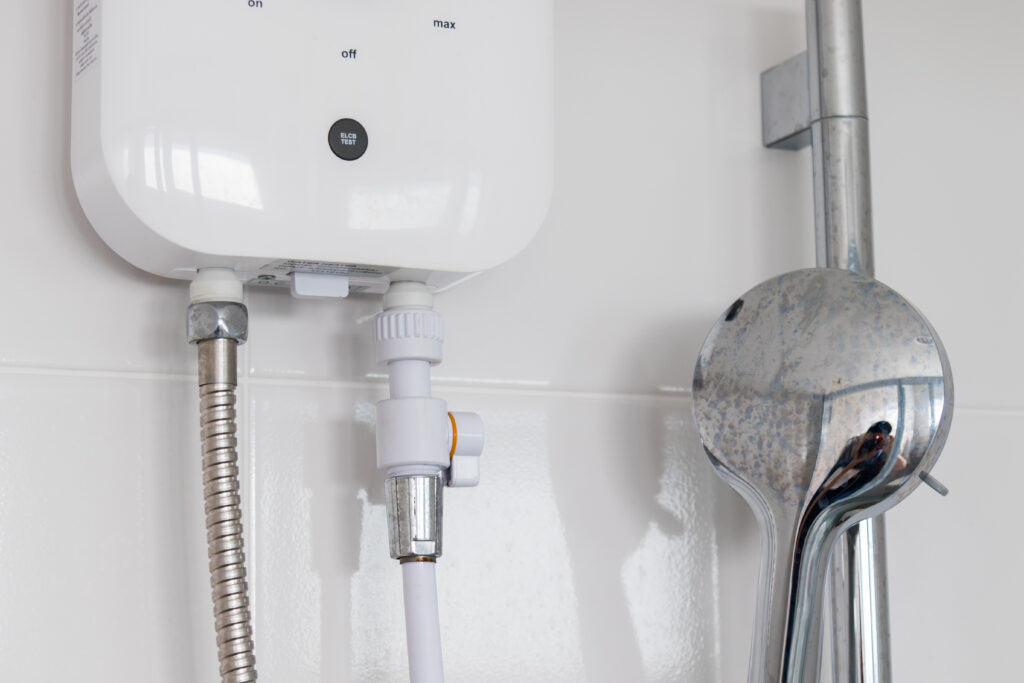
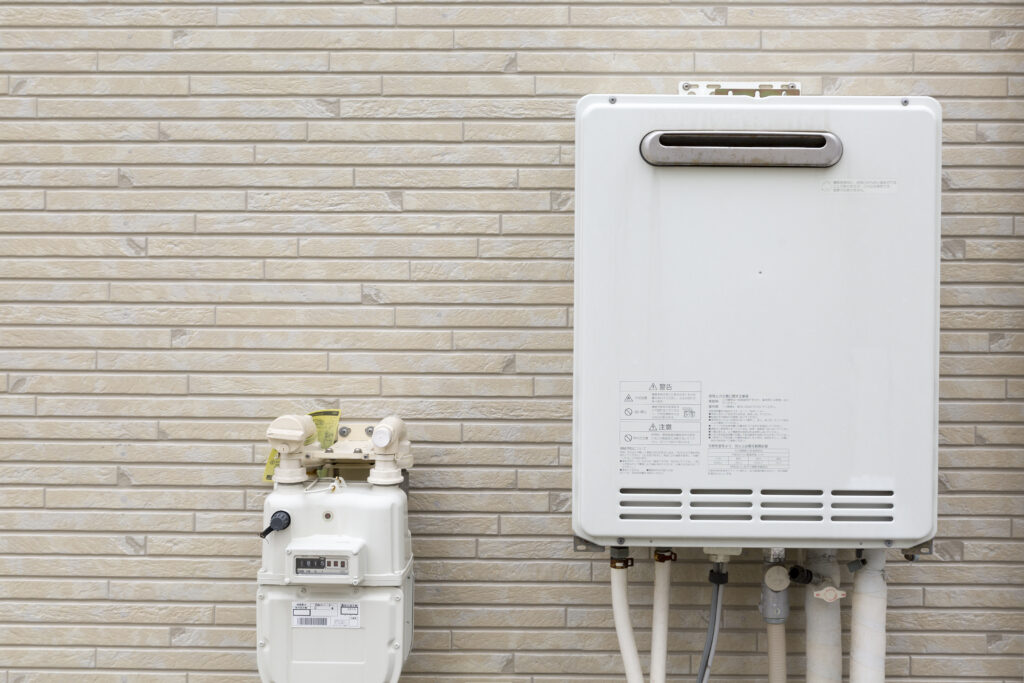
A tankless water heater, often referred to as an on-demand or instantaneous water heater, is a home appliance designed to heat water only when it’s needed. Unlike traditional water heaters that continuously heat and store hot water in a tank, tankless models eliminate the standby energy loss by producing hot water only as it flows through the unit. When a hot water tap is turned on, cold water enters the system. In gas models, a burner ignites; in electric versions, a heating element is activated—either way, water is heated instantaneously and delivered through the plumbing system.
How Does a Tankless Water Heater Work?
The core design principle of a tankless unit is simplicity. When you activate a hot water faucet, dishwasher, or shower in your home, cold water enters the unit through a pipe. The system detects flow and powers on the internal heat exchanger. The heating element—either gas-fired or electric—rapidly warms the water as it passes through. Within seconds, the now-heated water exits the unit directly into your home’s plumbing lines, arriving at your fixtures without delay. Once you shut off the tap or device, the system stops heating and goes dormant until it’s needed again. There’s no stored water reservoir, drastically reducing wasted energy and space.
Advantages of Tankless Water Heaters
The benefits of tankless water heaters extend across efficiency, space, and potentially lower utility costs over time. One of the most cited advantages is energy efficiency. According to the U.S. Department of Energy, homes using 41 gallons or less of hot water daily can realize energy savings of 24–34% with a tankless system. Another major benefit is the unlimited hot water supply; as long as the unit is appropriately sized for the household, you won’t run out of hot water mid-shower. The units are also compact, often wall-mounted, freeing up floor space. Additionally, tankless water heaters generally have a longer lifespan than traditional models—lasting up to 20 years or more with proper maintenance.
Common Drawbacks and Limitations
While the benefits are substantial, there are trade-offs to consider. Upfront cost is the primary hurdle—tankless water heaters typically cost more to purchase and install than conventional models. Installation may also require retrofitting your home’s electrical or gas system, depending on the model and local regulations. And although these systems reduce the risk of a catastrophic tank leak, they are not immune to mineral buildup, especially in areas with hard water. This can compromise efficiency over time if preventive maintenance is neglected. Also, simultaneous demands from multiple fixtures can overload smaller units, leading to inconsistent temperatures or pressure. Proper sizing is critical to ensure continuous hot water based on your home’s specific usage patterns.
Ideal Scenarios for Choosing a Tankless Water Heater
If your household is actively looking to reduce energy consumption, anticipate longevity in your home, or face space limitations, a tankless water heater could be an advantageous investment. Smaller households—and those with limited simultaneous hot water usage—see the most significant cost savings over time. Homes undergoing renovation often consider tankless systems because it’s easier to reevaluate plumbing infrastructure during that process. Additionally, climates where water heating accounts for a significant portion of your energy bill particularly benefit from the energy efficiency of these systems. Mobile homes, tiny homes, and vacation properties also frequently deploy tankless models due to their compact footprint and operational flexibility.
Maintenance Tips and Longevity Considerations
To ensure your tankless system maintains peak performance, regular maintenance is essential. Annual flushing is recommended to remove mineral buildup inside the heat exchanger, especially if you live in an area with hard water. Some models feature built-in flushing systems, but a professional inspection remains advisable for long-term reliability. Filters should be checked routinely, and venting or gas line connections need to be secure and properly aligned. Many manufacturers require these annual check-ups to maintain warranty protections. When maintained correctly, a high-quality tankless water heater can function efficiently for two decades—substantially outpacing traditional tank systems in operational life.
Making the Smart Choice: Initial Cost vs. Long-Term Savings
It’s common to pause when weighing the immediate sticker shock of a tankless water heater against the promise of future savings. Initial purchase prices can range significantly, depending on capacity and whether you choose electric or gas-fueled units. Installation costs fluctuate based on your current plumbing and ventilation system. However, many homeowners do see returns through reduced monthly utility bills and fewer emergency repairs. The absence of a water tank means fewer risks related to leaks or rust. Lower wear-and-tear over time also contributes to fewer repairs and more predictable operation. In many situations, especially with rising energy costs, the math checks out in favor of tankless systems.
Why Your Tankless Water Heater Deserves Armadillo Home Warranty Protection
Choosing a tankless water heater reflects a smart, forward-looking investment in your home. But like any major system, its longevity and performance depend on careful upkeep and responsive protection. That’s where Armadillo comes in. A home warranty from Armadillo ensures that your tankless water heater—and other vital systems—are backed by swift, expert repair solutions when something goes wrong. You get peace of mind knowing one unexpected breakdown won’t empty your wallet. Discover how our plans can be tailored to your unique needs at armadillo.one, or take the first step toward smart coverage by building your plan at our plan builder. Make your tankless water heater not just efficient, but protected for the long run.