Understanding Tankless Water Heaters: Efficiency, Cost, and Coverage
The modern home runs on smart choices—decisions that blend energy efficiency, reliability, and ease of maintenance. One of the upgrades more homeowners are weighing today is the shift from traditional storage water heaters to tankless water heaters. This home system provides hot water on demand, optimizes energy use, and takes up less space. But while tankless water heaters offer compelling benefits, they also have limitations worth knowing. If you’re considering this upgrade or just want to understand how it fits into the bigger picture of home systems and warranties, this article will walk you through the details in a straightforward, expert-guided way.
What Is a Tankless Water Heater?
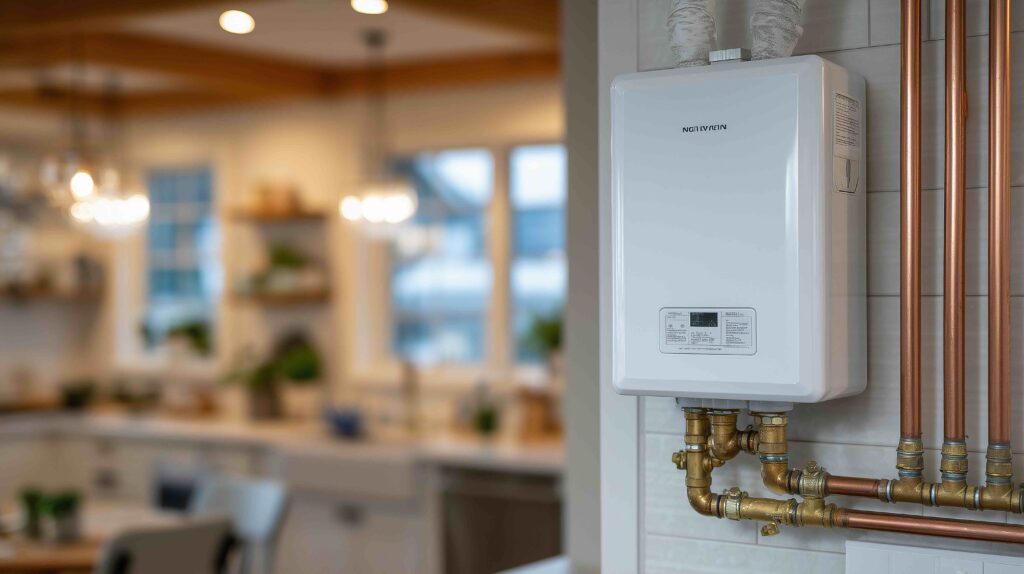
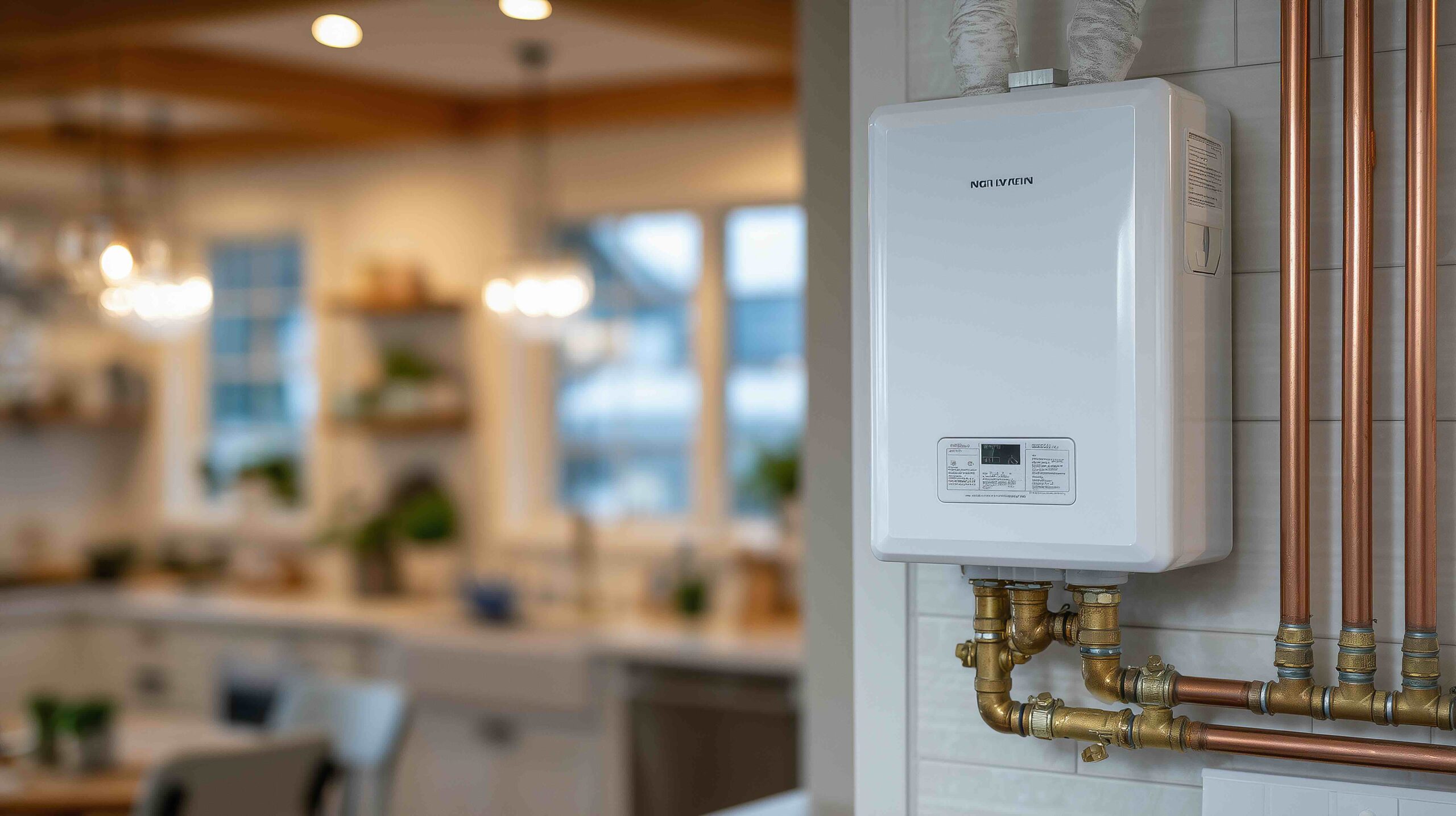
A tankless water heater, also known as an on-demand water heater, heats water directly without the use of a storage tank. When a hot water tap is turned on, cold water travels through a pipe into the unit, where either a gas burner or an electric element heats it instantly. Unlike traditional water heaters, which store a set amount of hot water in a tank (usually 40 to 80 gallons), a tankless unit does not retain a reservoir of heated water. Instead, the system provides a continuous flow of hot water as long as it’s needed.
How a Tankless System Works in the Home
The operation is relatively simple. When you turn on your shower or sink faucet, cold water is pumped into the tankless unit. Once inside, either electricity or gas is used to elevate the water temperature to the preset level. The heated water is then delivered directly to your plumbing system. Because there’s no storage, the system doesn’t suffer from heat loss associated with tank-style heaters where hot water cools during storage. That efficiency can lead to real savings over time. Depending on household usage habits and flow demands, a tankless water heater can offer a steady supply to multiple outlets, although performance varies based on unit capacity and home demands.
Why Homeowners Are Choosing Tankless Over Traditional Units
Energy efficiency is the most frequently cited advantage. According to the U.S. Department of Energy, homes that use 41 gallons or less of hot water daily can see energy savings of 24% to 34% with a tankless model. For homes with higher use—around 86 gallons per day—the savings hover around 8% to 14%, still substantial. In longer-term models, the savings add up, especially when combined with smart thermostats and other efficient appliances. Add to that the extended service life of tankless units, typically over 20 years with proper maintenance, and the value becomes more apparent. There’s also the benefit of reduced physical footprint, freeing up closet or garage space—sometimes enough for seasonal storage or even keeping that laundry area less cramped.
Key Drawbacks You Shouldn’t Overlook
Not everything about tankless water heaters is seamless. First, the upfront cost is notably higher. Purchase and installation can run well over $2,000, particularly for gas-fired models that may require venting modifications or an upgraded gas line. Electric models, while often less expensive, may need updated electrical circuits. Then there’s the issue of flow rate. Tankless systems deliver finite gallons-per-minute (GPM) of hot water. If multiple sources—think two showers and a dishwasher—run at once, you could exceed capacity and run into unpleasant reality checks. Some homeowners address this by installing multiple units, which obviously raises the total cost. And while rare, mineral buildup in hard water regions can reduce efficiency over time, requiring regular descaling maintenance with vinegar or a treatment solution.
Installation: Complexity and Considerations
Swapping in a tankless water heater isn’t a plug-and-play update. Retrofitting an older home may require reconfiguring plumbing, changing fuel supply dimensions, or venting through walls and roofs. It’s important to involve certified professionals for gas and a qualified electrician for electric models. DIY installations are not recommended. Permitting requirements may also come into play. In certain localities, tankless units must pass inspection to ensure safe gas line connections or pressure management. Homeowners planning for tankless water heaters should prepare for a 1–2 day installation window, depending on the complexity of the transition from a traditional system.
System Longevity and Maintenance Tips
A well-maintained tankless unit can easily outlast its tank-style counterpart. However, maintenance is more than an afterthought. Descaling the unit regularly—every one to two years—is essential, especially in areas with high mineral content in the water. This prevents calcium buildup around the heating elements, which can reduce efficiency or cause system failure. Most manufacturers recommend installing in-line water filters or water softeners to mitigate damage from sediment and lime. Annual inspections by a licensed contractor can also help identify early signs of wear before they become full-blown system issues. Don’t skip flushing the system as part of seasonal prepping if your climate involves freezing temperatures.
How Tankless Water Heaters Interact with Home Warranties
Knowing how this system fits into your home warranty plan is critical. Despite their extended lifespans, tankless water heaters are expensive systems to repair or replace out of pocket. Heat exchanger issues, ignition failures, and pressure-control malfunctions can quickly escalate to high-dollar problems. A robust home warranty should cover not just traditional water heaters but also tankless systems, along with labor and parts for approved claims. That said, you’ll want to carefully read the fine print. Some warranty providers may add exclusions or impose higher premiums on modern equipment due to perceived complexity. Coverage should ideally include both gas and electric models and not exclude newer technology. For homeowners adopting tankless systems, a clear, comprehensive warranty offers insulation against unexpected repair costs and peace of mind—especially during harsh winters or high-demand months.
Is a Tankless Water Heater Right for Your Home?
The answer depends on your household’s hot water habits, budget, and long-term goals. If your house has lower-to-moderate simultaneous demand for hot water, and you live in a region where energy savings are prized, a tankless system may be an ideal fit. Newer constructions or major renovations are excellent opportunities to install tankless heaters efficiently. On the other hand, larger families or homes with multiple high GPM fixtures may need additional system planning. Consider consulting a licensed plumber alongside reviewing your current energy bills and hot water usage patterns. Also account for your future plans—if resale value and sustainability rank high on your list, tankless units are likely to be seen as features rather than risks.
Protecting Your Investment with Armadillo
Installing a tankless water heater is a high-value upgrade—but it shouldn’t come with high-stress maintenance or risk exposure. That’s where Armadillo steps in. As a forward-thinking home warranty provider, Armadillo offers plans that understand and support modern home systems. Their coverage integrates with contemporary solutions like tankless water heaters while staying transparent and easy to understand. When your system is smart, your protection should be smarter. Explore Armadillo’s plans at https://www.armadillo.one, or start building coverage tailored to your ZIP code now at https://app.armadillo.one/plan-builder?current=zip. Invest confidently, knowing your upgrades are backed by a warranty provider who keeps pace with modern home technology.