Understanding Tankless Water Heaters: How They Work and What Homeowners Should Know
Water heating accounts for a substantial portion of a home’s energy use, often ranking just behind heating and cooling systems. For many homeowners looking to improve efficiency and cut utility costs, one innovation stands out: the tankless water heater. While it’s not new technology, its rising popularity suggests more homeowners are seeking improved performance, longer-lasting systems, and smarter energy consumption. But before deciding whether a tankless water heater is right for your home, it’s important to understand how it works, its benefits, and potential drawbacks. Here’s what you should know.
How Tankless Water Heaters Work
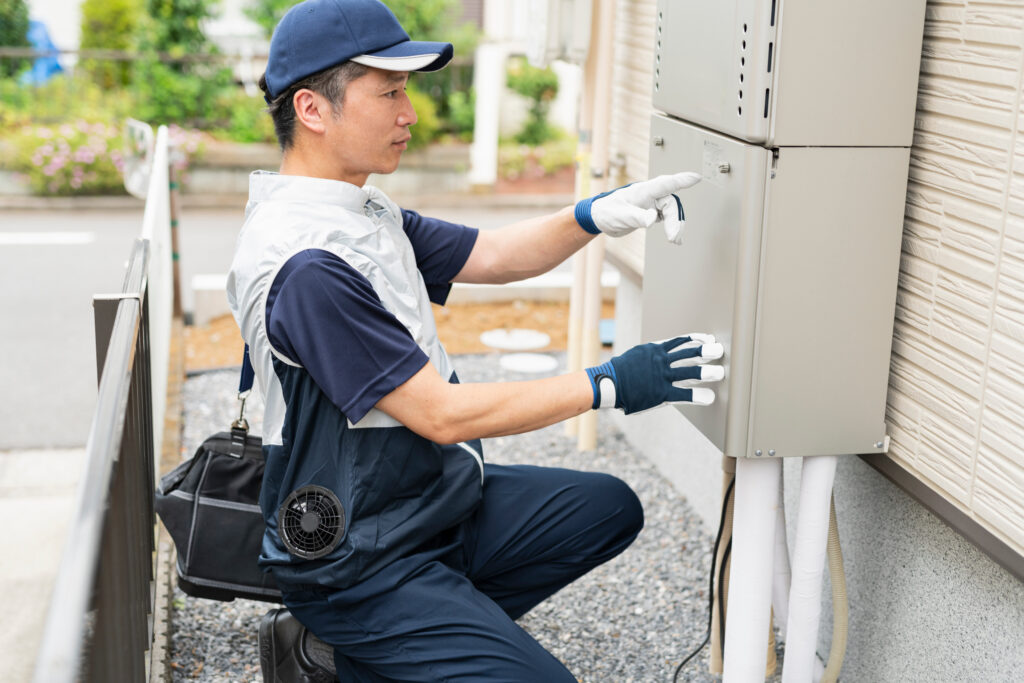
A tankless water heater—also known as an on-demand water heater—does exactly what its name implies: it heats water without the need for a storage tank. When a hot water tap is turned on, cold water flows through a heat exchanger unit where it’s rapidly heated by either a gas burner or an electric element. The result is hot water delivered directly to your faucet, shower, or appliance without the delay of a storage cycle.
This process provides hot water only when needed, eliminating standby energy losses associated with traditional tank-style heaters. Unlike conventional systems, there’s no need to keep a large volume of water constantly heated in a tank, which significantly contributes to their improved energy efficiency.
Key Advantages of Tankless Water Heaters
The primary benefit for most homeowners boils down to efficiency and effectiveness. Tankless systems typically last longer than conventional water heaters—about 20 years, compared to a tank system’s 10 to 15 years. Because heating happens on demand, these units can be 24% to 34% more energy efficient for homes that use up to 41 gallons of hot water daily, according to data from the U.S. Department of Energy.
Another major advantage is unlimited hot water. As long as demand doesn’t exceed the system’s flow rate, you can enjoy continuous hot water without the frustration of a depleted tank. With proper sizing, multiple showers and appliances can run simultaneously, though you should work with a licensed plumber to assess and install the right unit per your home’s specific needs.
Common Drawbacks to Consider
While tankless units offer significant benefits, they are not without limitations. The upfront cost is typically higher compared to traditional heaters, both for the unit itself and the installation. Retrofitting a home to accommodate a tankless heater may require upgrading gas lines, ventilation, or electrical systems, which can increase labor costs.
Additionally, tankless units may have inconsistent temperature output if multiple outlets are used simultaneously. This makes system capacity crucial. A unit not sized correctly may deliver lukewarm water or reduce flow. Though workarounds like installing multiple smaller units, called point-of-use heaters, can help, it’s worth evaluating water usage patterns before making the investment.
Installation Requirements and Retrofitting Complexities
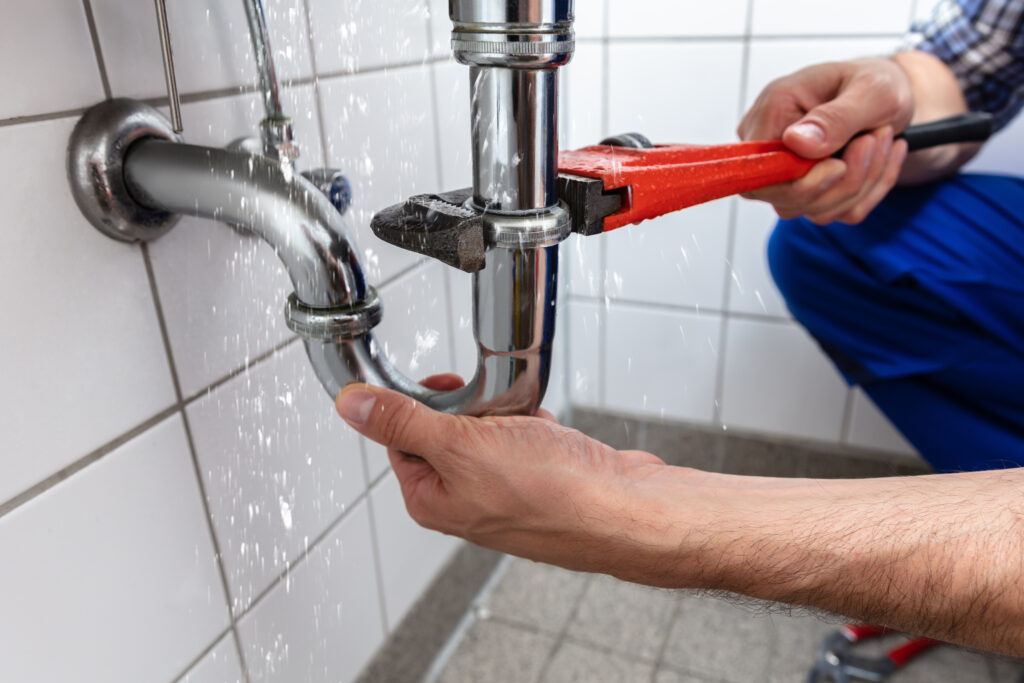
Installing a tankless water heater involves more than simply removing an old tank and bolting in the new unit. These heaters require a different infrastructure, especially if you’re shifting from electric to gas or vice versa. Venting, wiring, plumbing configuration, and even your home’s water hardness can affect installation success and long-term performance.
Homeowners might be surprised by installation costs due to the complexity involved. A licensed technician should perform a detailed assessment prior to installation, ensuring proper placement, flow calibration, and safety mechanisms. Investing the time upfront pays dividends in long-term efficiency and performance reliability.
Maintenance, Longevity, and Home Warranty Implications
A tankless water heater, while lower-maintenance than many systems, still requires periodic servicing to ensure optimal performance. Hard water can be particularly problematic, causing mineral buildup that reduces efficiency over time. Annual descaling, especially in areas with high mineral content, is critical. Some manufacturers may even void warranties without evidence of regular maintenance.
That brings us to another point—coverage under a home warranty. Not all home warranties cover tankless water heaters, and those that do may require professional installation and documentation of routine maintenance. That’s where choosing a clear, modern, and homeowner-friendly plan makes all the difference.
Tankless vs Traditional Water Heaters: Cost and Efficiency Breakdown
Comparing tankless and conventional water heaters purely in upfront cost tells only part of the story. While a traditional tank system may cost less initially, it often results in higher monthly energy bills and shorter operational lifespan. A tankless unit’s higher price tag is typically offset by long-term savings and lower failure rates. Even with similar usage levels, the energy efficiency gains become increasingly noticeable year over year.
That said, the total return on investment depends on your home’s size, usage habits, utility rates, and system maintenance. Understanding the full lifecycle cost, rather than just the purchase price, is essential for building a sensible, forward-looking approach to energy management at home.
Tips for Choosing the Right Tankless Water Heater
Selecting the correct unit means balancing size, energy source, and expected household demands. Determine flow rate requirements by evaluating how many outlets will be running simultaneously. Gas models generally offer higher output, making them better suited for larger families or homes with concurrent usage needs. Electric models, while slightly less powerful, are often easier and more affordable to install in smaller homes or for point-of-use purposes.
Always check for ENERGY STAR® certification and review customer satisfaction, warranty duration, and support structure offered by the manufacturer. Additionally, consult local plumbing standards and permits. Don’t forget that available rebates or utility incentives could make a tankless option more financially appealing in some regions.
Why Armadillo Makes Sense for Your Tankless Water Heater
When investing in a high-performance appliance like a tankless water heater, protecting that investment is just smart homeownership. Armadillo offers modern, no-fuss home warranty coverage designed with real homeowners in mind—covering what matters most, including tankless systems. With plans that prioritize ease, transparency, and proactive support, it’s designed to make sure your home systems run smoothly without added stress.
Whether you’re eyeing an upgrade or want to support your existing appliances, explore flexible protection options with Armadillo at https://www.armadillo.one. Ready to find the right plan now? You can start building your custom warranty plan at https://app.armadillo.one/plan-builder?current=zip.