Understanding Tankless Water Heaters: What Nevada Homeowners Need to Know
In a state like Nevada, where climate extremes and energy efficiency go hand in hand, homeowners are often looking for smarter solutions to everyday living. One of the most talked-about upgrades in recent years is the tankless water heater. If you’re considering replacing your traditional water heater or researching efficiency improvements backed by home warranty plans, understanding the ins and outs of this modern alternative is essential. This article walks through what a tankless water heater is, how it operates, its benefits, potential drawbacks, and why it could be a smart long-term investment for homeowners in Nevada.
What Is a Tankless Water Heater?
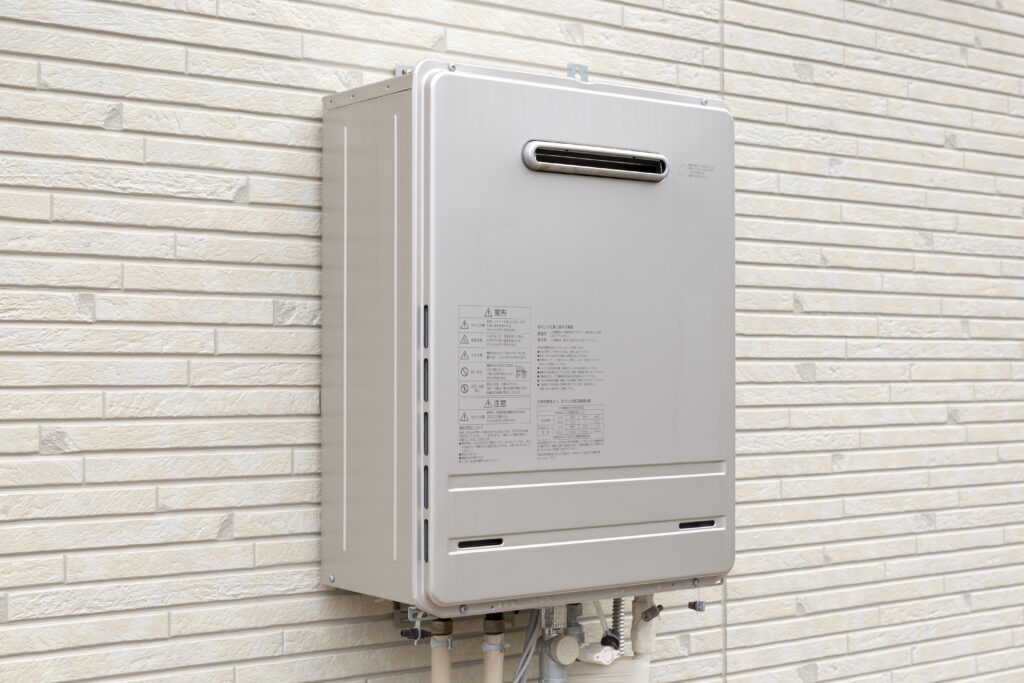
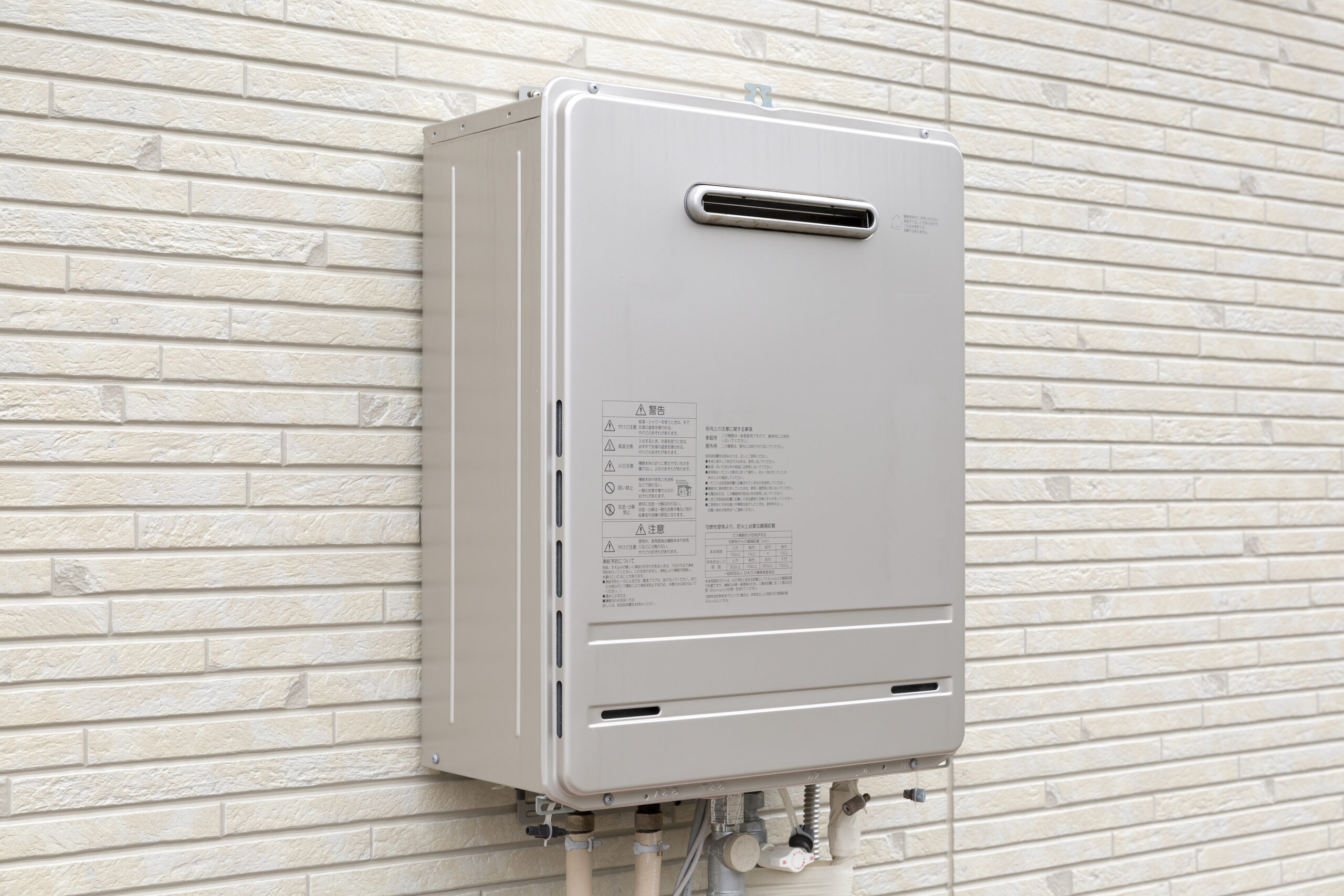
A tankless water heater, sometimes referred to as an on-demand water heater, is a system that heats water only when it’s needed. Unlike traditional water heaters that constantly store and heat a tank full of water, tankless models activate only when a hot water tap is turned on. Cold water moves through the unit and is rapidly heated by either a gas burner or electric element before flowing straight to your faucet or appliance. Because there’s no holding tank, you’re not paying to constantly heat water you aren’t using.
How Does a Tankless Water Heater Work?
When you turn on a hot water tap, the tankless system kicks in immediately. Cold water enters the unit via an inlet pipe and passes over a heat exchanger. Depending on the type—gas or electric—the exchanger heats the water to the desired temperature in real-time. Once the tap is turned off, the unit powers down. There’s no delay, and no standby energy loss occurs when the system is idle. The absence of a storage tank eliminates the risk of running out of hot water mid-shower, assuming the unit is properly sized for your household’s demand.
Key Advantages of Tankless Water Heaters
Efficiency is the leading attraction of tankless water heaters, particularly in a desert state like Nevada where energy use can spike in both winter and summer. These systems are typically 24% to 34% more energy-efficient for homes that use 41 gallons or less of hot water daily. They also last longer—often more than 20 years, compared to 10 to 15 years for conventional storage water heaters. Beyond longevity, homeowners appreciate the space-saving design. Tankless units are compact, often wall-mounted, and can easily fit in smaller utility areas, freeing up valuable square footage.
Potential Drawbacks to Consider
No system is flawless. Tankless water heaters come with certain challenges and initial investments. Installation can be more complex and costly, especially if your home requires new gas lines, electrical upgrades, or venting modifications. For homes with high hot water demand, a single unit might struggle to supply multiple fixtures simultaneously. This could result in reduced flow rates if the unit is undersized. Fortunately, these challenges are manageable with the right professional guidance and proper sizing evaluations based on your household’s usage habits.
Why Tankless Water Heaters Matter in Nevada
Nevada homes are no stranger to extreme weather. Whether you’re in Las Vegas, Reno, or a growing suburban hub like Henderson, managing energy use efficiently is a constant priority. A tankless water heater offers both immediate and long-term savings by cutting down on standby heat loss and providing hot water in a more responsive, sustainable way. With water scarcity also top of mind throughout the state, the reduced storage volume and water-waste-friendly performance of on-demand systems align well with broader conservation goals.
Home Warranty Coverage for Tankless Water Heaters
Given the upfront costs and specialized components involved, securing warranty coverage on a tankless water heater is more important than ever. Many of Nevada’s best home warranty providers include tankless systems in their protection plans, but not all coverage is created equal. Look for contracts that extend to key components like the heat exchanger, ignition controls, and internal electronics. Equally critical is understanding the difference between manufacturer warranties and home warranties. While the former may cover parts, home warranties step in to handle repairs and replacements due to normal wear and tear—which is more practical for long-term homeowners.
How to Choose the Right Tankless System
Sizing and fuel type are the two most important factors when selecting a tankless system. Begin by calculating your peak hot water demand—that is, the total flow rate (in gallons per minute) of appliances you may use simultaneously. Then, confirm your home’s fuel setup; natural gas systems typically offer higher output, while electric systems are easier to install in all-electric buildings. Installation should always be performed by a licensed contractor familiar with Nevada code requirements to ensure optimal performance and compliance. While it’s tempting to overbuy, proper sizing—not oversizing—will ensure you get the best performance and efficiency from your investment.
Why Homeowners Trust Armadillo to Protect Tankless Water Heaters
Whether you’re upgrading to a tankless water heater for energy savings, space management, or long-term reliability, securing a warranty tailored to modern systems is vital. At Armadillo, we understand the specific risks and demands Nevada homeowners face. Our home warranty plans were built for today’s systems—including tankless water heaters—and designed with straightforward protection that keeps you covered without the fine-print guessing games. Explore how Armadillo simplifies home ownership with flexible, transparent coverage at www.armadillo.one. Or get started selecting your plan today by visiting our plan builder.