
What is a Tankless Water Heater? A Closer Look at How it Works, Pros, Cons, and What Homeowners Should Know
Water heaters are one of those home systems that typically work quietly in the background—until they don’t. If you’ve ever run out of hot water halfway through a shower, you know exactly how critical a water heater can become in your daily comfort. Among the options available today, tankless water heaters are rapidly gaining popularity for their efficiency and convenience. But what exactly is a tankless water heater, how does it differ from traditional systems, and is it the right fit for your home? This guide provides a clear, detailed overview for homeowners considering tankless water heating, with practical insight and professional guidance to help you make an informed decision.
Understanding the Basics: What is a Tankless Water Heater?
A tankless water heater, also known as an on-demand water heater, is a system that heats water directly without the use of a storage tank. Traditional water heaters keep a large tank of water hot at all times, even when it’s not being used. Tankless models, by contrast, only heat water when you turn on the faucet or start an appliance that needs it. Cold water travels through the unit, where either electric elements or a gas burner rapidly heat it as it flows. The result? A nearly endless supply of hot water, only when you need it.
How It Works: The Technology Behind the Heat
The functionality of a tankless water heater relies on a flow sensor and a high-powered heat exchanger. When you open a hot water tap, the flow sensor detects the movement of water. At that moment, the system activates, using either gas or electricity to heat the passing water almost instantly. The water passes through a heat exchanger core that quickly brings it up to the temperature you’ve selected. Once you close the tap, the system powers down, eliminating the need for standing hot water and reducing standby energy loss significantly.
Benefits That Matter: Why Homeowners Choose Tankless Models
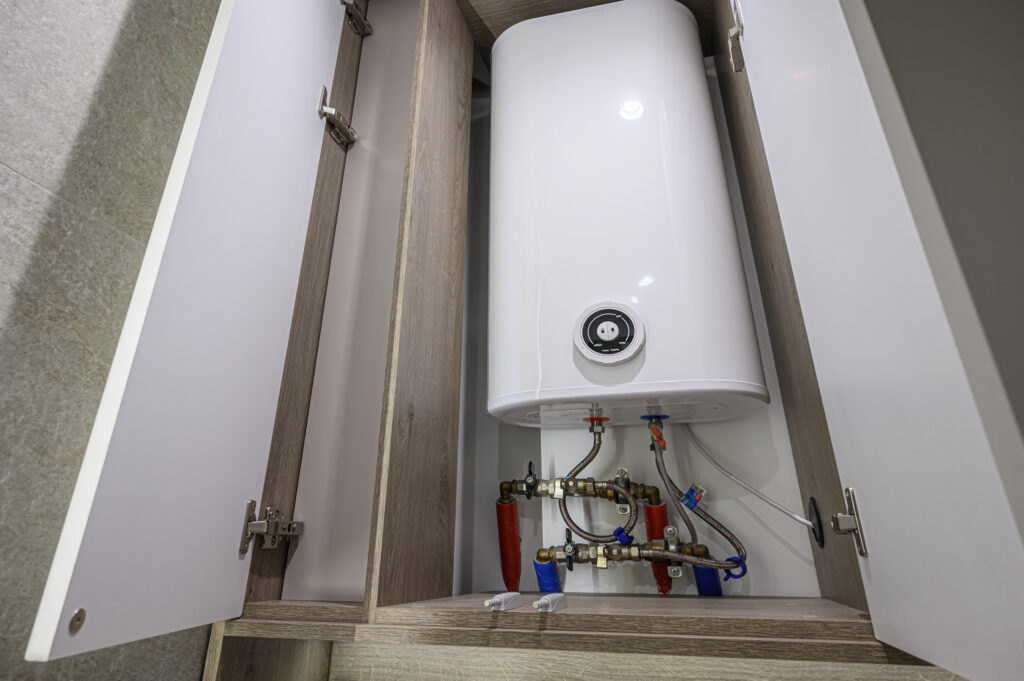
The appeal of tankless water heaters extends beyond the buzz. First and foremost, the energy efficiency of these systems is highly attractive. Because water is heated only when needed, households can substantially reduce energy usage, especially if hot water demands are moderate. Another advantage is space saving. Without a bulky tank, these units can be mounted on a wall, sometimes even in small storage areas or utility closets. Their longevity also plays a role—tankless models typically last longer than tank systems, with many ranging from 15 to 20 years when properly maintained. Beyond cost and convenience, the continuous supply of hot water is a compelling benefit, especially for larger families or households with cascading water needs.
Common Drawbacks and Considerations
Of course, tankless systems are not without their drawbacks. One of the most frequently noted is the upfront cost. Installation expenses can be significant, often higher than replacing a traditional tank system due to both unit cost and the potential need for infrastructure upgrades, like new gas lines or ventilation. Performance can vary based on household demand. If too many appliances or fixtures demand hot water at once, the system might struggle unless it’s sized appropriately or installed in parallel with a second unit. Homeowners living in colder climates should also factor in the efficiency dip in icy conditions, as the unit has to work harder to bring water to desired temperatures.
Installation Insights: What to Expect and Ask
Installing a tankless water heater involves more than swapping one box for another. Depending on whether you choose an electric model or a natural gas model, different considerations will apply. For homes upgrading from a traditional tank system, your installer may need to reroute gas lines, upgrade electrical panels, or install new venting for exhaust. It’s important to choose a qualified professional with experience in tankless retrofitting, as incorrect installation can seriously affect efficiency, safety, and warranty validity. Conducting a proper load assessment of your water usage needs is critical at the outset to make sure the system can support your household demands.
Maintenance Best Practices for Longevity
Tankless water heaters are known for their durability, but like any home system, they benefit from routine care. Because these units are more compact and efficient, small amounts of mineral buildup can degrade performance over time. Annual flushing is recommended to remove scale and sediment, especially in households with hard water. Cleaning or replacing filters and inspecting venting and gas connections should be part of your seasonal checklist. Some models may alert you when service is due, but proactive upkeep is always a smarter, lower-cost solution than reactive repair. Regular maintenance also ensures you’re aligned with any warranty terms set by the manufacturer or your home warranty provider.
Is a Tankless Water Heater Right for Your Home?
Choosing the right water heater depends on your household’s specific needs and expectations. If you prioritize energy savings over time, longer system lifespan, and modern features like remote temperature control or smart-home integration, a tankless heater is likely a strong choice. For homes with high hot water demand, evaluating whether a single unit or multiple smaller units will better suit your needs is key. Older homes may require infrastructure modifications, which can impact the decision-making process. Additionally, homeowners planning to sell in the future may benefit from the increased market appeal caused by energy-efficient upgrades, including tankless systems.
Why Protecting Your Tankless Water Heater Investment with Armadillo Makes Sense
A tankless water heater can be a considerable investment, and like all major home systems, it can experience wear over time. That’s where Armadillo’s comprehensive coverage offers practical value. With plans like the HWA Diamond Plan-level protection, major home systems—including tankless water heaters—are covered against unexpected mechanical failure, helping protect your wallet from the high costs of repair or replacement. Armadillo’s service ensures that when that moment of inconvenience does arrive, you’re not scrambling for a solution. Learn more about how Armadillo can help you keep your home running smoothly at armadillo.one. Ready to start? Visit our sign-up page to get a plan tailored to your home’s needs at armadillo.one/plan-builder.