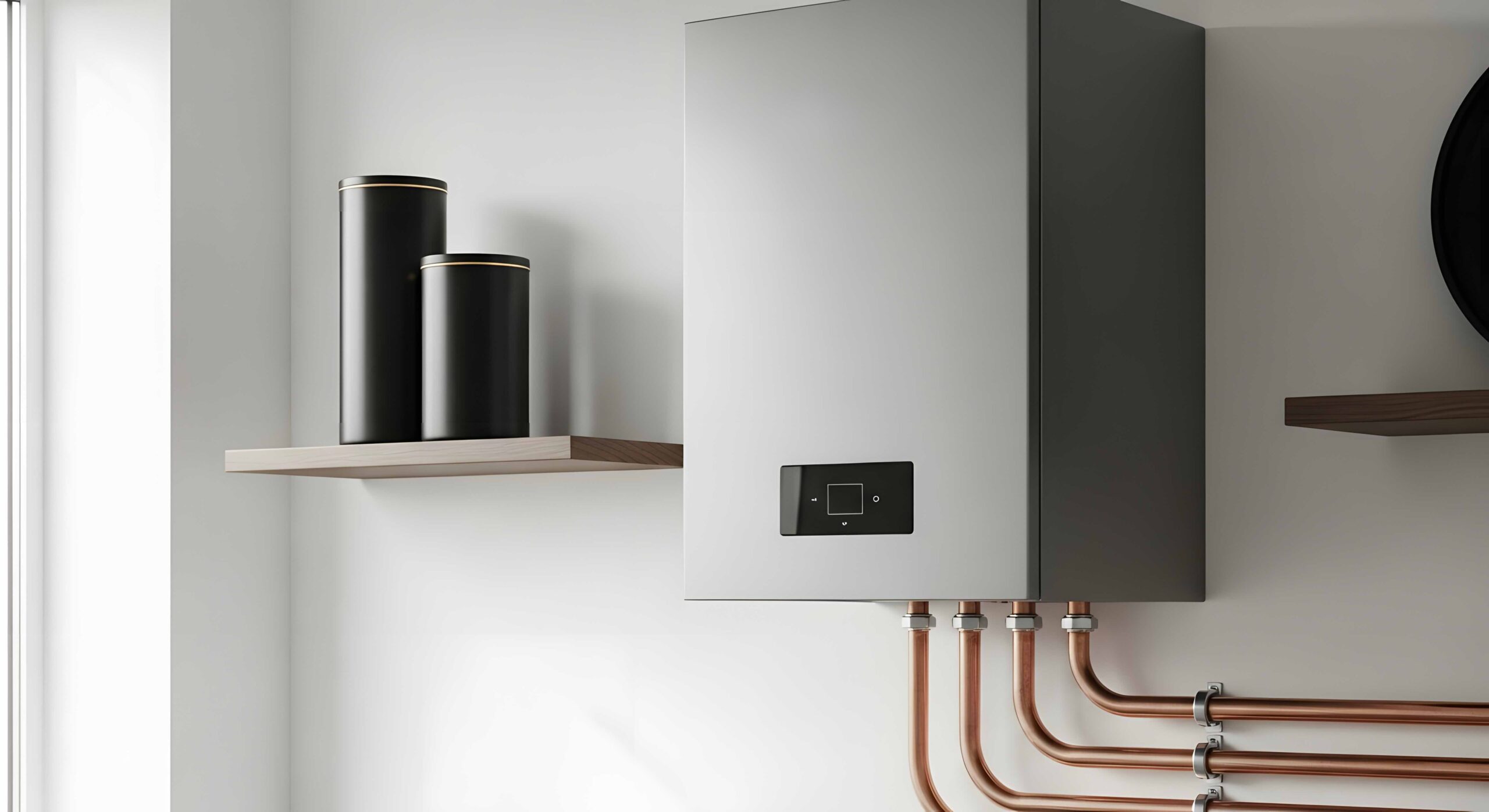
What Is a Tankless Water Heater and Should You Get One?
A modern household needs more than just stylish finishes and smart thermostats—it needs reliable systems that support your daily comfort. One appliance that’s gaining significant popularity in homes across the country is the tankless water heater. If you’ve ever waited impatiently for the hot water to return after a long shower cycle or noticed rising energy bills during colder months, you might want to take a closer look at this energy-efficient alternative to traditional water heaters. In this article, we’re breaking down what tankless water heaters are, how they work, and how they could impact your home and wallet. And importantly, we’ll discuss how this system fits into your home’s protection plan.
What Is a Tankless Water Heater?
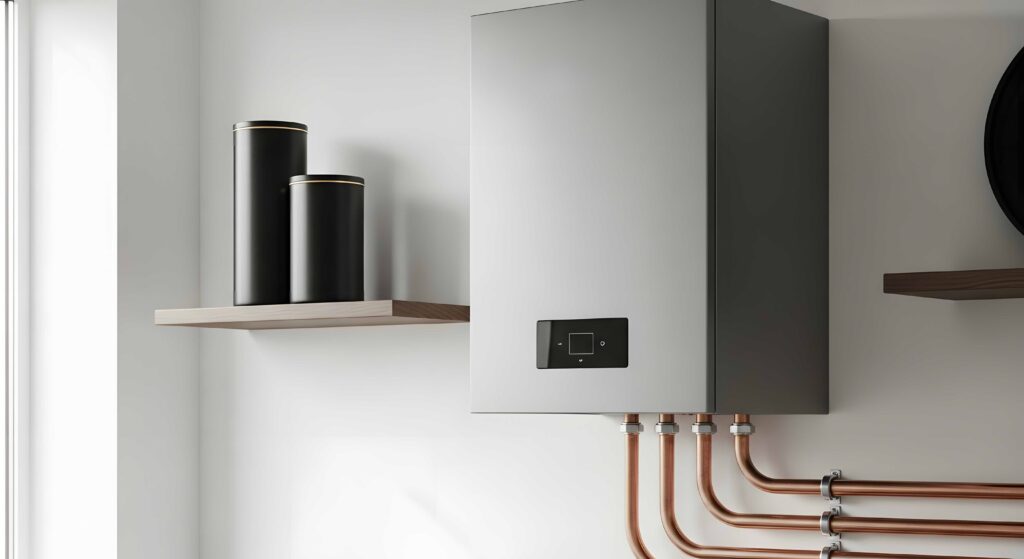
A tankless water heater, also known as an on-demand water heater, is a system that heats water only when it’s needed. Unlike conventional water heaters that store hot water in a tank and keep it warm 24/7, tankless systems activate when you turn on a hot water tap. They rely on powerful heat exchangers to raise the water temperature rapidly, delivering a continuous flow of hot water—without the bulk or standby energy loss of traditional units.
How Does a Tankless Water Heater Work?
Tankless systems use either electric elements or a gas burner to heat water instantaneously. When a hot water tap is turned on, cold water enters the unit. The flow triggers sensors, which then engage the heating element. As water passes through the heat exchanger, its temperature rises, and it exits the unit to your faucet, shower, or appliance—hot and ready. Once the tap shuts off, the system powers down, eliminating unnecessary energy use.
This on-demand approach increases efficiency. There’s no tank to fill or reheat, and you’re not waiting between showers or laundry loads. It’s a streamlined process, provided the flow rate and heating capacity meet your household’s specific demands.
Advantages of a Tankless Water Heater
The main benefit of a tankless system is energy efficiency. According to the U.S. Department of Energy, homes that use 41 gallons or less of hot water daily can see energy savings of 24 to 34 percent with a tankless water heater compared to traditional storage models. Even heavy-use households can expect savings in the 8 to 14 percent range.
Another advantage is longevity. Tankless water heaters typically last around 20 years—sometimes even longer with proper maintenance. Traditional tank units, by contrast, usually top out around 10 to 15 years. Without a tank to corrode or leak, breakdowns are less frequent, and the overall maintenance burden is lighter.
Space savings are also compelling. These units are compact and often wall-mounted, freeing up valuable floor space in basements, garages, or utility closets. Many models allow for indoor or outdoor installation, depending on climate and design considerations.
Potential Drawbacks to Consider
Tankless water heaters aren’t without downsides. Initial installation costs are notably higher than for standard tank models. Between the price of the unit, necessary upgrades to electrical systems or gas lines, and labor, you might pay two to three times more upfront. This longer-term investment does pay off through energy savings and reduced maintenance—but not immediately.
There are also capacity limitations. A single tankless heater has a finite flow rate, and if you’re running multiple hot water applications simultaneously—say, two showers, a dishwasher, and a washing machine—it may not keep up. Larger homes often require multiple units or a more powerful model to deliver consistent performance across many fixtures.
Additionally, not every plumber is experienced with tankless systems. Finding a qualified professional for installation and occasional service can require a bit more research, particularly if you live in a rural or under-resourced area.
Installation and Maintenance Best Practices
Installing a tankless water heater isn’t a one-size-fits-all process. Whether your home relies on natural gas or electricity will affect which type of unit you need and what modifications may be required. Gas units may require larger gas lines or venting upgrades. Electric models may need circuit enhancements to handle the load.
Professional installation is crucial. Because these systems involve significant electrical or gas work, attempting a DIY installation is both unsafe and often voids the product’s warranty. Licensed technicians ensure the system meets local code requirements and operates efficiently from the start.
On the maintenance front, tankless water heaters are reliably easy to maintain if you take care of them proactively. Most manufacturers recommend descaling the unit annually, particularly in areas with hard water. Mineral buildup can reduce efficiency and lifespan if left unchecked. Cleaning the inline filter and checking connections seasonally will also help avoid unforeseen issues.
How a Tankless Water Heater Impacts Home Value
Modern buyers are increasingly attuned to energy-efficient features, and a tankless water heater can be a standout selling point. It signals long-term cost savings, forward-thinking construction, and attention to comfort. Especially in competitive real estate markets, upgrades like this improve perceived value, even if they don’t directly increase appraised value.
More importantly, for current homeowners, the daily comfort gains are substantial. No more planning showers around appliance cycles. No more complaints about running out of hot water. When a home’s systems feel consistent and reliable, quality of life improves, and so does long-term satisfaction with the property.
Is a Tankless Water Heater Right for Your Home?
That depends on your household size, hot water usage habits, and budget. Small households or homes with staggered hot water usage often see the highest return on investment. For families with greater simultaneous demands, a larger or multi-unit setup might be necessary—but can still be worthwhile when longevity and energy savings are factored in.
If your current water heater is nearing the end of its life, or if utility costs are steadily creeping upward, a tankless unit becomes an even more attractive option. But timing matters—coordinate upgrades with home improvements or appliance replacements to bundle costs efficiently. And always ensure your electrical panel or gas infrastructure is compatible before committing to a unit.
Protecting Your Tankless Investment with Armadillo
Installing a tankless water heater is not just a smart upgrade—it’s a significant financial commitment. That’s why protecting it with a comprehensive home warranty through Armadillo can offer the peace of mind that matters. As the home warranty industry continues to parallel the auto protection market—where the industry average monthly payment for services like CarShield typically hovers above $100—homeowners are increasingly seeking smarter, streamlined options. Armadillo offers that. With transparent pricing, modern digital tools, and customized protection plans, we help ensure your investment in a tankless water heater stays protected long after installation day. Learn more at www.armadillo.one or start protecting your home today with a plan tailored to your needs at our plan builder. Because once your home works the way it should, let’s keep it that way—for good.