What Is a Tankless Water Heater and Is It Right for Your Home?
At some point, most homeowners start wondering whether their clunky old water heater is really pulling its weight. And honestly, that is a fair question. Traditional tank-style water heaters have been the standard for decades, but tankless water heaters have been gaining serious ground — and for good reason. If you have heard the term but are not entirely sure what it means or whether it applies to your situation, this is the place to start. Let us break it down in a way that actually makes sense.
How a Tankless Water Heater Actually Works
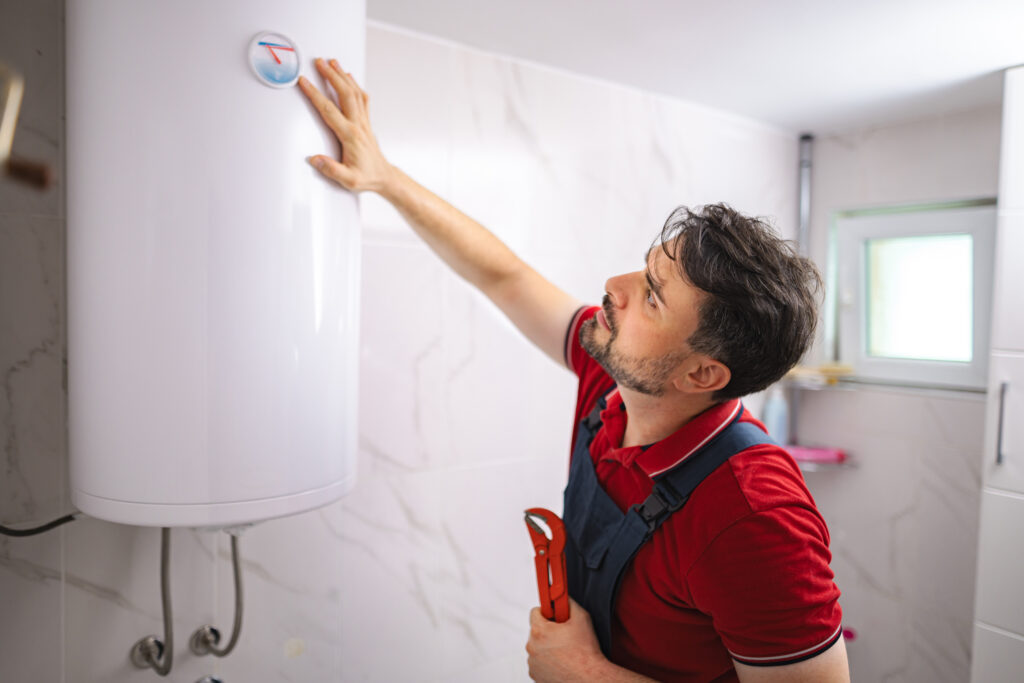
Here is the core concept: instead of storing a large reservoir of heated water and keeping it warm around the clock, a tankless water heater heats water on demand. When you turn on the hot tap, cold water travels through the unit, gets heated almost instantly by either a gas burner or an electric element, and flows directly to your faucet or appliance. No storage tank, no standby heat loss, no waiting for the tank to refill. The system activates when you need it and rests when you do not. That is the whole model. It sounds simple because it kind of is — and that simplicity is part of what makes it appealing.
The Key Advantages of Going Tankless
There are several reasons homeowners make the switch, and they are not just marketing talking points. Tankless systems offer real, measurable benefits that can have a meaningful impact on how your home runs day to day.
- Energy efficiency: Tankless units only heat water when needed, which can reduce energy consumption by 24 to 34 percent compared to traditional tanks for homes that use moderate amounts of hot water.
- Endless hot water: Because the system heats water on the fly, you are not limited by tank capacity. Long showers and back-to-back loads of laundry become far less stressful.
- Space savings: Tankless units mount to walls and take up a fraction of the footprint of a traditional tank, which is a significant advantage in smaller homes or utility closets.
- Longer lifespan: Most tankless water heaters last 20 years or more with proper maintenance, compared to the 10 to 15 year average lifespan of a tank-style unit.
- Reduced risk of water damage: No large tank means no risk of a catastrophic tank rupture flooding your home.
The Drawbacks You Should Know Before Deciding
No home system is without its trade-offs, and tankless water heaters are no exception. The upfront cost is the most common sticker-shock moment for homeowners. A quality tankless unit — plus professional installation — can run anywhere from $1,000 to $3,500 or more depending on the fuel type, unit capacity, and complexity of the installation. That is a significant jump compared to replacing a traditional tank. There is also the issue of flow rate limitations. If your household runs multiple hot water sources simultaneously — think two showers and the dishwasher going at once — a single undersized unit may struggle to keep up. Proper sizing is critical, and getting it wrong creates frustration fast.

Gas vs. Electric Tankless Water Heaters
The fuel source matters more than most people initially realize. Gas-powered tankless water heaters generally have higher flow rates and are better suited for larger households with significant hot water demand. However, they require proper venting, which can add to installation costs — especially if your home is not already set up for it. Electric tankless units are easier to install and work well in smaller homes or for supplemental applications like a single bathroom or a remote cabin. The downside is that they can draw heavily on your electrical panel, and some older homes may require a panel upgrade before installation is even possible. Knowing your home’s existing infrastructure before shopping for a unit is genuinely important.
Is Your Home a Good Candidate for a Tankless System?
The honest answer is: it depends. Tankless water heaters perform best in homes where hot water usage is relatively predictable and the infrastructure supports the conversion. If your home already has natural gas service and decent water pressure, transitioning to a gas tankless unit is usually smoother. Homes with high simultaneous hot water demands — large families, multiple bathrooms in active use — may need either a high-capacity unit or even two units working in tandem. Climate matters too. In colder regions, incoming water temperatures are lower, which makes the unit work harder to reach the target temperature. A qualified plumber or HVAC professional can assess your home and give you a realistic picture of what to expect.
Installation and Maintenance Considerations
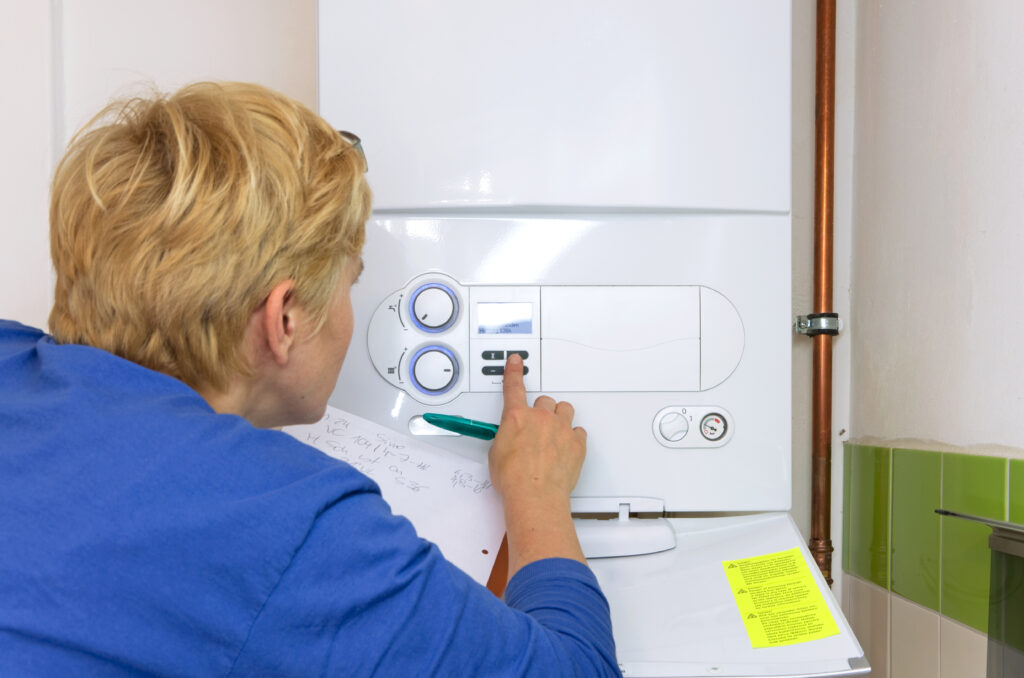
One thing homeowners sometimes underestimate is that tankless water heater installation is not a weekend DIY project for most people. It involves gas line or electrical work, venting configurations, and compliance with local building codes. Hiring a licensed professional is the right move. Once installed, tankless units do require periodic maintenance to stay in peak condition. In areas with hard water, mineral buildup inside the heat exchanger is a real issue. Flushing the system with a descaling solution annually — or more frequently in high-hardness water regions — is standard practice and keeps the unit running efficiently. Neglecting this step is one of the more common reasons tankless systems underperform or fail prematurely.
Cost Savings Over Time: What the Numbers Look Like
The question of whether a tankless water heater saves money is one of the most frequently asked — and the answer is nuanced. Yes, the operational savings are real. Lower monthly energy bills do add up over time. But the payback period on the higher upfront investment can range from 5 to 12 years depending on your usage patterns, fuel costs, and the unit itself. For homeowners planning to stay in their home long-term, the math often works in their favor. For those who may move in a few years, the ROI calculation gets more complicated. It is also worth noting that tankless water heaters can add to a home’s resale value and appeal, which is not nothing.
Practical Tips Before You Buy
If you are leaning toward making the switch, a few practical steps will help you avoid costly mistakes. Get at least two or three quotes from licensed plumbers or HVAC contractors before committing. Ask specifically about total installed cost, not just the unit price. Check whether your local utility company offers rebates or incentives for installing energy-efficient water heating equipment — many do, and this can meaningfully offset the upfront cost. Verify that your electrical panel or gas line can support the new unit without additional upgrades. And always check the manufacturer’s warranty terms so you know exactly what is covered and for how long before you finalize your decision.
Why Armadillo Is a Smart Choice for Tankless Water Heater Protection
Once your tankless water heater is installed and running, the next smart move is making sure it is protected. These systems are efficient, durable, and genuinely worth the investment — but like any mechanical system in your home, they can and do require repairs. That is where having the right home warranty coverage makes all the difference. Armadillo home warranty plans designed to protect your water heater and major home systems are built with real homeowners in mind — straightforward coverage, no confusing fine print, and a claims process that does not make you feel like you are solving a puzzle. When your tankless unit needs a repair, the last thing you want is to absorb a large, unexpected bill on top of what you already spent on installation. get a free tankless water heater home warranty quote in seconds and see exactly what Armadillo can do for your home. Coverage that fits your life, backed by a team that takes the hassle out of home repairs — that is the Armadillo difference.

Frequently Asked Questions About Tankless Water Heaters
These are the questions homeowners ask most often when considering a tankless water heater. The answers are direct, practical, and based on how these systems actually perform in real homes.
How long does a tankless water heater last?
Most tankless water heaters have a lifespan of 20 years or more with proper maintenance, which is roughly double the average lifespan of a traditional tank-style water heater.
Can a tankless water heater run out of hot water?
A properly sized tankless unit will not run out of hot water because it heats water continuously on demand. However, if the unit is undersized for your household’s simultaneous usage, it may struggle to keep up with multiple hot water draws at once.
What is the average cost to install a tankless water heater?
Total installed costs typically range from $1,000 to $3,500 or more, depending on the unit type, fuel source, and the complexity of the installation in your home.
Are tankless water heaters more energy efficient than traditional tanks?
Yes. For homes that use a moderate amount of hot water, tankless units can be 24 to 34 percent more energy efficient than storage tank water heaters because they eliminate standby heat loss.
Do tankless water heaters require maintenance?
Yes. Annual descaling or flushing is recommended, especially in areas with hard water. Regular maintenance prevents mineral buildup in the heat exchanger and keeps the unit operating at full efficiency.
Can I install a tankless water heater myself?
Installation is not recommended as a DIY project for most homeowners. It involves gas line or electrical work, venting, and code compliance that typically require a licensed professional to complete safely and correctly.
Does a tankless water heater increase home value?
Generally yes. Energy-efficient upgrades like tankless water heaters are viewed favorably by buyers and can contribute positively to resale value, though the exact impact varies by market.
What is the difference between a gas and electric tankless water heater?
Gas units typically offer higher flow rates and are better for larger households, while electric units are easier to install and work well for smaller homes or point-of-use applications. Both have specific infrastructure requirements that should be evaluated before purchasing.
Is a tankless water heater covered by a home warranty?
Coverage varies by provider and plan. Many home warranty companies, including Armadillo, offer plans that include water heater coverage. Always review the terms carefully to confirm what is included before purchasing a plan.
How do I know what size tankless water heater I need?
Sizing is based on the number of simultaneous hot water demands in your home and the temperature rise needed from your incoming water supply. A licensed plumber can calculate the correct flow rate and unit capacity for your specific household.