The Definitive Guide to Gas Hot Water Troubleshooting: Solutions for the Inquisitive Homeowner
In the intricate ballet of modern household systems, the gas hot water heater gracefully performs a crucial role: ensuring a steady supply of hot water for showers, dishes, and laundry, all essential daily rituals. Yet, like any hardworking device, it occasionally taps out, leading to baffling, water-related conundrums. Understanding how a gas hot water heater functions, recognizing its benefits and limitations, and knowing when to seek expert advice can empower homeowners to maneuver through these challenges with composure.
Understanding How Gas Hot Water Heaters Work
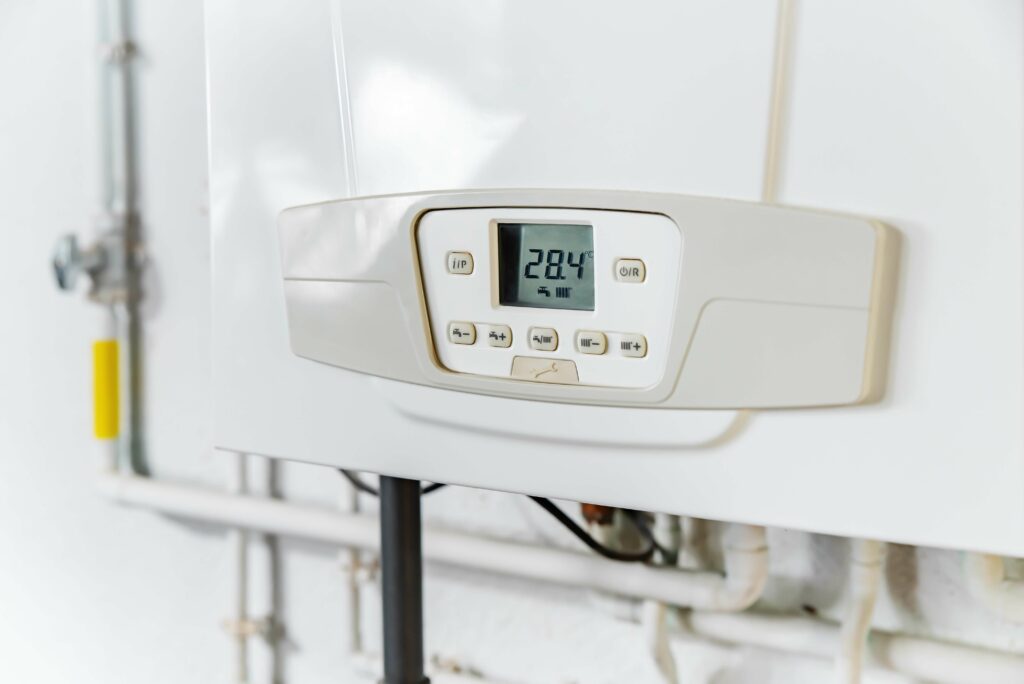
At its core, a gas hot water heater is a simple, yet sophisticated system. It comprises a main gas burner located below the tank, a flue through which exhaust gases escape, and a thermostat to regulate water temperature. Cold water enters the tank, descending to the bottom via a dip tube. The gas burner then heats the water, as exhaust gases travel up through the flue, warming incoming water via the heat exchange process. As the water reaches your desired temperature, the thermostat signals the burner to slow or stop with precise flair.

Advantages of Gas Hot Water Heaters
Why choose a gas water heater? Let’s consider the benefits. Efficiency is a primary factor. Gas heaters often heat water more quickly than electric models, offering an almost endless supply of hot water for high-demand households. Additionally, gas models tend to be more cost-effective over time due to the lower cost of natural gas compared to electrical energy, making them an attractive option for budget-conscious homeowners. They also remain functional during power outages, a valuable asset in ensuring comfort and convenience in unpredictable circumstances.
Common Drawbacks of Gas Hot Water Heaters
Despite their merits, gas water heaters aren’t without their challenges. Installation can be more complex and expensive than electric systems, given the need for proper venting and gas line connections. Maintenance requires a vigilant eye, as improper upkeep can lead to gas leaks or dangerous buildup of carbon monoxide. Older models may also suffer from inefficiency compared to newer, more advanced designs. Understanding these potential drawbacks aids homeowners in adequately preparing for and mitigating potential issues.
Troubleshooting Common Gas Hot Water Heater Issues
What to do when your gas hot water heater springs a surprise act? Common issues include no hot water, insufficient heating, or even noisy operation. Lack of hot water can often result from a pilot light gone out, a common hiccup resolved by relighting the flame. Insufficient heating might indicate a faulty thermostat or thermocouple, both of which can be checked and replaced. While odd noises may result from sediment buildup within the tank, draining it should swiftly silence the chatter.
When to Call a Professional
Though DIY troubleshooting holds appeal, certain situations require professional expertise. Gas line issues, for instance, demand immediate professional attention to prevent risks like leaks or carbon monoxide poisoning. Additionally, more profound mechanical problems, such as faulty burners or damaged dip tubes, should be handled by certified experts trained to navigate intricate repairs safely. Awareness of when to call in the cavalry ensures safety and proper functioning of your heater.
Maintaining Your Gas Hot Water Heater
To extend the life of your heater and maintain its performance, regular care is key. Schedule an annual inspection with a reputable technician to ensure everything is in tip-top shape. Routine tasks such as checking the anode rod, regular sediment flushing, and ensuring the venting system remains unblocked can prevent potential issues. These standard maintenance practices can bolster the efficiency and longevity of your hot water heater, preserving your investment for years to come.

Future Alternatives: Looking Ahead
Exploring your options beyond gas water heating? Tankless water heaters, for instance, are becoming increasingly popular due to their energy efficiency and space-saving features. They provide an on-demand hot water supply without the need for a storage tank. Additionally, solar water heating systems offer a sustainable method by harnessing the sun’s energy, potentially lowering utility costs. Keeping abreast of technological advancements equips homeowners with the capability to make informed, future-proof decisions.
Why Choose Armadillo for Your Home Warranty Needs
In navigating the complexities of home systems, having a trusted partner in your corner enhances peace of mind significantly. This is where Armadillo comes in — expertly crafted for today’s modern homes, it provides comprehensive coverage that adapts to your unique setup. Imagine seamless protection from unexpected expenses, along with exceptional customer service every step of the way. Start safeguarding your home with Armadillo today by visiting our homepage or jumpstart your warranty process by exploring plan options here. Dependability, expertise, and a little extra fortification with Armadillo, ensures you can focus on enjoying your home without the stress of what-ifs.